The Trump administration announced plans Friday to speed up coronavirus testing, introducing an emergency hotline for companies and private laboratories developing quicker tests and seems on a path to a multi-billion-dollar federal plan with Congress amid reports the president will declare a national emergency later today.
"I hope he does it, it's the right thing to do, it will free up states and local communities to act more aggressively," Rep. Ami Bera (D-Calif. 7th District) told Cheddar on Friday.
The administration is catching up to warnings health officials have been making for weeks about the United States's lack of preparedness for what is now a pandemic. Bera, a physician himself, said the new measures will allow community health centers taking care of Medicaid patients to be reimbursed for telemedicine.
"If you can manage [sick patients] using technology, using telehealth, telemedicine and they can stay at home, that is actually a good thing, that will help slow the spread," he said.
Though telemedicine may help treat patients without potentially infecting those they come in contact with, a lack of test kits will impede physicians’ ability to track patients.
"What I’ve suggested to the administration is, look, if South Korea can do it, pick up the phone, call the Korean company that’s making these tests and see if you can’t just license those tests and get it sent over here if it’s taking so long for us to do it," he said.
While health workers attempt to slow the spread of the virus, politicians are still at work on a bill, which appeared to hit a roadblock today over disagreements about paid sick leave. House Speaker Nancy Pelosi and Treasury Secretary Steven Mnuchin have been negotiating the plan, which House Democrats are expected to vote on today.
"We're told that they're pretty close," Bera said. "Workers, families, those hourly wage folks, they're going to be hurt immediately. This is America, we don't let people fall down like that."
Sergeant First Class Christopher Jones talked to Cheddar about how the U.S. Army eSports division, launched out of Fort Knox, Tennessee as a recruitment effort, is thriving amid the coronavirus pandemic.
Stocks are ending lower on Wall Street as tensions flared again between the U.S. and China and as more dismal news came out detailing economic fallout from the coronavirus pandemic.
Stocks were wavering between gains and losses in morning trading on Wall Street Thursday.
The Supreme Court is temporarily preventing the House of Representatives from obtaining secret grand jury testimony from special counsel Robert Mueller’s Russia investigation.
Chris Soukup, CEO of Communication Service for the Deaf discussed with Cheddar the challenges facing the community with a lack of resources and much of the new normal stemming from stay-at-home orders.
U.S. health officials have quietly released more reopening guidance that was created more than a month ago but initially shelved.
Biden campaign senior advisor Symone Sanders told Cheddar on Tuesday,"Vice President Biden said just last week he can't wait to get back out there on the campaign trail, but we're going to do so when it's safe."
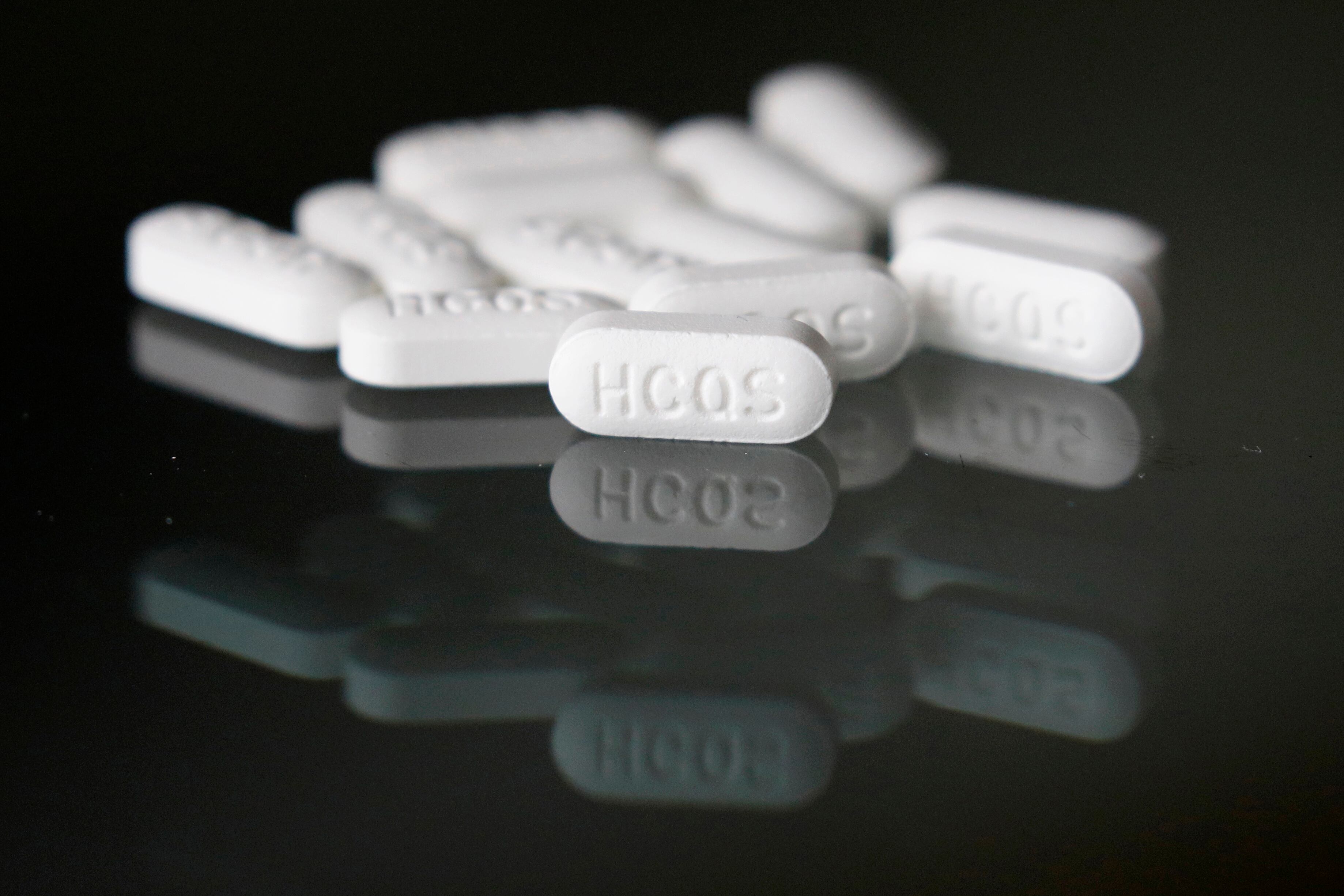
Dr. Leana Wen, an emergency physician, explained the potential risks of taking hydroxychloroquine, and how President Trump needs to change his rhetoric for the sake of public health.
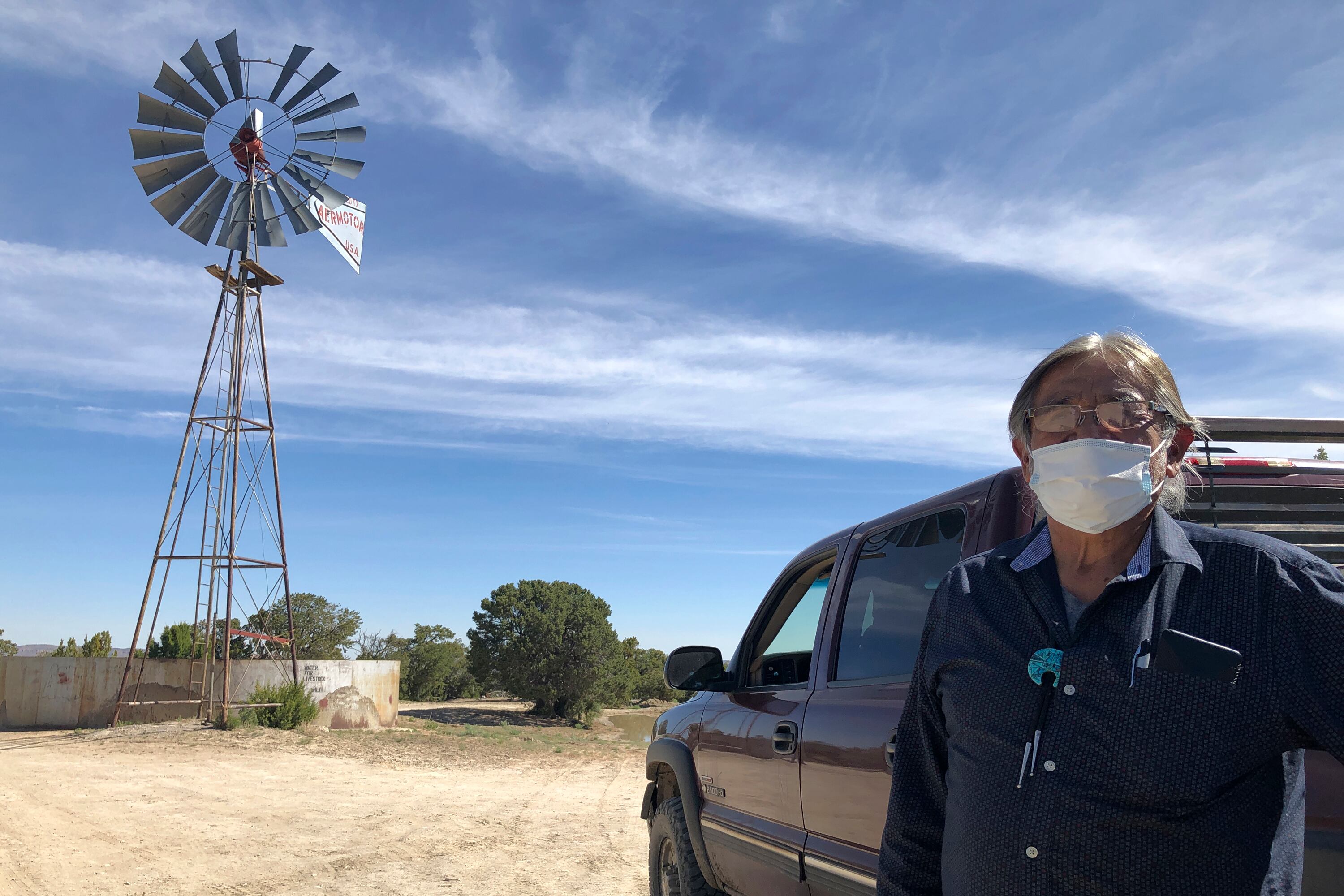
Even as some states begin the process of reopening their economies, Native American tribes are dealing with disproportionate challenges during the pandemic. The Navajo Nation, in particular, has suffered greatly. "The native communities are the ones that are suffering the most from the virus," former New Mexico Governor Bill Richardson told Cheddar. "Close to 30 to 40 percent of those that are afflicted are tribal members, especially the Navajo Nation."
Federal Reserve Chair Jerome Powell said Tuesday that the central bank’s lending programs for medium-sized businesses and state and local governments will be operational by the end of this month.