The Trump administration announced plans Friday to speed up coronavirus testing, introducing an emergency hotline for companies and private laboratories developing quicker tests and seems on a path to a multi-billion-dollar federal plan with Congress amid reports the president will declare a national emergency later today.
"I hope he does it, it's the right thing to do, it will free up states and local communities to act more aggressively," Rep. Ami Bera (D-Calif. 7th District) told Cheddar on Friday.
The administration is catching up to warnings health officials have been making for weeks about the United States's lack of preparedness for what is now a pandemic. Bera, a physician himself, said the new measures will allow community health centers taking care of Medicaid patients to be reimbursed for telemedicine.
"If you can manage [sick patients] using technology, using telehealth, telemedicine and they can stay at home, that is actually a good thing, that will help slow the spread," he said.
Though telemedicine may help treat patients without potentially infecting those they come in contact with, a lack of test kits will impede physicians’ ability to track patients.
"What I’ve suggested to the administration is, look, if South Korea can do it, pick up the phone, call the Korean company that’s making these tests and see if you can’t just license those tests and get it sent over here if it’s taking so long for us to do it," he said.
While health workers attempt to slow the spread of the virus, politicians are still at work on a bill, which appeared to hit a roadblock today over disagreements about paid sick leave. House Speaker Nancy Pelosi and Treasury Secretary Steven Mnuchin have been negotiating the plan, which House Democrats are expected to vote on today.
"We're told that they're pretty close," Bera said. "Workers, families, those hourly wage folks, they're going to be hurt immediately. This is America, we don't let people fall down like that."
California Governor Gavin Newsom is facing a recall election in about two weeks. Newsom was elected governor in 2018 with nearly 62% of the vote after working as lieutenant governor for eight years. However, his popularity took a hit after his handling of Covid-19 pandemic, although the White House is refusing to cite this as the direct reason for the September 14th recall election. There are 46 candidates running to be Newsom's replacement, and some are saying that California could end up electing a republican governor.
Jeremy White, California politics reporter and co-writer of daily California Playbook Newsletter at Politico, joined Cheddar Politics to discuss more about the election and its possible outcomes.
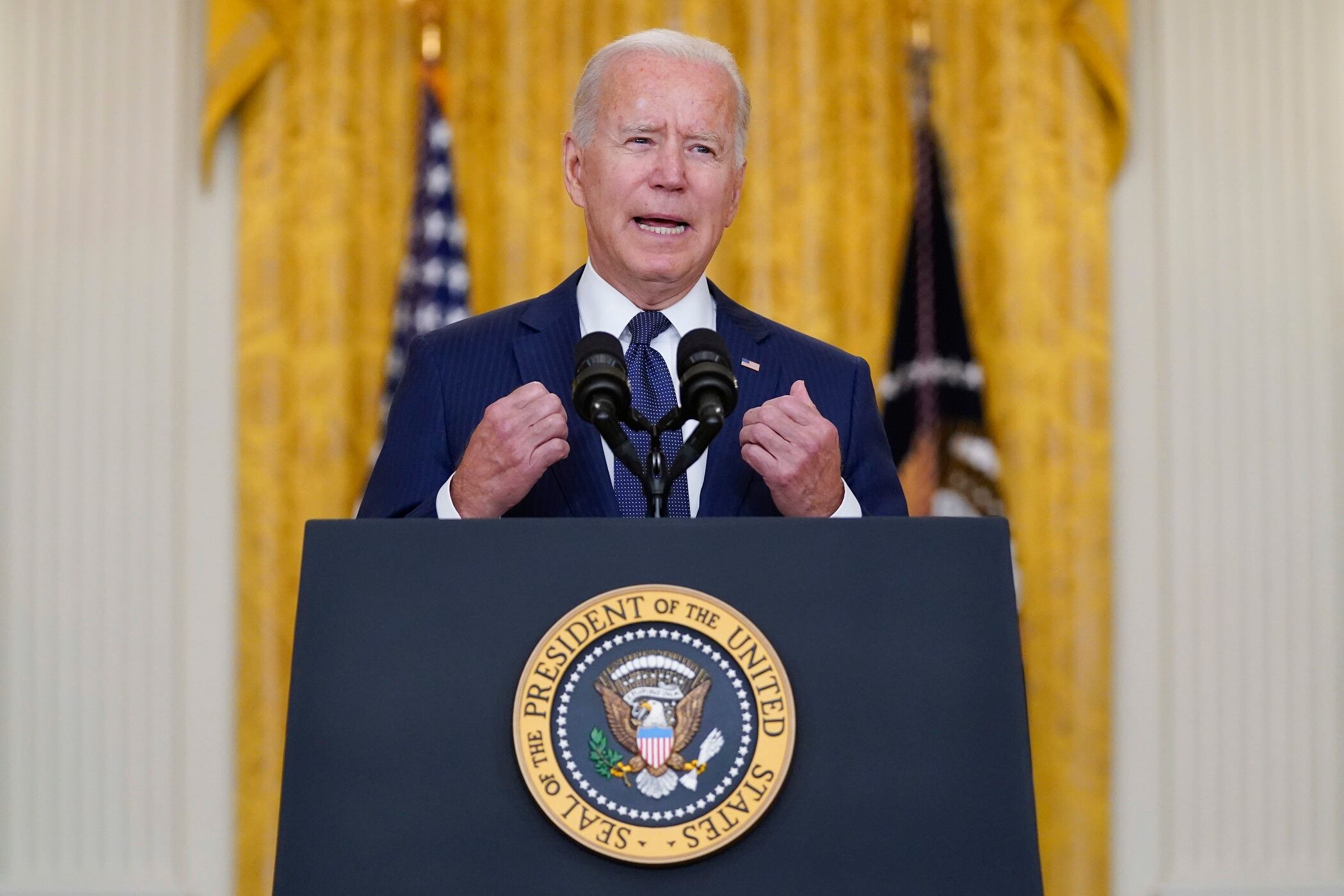
President Joe Biden says the United States will complete it's evacuation of Americans and others from Kabul, despite the attack that killed 12 U.S. service members and many Afghan civilians.
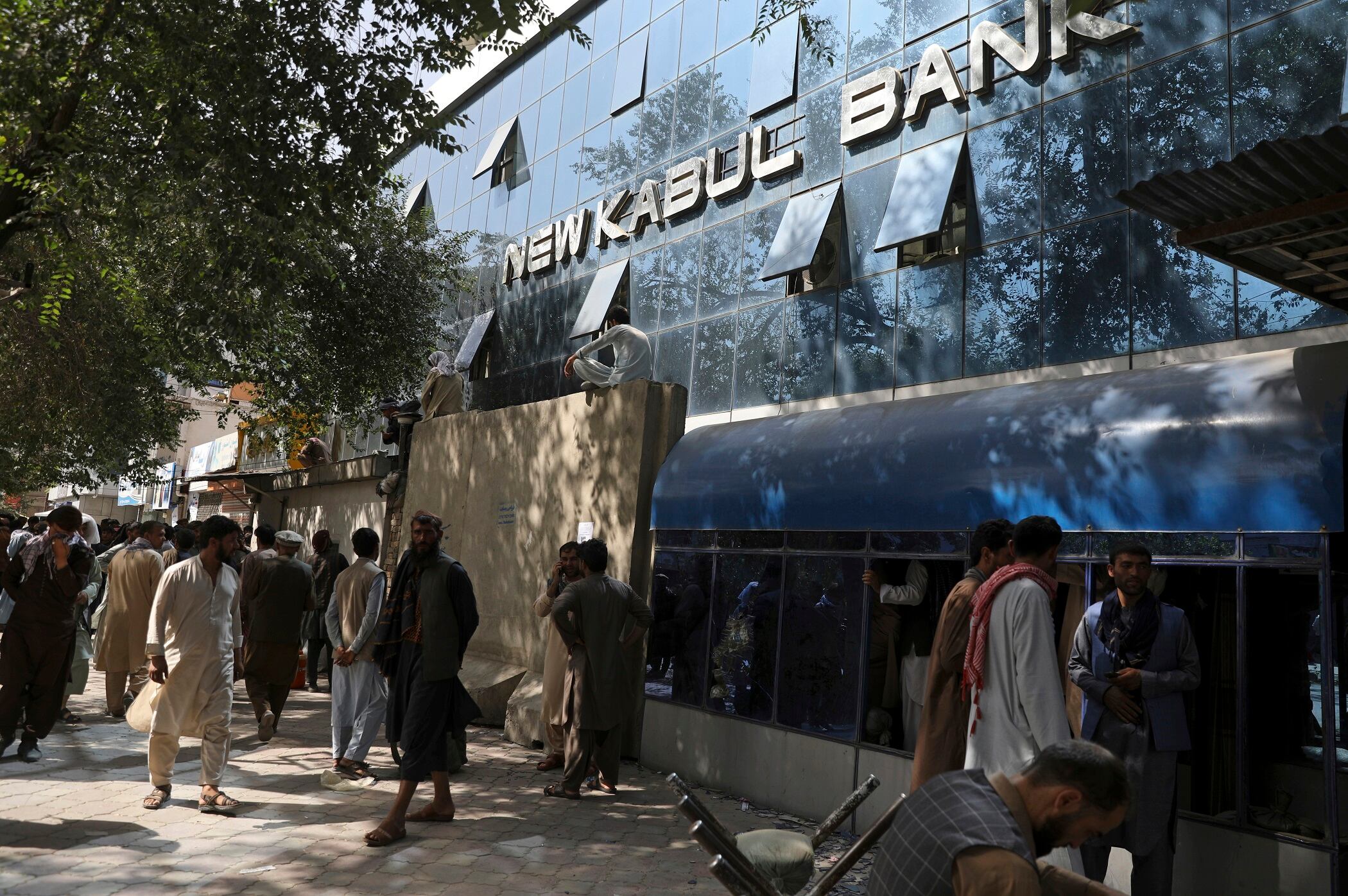
Crypto-enthusiasts are taking to social media to urge regular Afghans to adopt bitcoin in the face of considerable economic uncertainty.
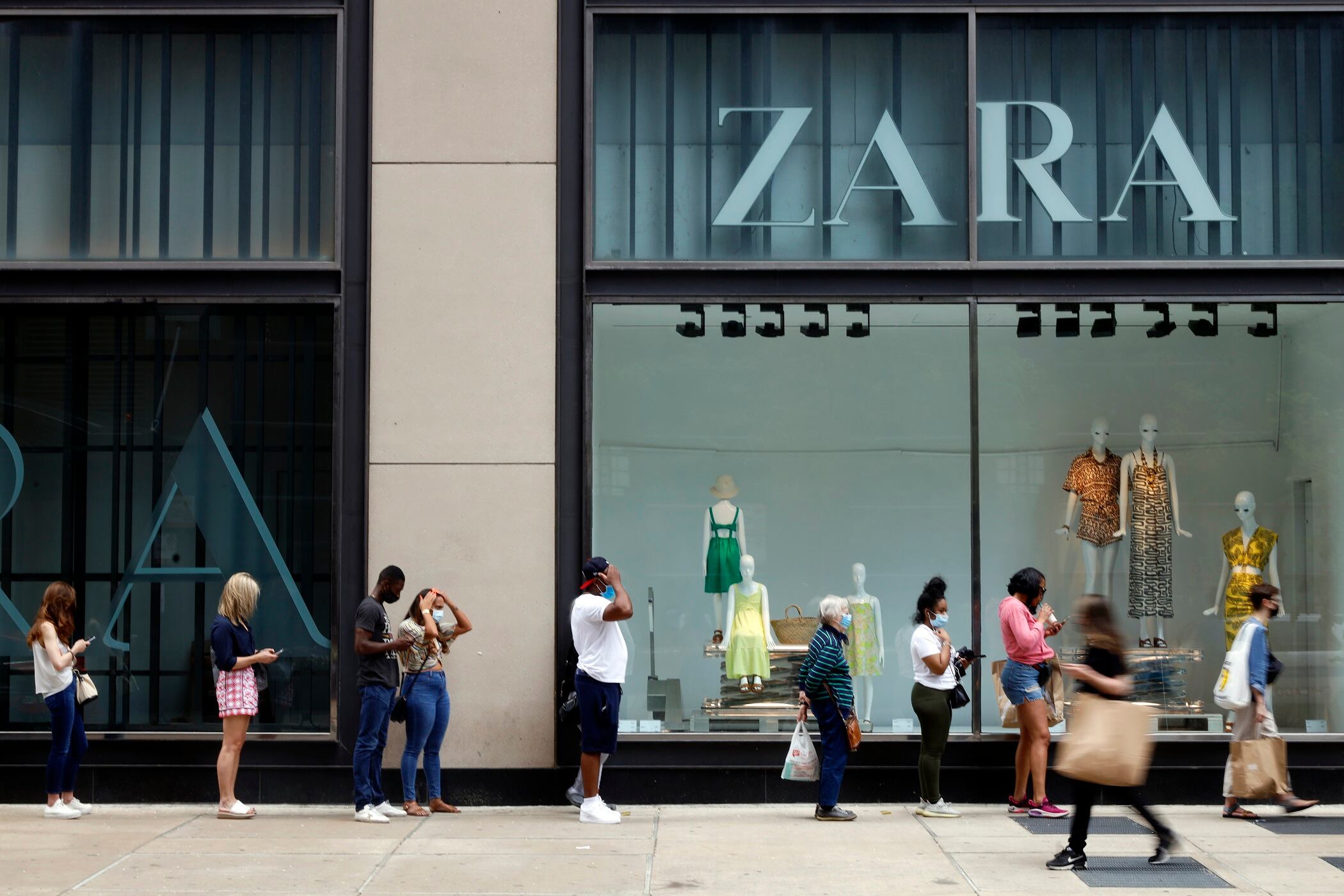
The U.S. economy grew at a 6.6% annual rate last quarter, slightly faster than previously estimated, the government said Thursday in a report that pointed to a sustained consumer-led rebound from the pandemic recession.
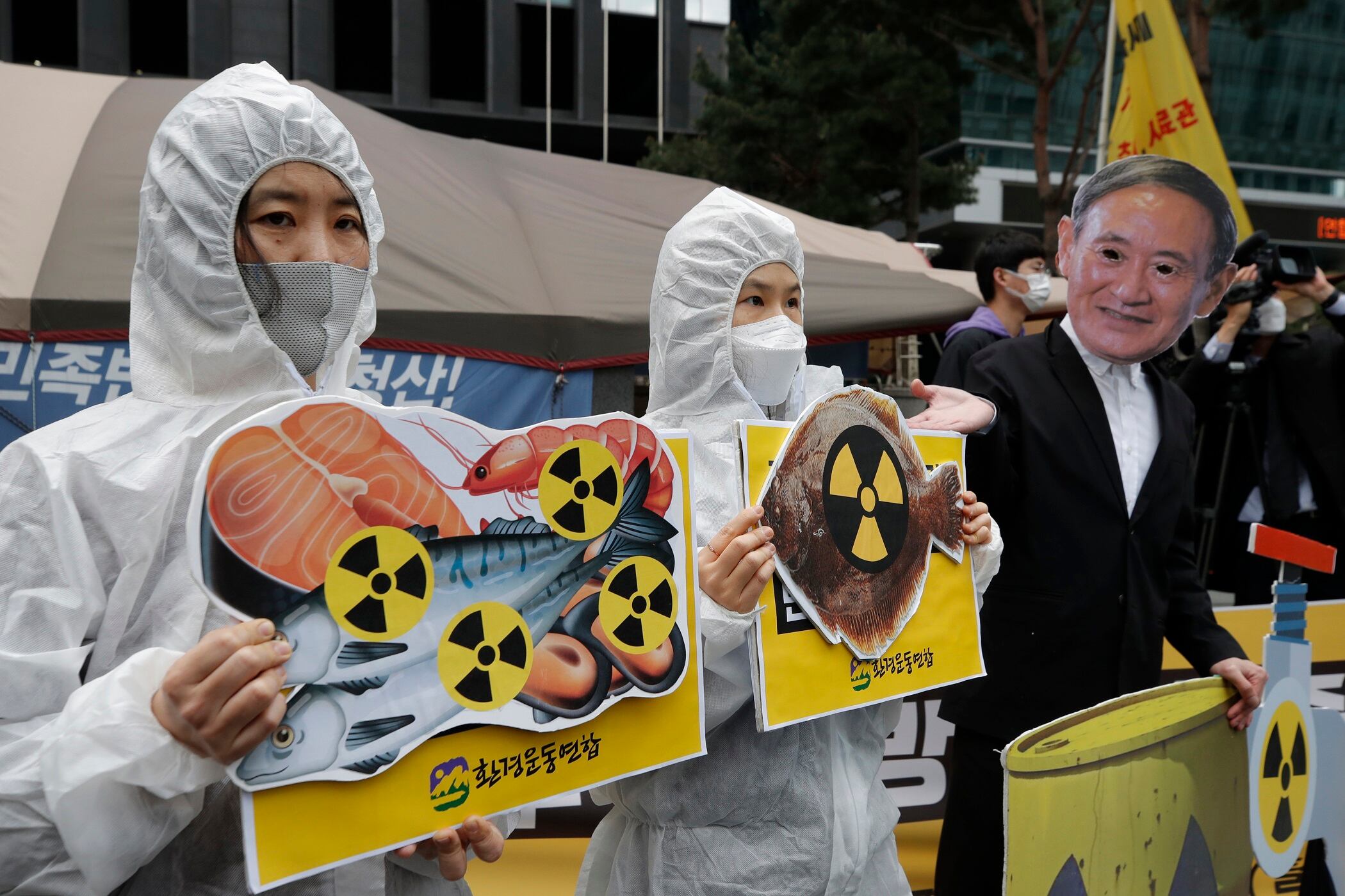
The operator of the wrecked Fukushima nuclear power plant says it plans to build an undersea tunnel so that massive amounts of treated but still radioactive water can be released into the ocean about 1 kilometer (0.6 mile) away from the plant to avoid interference with local fishing.
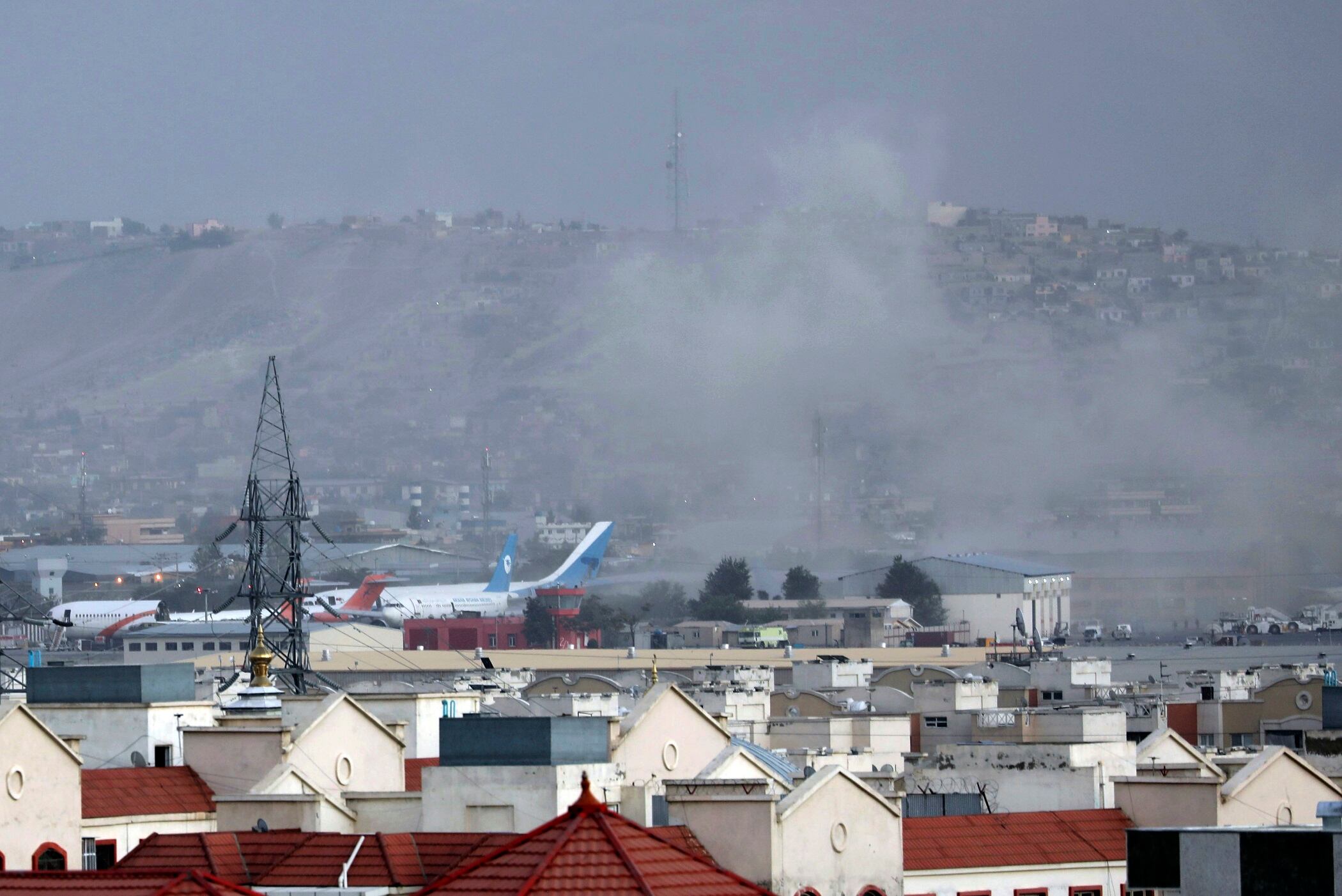
Two suicide bombers and gunmen have targeted crowds of Afghans flocking to Kabul’s airport, in the waning days of a massive airlift that has drawn thousands of people seeking to flee the Taliban takeover of Afghanistan.
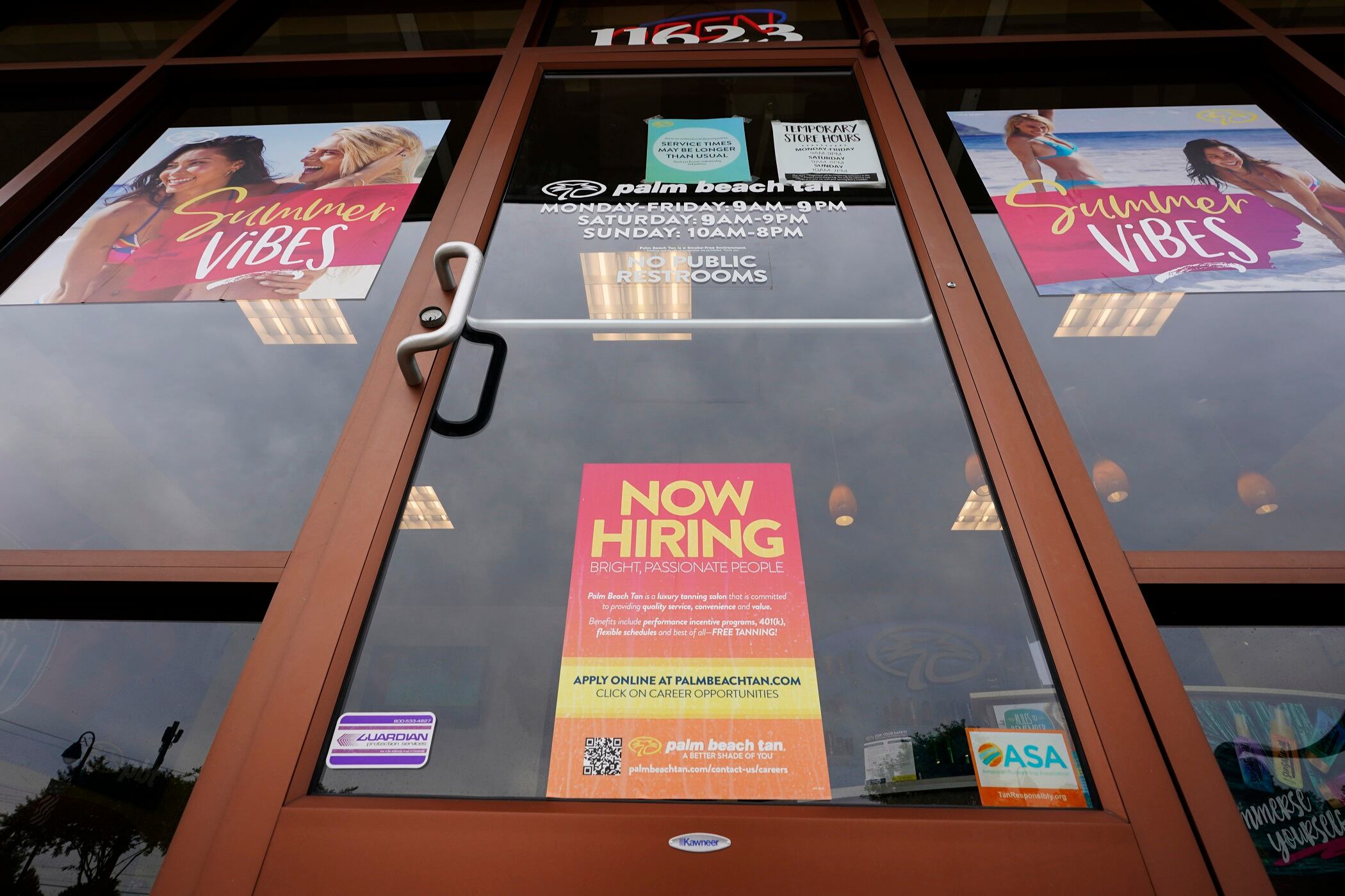
The number of Americans applying for unemployment benefits rose for the first time in five weeks even though the economy and job market have been recovering briskly from the coronavirus pandemic.
Secretary of State Blinken said Wednesday that as many as 1,500 Americans may be awaiting evacuation from Afghanistan.
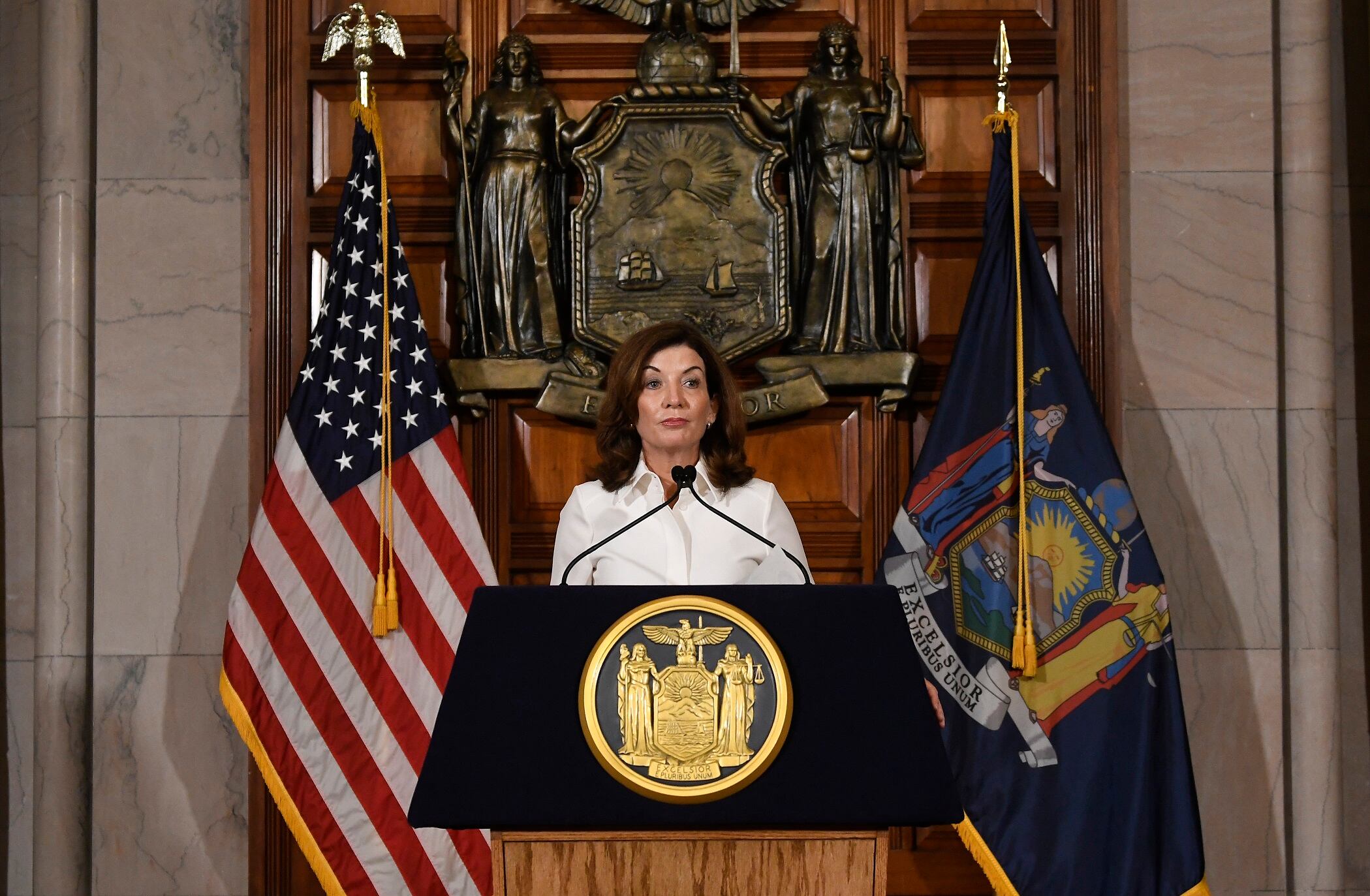
Kathy Hochul became the first female governor of New York on Tuesday, vowing to bring new energy and urgency to solving immense challenges as she took over an administration criticized for inaction.
U.S military troops flying round the clock have managed their biggest day of airlifts out of Afghanistan by far.