The Trump administration announced plans Friday to speed up coronavirus testing, introducing an emergency hotline for companies and private laboratories developing quicker tests and seems on a path to a multi-billion-dollar federal plan with Congress amid reports the president will declare a national emergency later today.
"I hope he does it, it's the right thing to do, it will free up states and local communities to act more aggressively," Rep. Ami Bera (D-Calif. 7th District) told Cheddar on Friday.
The administration is catching up to warnings health officials have been making for weeks about the United States's lack of preparedness for what is now a pandemic. Bera, a physician himself, said the new measures will allow community health centers taking care of Medicaid patients to be reimbursed for telemedicine.
"If you can manage [sick patients] using technology, using telehealth, telemedicine and they can stay at home, that is actually a good thing, that will help slow the spread," he said.
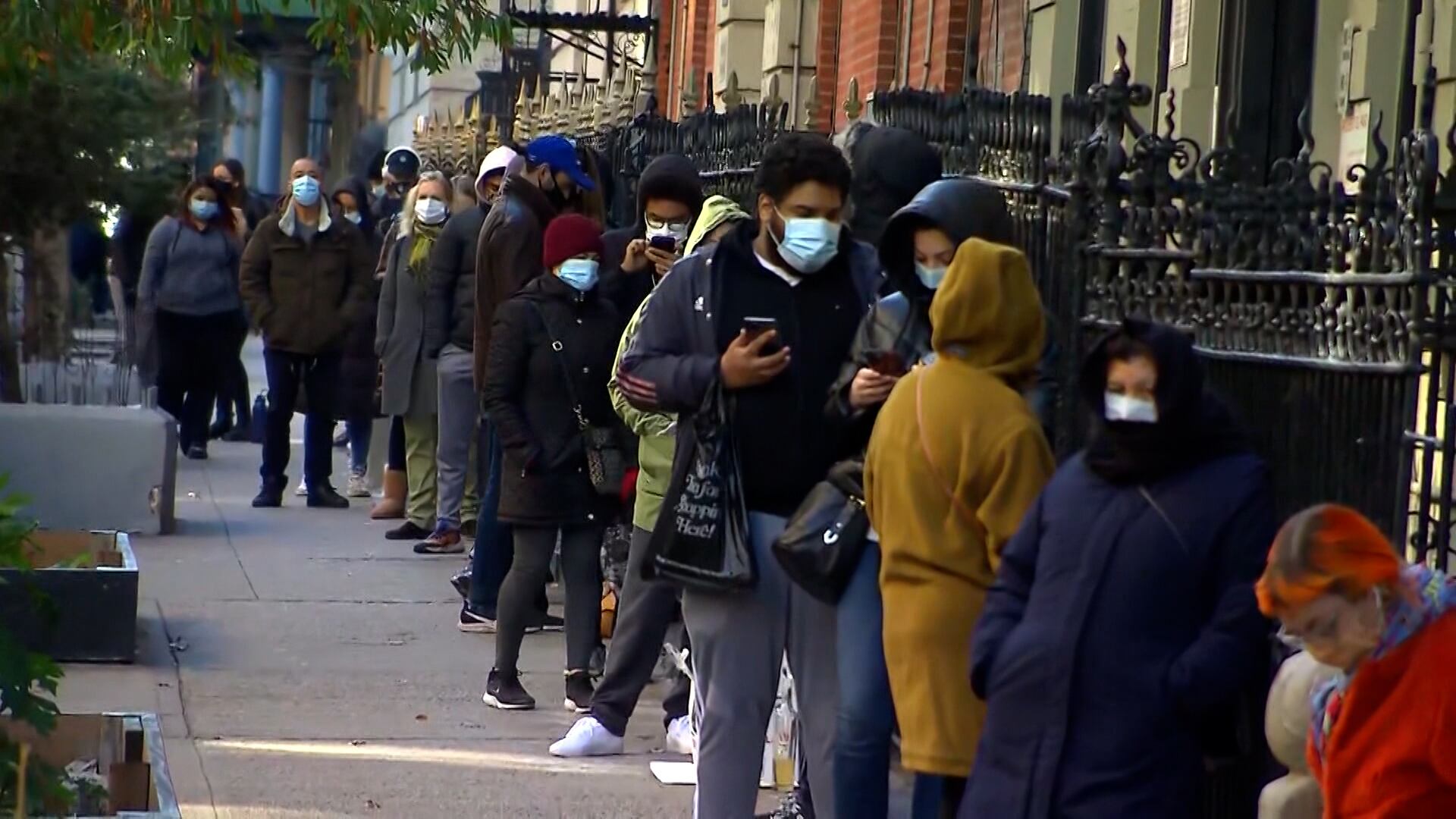
Though telemedicine may help treat patients without potentially infecting those they come in contact with, a lack of test kits will impede physicians’ ability to track patients.
"What I’ve suggested to the administration is, look, if South Korea can do it, pick up the phone, call the Korean company that’s making these tests and see if you can’t just license those tests and get it sent over here if it’s taking so long for us to do it," he said.
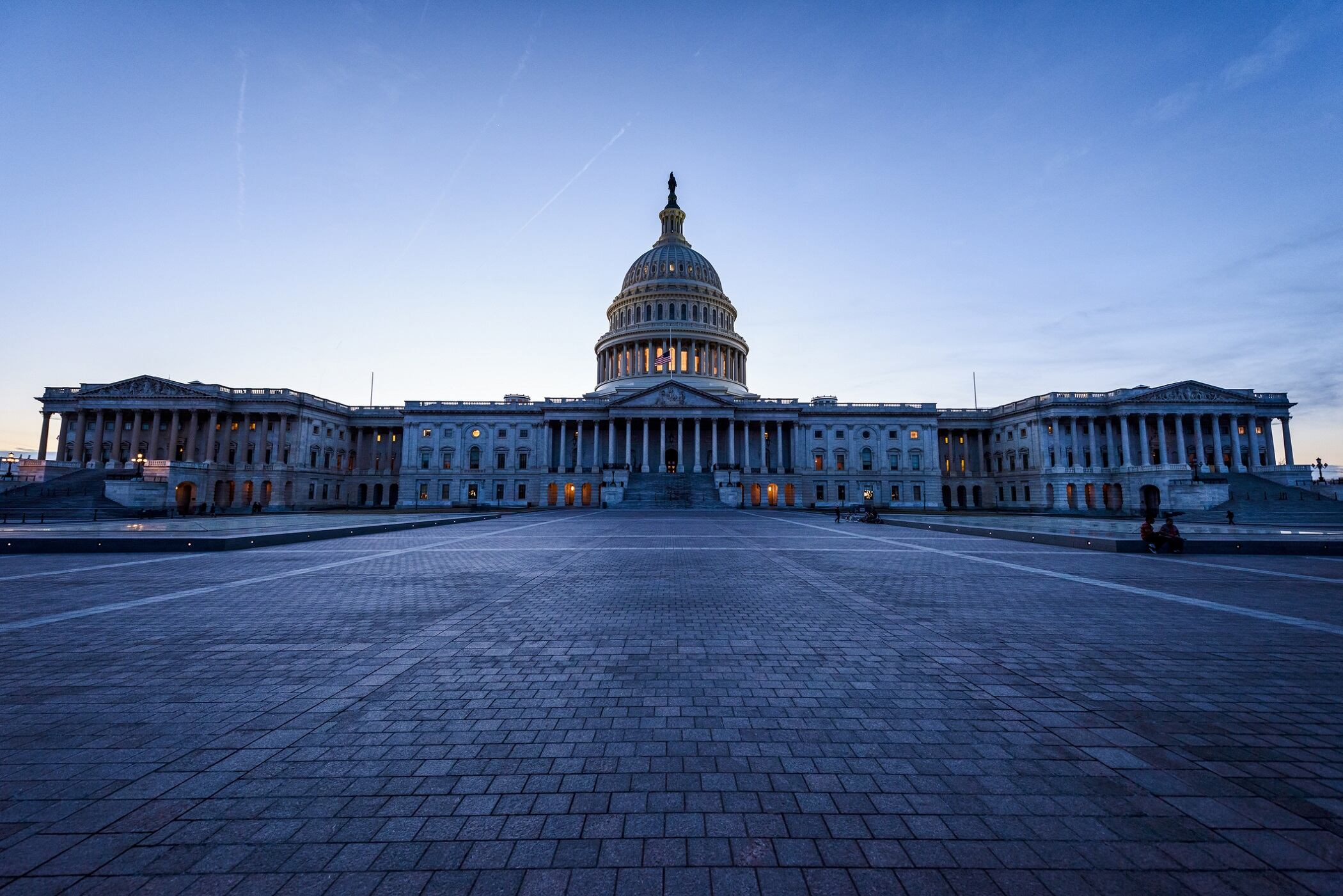
While health workers attempt to slow the spread of the virus, politicians are still at work on a bill, which appeared to hit a roadblock today over disagreements about paid sick leave. House Speaker Nancy Pelosi and Treasury Secretary Steven Mnuchin have been negotiating the plan, which House Democrats are expected to vote on today.
"We're told that they're pretty close," Bera said. "Workers, families, those hourly wage folks, they're going to be hurt immediately. This is America, we don't let people fall down like that."
The crypto lobbying boom kicked off last year, sparked by a broadly-worded provision in the bipartisan infrastructure bill. Cheddar's Alex Vuocolo takes a deeper look.
U.S. stocks ended Wednesday's session mixed following the release of the minutes from the Federal Reserve’s most recent meeting, and amid ongoing tensions between Russia and Ukraine. Dan Eye, Chief Investment Officer at Fort Pitt Capital Group joined Cheddar News' Closing Bell to discuss.
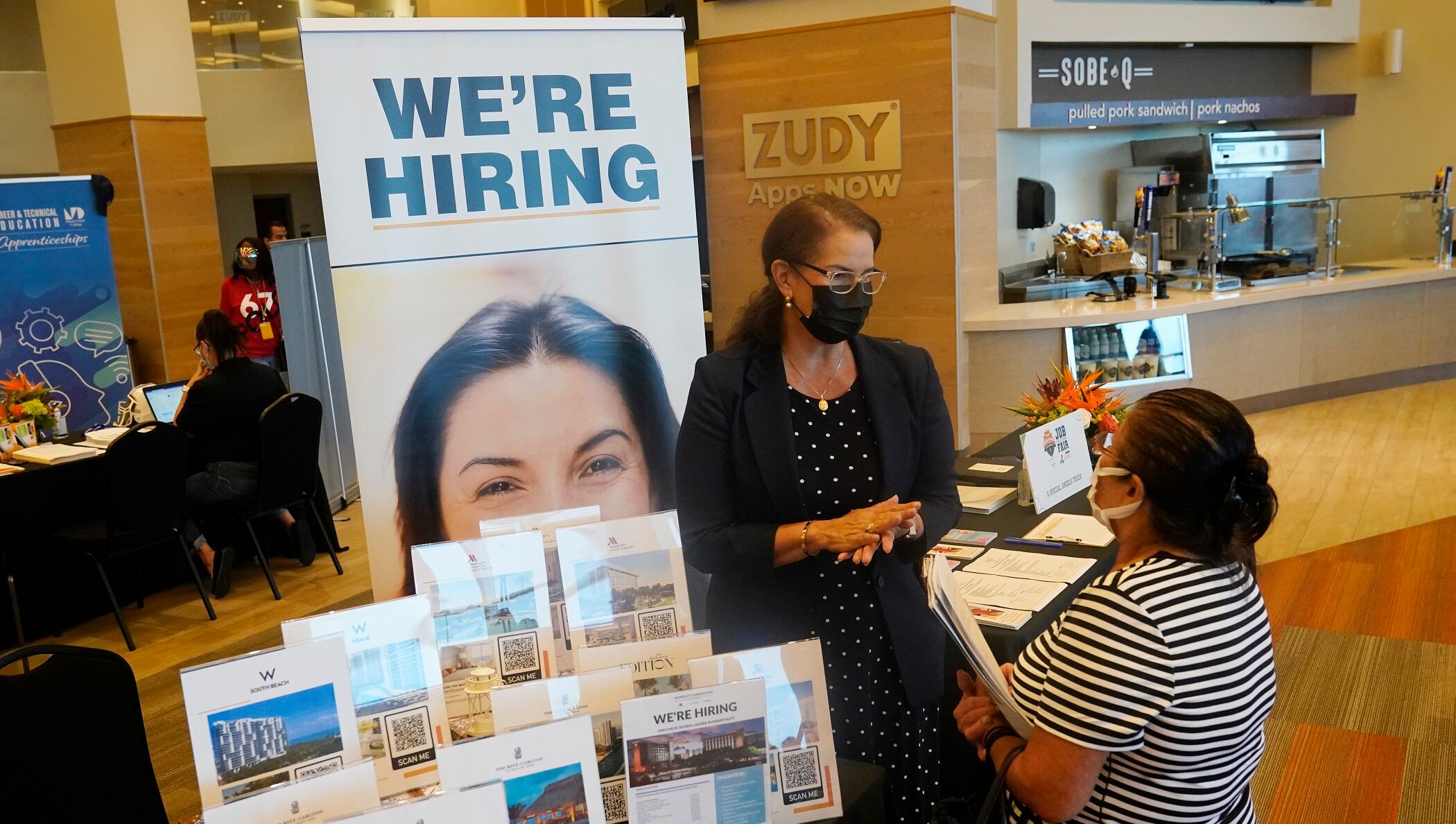
Applications for U.S. unemployment benefits rose last week, but remain near historically low levels, reflecting relatively few layoffs across the economy
As we celebrate Black History Month, Cheddar is highlighting prominent Black Americans who are carving their own historic paths and trailblazing in their fields. Today we feature activist Tamika Mallory.
As more and more states end mask mandates and ease other COVID restrictions, discussions about the endemic phase of the pandemic have been growing. For weeks, scientists have warned about how contagious the omicron variant is, but now it seems the tone has shifted and governors are rolling back policies they've had in place for months. Dr. Eric Feigl-Ding, epidemiologist and senior fellow at the Federation of American Scientists, joined Cheddar's Opening Bell to discuss what the next phase of the pandemic might look like, how to act now that mask mandates are ending, and if we should be worried about another variant emerging.
Jeff Powell, Managing Partner and Chief Investment Officer at Polaris Wealth Advisory Group, joins Cheddar News' Closing Bell, where he says the market was looking for - and received - a little bit of relief when it came to the geopolitical conflict between Russia and Ukraine.