The Trump administration announced plans Friday to speed up coronavirus testing, introducing an emergency hotline for companies and private laboratories developing quicker tests and seems on a path to a multi-billion-dollar federal plan with Congress amid reports the president will declare a national emergency later today.
"I hope he does it, it's the right thing to do, it will free up states and local communities to act more aggressively," Rep. Ami Bera (D-Calif. 7th District) told Cheddar on Friday.
The administration is catching up to warnings health officials have been making for weeks about the United States's lack of preparedness for what is now a pandemic. Bera, a physician himself, said the new measures will allow community health centers taking care of Medicaid patients to be reimbursed for telemedicine.
"If you can manage [sick patients] using technology, using telehealth, telemedicine and they can stay at home, that is actually a good thing, that will help slow the spread," he said.
Though telemedicine may help treat patients without potentially infecting those they come in contact with, a lack of test kits will impede physicians’ ability to track patients.
"What I’ve suggested to the administration is, look, if South Korea can do it, pick up the phone, call the Korean company that’s making these tests and see if you can’t just license those tests and get it sent over here if it’s taking so long for us to do it," he said.
While health workers attempt to slow the spread of the virus, politicians are still at work on a bill, which appeared to hit a roadblock today over disagreements about paid sick leave. House Speaker Nancy Pelosi and Treasury Secretary Steven Mnuchin have been negotiating the plan, which House Democrats are expected to vote on today.
"We're told that they're pretty close," Bera said. "Workers, families, those hourly wage folks, they're going to be hurt immediately. This is America, we don't let people fall down like that."
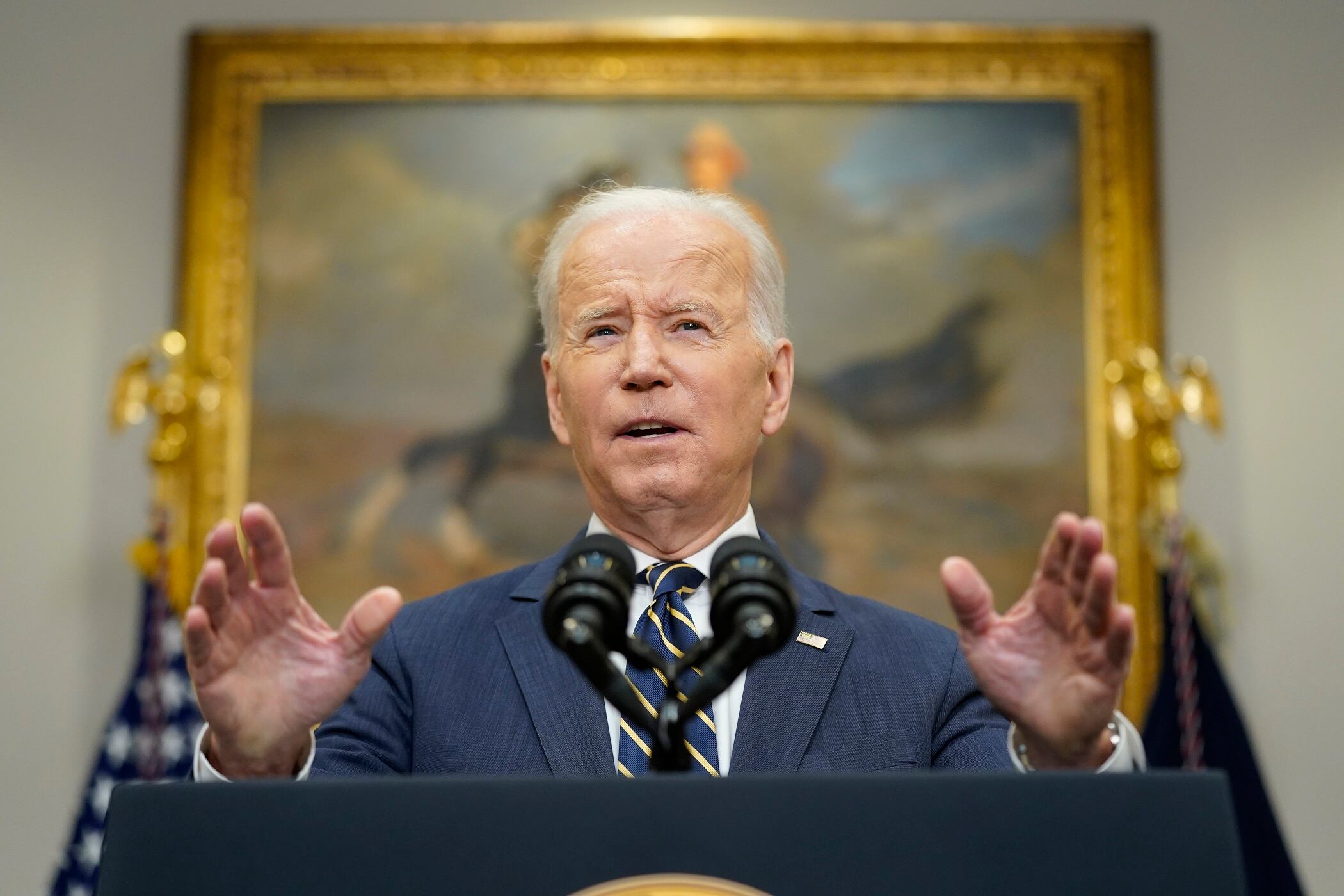
President Joe Biden announced Friday that along with the European Union and the Group of Seven countries, the U.S. will revoke “most favored nation” trade status for Russia over its invasion of Ukraine.
The consumer price index jumped 7.9 percent in February, marking a 40-year high for inflation in the U.S. This report comes less than a week ahead of the Fed's all important meeting. Kayla Bruun, Economic Analyst, Morning Consult, joined Cheddar's Opening Bell to discuss.
Markets opened lower amid hotter-than-expected inflation data, which surged to its highest level in nearly 40 years. Lisa Erickson, Senior Vice President and Co-Head, Public Markets Group, U.S. Bank joined Cheddar's Opening Bell to discuss the significance of this figure ahead of the Federal Reserve's FOMC meeting.
As the Russia-Ukraine war disrupts the global economy, sending markets on a roller coaster ride, gold remains hovering around $2,000 an ounce. Often seen as a safe haven in times of economic crisis, Jason Cozens, founder and CEO of gold-as-currency platform Glint Pay, joined Cheddar’s Opening Bell to discuss the latest gold rush, how the war is impacting prices, and how people can use Glint to trade in the precious metal. “You know the stock markets and cryptocurrencies are risky investments," he stated. "Whereas gold is just reliable money. It's no one else's liability if you own."
As Western sanctions weigh on Russia's economy, the country is at the risk of defaulting on its debt. Fitch ratings agency has downgraded Russia's debt for the second time in a week, warning a "sovereign default is imminent." Jesse Wheeler, Economic Analyst at Morning Consult, explains what that means, and how it could have ripple effects across the global economy.
Uber Lyft and Doordash are all set to spend $1 million dollars on a campaign and efforts to stop lawmakers from classifying their gig workers as employees. The campaign features TV and online ads highlighting Washington area workers who say they prefer the flexibility of being an independent contractor rather than following the model of a company employee. Professor at NYU. Stern School of Business and author of the sharing economy, Arun Sundararajan, joined Cheddar to discuss more.
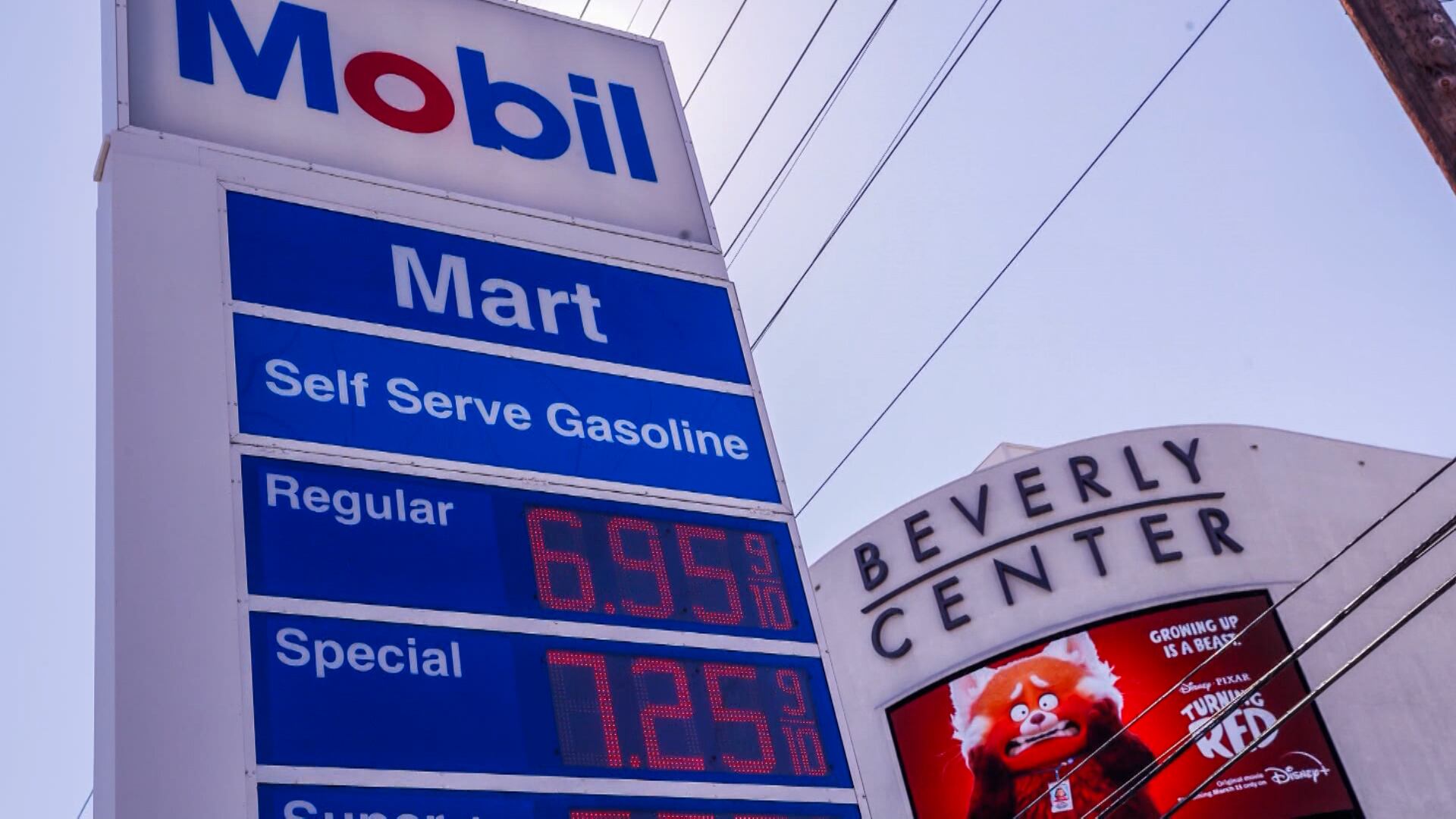
President Biden is looking at unlikely partners to buy oil, after banning all Russian energy imports. Among them is Venezuela, a regime that has been sanctioned by the U.S. since 2019. Ariel Cohen of the Atlantic Council explains to Cheddar News why that might not be a bad choice.