The Trump administration announced plans Friday to speed up coronavirus testing, introducing an emergency hotline for companies and private laboratories developing quicker tests and seems on a path to a multi-billion-dollar federal plan with Congress amid reports the president will declare a national emergency later today.
"I hope he does it, it's the right thing to do, it will free up states and local communities to act more aggressively," Rep. Ami Bera (D-Calif. 7th District) told Cheddar on Friday.
The administration is catching up to warnings health officials have been making for weeks about the United States's lack of preparedness for what is now a pandemic. Bera, a physician himself, said the new measures will allow community health centers taking care of Medicaid patients to be reimbursed for telemedicine.
"If you can manage [sick patients] using technology, using telehealth, telemedicine and they can stay at home, that is actually a good thing, that will help slow the spread," he said.
Though telemedicine may help treat patients without potentially infecting those they come in contact with, a lack of test kits will impede physicians’ ability to track patients.
"What I’ve suggested to the administration is, look, if South Korea can do it, pick up the phone, call the Korean company that’s making these tests and see if you can’t just license those tests and get it sent over here if it’s taking so long for us to do it," he said.
While health workers attempt to slow the spread of the virus, politicians are still at work on a bill, which appeared to hit a roadblock today over disagreements about paid sick leave. House Speaker Nancy Pelosi and Treasury Secretary Steven Mnuchin have been negotiating the plan, which House Democrats are expected to vote on today.
"We're told that they're pretty close," Bera said. "Workers, families, those hourly wage folks, they're going to be hurt immediately. This is America, we don't let people fall down like that."
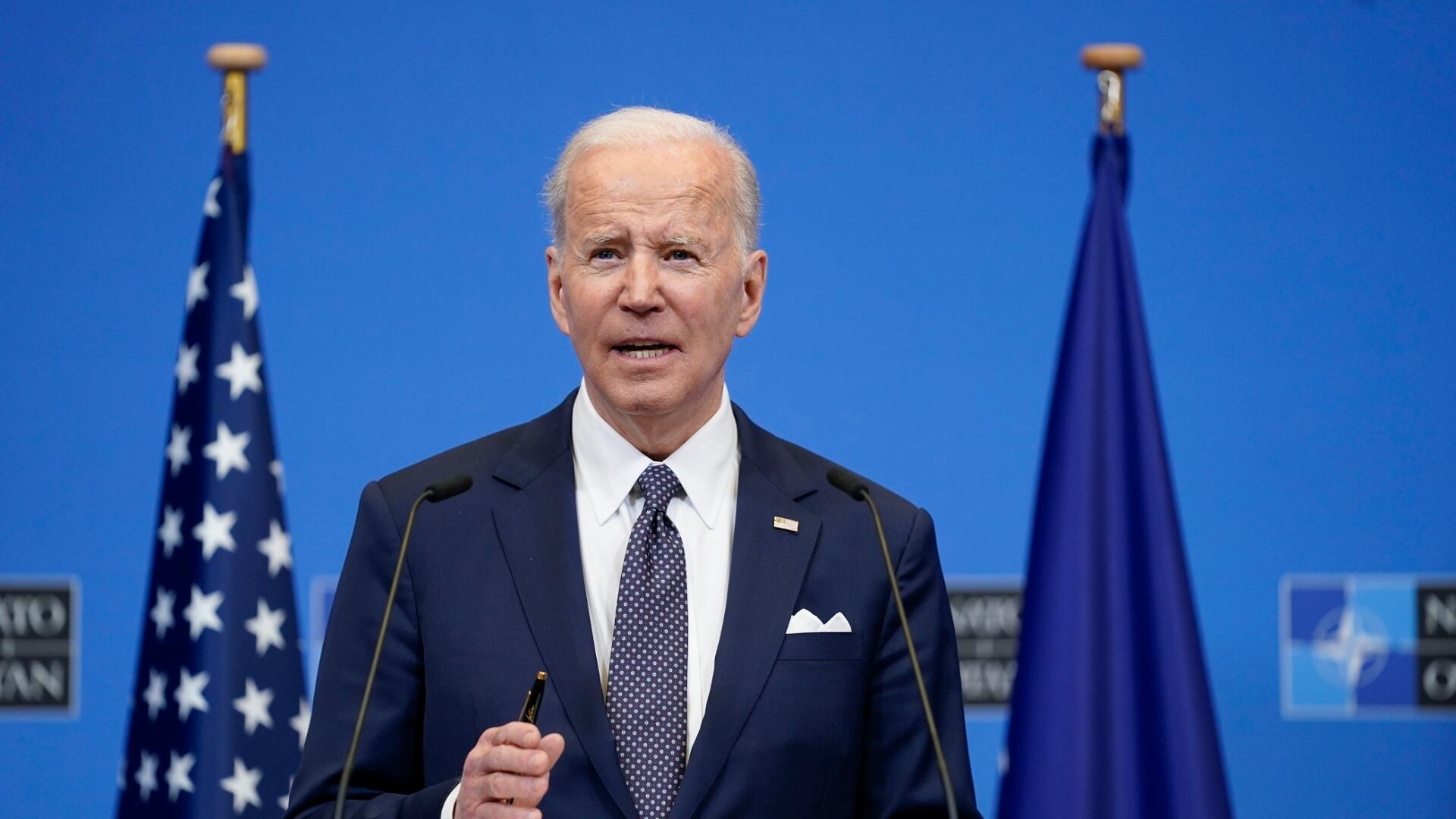
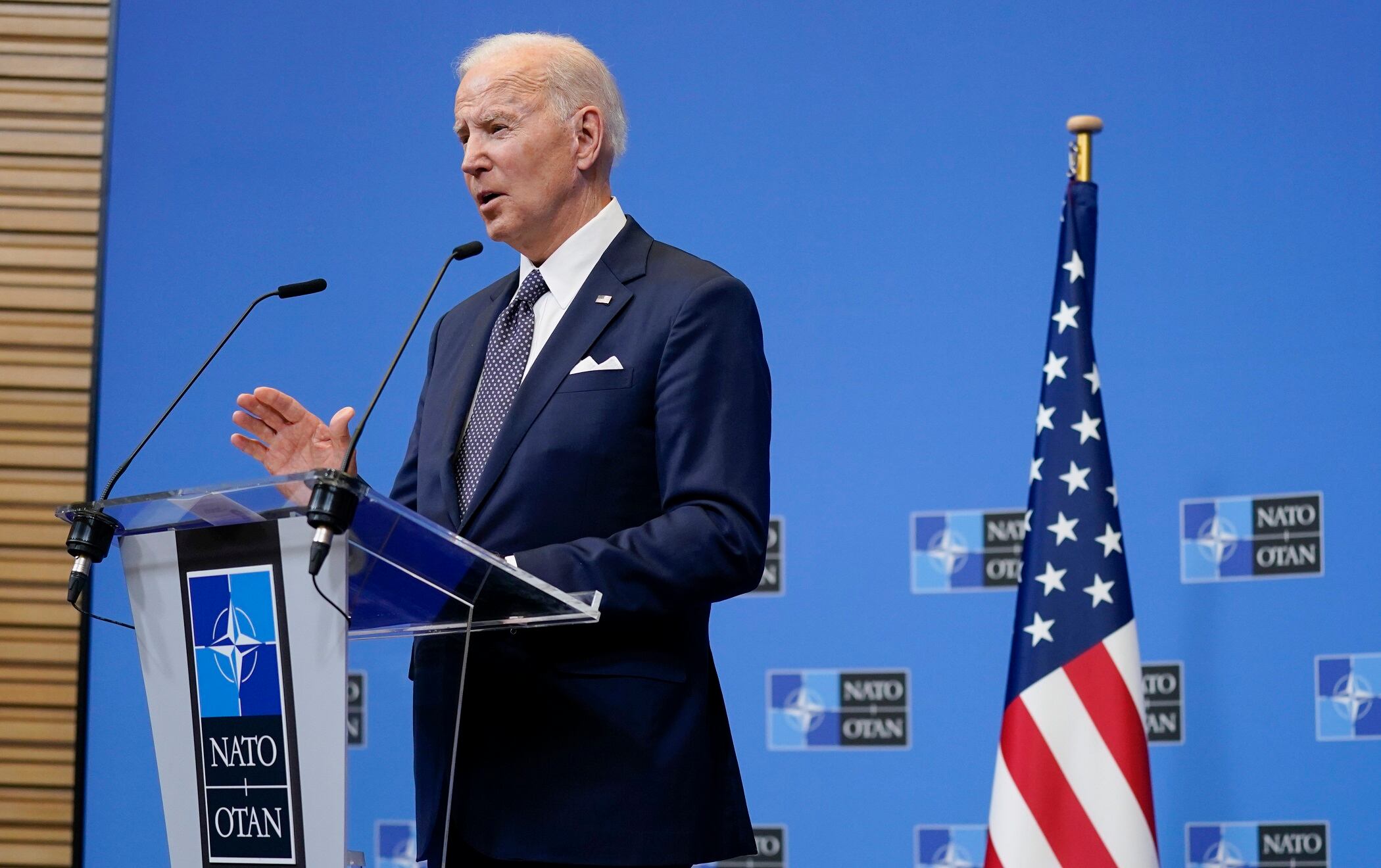
As President Biden travels to Europe this week amid Russia's ongoing invasion of its neighbor Ukraine, former Obama campaign foreign policy advisor and former Bush administration State Department official David Tafuri, joined Cheddar News to discuss the president's stop in Brussels, Belgium, to coordinate with NATO leaders efforts to dissuade Russian President Putin's war. "The maintenance of sanctions and increasingly ratcheting up the sanctions is what he thinks will cause a country like Russia to back off," Tafuri said of Biden. "And so he's committed to that strategy."
John Logan, Director of Labor and Employment Studies at San Francisco State University, joined Cheddar News to discuss the growing unionization push by employees at Starbucks and Amazon, and the wider implications of employee organization at these big companies.
Cheddar's Arielle Hixson sat down with five Black women making history as part of the Biden administration's communications team. Karine Jean-Pierre, the principal deputy press secretary; Khanya Brann, the chief of staff to Kate Bedingfield; Amanda Finney, the chief of staff to Jen Psaki; Erica Loewe, the director of African American media; and Rykia Dorsey, the senior regional communications director, shared their stories.
President Biden has embarked on a crucial trip to meet with allies in Belgium and Poland to discuss new sanctions on Russia as it continues to wage war on Ukraine. The president will seek to address the growing humanitarian crisis out of Ukraine, demonstrate a united Western front against Russia, and reassure Ukraine that it has support from the U.S. Joel Rubin, Former Deputy Assistant Secretary of State & President of the Washington Strategy Group, breaks down what to expect from the President's crucial visit to Europe.
Catching you up on what you need to know Mar 24, 2022, with NATO meeting updates, Ukraine retaking suburbs around Kyiv, the spread of omicron subvariant BA.2 in China, Google Pay launching a third-party billing option, and a 16-year-old is suspected of being the Lapsus$ mastermind behind hacks of Microsoft and others.
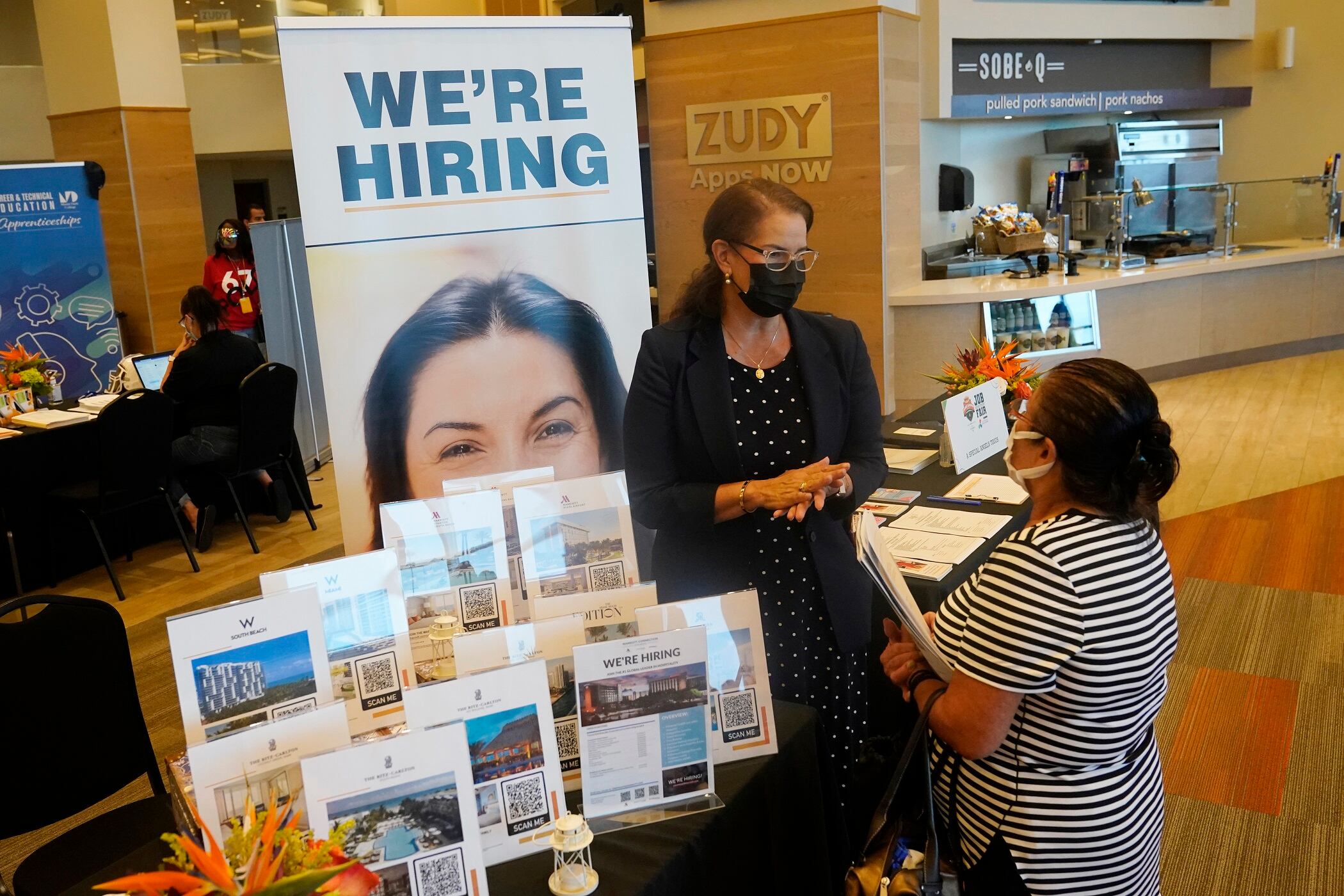
The number of Americans applying for unemployment benefits last week fell to its lowest level in 52 years as the U.S. job market continues to show strength in the midst of rising costs and an ongoing virus pandemic.
Alicia Garza joined Cheddar News to talk about the Black Futures Lab where serves as founder and principal. The non-profit organization seeks to develop grassroots power in the Black community with projects like the Black Census, which takes into account the granular experiences of the demographic. "What we know about Black folks and the reason that we decided to focus on black communities again, it's because we're being left out and left behind their stories being told about us without our input and without our shaping," she said. "If we want a robust democracy in this country, we have to change that equation." Garza also touched on issues around voter suppression and the midterm elections.
Sean O'Hara, President of Pacer ETF's, explains why investors who were down after Jerome Powell's remarks on inflation Monday were more optimistic on Tuesday as the major indexes ended the day near session highs.