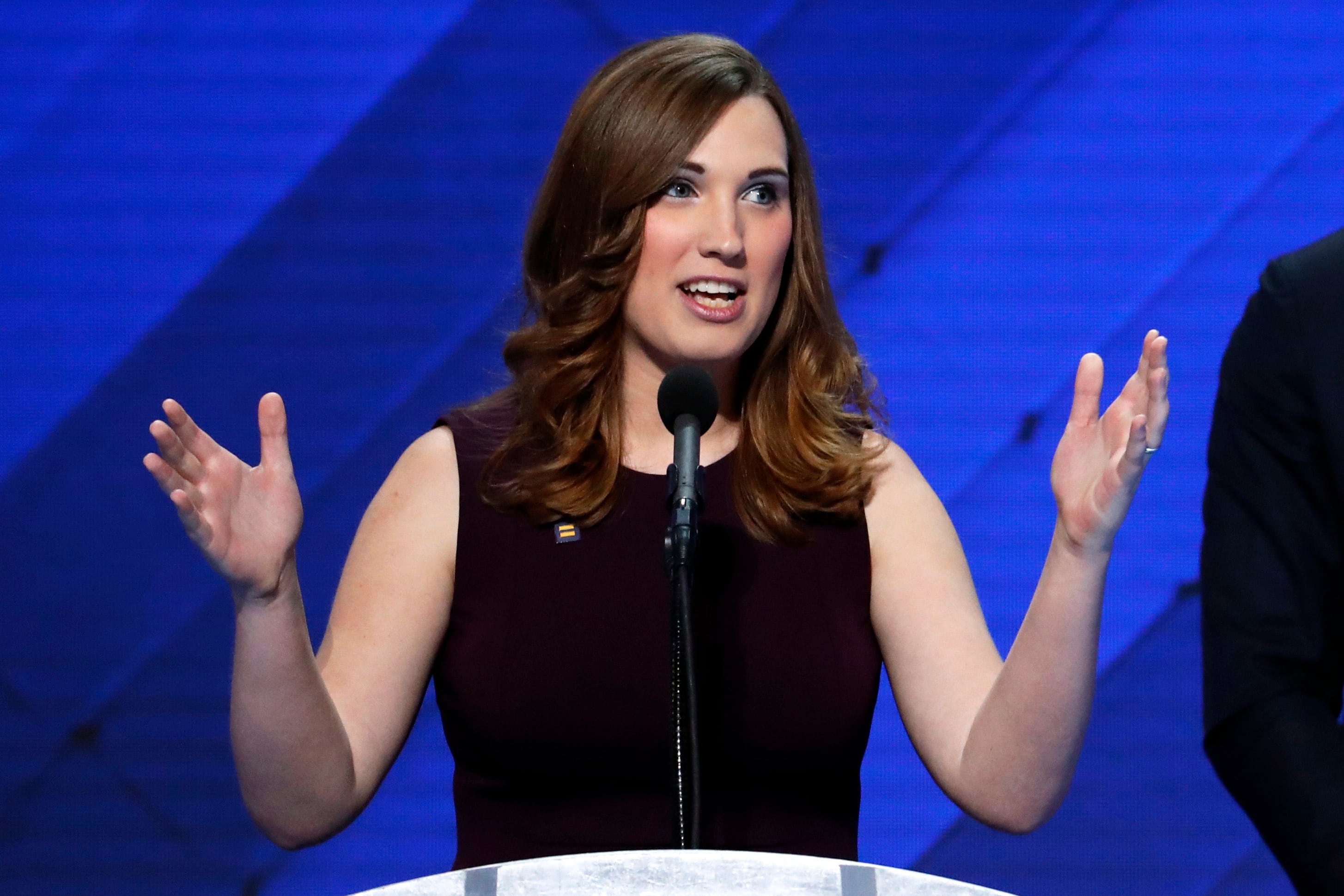
Delaware state Sen. Sarah McBride announced Monday she's running for the U.S. House of Representatives. Already the first openly transgender state senator elected in the country, she'd be the first transgender member of Congress if she wins in November.
In a video posted to social media, McBride, a Democrat, said people deserve a representative “who sees them and who respects them.” Her announcement also highlighted her support for paid family leave, which passed the state Senate last year.
“This law is a good start, but government should do more to make it easier for people to raise a family,” she said. “So I'm running for Congress.”
McBride was elected in 2020 in a heavily Democratic district stretching from northern Wilmington to the Pennsylvania border. There are several other transgender legislators around the country but she's the first trans member of any state Senate.
McBride interned at the White House under former President Barack Obama and made history at the 2016 Democratic National Convention as the first openly trans person to speak at a major party convention.
McBride has long-standing ties to Delaware’s best-known political family. She worked on the late Beau Biden’s campaigns for state attorney general, and Beau’s father, President Joe Biden, wrote the foreword to her memoir. She also worked on the campaign of former Gov. Jack Markell.
She succeeded fellow Democrat Harris McDowell, who held the Senate seat since 1976 and endorsed McBride’s candidacy.
McBride’s campaign generated interest and money from around the country, bringing in more than $270,000 in donations as of early October 2020, eclipsing fundraising totals even for candidates for statewide office in Delaware.
A former student body president at American University, McBride started in politics as a volunteer for Matt Denn, former legal counsel to Delaware’s governor, during his successful 2004 campaign for insurance commissioner. Denn, who later served as lieutenant governor and attorney general, worked with McBride’s father at a Wilmington law firm known for its close ties to the Democratic Party establishment.
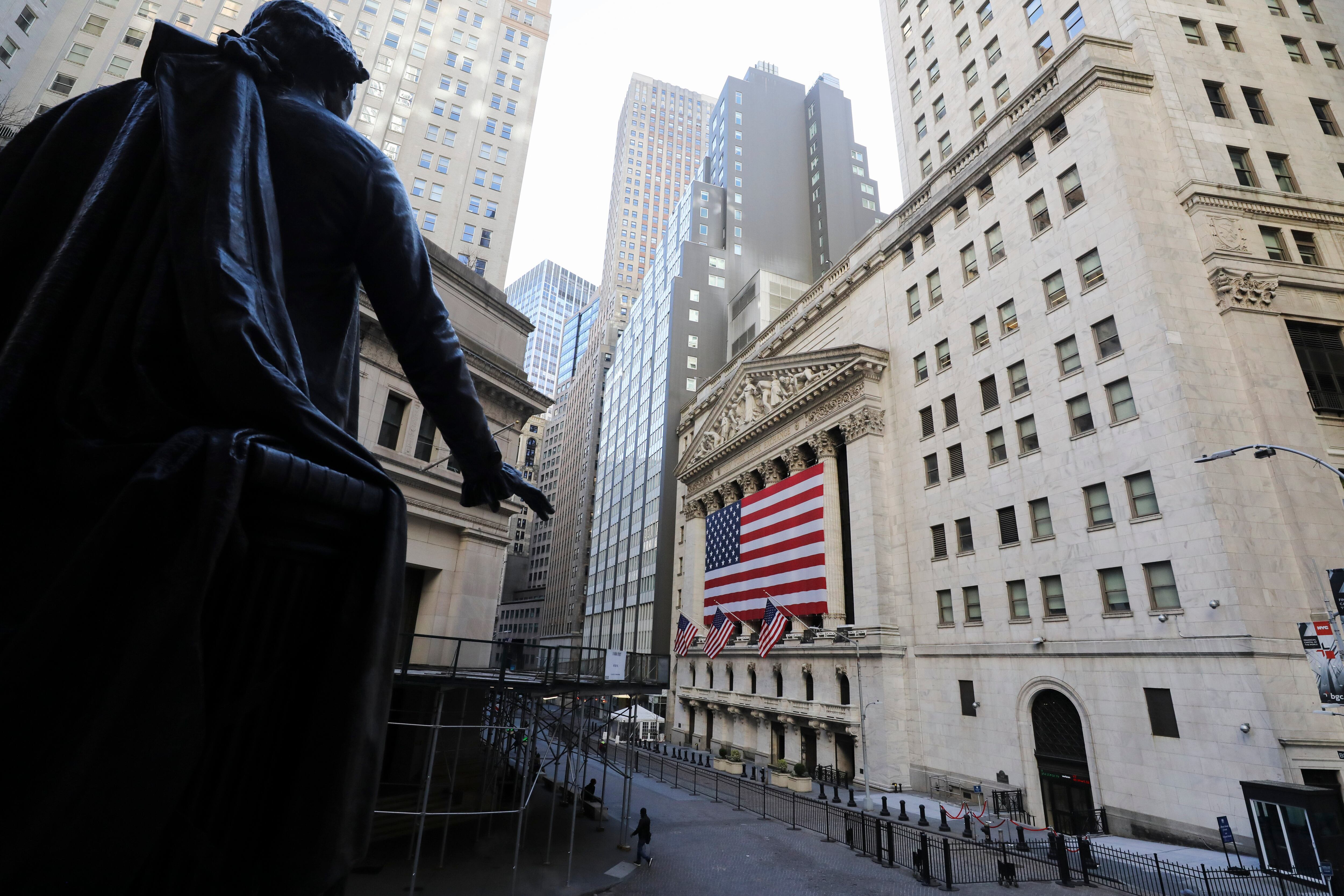
Stocks are inching higher on Wall Street Monday in more volatile trading as investors try to assess whether global authorities can do enough to nurse the economy through the damage caused by the coronavirus outbreak.
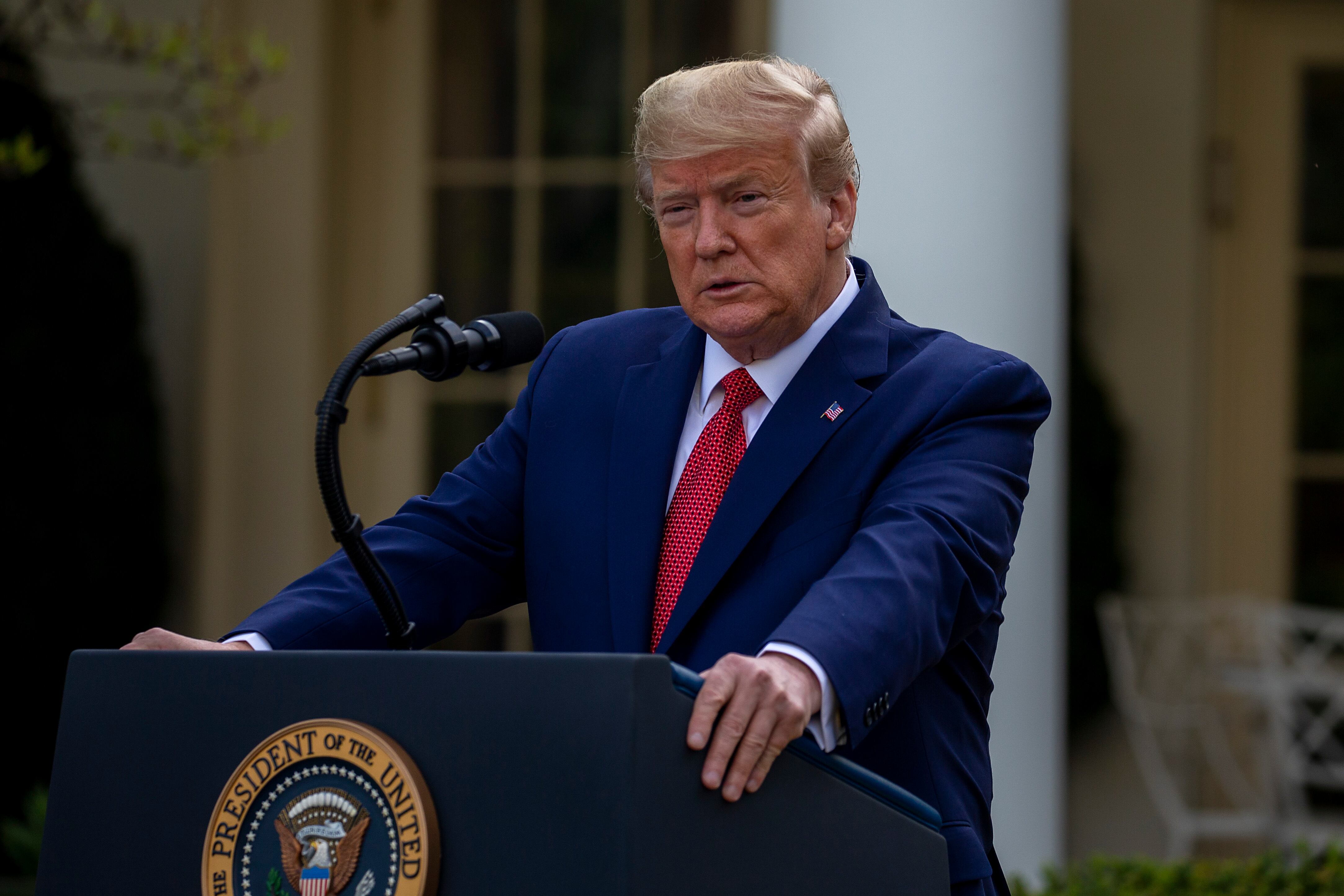
Bracing the nation for a coronavirus death toll that could exceed 100,000 people, President Donald Trump extended restrictive social distancing guidelines through April, bowing to public health experts who presented him with even more dire projections for the expanding coronavirus pandemic.
Trump said that the order will “require General Motors to accept, perform, and prioritize Federal contracts for ventilators." In a statement, he said the contracting process with the automaker was not moving quickly enough.
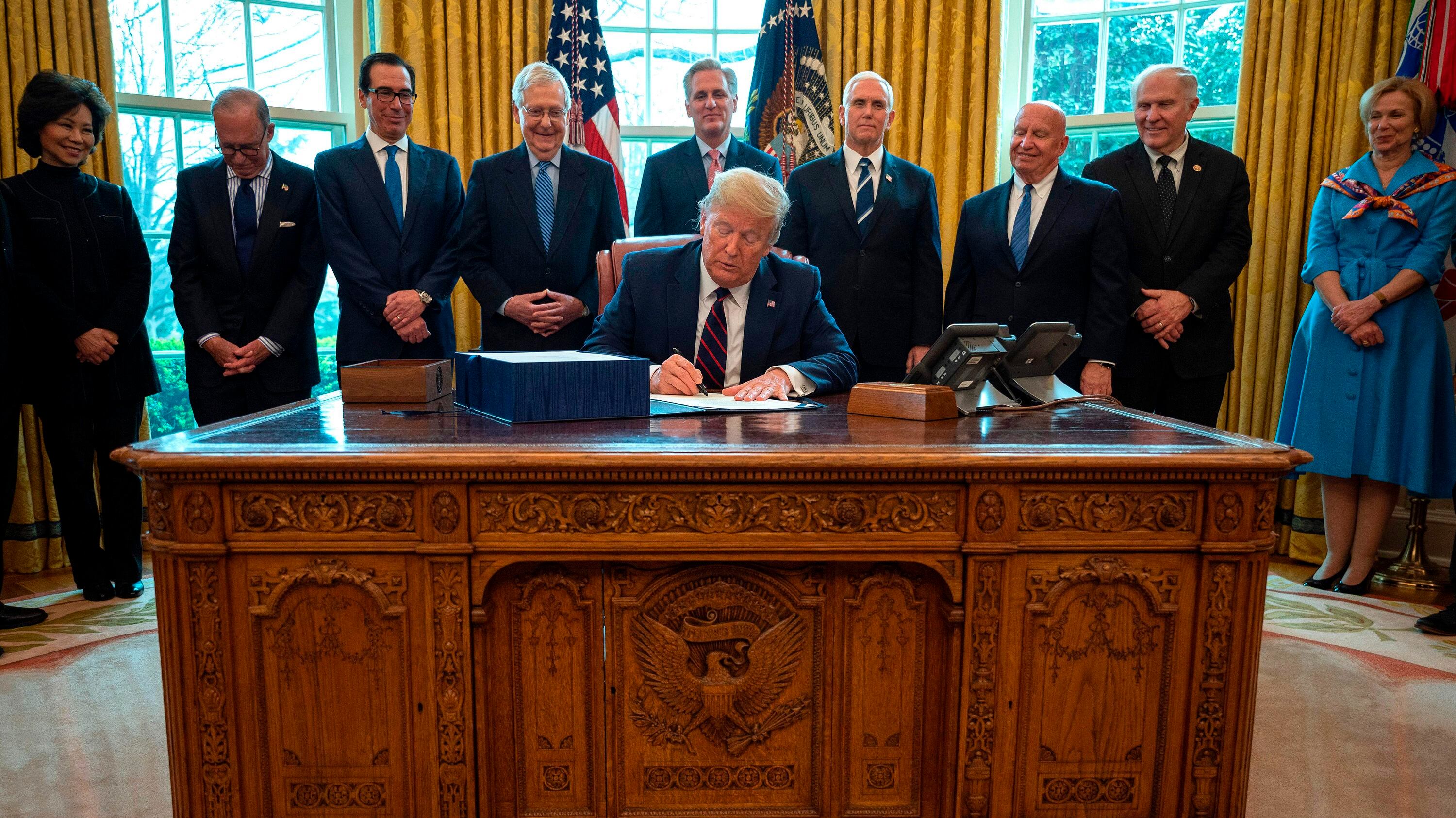
President Donald Trump has signed an unprecedented $2.2 trillion economic rescue package into law, after swift and near-unanimous action by Congress this week.
From Wall Street to Silicon Valley, these are the top stories that moved markets and had investors, business leaders, and entrepreneurs talking this week on Cheddar.
Stocks are moving lower on Wall Street as the market gives back some of the gains it piled up over the past three days. Major indexes are down more than 2% in afternoon trading Friday.
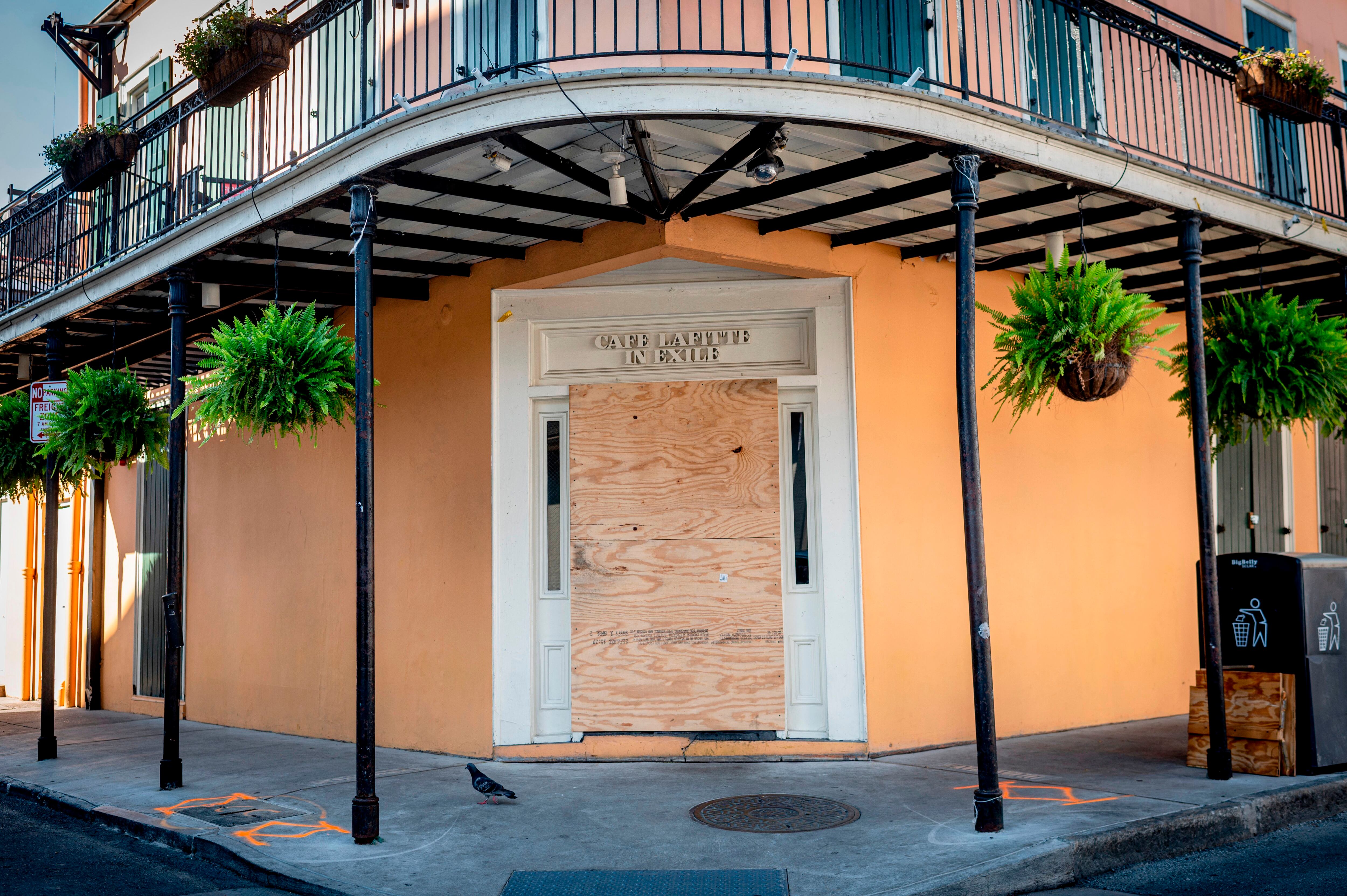
Restaurants are getting creative with private solutions as they hope to continue doing business, even while most of them are physically closed to the public, but the potential for saving most of these businesses may be a long shot.
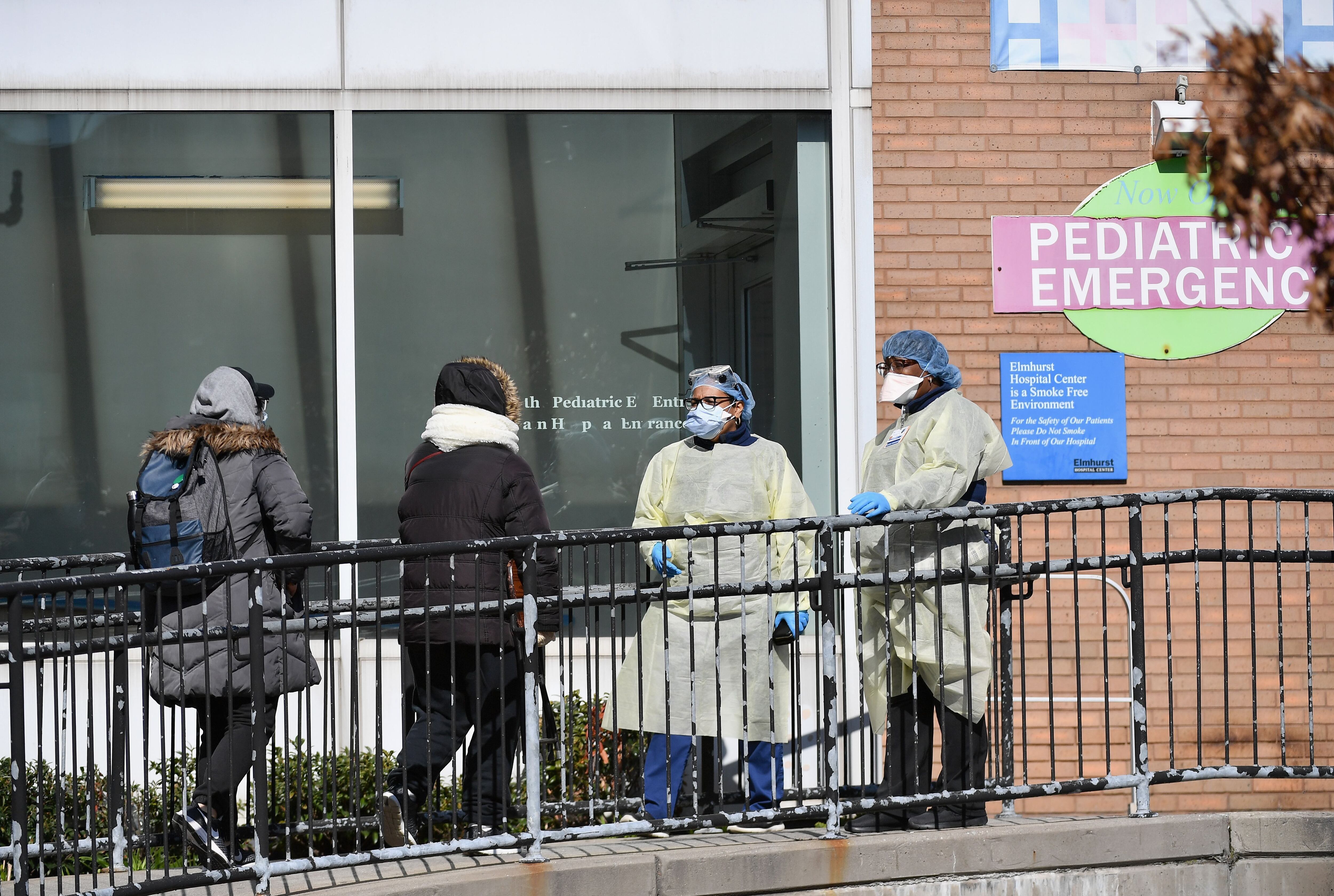
Healthcare workers have launched their own campaigns for gathering personal protective equipment as they fight the coronavirus on the frontlines, with #GetUsPPE trending across social media.
The House of Representatives overwhelmingly passed the $2.2 trillion coronavirus aid package Friday afternoon, but what was expected to be a smooth confirmation process devolved into a mad dash in the Capitol after one of the House’s own threatened to derail the vote with a procedural objection.
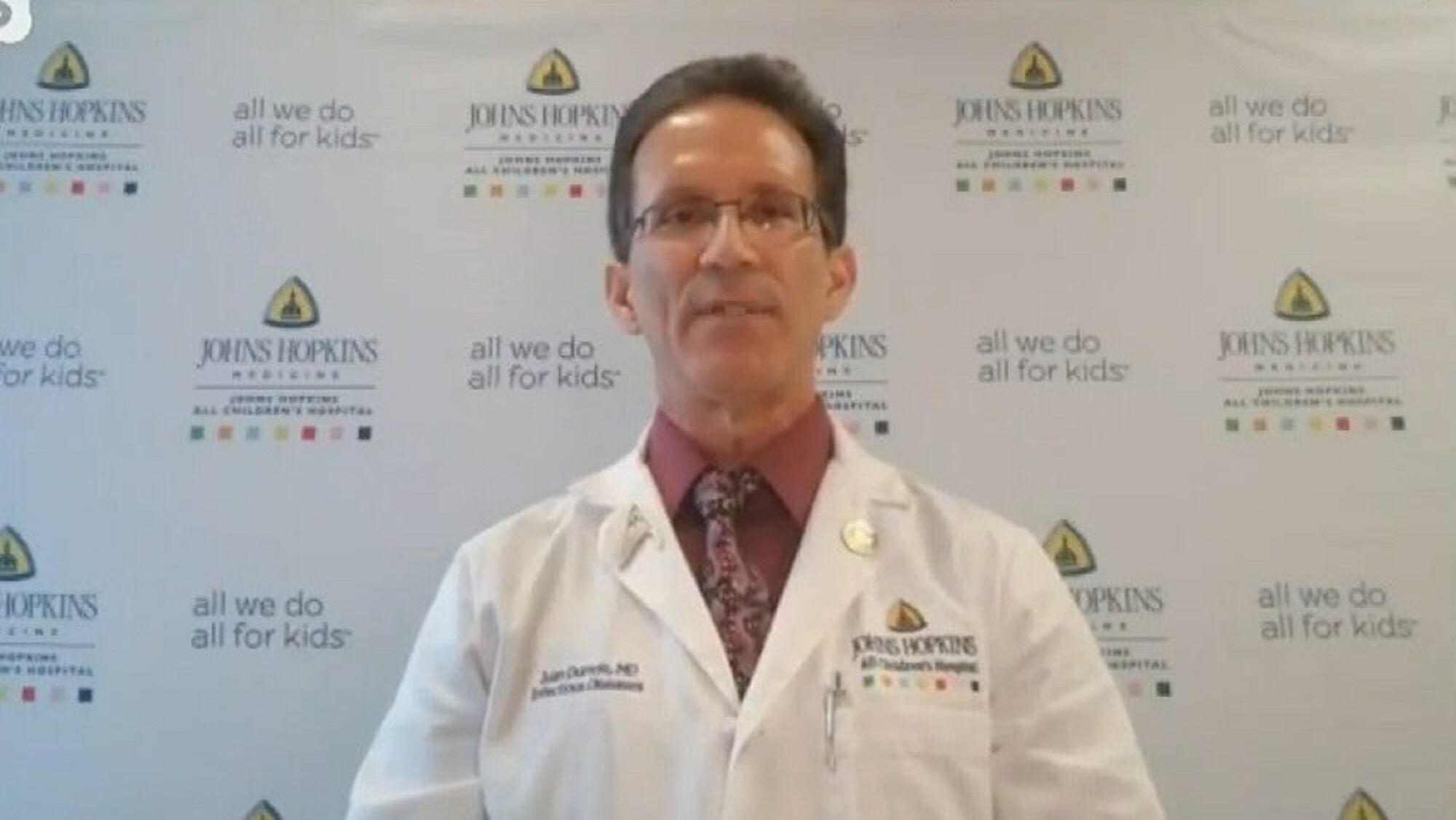
Despite President Donald Trump’s call to put the economy back to work by Easter, one Johns Hopkins physician says there may have to be “variability” in when states and cities restart their economies.