What's the opposite of inflation? Deflation, and that's exactly what happened in December, according to the latest consumer price index (CPI). Prices fell 0.1 percent last month, bringing the year-over-year rate to 6.5 percent, down from a peak of 9.1 percent last June.
Here are the highlights:
Energy contributed the biggest share to the decline, with prices falling 4.5 percent. Under that category, fuel oil saw the biggest drop, falling 16.6 percent.
After energy, automobiles saw the most deflation in December. The price of new vehicles fell 0.1 percent, and the price of used vehicles fell 2.5 percent.
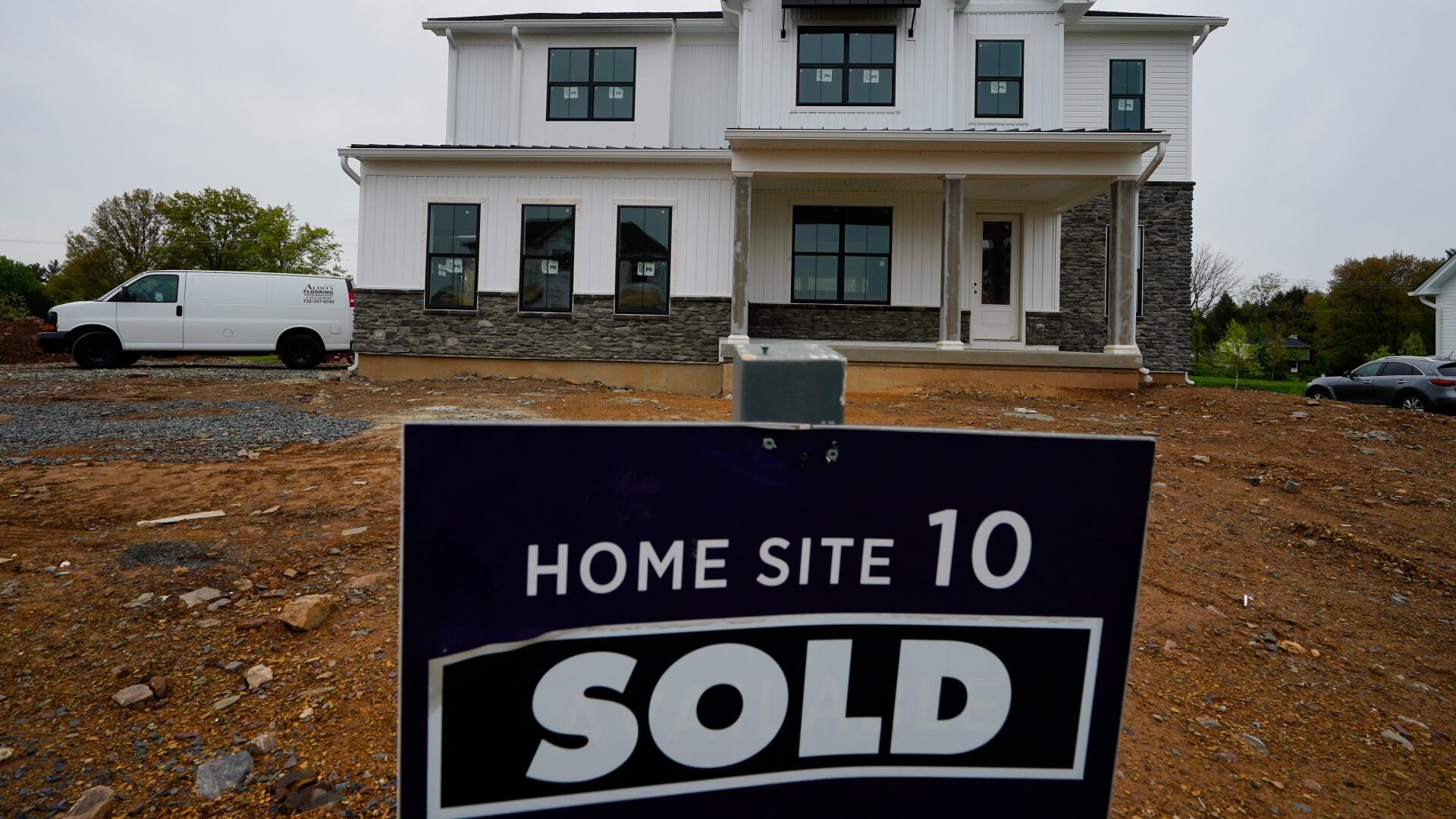
Food prices, meanwhile, ticked up 0.3 percent. That's the smallest increase in the last six months. Shelter costs also jumped a sizable 0.8 percent, up from 0.6 percent in November.
The report comes as a debate rages over whether the U.S. economy can achieve a so-called landing after several large rate hikes from the Federal Reserve. While the central bank has signaled moderation, any shift in the inflation narrative could change its tone.
Markets expected and had priced in the CPI drop, however, so it's possible stocks won't move drastically in response to the data. Futures rose slightly after the release.
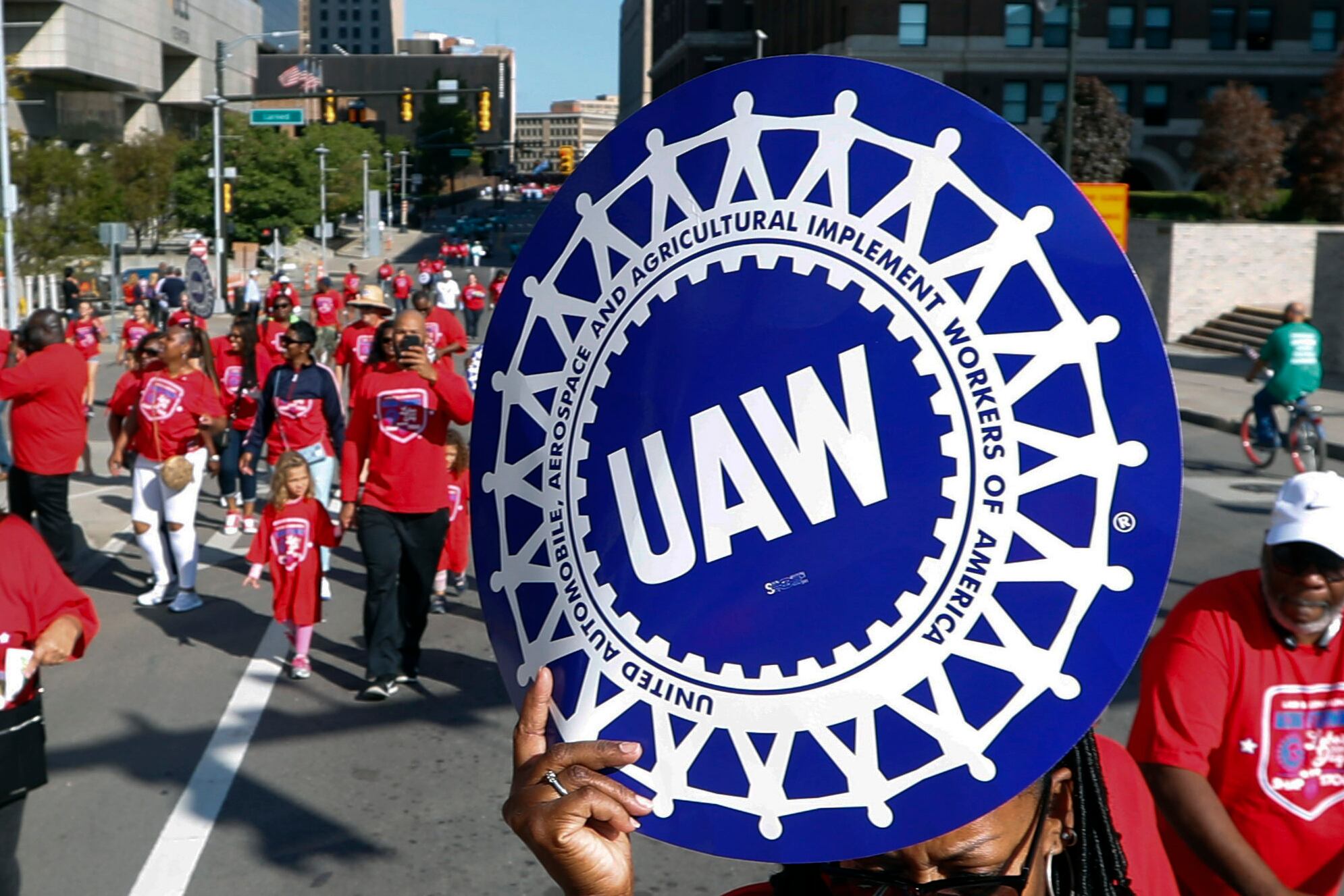
UAW president Shawn Fain said the union would strike at a small number of Ford, General Motors and Stellantis factories, but that if the Big Three "continue to give us insulting offers, then our strike is going to continue to grow."
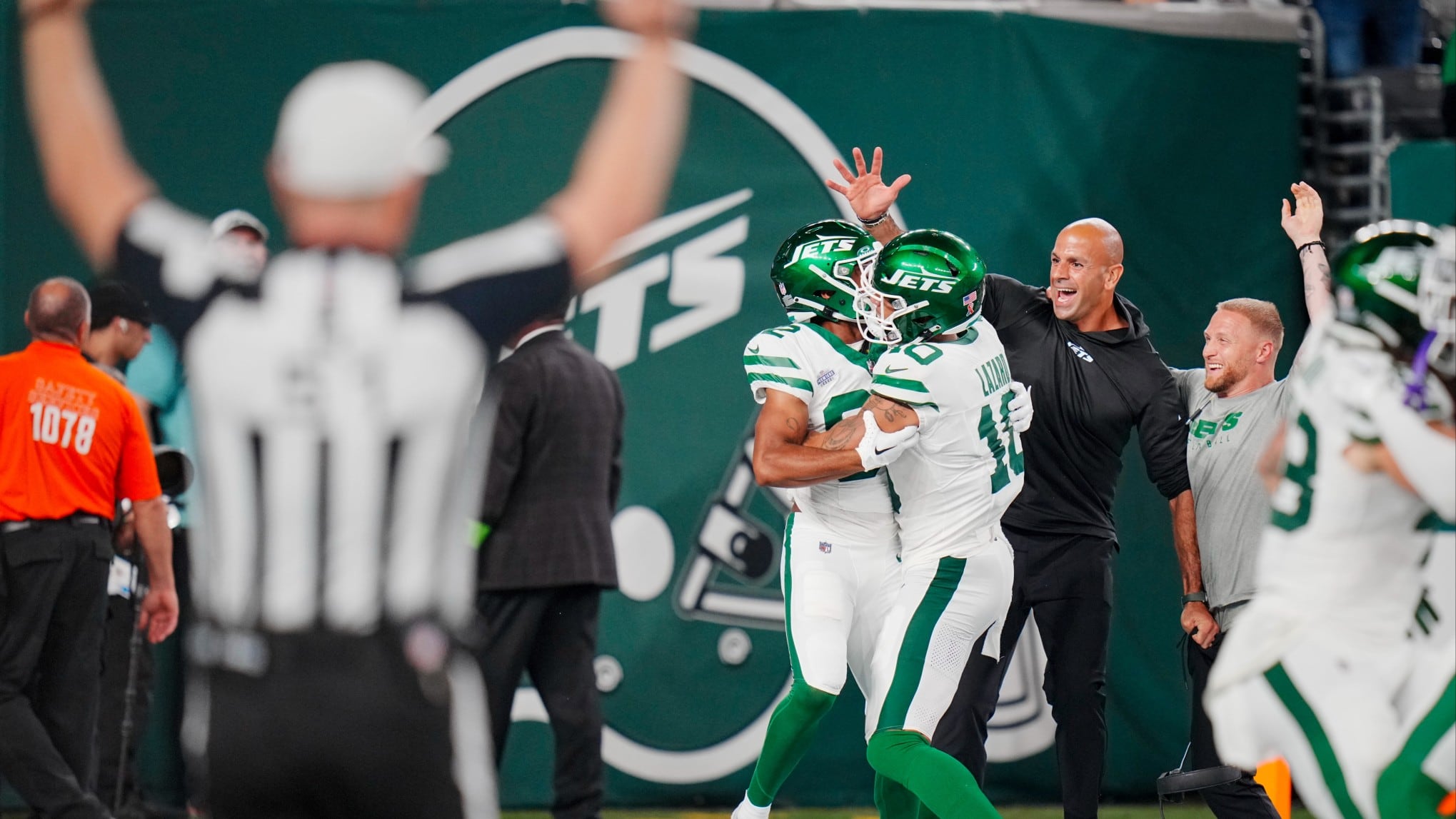
Hundreds of Milwaukee bar patrons who hoped to score free drinks through its offer to pay their tabs whenever the New York Jets, and former Green Bay Packers quarterback Aaron Rodgers, lose had to pay up after the Jets got an overtime win despite an injury that took Rodgers out of the game.
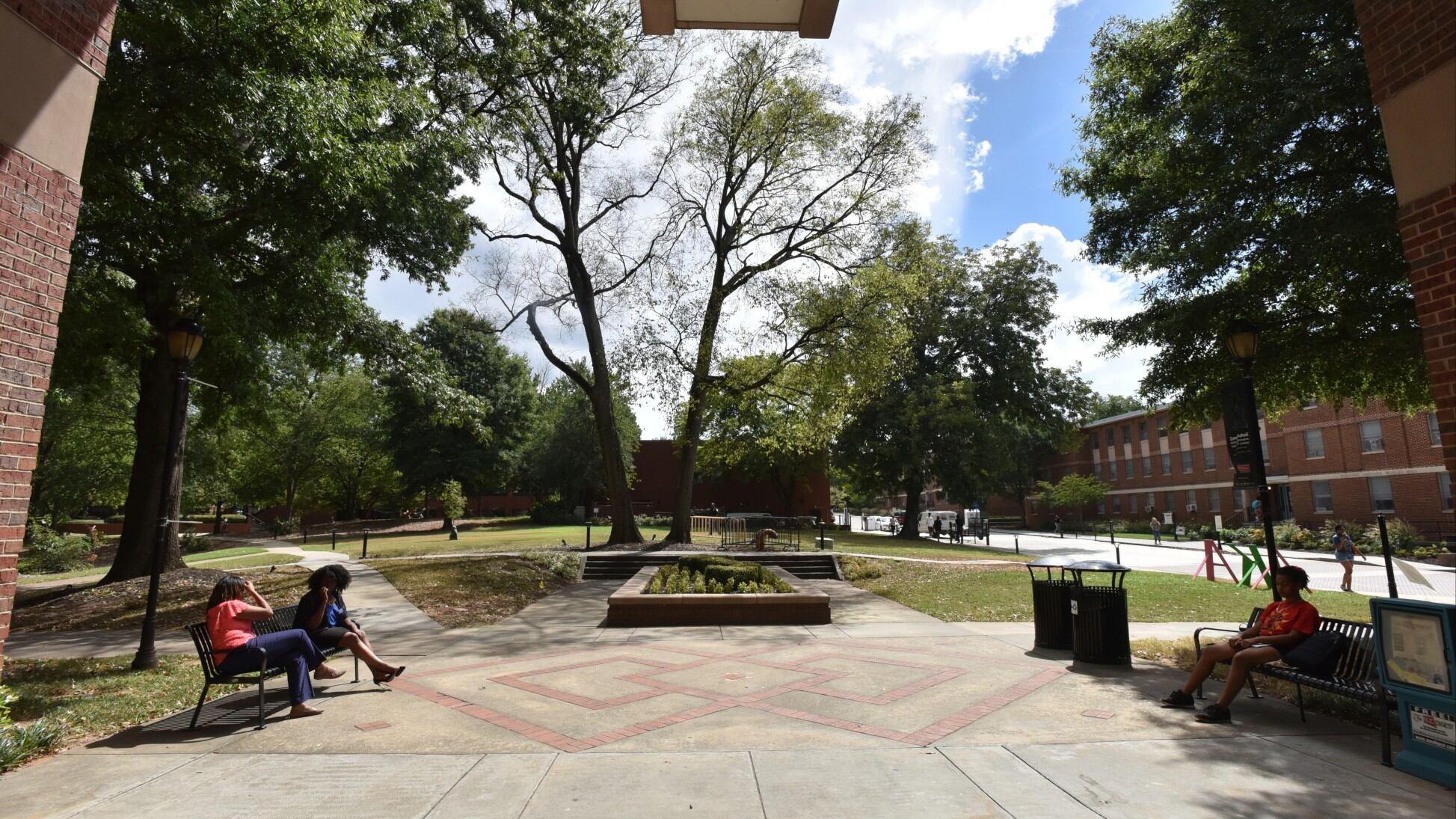
The HBCU Transformation Project, a coalition of 40 historically Black colleges and universities, on Wednesday announced a $124 million gift from philanthropic funders Blue Meridian Partners to increase enrollment, graduation rates and employment rates for the schools' graduates.