What's the opposite of inflation? Deflation, and that's exactly what happened in December, according to the latest consumer price index (CPI). Prices fell 0.1 percent last month, bringing the year-over-year rate to 6.5 percent, down from a peak of 9.1 percent last June.
Here are the highlights:
Energy contributed the biggest share to the decline, with prices falling 4.5 percent. Under that category, fuel oil saw the biggest drop, falling 16.6 percent.
After energy, automobiles saw the most deflation in December. The price of new vehicles fell 0.1 percent, and the price of used vehicles fell 2.5 percent.
Food prices, meanwhile, ticked up 0.3 percent. That's the smallest increase in the last six months. Shelter costs also jumped a sizable 0.8 percent, up from 0.6 percent in November.
The report comes as a debate rages over whether the U.S. economy can achieve a so-called landing after several large rate hikes from the Federal Reserve. While the central bank has signaled moderation, any shift in the inflation narrative could change its tone.
Markets expected and had priced in the CPI drop, however, so it's possible stocks won't move drastically in response to the data. Futures rose slightly after the release.
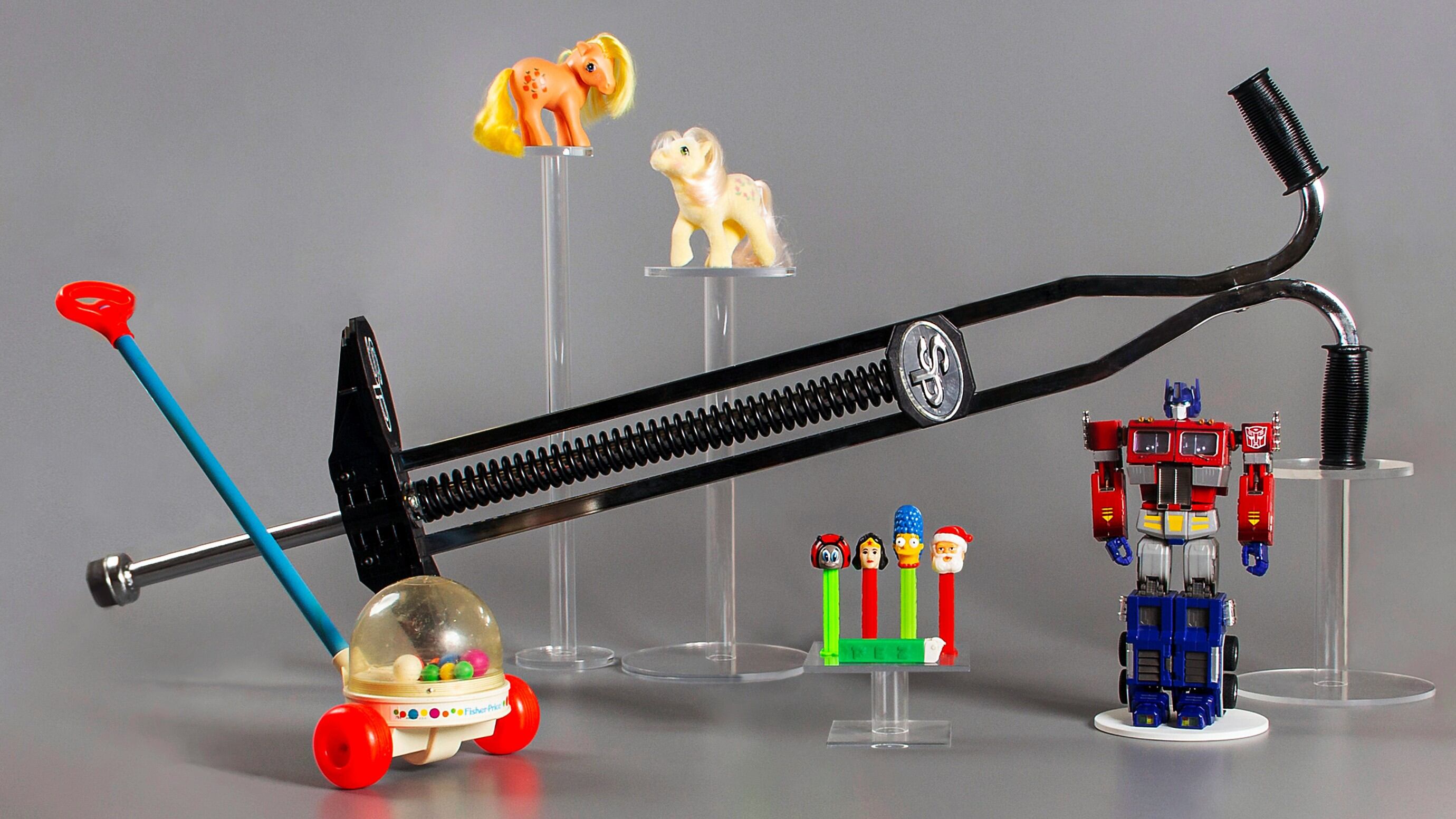
They are playfully called the “forgotten five”: A handful of toys — the pogo stick, the Fisher-Price Corn Popper, My Little Pony, PEZ dispensers, and Transformers — that regularly approach toybox royalty as finalists for the National Toy Hall of Fame, only to be tossed back on the pile.
Rite Aid’s plan to close more stores as part of its bankruptcy process could hurt access to medicine and care, particularly in some majority Black and Hispanic neighborhoods and in rural areas, experts say.
Taylor Swift's concert tour has dominated the box office in recent days and it's also the top-grossing concert film of all time here in the U.S. But a conversation on social media raised questions about movie etiquette and videos shared show film audiences singing, shining their phone flashlights and dancing in the aisles.
Stocks fell at the open Tuesday as the 10-year Treasury yield spiked following retail sales data and bank earnings, raising concerns over more rate hikes. Investors are also keeping an eye on tensions in the Middle East and its potential effect on global markets.