As California Fires Rage, Experts Point to Climate Change
*By Carlo Versano*
Two new wildfires broke out in Southern California's Ventura County on Monday, as firefighters strained their resources to contain the three blazes already rampaging across the state. In Northern California, the Camp Fire is now the deadliest in the state's history, with at least 31 dead.
Outside Los Angeles, the Woolsey Fire has killed at least two and forced mass evacuations of some of the wealthiest zip codes in the country, including the celebrity haven of Malibu.
Cheddar's Alyssa July Smith reported from Santa Monica that the picturesque Pacific Coast Highway was closed to non-essential services going into Malibu. The cars allowed to pass on the PCH from the north were stained by soot and ash.
If the superlatives from this year's fire season sound familiar ー historic, deadliest, once-in-a-generation ー it's because they are. Of the most catastrophic fires in California's modern history, nine of 10 occurred after 2000, according to Popular Science senior editor Sophie Bushwick.
And while no fire can be blamed on any sole factor, climate change is unquestionably making wildfires worse and more frequent, Bushwick said ー by way of drier land and warmer temperatures which, when combined with the accelerant of the famed Santa Ana winds blowing through the mountain passes, creates a tinder-box effect.
"Global warming is making conditions ripe for \[fires\]," Bushwick said. "Ignoring it is just fool-hardy."
In California, the situation is made worse by a growing population that's building homes and infrastructure closer and closer to the state's parched forests. The town of Paradise, which was more or less burned off the map by the Camp Fire, was built shoehorned into a canyon pass ー with one way in and one way out. That proved to be a death sentence for some of its residents, who tried to flee the fast-moving fire on the single road. Firefighters found at least seven bodies burned beyond recognition still in their cars, according to media reports.
Bushwick considers it parallel to hurricane victims in low-lying, flood-prone areas: in other words, people living where nature says they shouldn't.
"Where people choose to build their homes can make a natural disaster more of a disaster."
On this episode of Cheddar Innovates: Vision Marine Technologies CEO discusses how e-boats will play a role in the fight against the climate crisis; Lasso CEO breaks down how the design behind these compression socks can prevent injuries and improve performance; Cheddar gets a look at Curiosity Stream's 'The Tombs Of Egypt.'
Catriona Campbell, CTIO, UK and Ireland, EY, joins Cheddar News to discuss how business leaders can bridge the gap between their technology investments and their aspirations, and breaks down the human aspects of A.I.
Tens of thousands of people have fled Ukraine in attempts to escape the Russian Invasion. According to the U.N. neighboring countries like Poland, Hungary, and even Romania have seen half a million refugees. While the hospitality is being welcomed by many, it also highlights the mistreatment of migrants and refugees from the Middle East and Africa. Professor of Philosophy and Director of Politics at Northeastern University Serena Parekh, joined Cheddar, to discuss more.
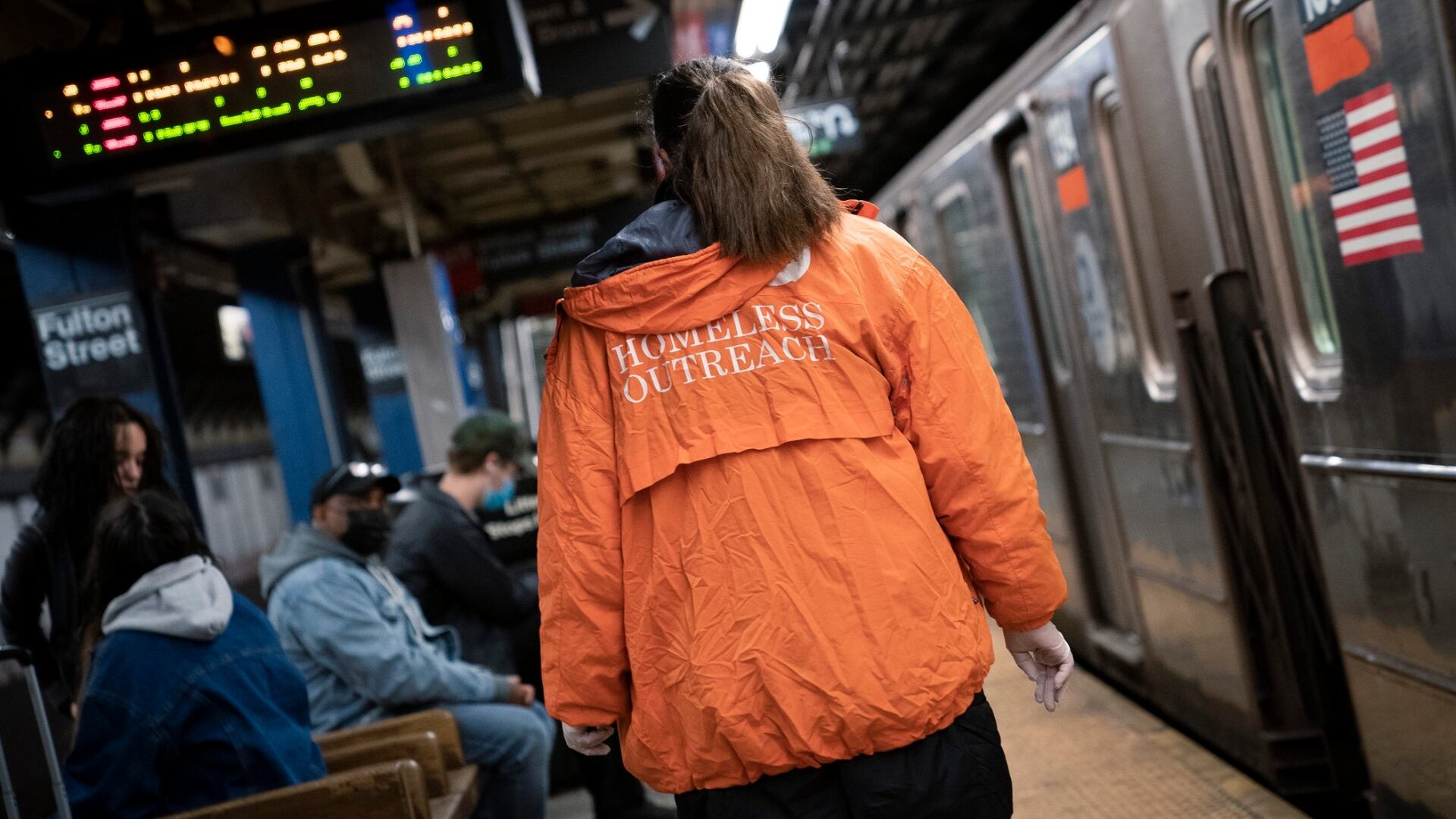
New York's MTA unveiled a new plan to boost the safety for the Big Apple's public transit system to go into effect on the heels of a violent weekend on the subways. The six separate attacks follow a rise of 60 percent in violent subway crimes year to date. The plan will attempt to address the surge in violence, as well as separately offer services to the homeless found within the system, according to the transportation authority. Cheddar's Chloe Aiello explains.
On this episode of Cheddar Reveals, Kim Severson, National Food Correspondent, The New York Times, dives into some of the top trends in the food industry for the upcoming year; Renowned Harlem chef & restaurateur Melba Wilson discusses her inspirations and rise in the food industry, and giving back to her community through food; Cheddar gets a look at Curiosity Stream's 'The History of Food.'
Kim Severson, National Food Correspondent, The New York Times, joins Cheddar Reveals to dive into some of the top trends in the food industry for the upcoming year.
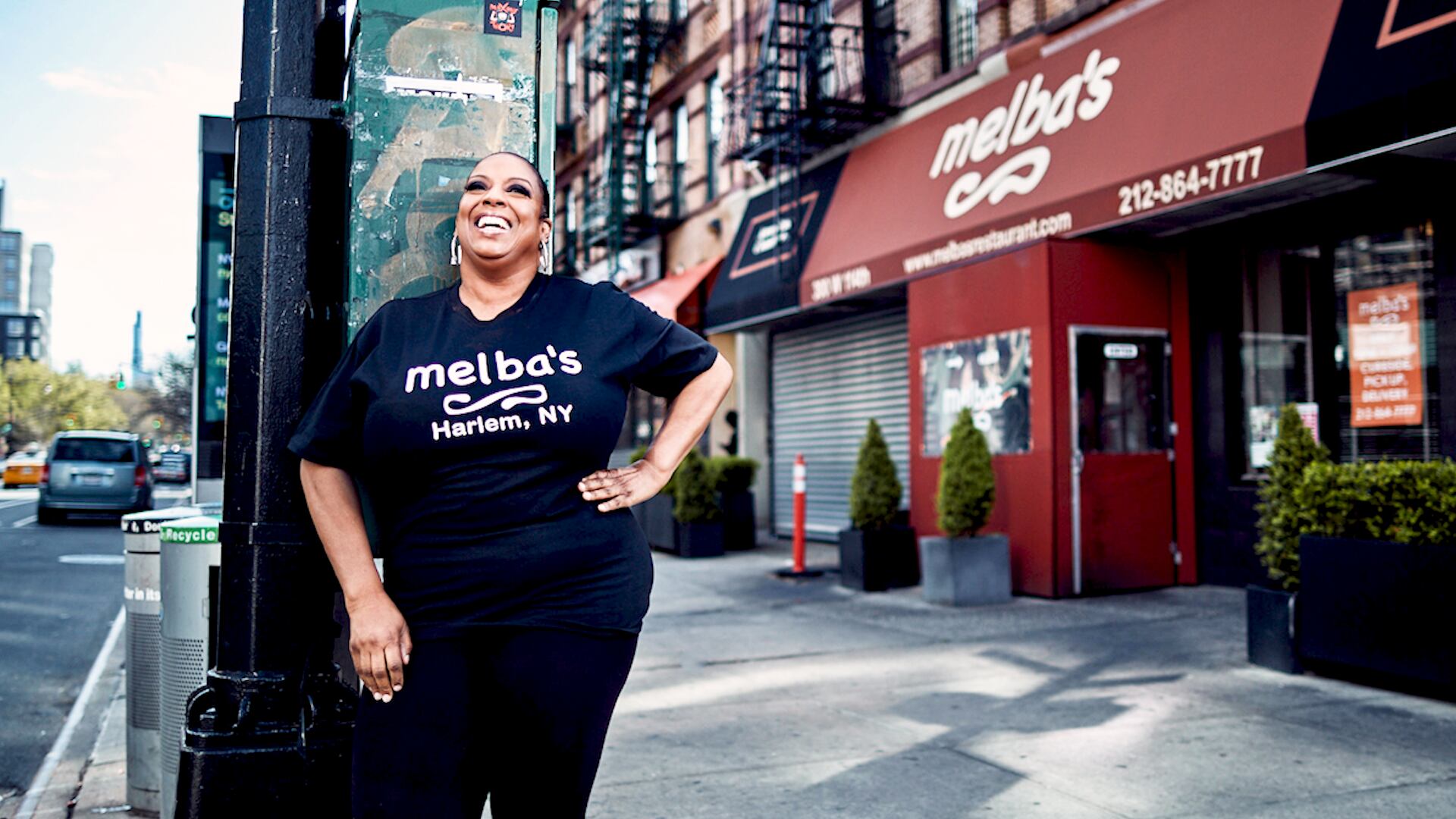
Renowned Harlem chef & restaurateur Melba Wilson joins Cheddar to discuss her inspirations and rise in the food industry, and giving back to her community through food.
A Gallup poll finds that now 7.1% of American adults identify as LGBTQ, jumping from 3.5% in 2012. The increase is driven by Generation-Z – those born between 1997 and 2003 – of whom one out of five identify as LGBTQ. Cheddar News speaks with Washington Blade reporter Chris Johnson about the significant shift.