*By Mike Teich*
A sweeping data privacy bill has been approved in California, but it may be too late for internet users to protect their information, said former National Counterterrorism Center officer Dave White.
"You have to consider yourself compromised," he said. "You’ve already given your data away."
Experts are calling it the nation's most far-reaching law to give consumers more control over their personal data. Under the law, customers can request what personal data companies have collected and what third parties have received it.
The passing of the historical bill didn't come without criticism. The ACLU of Northern California said the legislation falls "woefully short" in defending individuals' rights.
"It's a great first step," White said. However, “it doesn’t go far enough."
Companies that collect user data, from Amazon to Microsoft to Uber, lobbied aggressively against the law, pouring millions into a [opposition campaigns](https://www.theverge.com/2018/6/15/17468292/amazon-microsoft-uber-california-consumer-privacy-act).
But consumer advocates called it a milestone victory. "Today was a [huge win](http://money.cnn.com/2018/06/28/technology/california-consumer-privacy-act/index.html) and gives consumer privacy advocates a blueprint for success," James P. Steyer, CEO and founder of Common Sense Media. "We look forward to working together with lawmakers across the nation to ensure robust data privacy protections for all Americans."
For full interview, [click here](https://cheddar.com/videos/california-passes-historic-privacy-bill).
Max Eddy, software analyst for PC Magazine, explains what a VPN is and why it could protect users after the end of net neutrality. Net neutrality regulations are expected to be officially rolled back next month.
Nate Checketts, CEO of smart apparel company Rhone, says the head of Twitter and Square taught him tech should be simple, a mindset he's taken to his own company.
Ashley Jenkins, host of '"The Know" on Rooster Teeth, discusses the White House's plans to have President Trump meet with video game developers about violent video games. But game makers say they have yet to receive any sort of invitation.
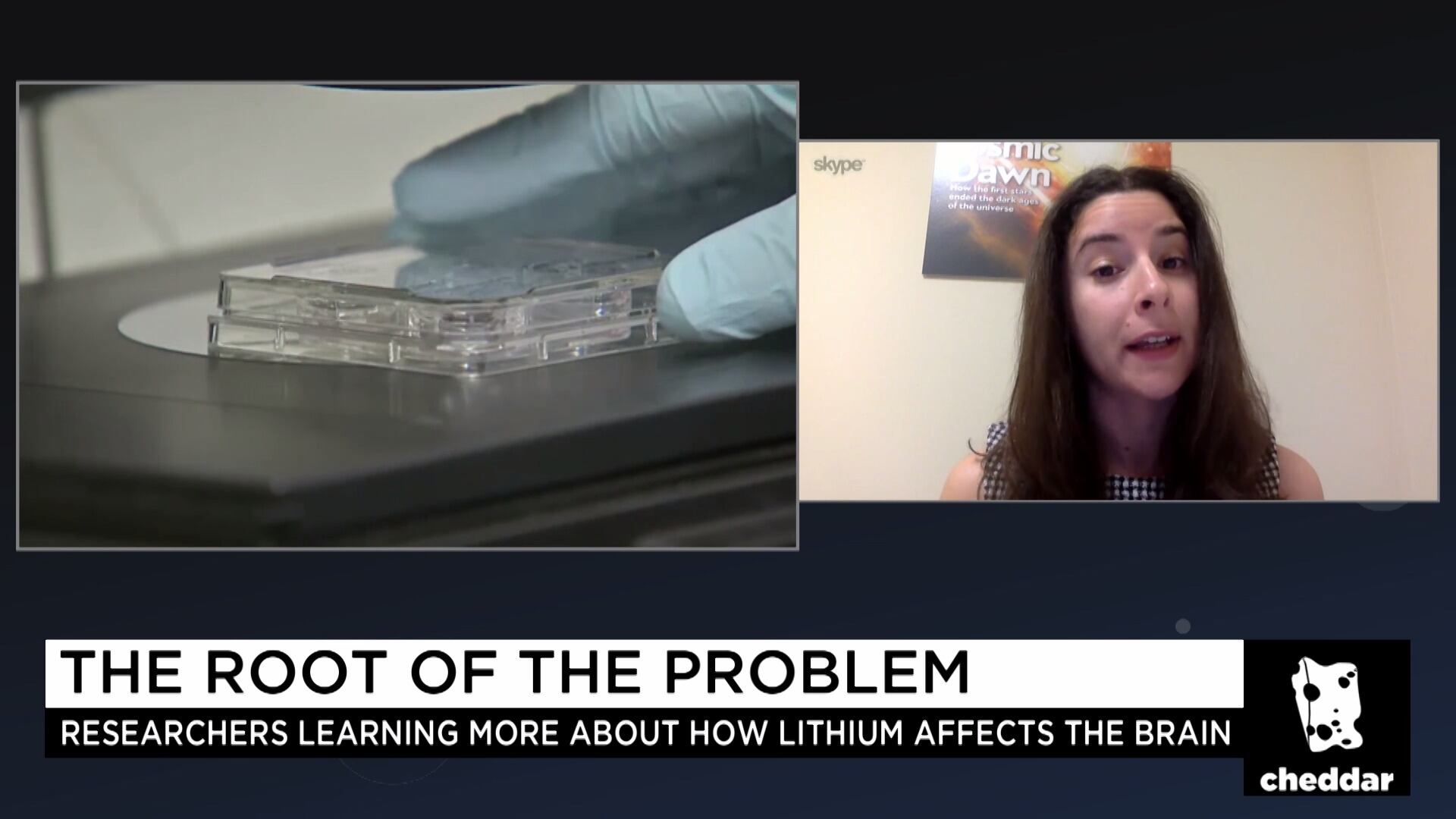
Dina Fine Maron, health & science editor at Scientific American, discusses the breakthrough that could help doctors diagnose mental illnesses. Stem cells have enabled researchers to see how lithium affects the brain.
After the Parkland, Fla., shooting last month, the Trump administration said it wants to talk with video game makers about the levels of violence in their products. But several studies show there is no causal link between playing video games and behavioral changes, says Ashley Jenkins, Host of Rooster Teeth's "The Know."
The Dow closes the week down. Blackrock adds pressure on gun makers. Bitcoin and other digital currencies fall after the SEC issued dozens of subpoenas to investigate initial coin offerings.
Cheddar's Crypto Craze explores the latest movements in this emerging market. Anchors Hope King and Brad Smith talk about the latest crackdown by regulators, plus how one entrepreneur is tapping into the luxury market.
Pulse Labs went through the original Alexa Accelerator and raised their initial $120,000 through that experience. Now, the tech company has raised $2.5 million as they continue their mission to make voice assistants across the board.
Peanut could be described as "Tinder" for moms to meet other moms. Now, the app is out with a new feature to help form meaningful communities around subjects that matter to those moms.
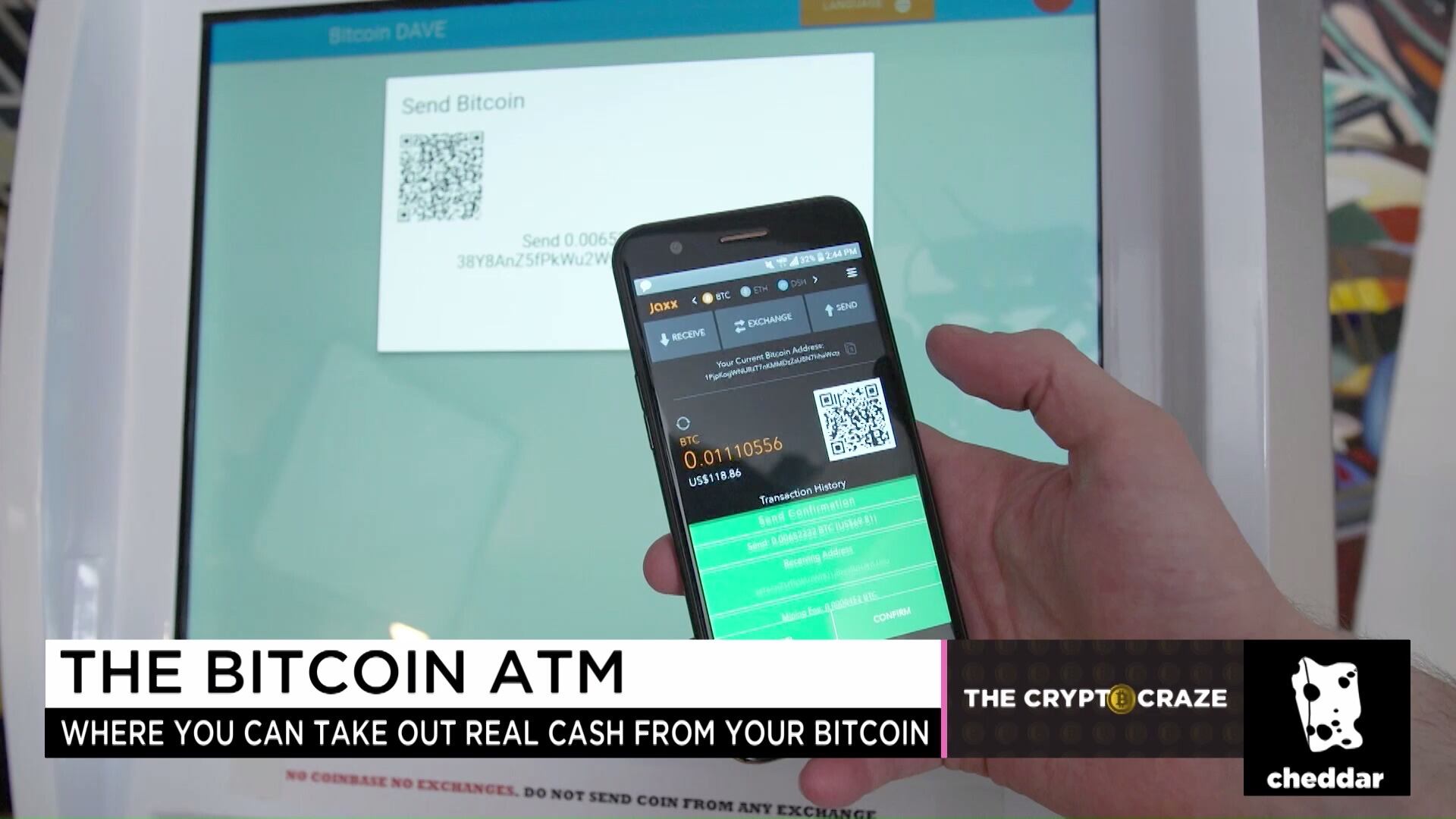
When you think of cryptocurrency, you think of digital transactions. But now there's a physical space you can go to trade Bitcoin. Cheddar's Brad Smith checked out an ATM at the Bitcoin Center in New York City.