*By Mike Teich*
A sweeping data privacy bill has been approved in California, but it may be too late for internet users to protect their information, said former National Counterterrorism Center officer Dave White.
"You have to consider yourself compromised," he said. "You’ve already given your data away."
Experts are calling it the nation's most far-reaching law to give consumers more control over their personal data. Under the law, customers can request what personal data companies have collected and what third parties have received it.
The passing of the historical bill didn't come without criticism. The ACLU of Northern California said the legislation falls "woefully short" in defending individuals' rights.
"It's a great first step," White said. However, “it doesn’t go far enough."
Companies that collect user data, from Amazon to Microsoft to Uber, lobbied aggressively against the law, pouring millions into a [opposition campaigns](https://www.theverge.com/2018/6/15/17468292/amazon-microsoft-uber-california-consumer-privacy-act).
But consumer advocates called it a milestone victory. "Today was a [huge win](http://money.cnn.com/2018/06/28/technology/california-consumer-privacy-act/index.html) and gives consumer privacy advocates a blueprint for success," James P. Steyer, CEO and founder of Common Sense Media. "We look forward to working together with lawmakers across the nation to ensure robust data privacy protections for all Americans."
For full interview, [click here](https://cheddar.com/videos/california-passes-historic-privacy-bill).
People who understood how profoundly Ethereum will change information technology "were rushing in" to build support systems, said Joseph Lubin, Co-founder of Ethereum. While that added value to the ecosystem, he said, it also caused price fluctuations as other investors looked for gains.
A new study finds fakes news travels 6 times faster on Twitter than real news. The head of Goldman Sachs responds to reports he is leaving his post. Florida Governor Rick Scott signs a gun safety bill. The bull market celebrates its 9th birthday. The Nasdaq hits a record high.
Many consumers today prioritize social-minded businesses and food establishments when they decide where to spend their dollars. That's why the new app, Beam, has made social good the core of their business and mission.
Fake news on Twitter travels six times faster than real news and reaches far more users according to a study released by researchers at MIT. Can fake news be stopped?
Artist Sophie Simmons is out with a new single "Black Mirror." She explains what inspired her to write this song, and dishes on the music streaming space.
For this week's keep reinventing segment brought to you by HP we are taking a look at a new bike share player in the space. Zagster recently closed a $15 million round of funding, which it plans to use to expand its dockless program to new cities. The company's CEO Timothy Ericson explains how he is taking a conservative approach to the expansion efforts.
Justworks recently closed a $40 million round of funding, and the human resources software platform is looking to expand its technology offering. The company's Founder and CEO Isaac Oates explains how Justworks plans to use this new funding for expansion.
The wireless company partnered with American Aerospace Technologies to develop drones that have 10 to 16 hours of flying power and a 50-mile range. Verizon says the technology can be a reliable tool for first responders.
Picking out the future's biggest business winners in a crowded startup space isn't easy, but Sequoia Capital has been able to spot tech darlings such as Airbnb, Stripe, Instacart, and Dropbox. Bryan Schreier, Partner at Sequoia, was with us to give us the hottest trends in VC.
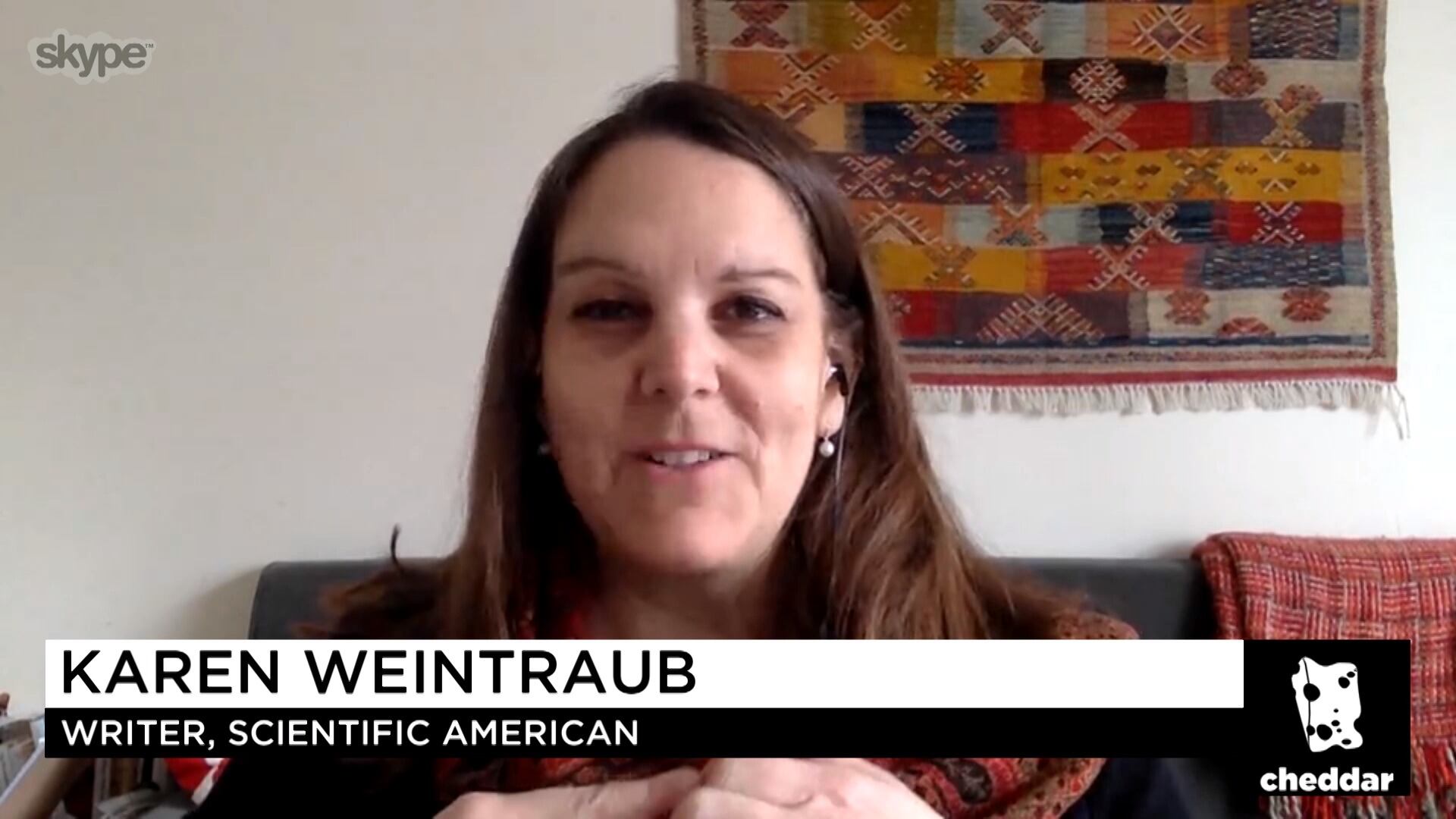
The birds and the bees talk may need an upgrade soon. Scientists are working on ways to use blood and skin cells to replace sperm and eggs. So, will sex go by the wayside? Writer Karen Weintraub explains.