*By Mike Teich*
A sweeping data privacy bill has been approved in California, but it may be too late for internet users to protect their information, said former National Counterterrorism Center officer Dave White.
"You have to consider yourself compromised," he said. "You’ve already given your data away."
Experts are calling it the nation's most far-reaching law to give consumers more control over their personal data. Under the law, customers can request what personal data companies have collected and what third parties have received it.
The passing of the historical bill didn't come without criticism. The ACLU of Northern California said the legislation falls "woefully short" in defending individuals' rights.
"It's a great first step," White said. However, “it doesn’t go far enough."
Companies that collect user data, from Amazon to Microsoft to Uber, lobbied aggressively against the law, pouring millions into a [opposition campaigns](https://www.theverge.com/2018/6/15/17468292/amazon-microsoft-uber-california-consumer-privacy-act).
But consumer advocates called it a milestone victory. "Today was a [huge win](http://money.cnn.com/2018/06/28/technology/california-consumer-privacy-act/index.html) and gives consumer privacy advocates a blueprint for success," James P. Steyer, CEO and founder of Common Sense Media. "We look forward to working together with lawmakers across the nation to ensure robust data privacy protections for all Americans."
For full interview, [click here](https://cheddar.com/videos/california-passes-historic-privacy-bill).
Facebook is making changes to its data-sharing practices in the wake of the Cambridge Analytica scandal. The social media company announced late Wednesday that it would stop sharing user information with third-party data firms.
President Trump called out Amazon in an early morning tweet today, saying he's concerned the company pays "little or no taxes." This follows reports that the president wanted to go after Amazon.
A combination of a Moody's downgrade, an NTSB investigation, and delayed production are "really weighing" on investors, says CFRA analyst Efraim Levy.
Cheddar employees downloaded the information that the social media site has collected on them over the years and got some pretty surprising results.
The driverless car revolution won't fully take over in the near term because safety needs to be mastered first, says Jeff Bracken, Group Vice President of the luxury carmaker. His comments come after Uber's fatal autonomous car crash last week, which has left the industry reeling.
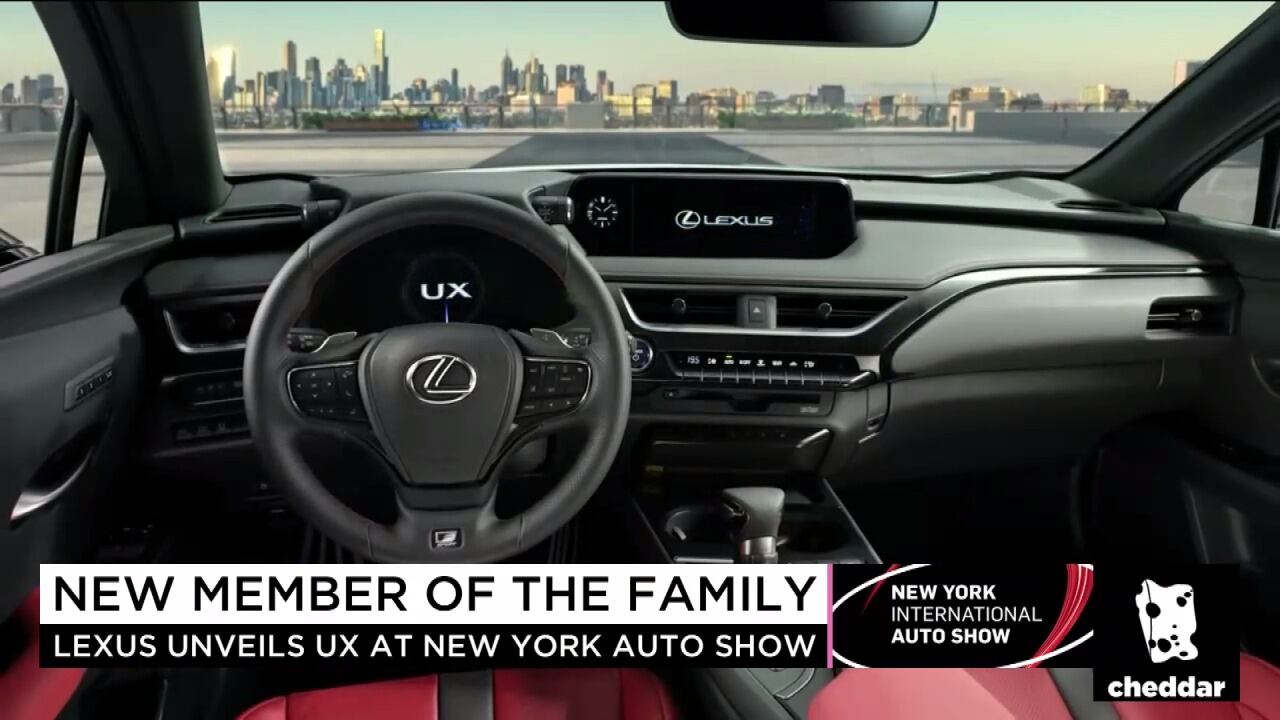
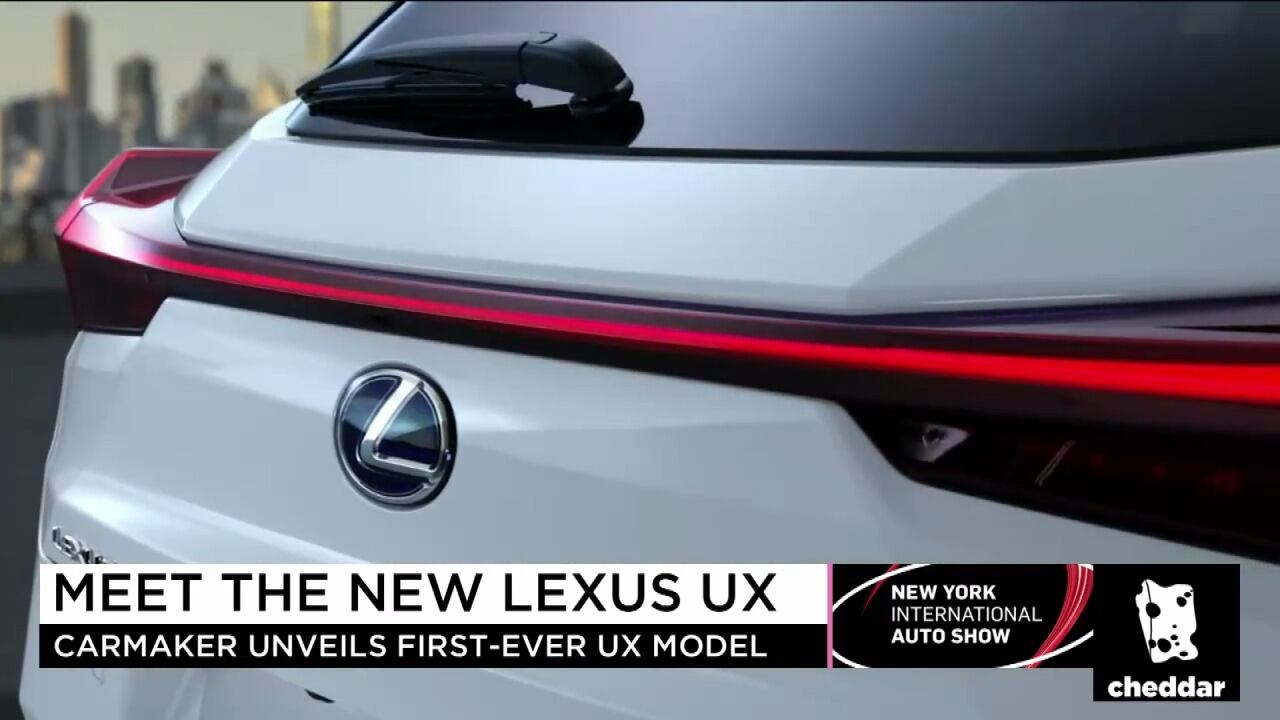
In a bid to lure millennials, the luxury carmaker is testing out the new strategy with various pricing models, says Jeff Bracken, Lexus Group Vice President. The carmaker unveiled the Lexus UX model at the New York International Auto Show on Wednesday.
For the full interview, [click here](https://cheddar.com/videos/lexus-unveils-a-new-compact-crossover-for-the-urban-explorer).
Facebook may warn users about how their data could be used, but Quartz's David Yanofsky says most people don't understand the full extent of that. And like other addictive products, they're unlikely to give up on it so easily.
The chipmaker pulled testing for its autonomous technology Tuesday, about a week after one of Uber's driverless cars killed a pedestrian. The Verge's Andrew Hawkins says the big players are "trying to be cautious."
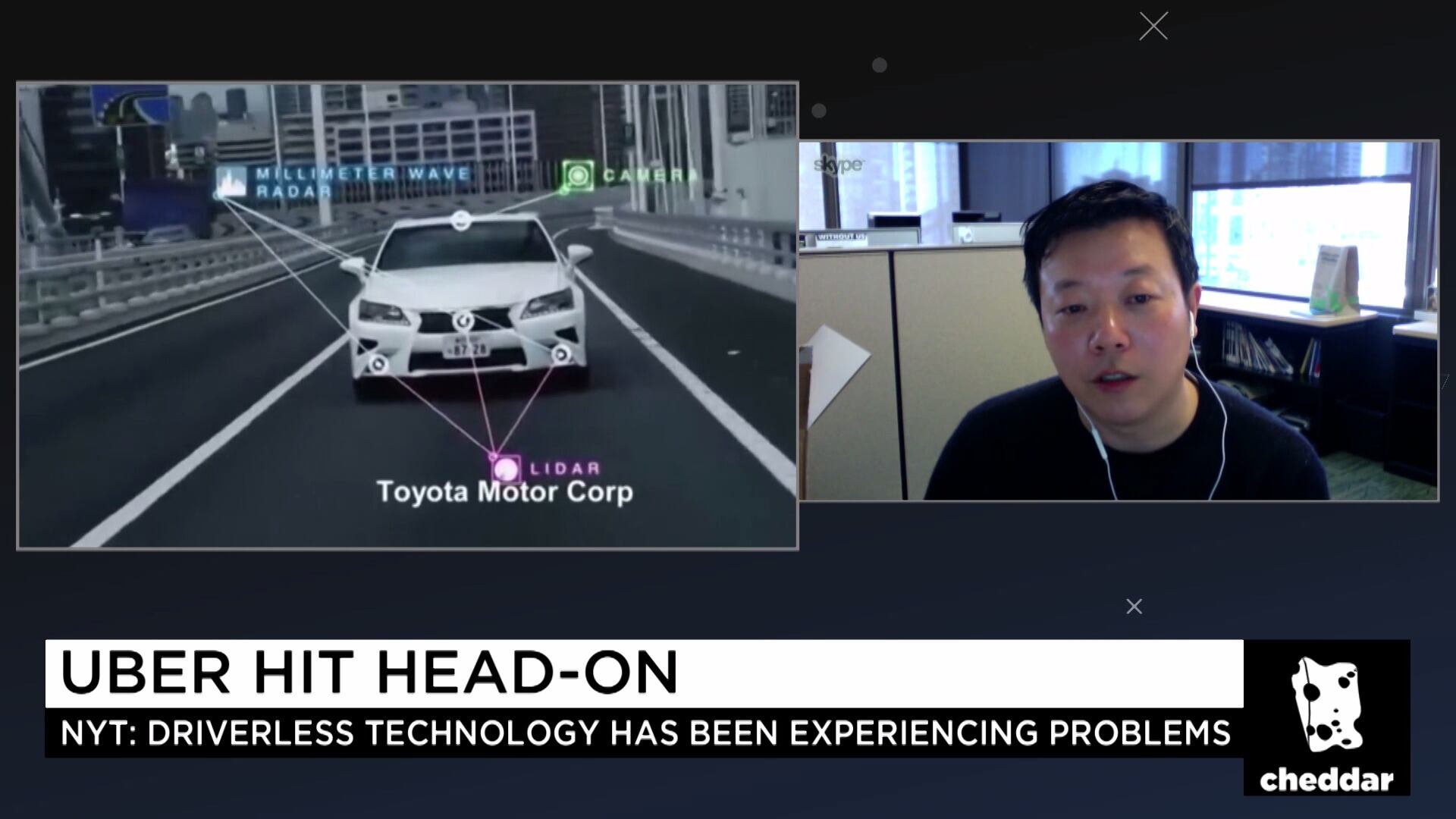
Last Sunday, one of Uber's self-driving cars struck and killed a pedestrian in Tempe, Arizona. The police said Uber was likely not at fault because the accident would have been hard to avoid, even for a human driver. However, reports have surfaced that uber's driverless technology was faltering well before the crash. Daisuke Wakabayashi, Reporter at the New York Times, breaks down the root of Uber's self-driving problems.
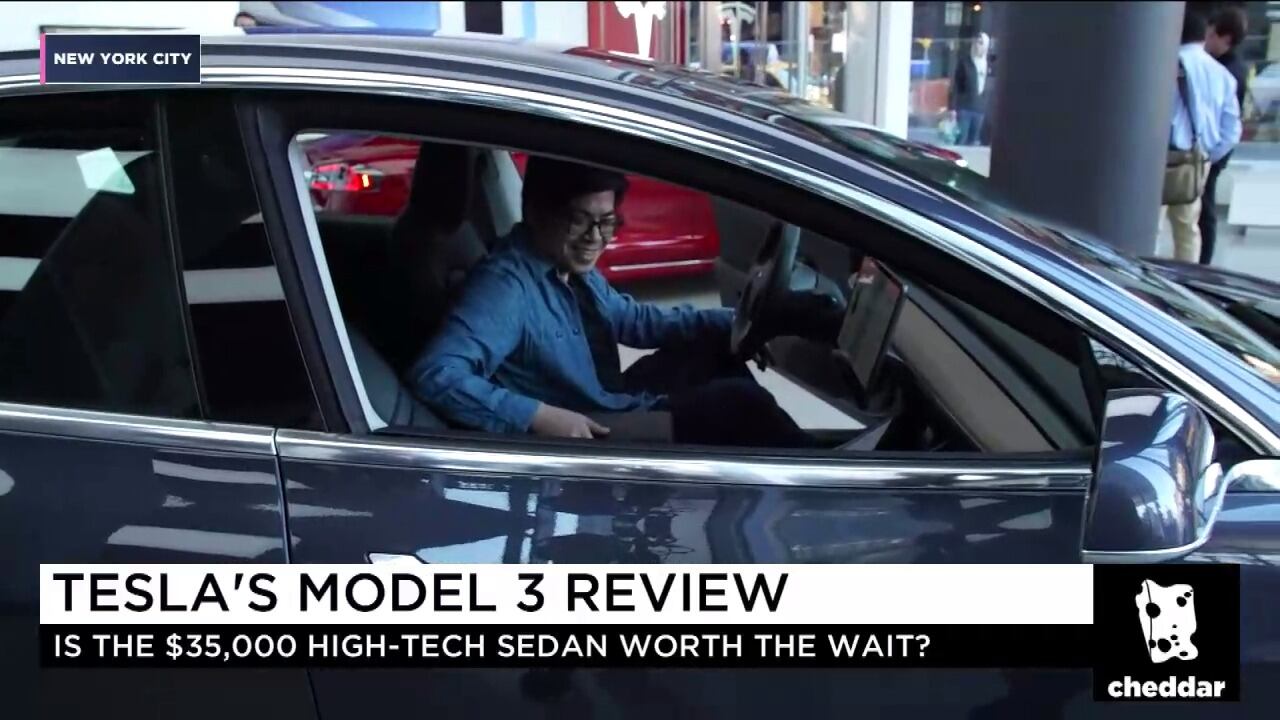
Tesla's new, mass-market car has done away with most controls on the dashboard and allows for panoramic views. Cheddar's Hope King got a look at one with a long-time waitlisted buyer.
In a rush to catch up with rivals, Uber plunged into the self-driving space in 2016. But its tests have failed even its own internal expectations, says Daisuke Wakabayashi, reporter at The New York Times.