*By Mike Teich*
A sweeping data privacy bill has been approved in California, but it may be too late for internet users to protect their information, said former National Counterterrorism Center officer Dave White.
"You have to consider yourself compromised," he said. "You’ve already given your data away."
Experts are calling it the nation's most far-reaching law to give consumers more control over their personal data. Under the law, customers can request what personal data companies have collected and what third parties have received it.
The passing of the historical bill didn't come without criticism. The ACLU of Northern California said the legislation falls "woefully short" in defending individuals' rights.
"It's a great first step," White said. However, “it doesn’t go far enough."
Companies that collect user data, from Amazon to Microsoft to Uber, lobbied aggressively against the law, pouring millions into a [opposition campaigns](https://www.theverge.com/2018/6/15/17468292/amazon-microsoft-uber-california-consumer-privacy-act).
But consumer advocates called it a milestone victory. "Today was a [huge win](http://money.cnn.com/2018/06/28/technology/california-consumer-privacy-act/index.html) and gives consumer privacy advocates a blueprint for success," James P. Steyer, CEO and founder of Common Sense Media. "We look forward to working together with lawmakers across the nation to ensure robust data privacy protections for all Americans."
For full interview, [click here](https://cheddar.com/videos/california-passes-historic-privacy-bill).
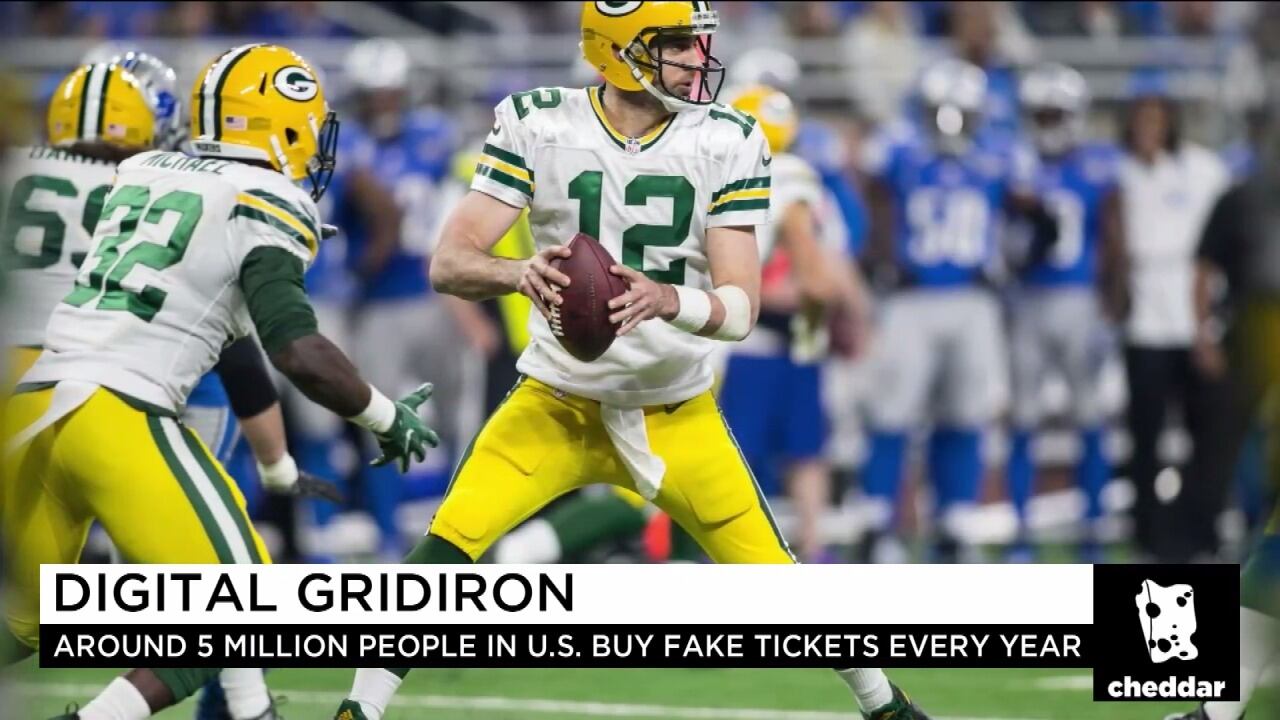
Approximately 5 million people buy fake tickets every year from unofficial sources. Ticketmaster and the NFL want to combat that problem with a new digital ecosystem, says Greg Economou, Head of Sports for Ticketmaster North America.
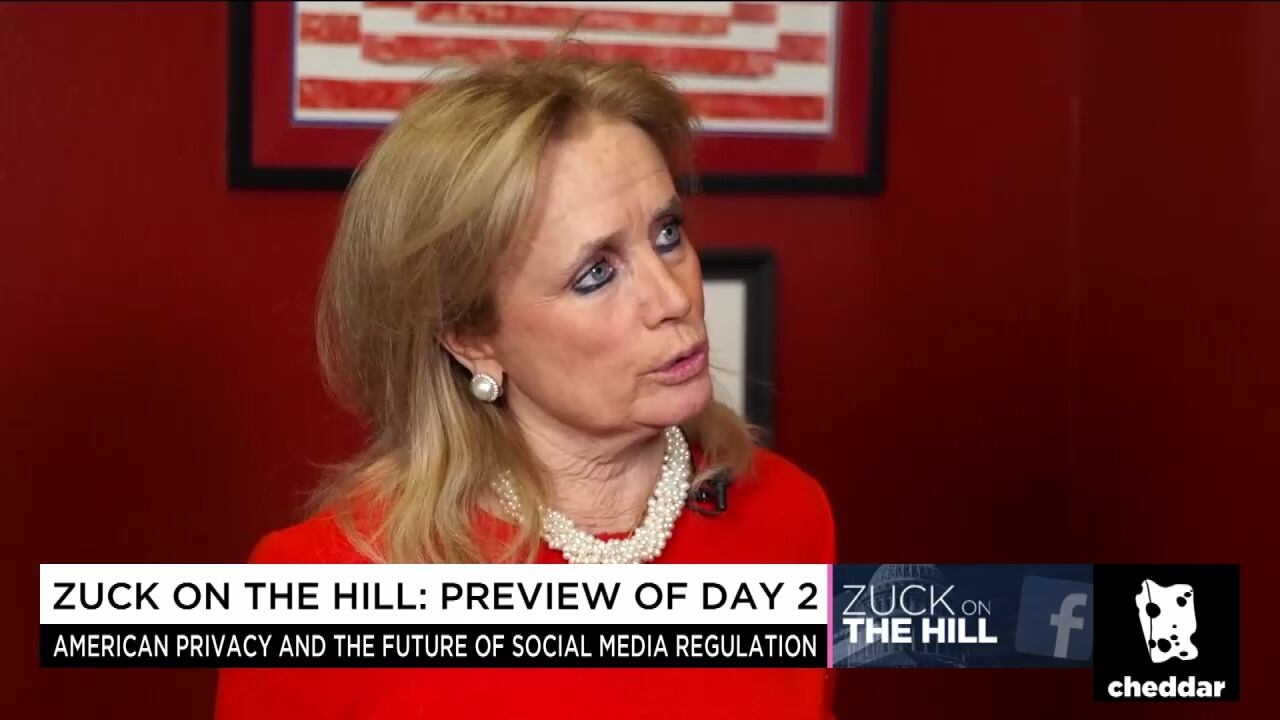
The Congresswoman admitted that changes won't come in time for the midterm elections in November. But the question is no longer whether social media be regulated but what that regulation should look like, says Dingell. She says European laws serve as good models. Facebook CEO Mark Zuckerberg faces a House committee Wednesday for a second round of questioning on the Cambridge Analytica scandal.
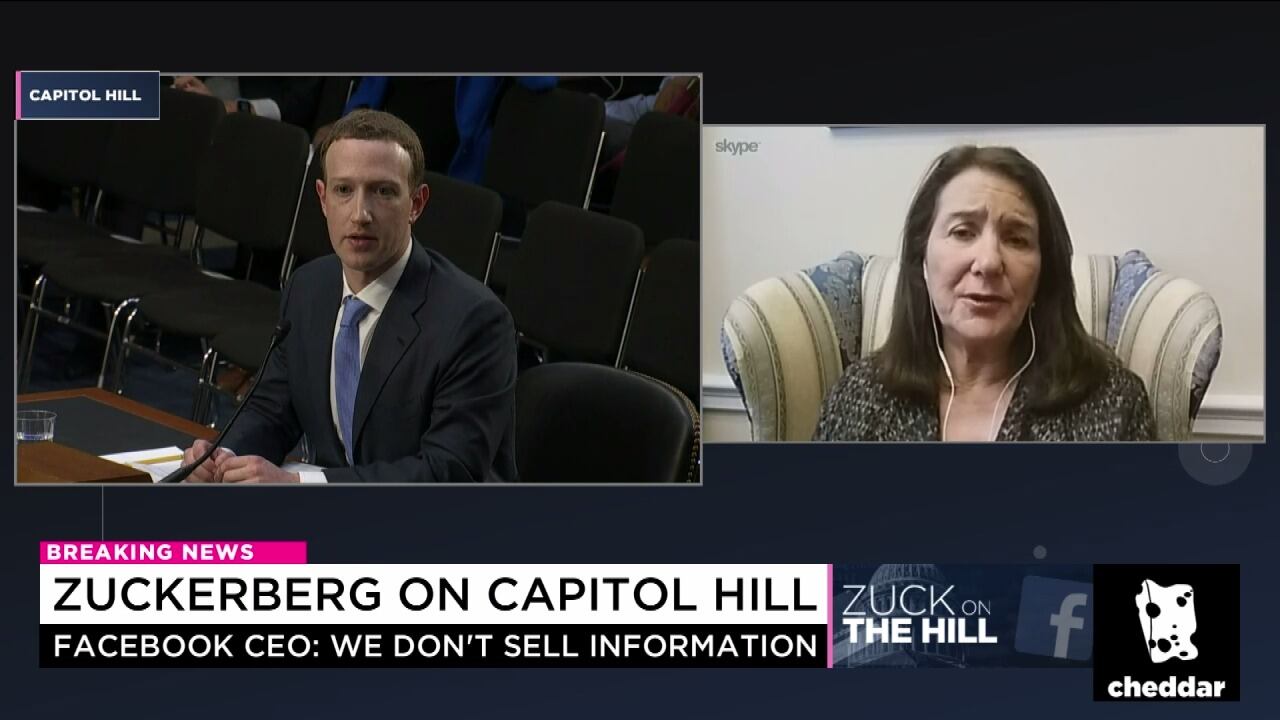
Congresswoman Diana DeGette, who is on the House committee that will question Mark Zuckerberg tomorrow, says perhaps harsher penalties will force companies to do more before breaches occur.
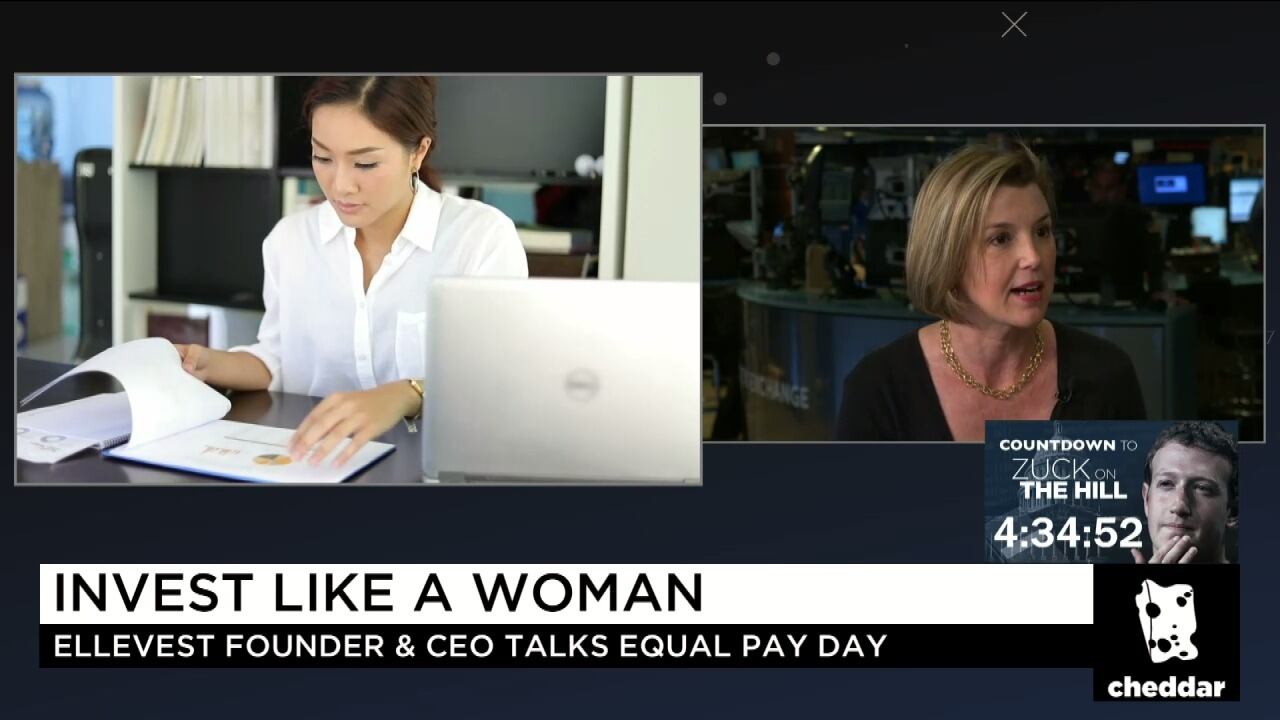
When women have more money, they tend to put more of it back into their communities, families, and non-profits, says Sallie Krawcheck, CEO and Co-founder of Ellevest, a female-focused investment platform. "Try to think about something that's good for women and bad for men. It's very hard to."
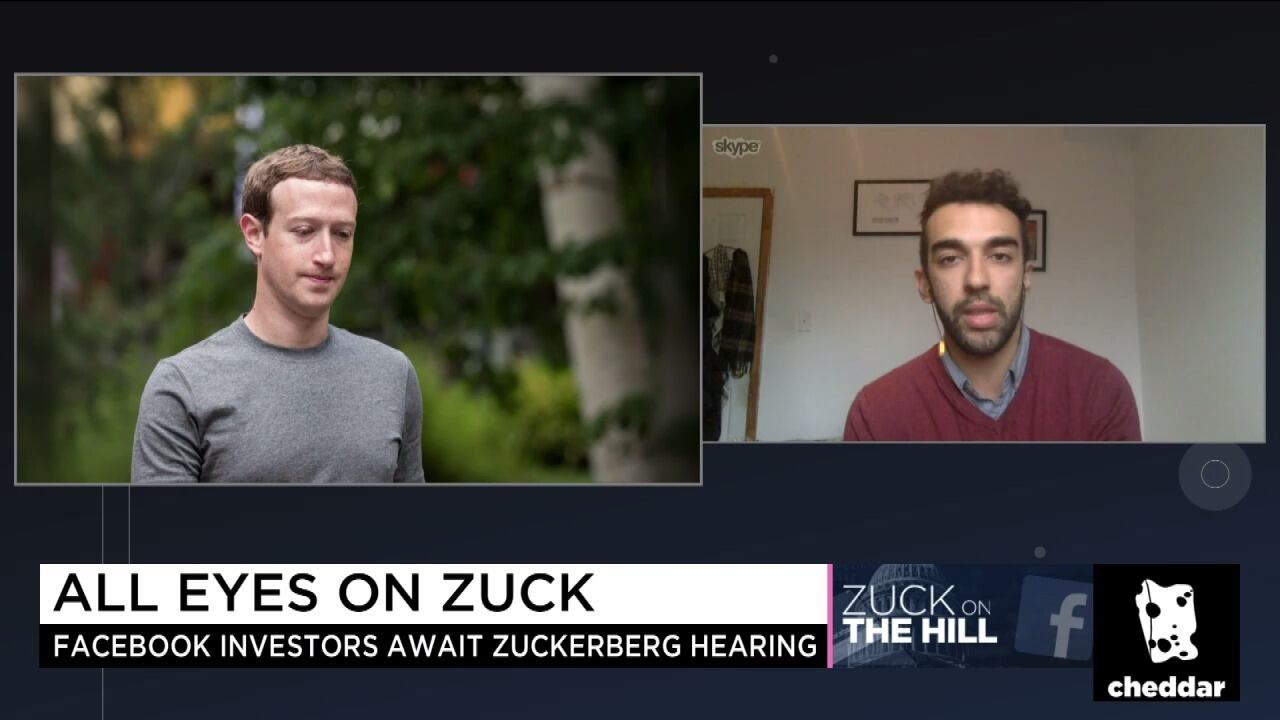
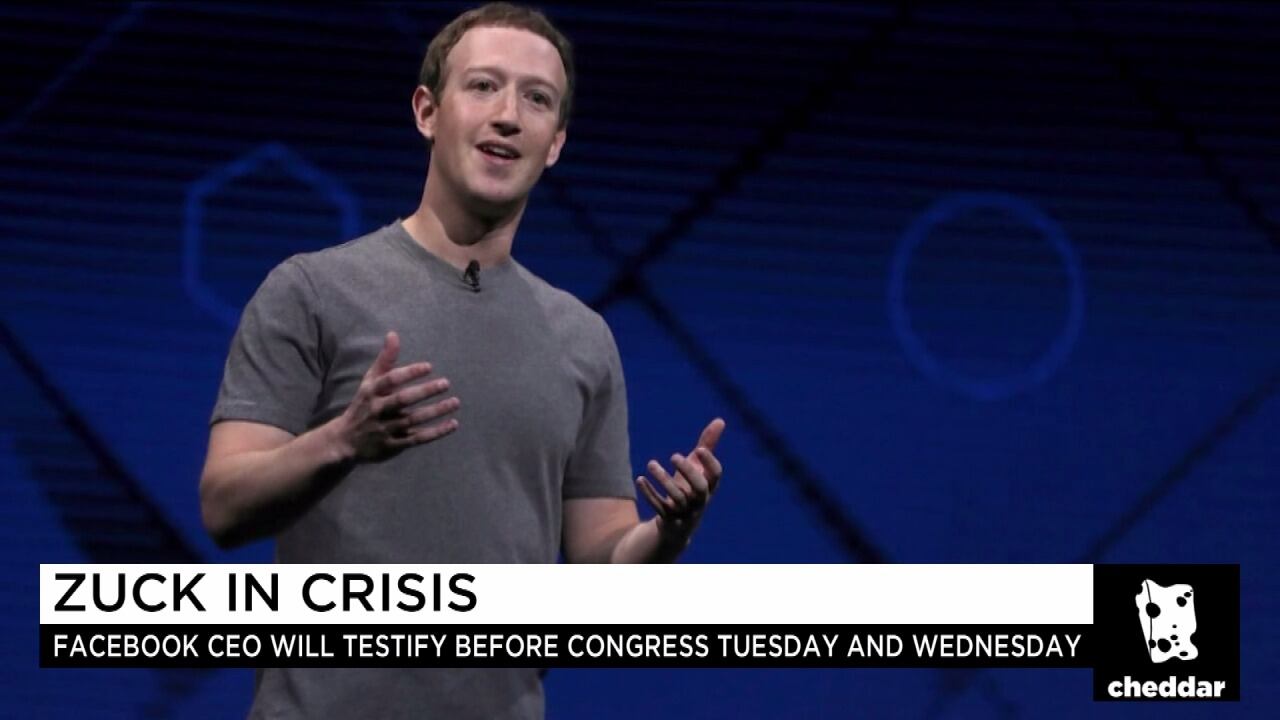
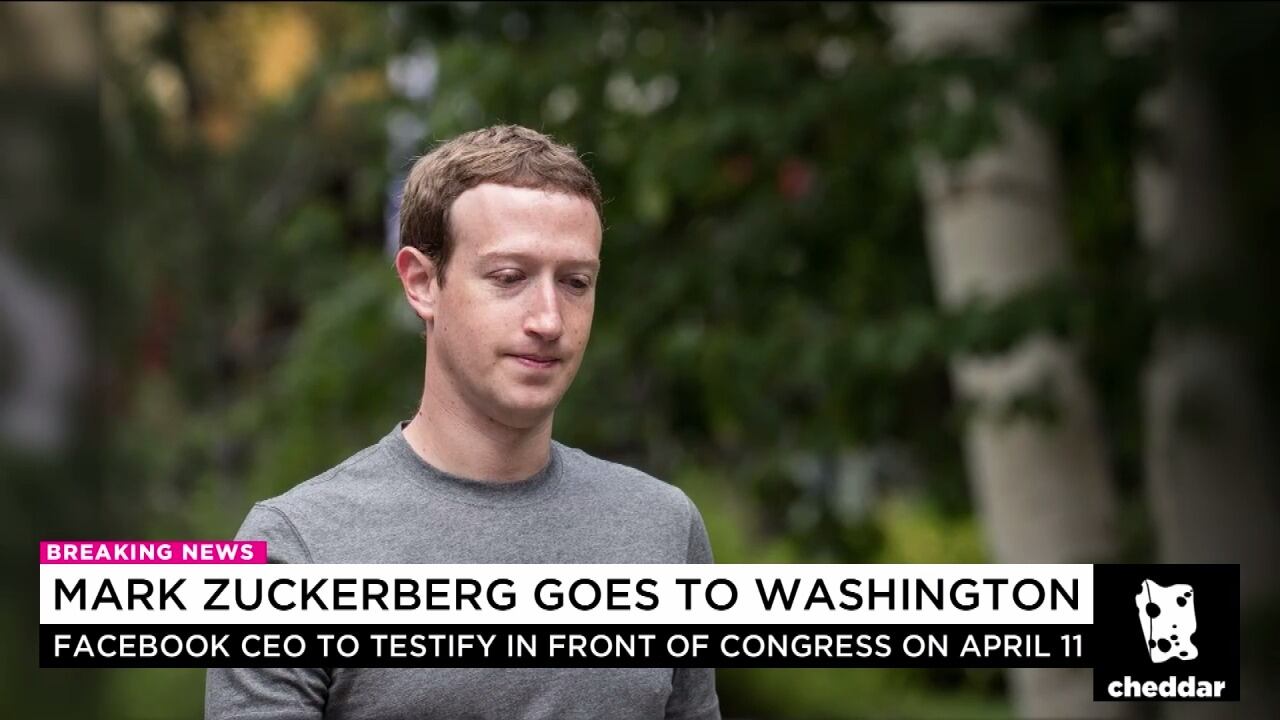
Democrats have already signaled that they're going to focus more on election interference and be "a little bit more aggressive than Republicans" during Mark Zuckerberg's testimonies this week, says Ali Breland, technology and politics reporter at The Hill. The Facebook CEO will appear before Congress Tuesday and Wednesday to face questions about the Cambridge Analytica scandal.
The Facebook CEO's hearings on Capitol Hill will likely dominate headlines for days. If those stories focus more on the new initiatives that the social network has recently rolled out, rather than the data scandal itself, "that would be a big win," says Aaron Pressman, Senior Technology Reporter at Fortune Magazine.
Washington won't easily forgive Facebook for sending a "low-level" deputy to testify when Congress first wanted answers about Russia's role in the 2016 election. And legislators are likely to take out their frustration on the CEO when he appears before them next week, says Ken Gude, Senior Fellow at the Center for American Progress.
If the stock had surged too high, "it would be hard to grow into that valuation over time," says Pär-Jörgen Pärson, partner at European venture capital firm Northzone, a Spotify investor since 2008.
West Virginia is the first state to test out voting via blockchain, collaborating with venture capitalist Bradley Tusk. "[People] want to vote the same way that they order something from Amazon," says Mac Warner, WV's Secretary of State. The experiment has rolled out for deployed military voters in some counties, with plans to deploy it across the state for the midterm elections in November.
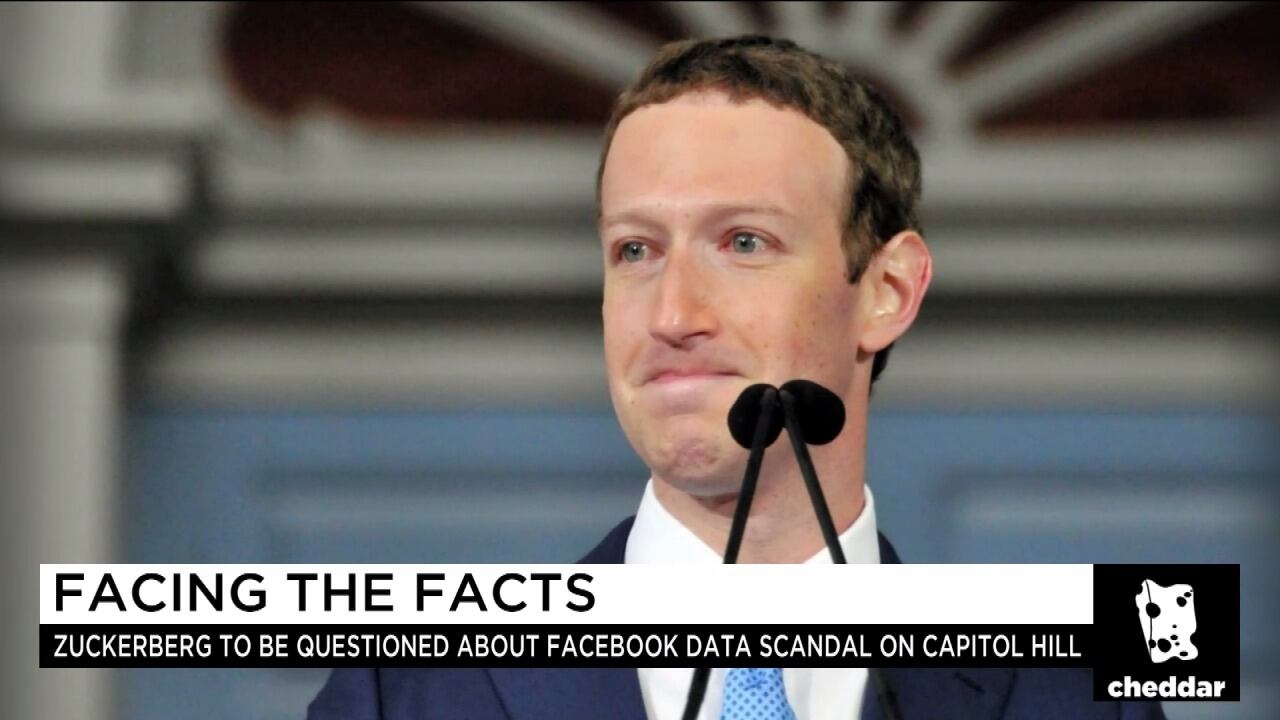
CEO Mark Zuckerberg said Facebook's handling of user data was a "huge mistake" and that the company failed to take "a broad enough view of what our responsibility was" to its more than 2 billion users.