*By Mike Teich*
A sweeping data privacy bill has been approved in California, but it may be too late for internet users to protect their information, said former National Counterterrorism Center officer Dave White.
"You have to consider yourself compromised," he said. "You’ve already given your data away."
Experts are calling it the nation's most far-reaching law to give consumers more control over their personal data. Under the law, customers can request what personal data companies have collected and what third parties have received it.
The passing of the historical bill didn't come without criticism. The ACLU of Northern California said the legislation falls "woefully short" in defending individuals' rights.
"It's a great first step," White said. However, “it doesn’t go far enough."
Companies that collect user data, from Amazon to Microsoft to Uber, lobbied aggressively against the law, pouring millions into a [opposition campaigns](https://www.theverge.com/2018/6/15/17468292/amazon-microsoft-uber-california-consumer-privacy-act).
But consumer advocates called it a milestone victory. "Today was a [huge win](http://money.cnn.com/2018/06/28/technology/california-consumer-privacy-act/index.html) and gives consumer privacy advocates a blueprint for success," James P. Steyer, CEO and founder of Common Sense Media. "We look forward to working together with lawmakers across the nation to ensure robust data privacy protections for all Americans."
For full interview, [click here](https://cheddar.com/videos/california-passes-historic-privacy-bill).
The meal-kit delivery service specializes in specific diets from Paleo to gluten-free to Mediterranean, which is how it differentiates itself in the delivery space. "We're not trying to be all things to all people," says CEO Adam Zbar.
Numerous food delivery start-ups have tried -- and many have failed -- to operate in the restaurant industry where slim profit margins are the norm. But MealPal has pulled through, and that's because it has found a way to make consumers happy, "but also work for the supply side," explains Mary Biggins, co-founder of the app.
Nora Ali and Brad Smith take a look at how the most popular cryptocurrencies are performing in this week's edition of "The Crypto Craze." Bitcoin surged back above $8,000, but there have still been significant price fluctuations throughout the week.
Discord, which offers free voice and text messaging catered to the gaming community, has raised $50 million in new funding at a valuation of $1.65 billion. The latest financing more than doubles its previous valuation from 2017.
The online retailer announced that Best Buy will be the exclusive brick-and-mortar retailer for its new line of smart Fire TVs. It's the latest step in Amazon's push into physical locations and could eventually lead to more exclusive deals with Best Buy, says Michael Simon, Staff Writer for PC World.
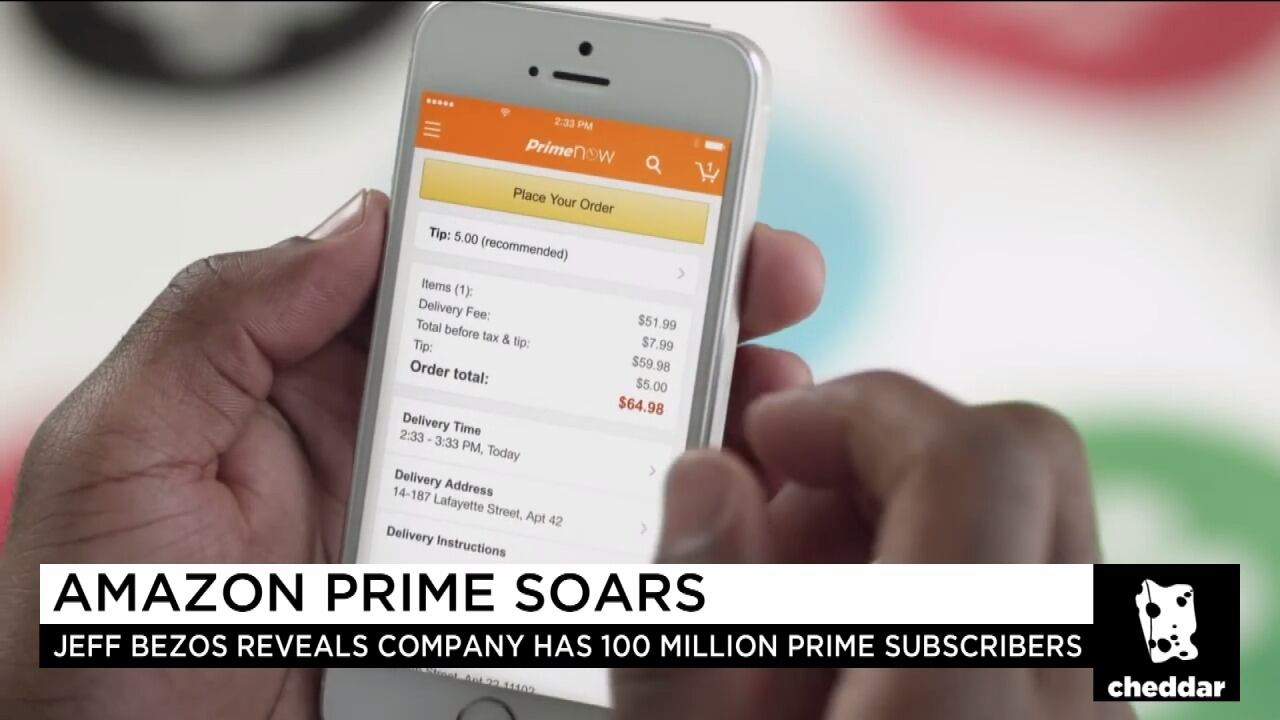
CEO Jeff Bezos announced for the first time Wednesday that the e-commerce giant has 100 million paying Prime subscribers.The shareholder letter didn't shed light on whether people are signing up because of the free shipping offer or for original video content, but Michael Simon, Staff Writer for PC World, says it's probably an even split.
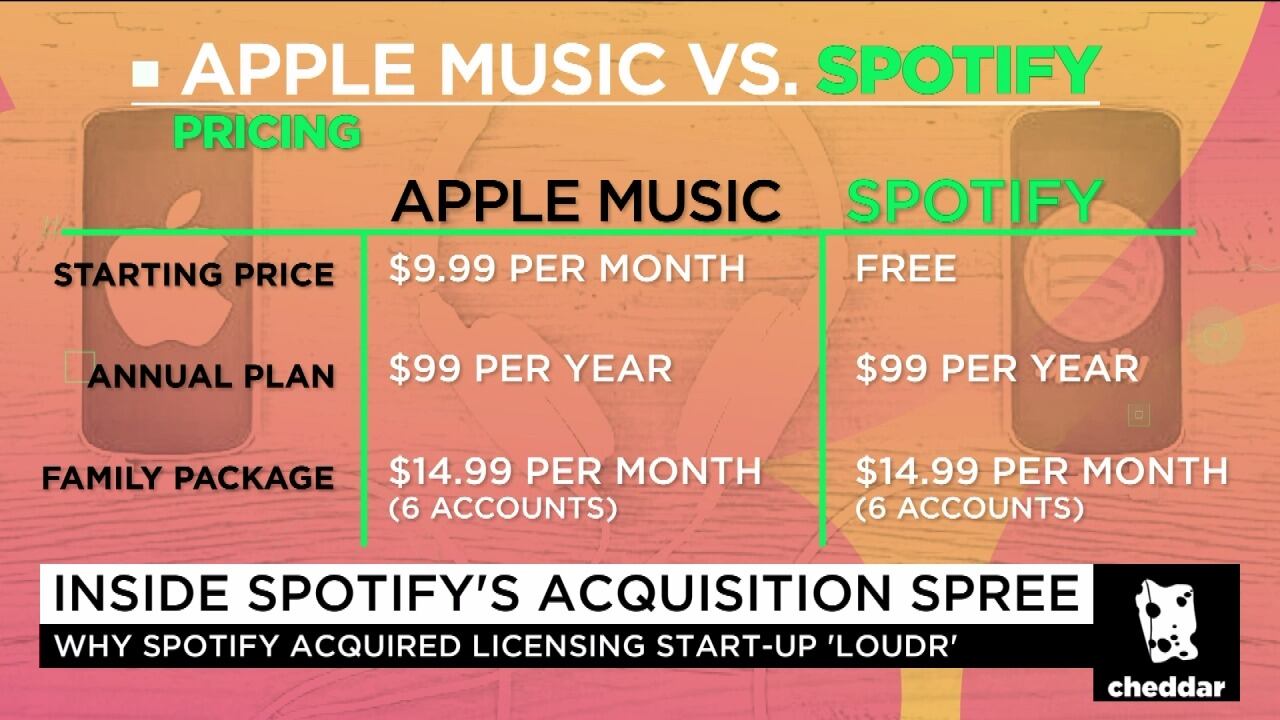
Weeks after Spotify's public offering, the music streaming service has already made a crucial acquisition: Loudr, a company that automates royalty payments to music publishers. The deal could help Spotify "take control of this important piece" of its business, says Sun Jen Yung, a partner and the head of digital media at NFluence Partners.
Facebook shares plummeted after the Cambridge Analytica scandal broke, but internet analyst Mark Mahaney, Managing Director at RBC Capital, said this is just a "PR issue, not a fundamental issue," and now is the perfect time to buy into the social media network.
In light of Facebook's data scandal, other tech companies should give users a cut of the money they made off of their information, says Brittany Kaiser, a former director of business development at data company Cambridge Analytica.
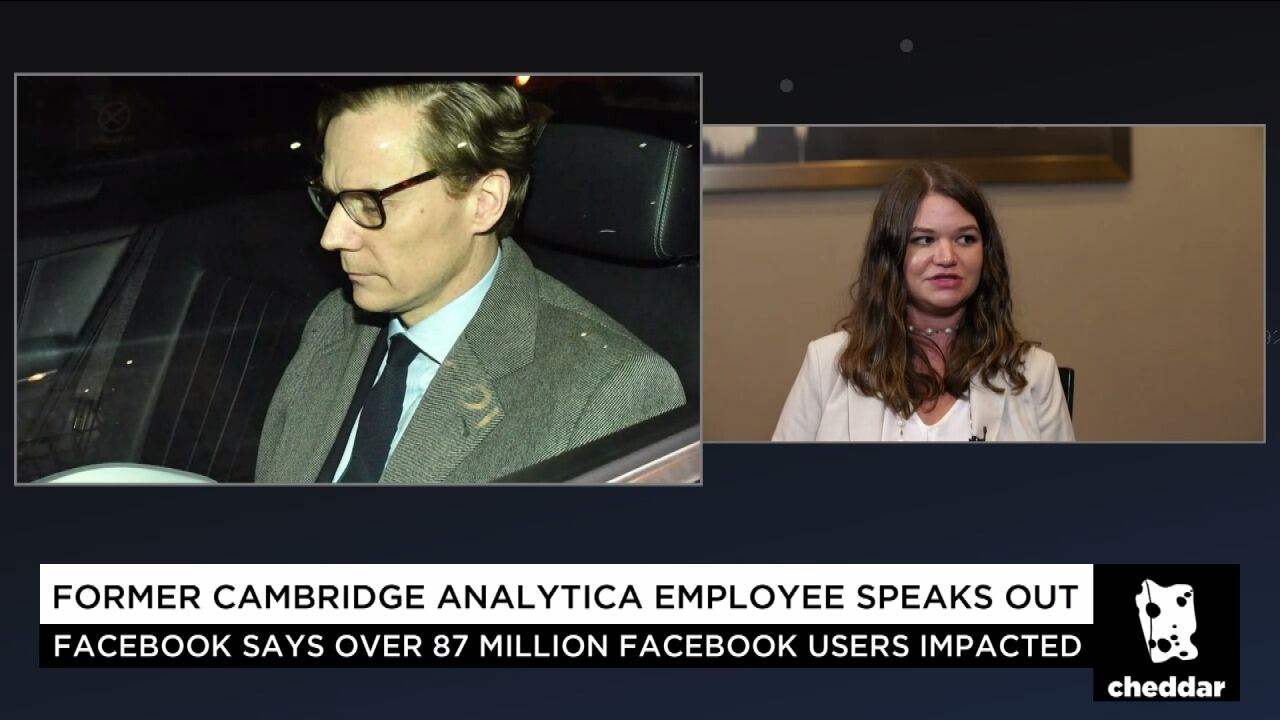
Brittany Kaiser, a former executive at the company that gained access to data on millions of Facebook users, said that the estimate of 87 million people affected is far less than the reality.