*By Mike Teich*
A sweeping data privacy bill has been approved in California, but it may be too late for internet users to protect their information, said former National Counterterrorism Center officer Dave White.
"You have to consider yourself compromised," he said. "You’ve already given your data away."
Experts are calling it the nation's most far-reaching law to give consumers more control over their personal data. Under the law, customers can request what personal data companies have collected and what third parties have received it.
The passing of the historical bill didn't come without criticism. The ACLU of Northern California said the legislation falls "woefully short" in defending individuals' rights.
"It's a great first step," White said. However, “it doesn’t go far enough."
Companies that collect user data, from Amazon to Microsoft to Uber, lobbied aggressively against the law, pouring millions into a [opposition campaigns](https://www.theverge.com/2018/6/15/17468292/amazon-microsoft-uber-california-consumer-privacy-act).
But consumer advocates called it a milestone victory. "Today was a [huge win](http://money.cnn.com/2018/06/28/technology/california-consumer-privacy-act/index.html) and gives consumer privacy advocates a blueprint for success," James P. Steyer, CEO and founder of Common Sense Media. "We look forward to working together with lawmakers across the nation to ensure robust data privacy protections for all Americans."
For full interview, [click here](https://cheddar.com/videos/california-passes-historic-privacy-bill).
A new data privacy battle is brewing in Europe. The EU is considering stricter data privacy rules called the ePrivacy Regulation, just days after the General Data Protection Regulation (GDPR) went into effect.
Crowd Cow enables consumers to bid on parts of cows from independent farms and will only process orders once the entire cow is sold. "What we're doing is providing a very different experience from the entire meat industry," says co-founder and CEO Joe Heitzeberg.
A former Snap software engineer wrote an email last November criticizing the company for not being welcoming to women and people of color. Snap told Cheddar it’s making efforts to address what the engineer, Shannon Lubetich, called a “toxic” and “sexist” culture.
An Austrian privacy activist filed lawsuits against the tech giants as soon as the General Data Protection Regulation (GDPR) went into effect at midnight, accusing the companies of failing to comply. "This is a very hard reality check for companies, not just abroad, but in the U.S.," says Andrew Rossow, internet attorney and Forbes contributor.
The iconic yellow cabs will be fitted with a tablet-based digital operating system that will help drivers with navigation and charge riders a fixed price. This will help taxis compete with other ride-hailing apps, like Uber and Lyft, says Amos Tamam, CEO of Curb, the company powering the new initiative.
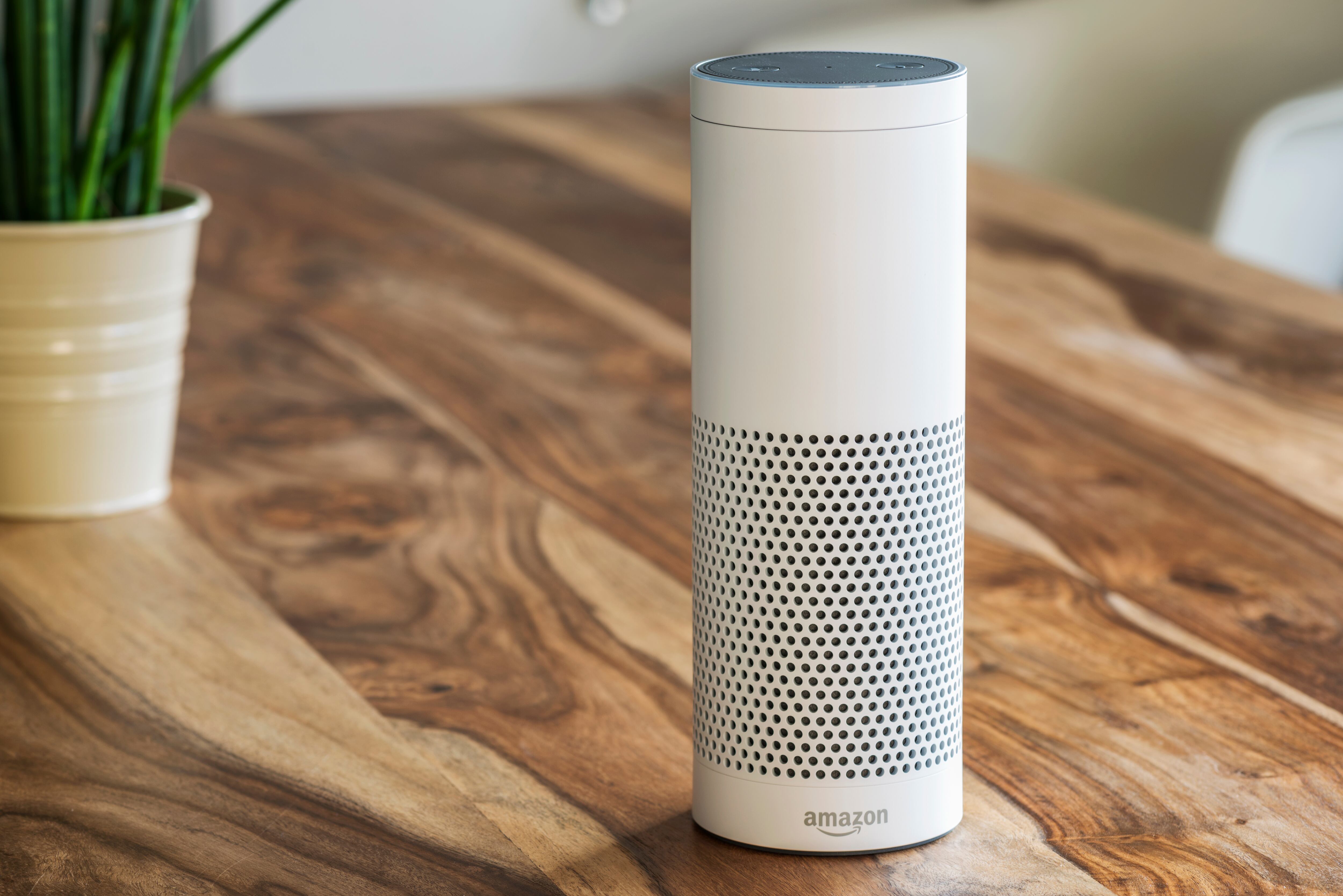
Amazon is trying to ease customer concerns over privacy after one of its Echo devices recorded a couple's private conversation and sent the audio file to a contact in their phone book. The only way to win back trust is to be "totally clear" about its privacy policies, says Andrew Freedman, a senior editor at Tom's Guide.
The gaming streaming platform launched a new monetization system that will pay content creators if their work yields high levels of viewer engagement. Its internal currency, called Caffeine Gold, can be exchanged for real-world cash.
The payment technology start-up unveiled a new version of its app this week that lets retail investors in 46 states play in the crypto market.
Jake Fisher, director of auto testing at Consumer Reports, talked with Elon Musk, who said he's planning to fix the Model 3's braking distance issue with a remote update, possibly as soon as this weekend.
Consumer Report does not recommend the Tesla Model 3 after it put the vehicle to the test. Jake Fisher, director of automotive testing at the magazine, shares what went into the test and dishes on his talk with Elon Musk.