*By Mike Teich*
A sweeping data privacy bill has been approved in California, but it may be too late for internet users to protect their information, said former National Counterterrorism Center officer Dave White.
"You have to consider yourself compromised," he said. "You’ve already given your data away."
Experts are calling it the nation's most far-reaching law to give consumers more control over their personal data. Under the law, customers can request what personal data companies have collected and what third parties have received it.
The passing of the historical bill didn't come without criticism. The ACLU of Northern California said the legislation falls "woefully short" in defending individuals' rights.
"It's a great first step," White said. However, “it doesn’t go far enough."
Companies that collect user data, from Amazon to Microsoft to Uber, lobbied aggressively against the law, pouring millions into a [opposition campaigns](https://www.theverge.com/2018/6/15/17468292/amazon-microsoft-uber-california-consumer-privacy-act).
But consumer advocates called it a milestone victory. "Today was a [huge win](http://money.cnn.com/2018/06/28/technology/california-consumer-privacy-act/index.html) and gives consumer privacy advocates a blueprint for success," James P. Steyer, CEO and founder of Common Sense Media. "We look forward to working together with lawmakers across the nation to ensure robust data privacy protections for all Americans."
For full interview, [click here](https://cheddar.com/videos/california-passes-historic-privacy-bill).
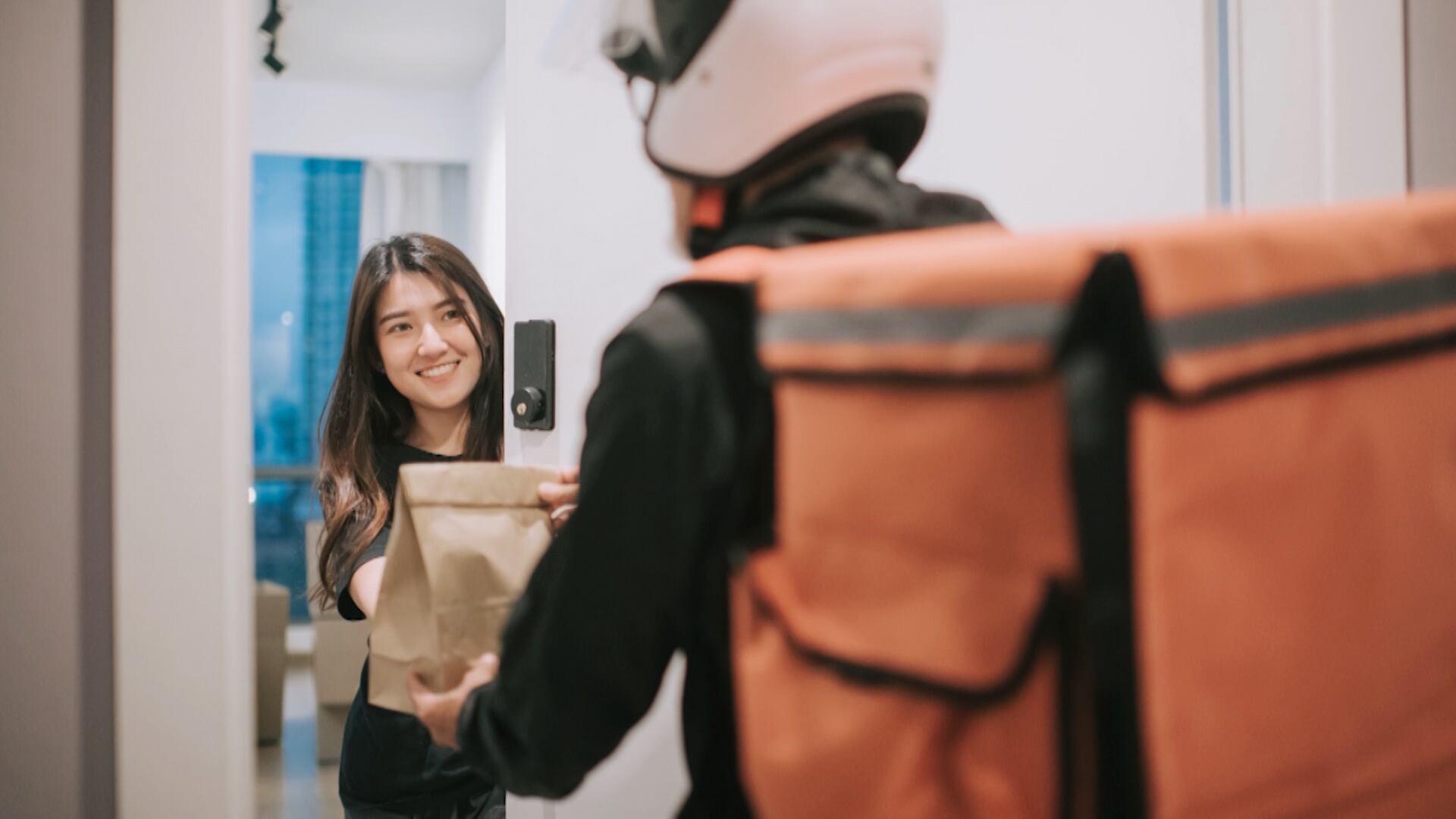
Many restaurants across the country have lately turned off delivery and online orders during peak hours, as eateries are still struggling with labor shortages and as many are also seeing more customers return for in-person dining. Wall Street Journal reporter Heather Haddon joins Cheddar News' Closing Bell to discuss.
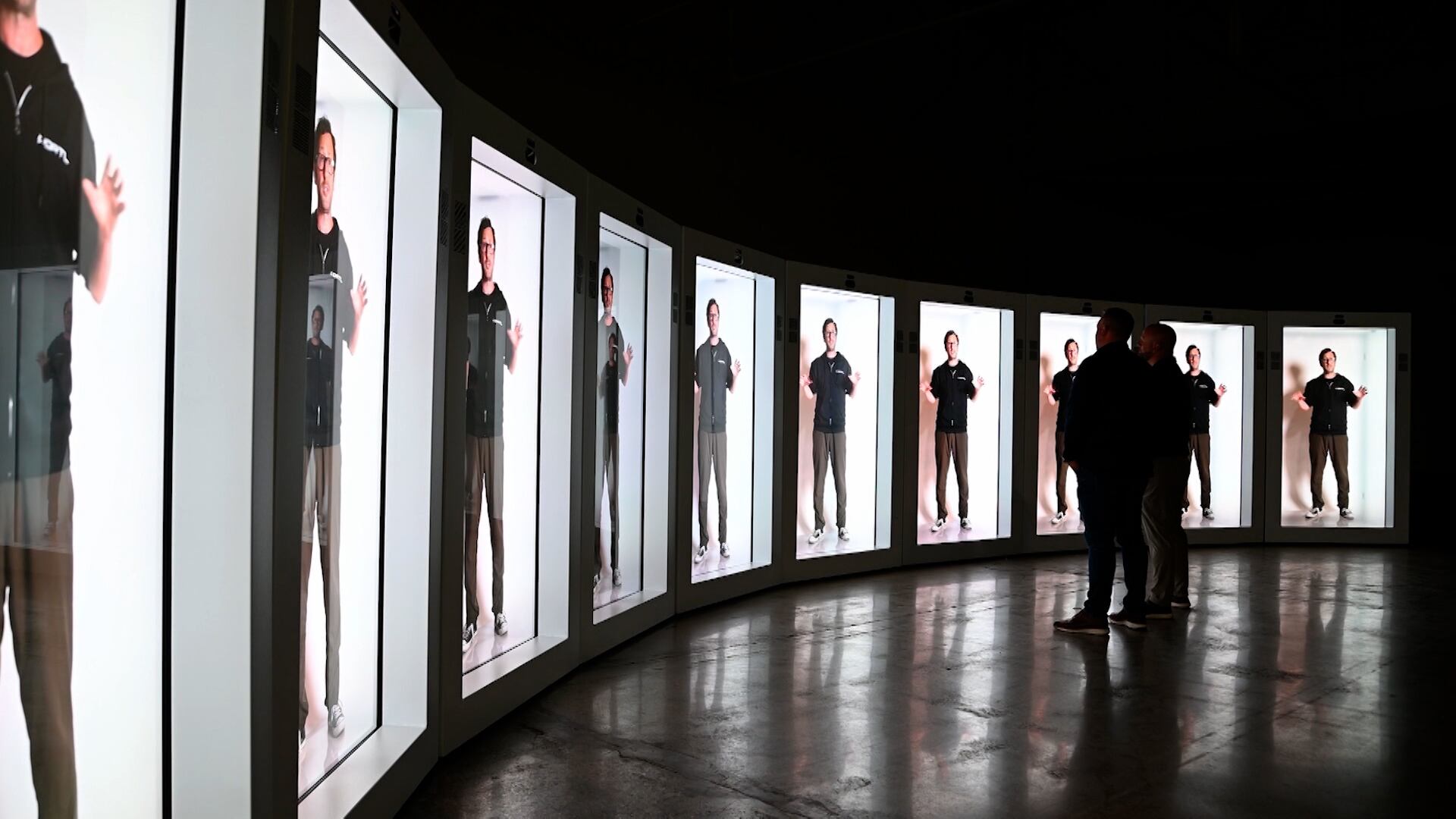
Hologram communication platform maker PORTL is looking to take communication to the next level. Founder and CEO David Nussbaum joined Cheddar to talk about the company's recent $12 million Series A funding round that will be used to bring the concept of holoportation to market. Nussbaum noted his hologram technology is just not comparable to augmented reality or virtual metaverses because the image projection is happening in real-time and in actual reality. "Well, unlike VR or AR, we're 'R.' We're real. You don't need a headset. You don't need wearables. You don't need to download anything. It's incredible," he said.
Wikipedia founder Jimmy Wales stopped by Cheddar's "Between Bells" to talk about his Birth of Wikipedia auction at Christie's putting two items linked to the origins of Wikipedia up for sale. On the auction block are his original strawberry iMac that was used to create the long-running online encyclopedia and what Wales described as an interactive NFT of his first Wikipedia edit rather than a static image. "Once it's been sold, the owner can turn it on, and anyone can edit the page and it will be reflected in the NFT," he said.
Local Bounti rang the opening bell December 3 in honor of its recent trading debut on the NYSE after closing a $1.1 billion SPAC deal. The company operates an indoor growing facility in Montana and aims to transform the production and delivery of local, fresh and sustainably-grown leafy greens. Craig Hurlbert, co-founder and co-CEO of Local Bounti, joined Cheddar to discuss the company's goals as a newly publicly-traded company.
Karen Worstell, Senior Cybersecurity Strategist at VMware, joins ChedHER to discuss the biggest trends and threats in cybersecurity going into 2022, and advice for women in the cybersecurity and tech industries.
It's Friday at long last. Jill and Carlo cover the latest on Omicron, including a possible superspreader event in NYC. Plus, previewing the November jobs report, a new Zoom feature no one asked for, and when it's no longer a good idea to eat Thanksgiving leftovers.