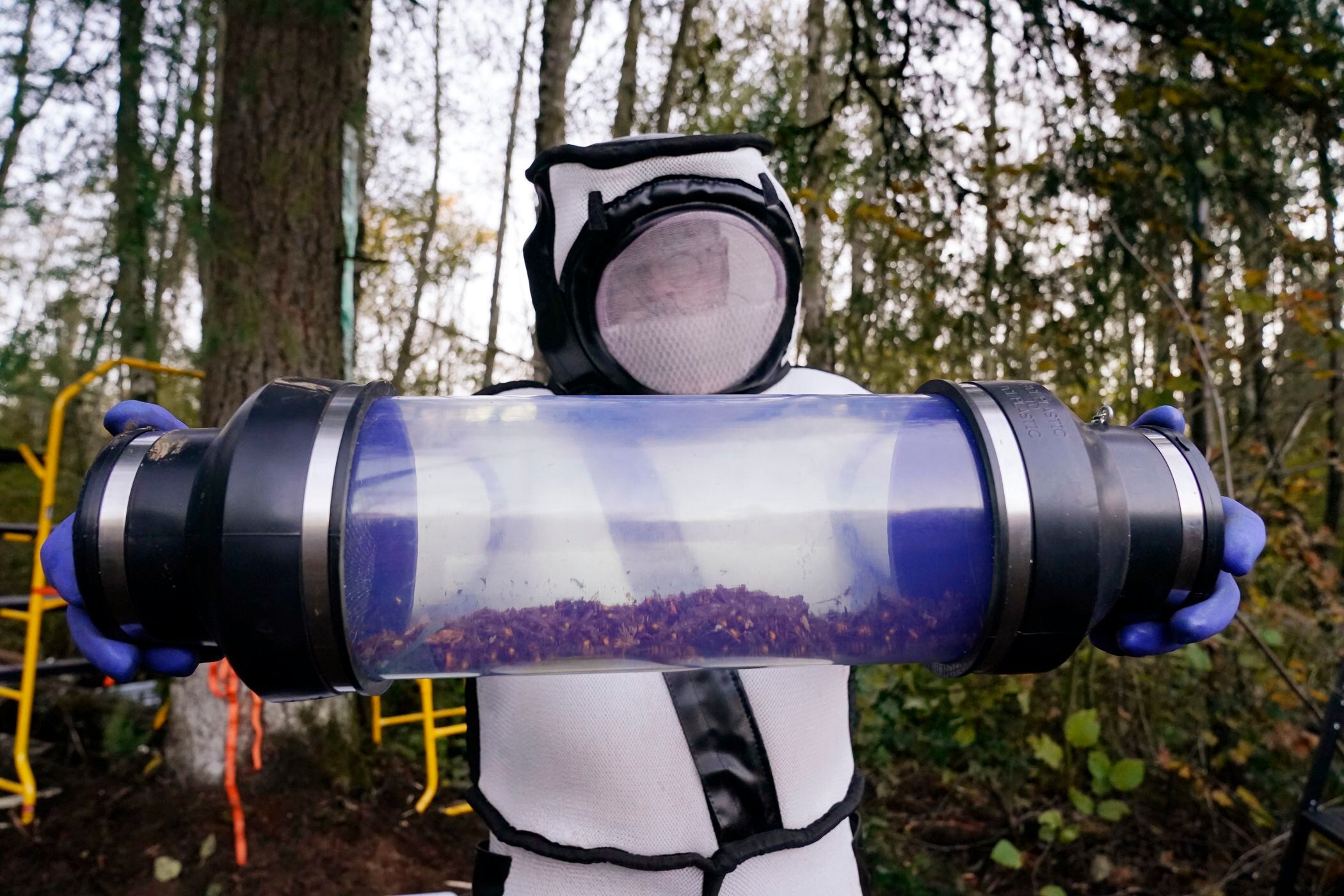
Heavily protected crews in Washington state worked Saturday to destroy the first nest of so-called murder hornets discovered in the United States.
The state Agriculture Department had spent weeks searching, trapping, and using dental floss to tie tracking devices to Asian giant hornets, which can deliver painful stings to people and spit venom but are the biggest threat to honeybees that farmers depend on to pollinate crops.
The nest found in the city of Blaine near the Canadian border is about the size of a basketball and contained an estimated 100 to 200 hornets, according to scientists who announced the find Friday.
Crews wearing thick protective suits vacuumed the invasive insects from the cavity of a tree into large canisters Saturday. The suits prevent the hornets' 6-millimeter-long stingers from hurting workers, who also wore face shields because the trapped hornets can spit a painful venom into their eyes.
The tree will be cut down to extract newborn hornets and learn if any queens have left the hive already, scientists said. Officials suspect more nests may be in the area and will keep searching. A news briefing was planned Monday on the status of the nest.
Despite their nickname and the hype that has stirred fears in an already bleak year, the world’s largest hornets kill at most a few dozen people a year in Asian countries, and experts say it is probably far less. Meanwhile, hornets, wasps, and bees typically found in the United States kill an average of 62 people a year, the Centers for Disease Control and Prevention has said.
The real threat from Asian giant hornets — which are 2 inches (5 centimeters) long — is their devastating attacks on honeybees, which are already under siege from problems like mites, diseases, pesticides, and loss of food.
The invasive insect is normally found in China, Japan, Thailand, South Korea, Vietnam, and other Asian countries. Washington state and the Canadian province of British Columbia are the only places the hornets have been found on the continent.
The nest was found after the state Agriculture Department trapped some hornets this week and used dental floss to attach radio trackers to some of them.
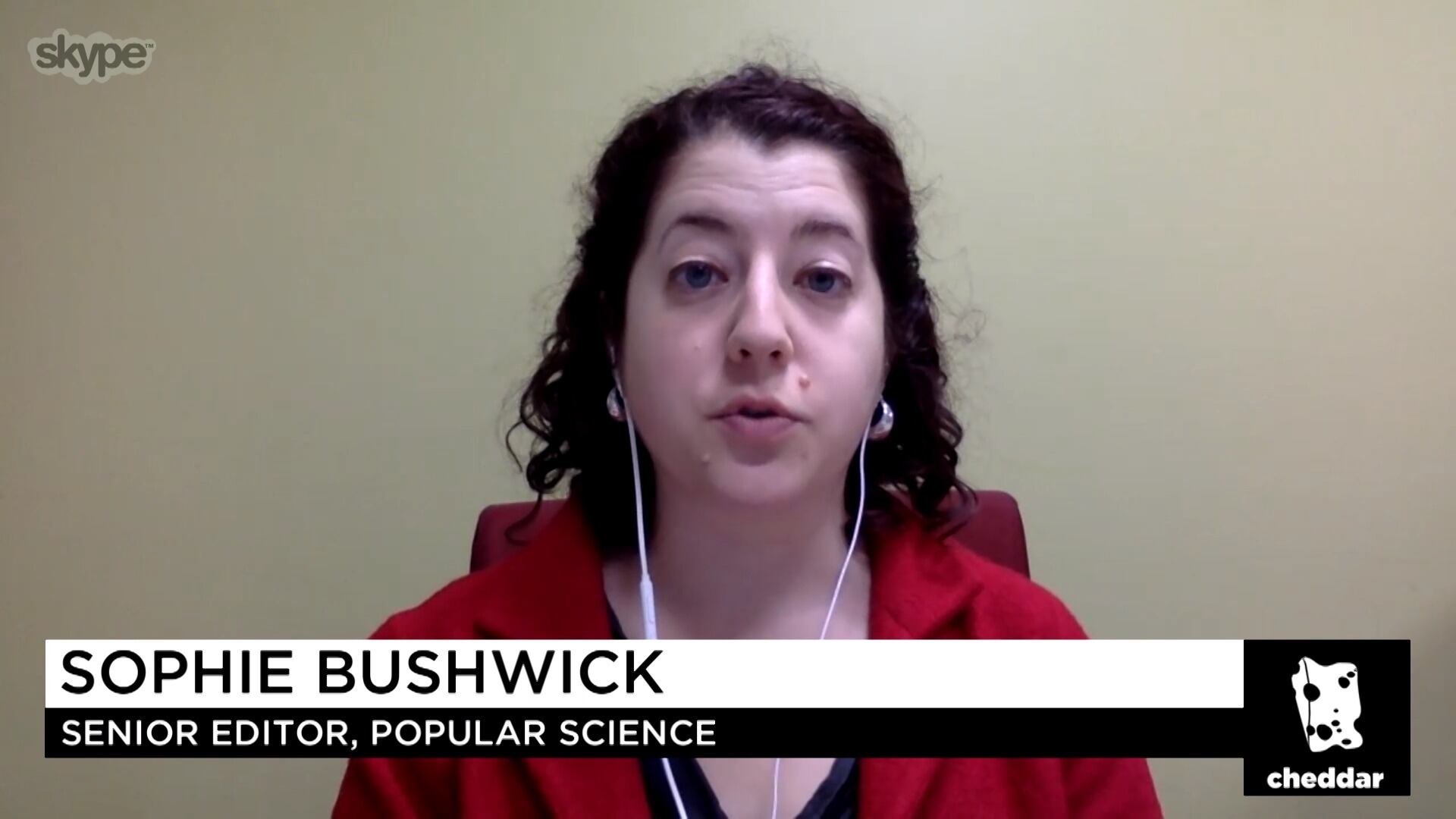
Sophie Bushwick, senior editor for Popular Science, discusses the Trump administration's recent announcement to scale back the size of two national monuments in Utah, which are home to over 400 research sites employing 2,000 scientists.
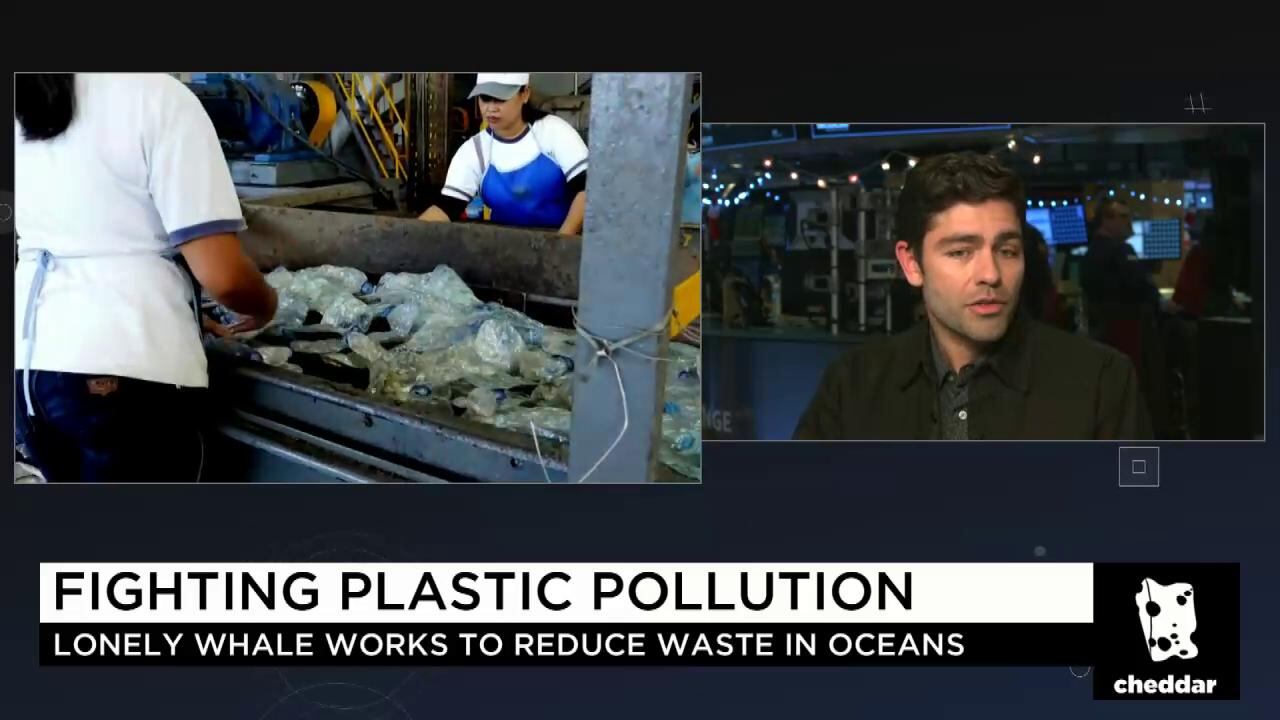
"The Devil Wears Prada" and "Entourage" star is working with Dell to prevent plastic from entering the ocean.
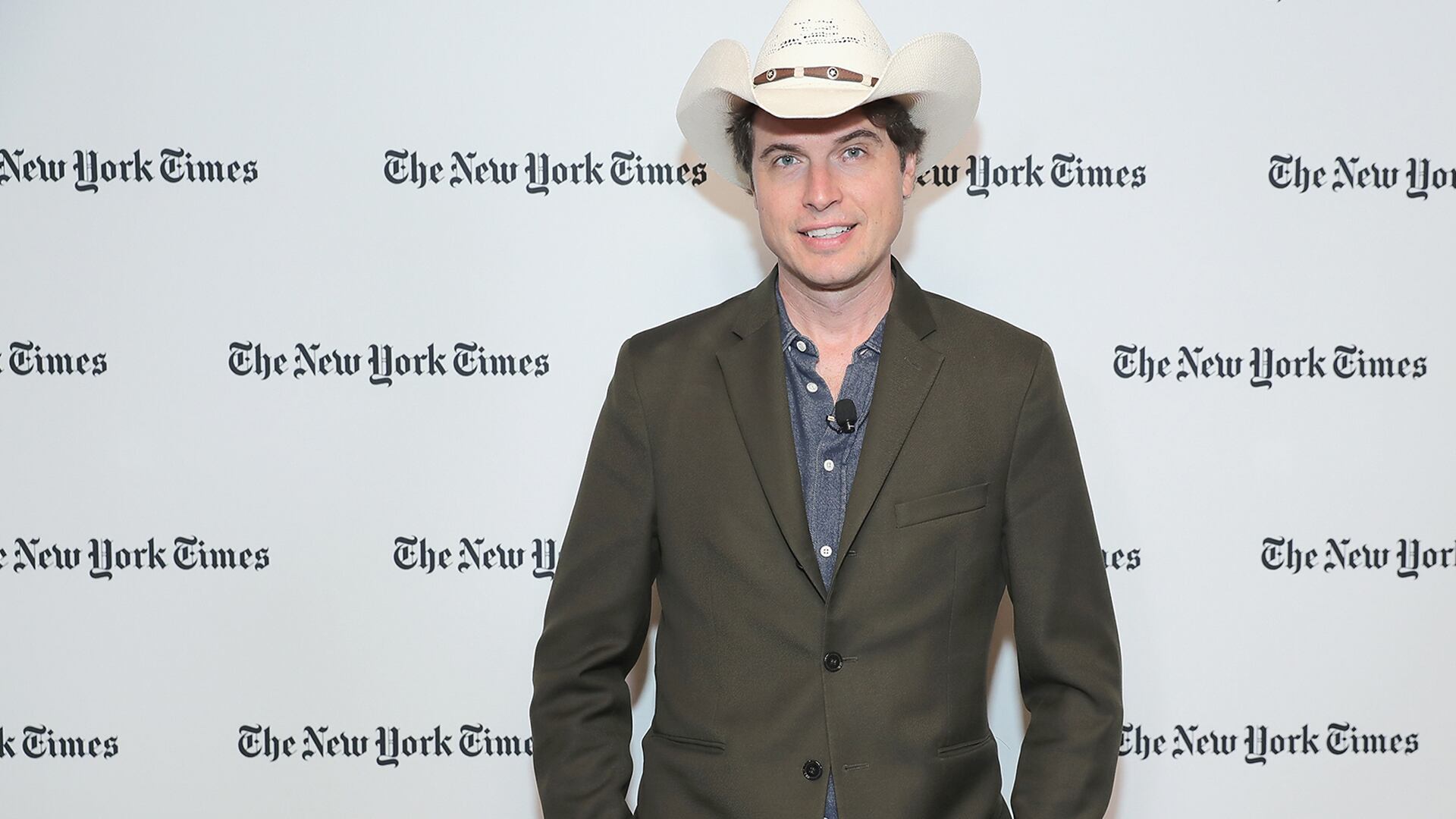
Kimbal Musk is on a mission to base the American restaurant and food system on clean farming and eating. He is transforming food the same way his brother, Elon, is transforming electric cars and space travel.
Can you remember the last time you had a good night's sleep? Many people go weeks without sleeping through the entire night. Marina Khidekel, Senior Deputy Editor at Women's Health, joins Cheddar to talk about its latest sleep study in partnership with Thrive Global and the American Sleep Association.
Boeing's Chief Executive has once again told the public his company will beat Elon Musk's SpaceX in its mission to Mars. Will Goodman, Managing Editor at Rockets are Cool, joins Cheddar to discuss the competition between the two aviation companies.
Quanterix, a company developing technology designed to enable earlier disease detection, made its market debut on Thursday. Shares of the company surged after pricing at $15 a share, and opening at $16.25 a share. Kevin Hrusovsky, CEO of Quanterix, was with us to discuss how the company plans to revolutionize healthcare.
Woebot is an A.I. chat robot on Facebook that is increasing access to therapy. The new chatbot is a digital alternative to going to see a therapist, and is currently free.
Could a merger of SpaceX and Tesla be in Elon Musk's future?
An analyst at Morgan Stanley seems to think so, writing a note that lays out several reasons why, he thinks, a full partnership between the two companies could happen. Linda Lacina, Managing Editor at Entrepreneur joins Cheddar to discuss the news.
Kelly Noonan Gores takes viewers inside the connection between our bodies and minds with her new critically-acclaimed documentary “Heal.” She sits down with Alyssa Julya Smith at Cheddar’s WeWork studio in Los Angeles to discuss the spiritual journey people take to become healthy, and to rid the body of stressors that can cause illness.
Glassdoor Co-founder and CEO Robert Hohman tells Cheddar how the top employers made the cut.