Heavily protected crews in Washington state worked Saturday to destroy the first nest of so-called murder hornets discovered in the United States.
The state Agriculture Department had spent weeks searching, trapping, and using dental floss to tie tracking devices to Asian giant hornets, which can deliver painful stings to people and spit venom but are the biggest threat to honeybees that farmers depend on to pollinate crops.
The nest found in the city of Blaine near the Canadian border is about the size of a basketball and contained an estimated 100 to 200 hornets, according to scientists who announced the find Friday.
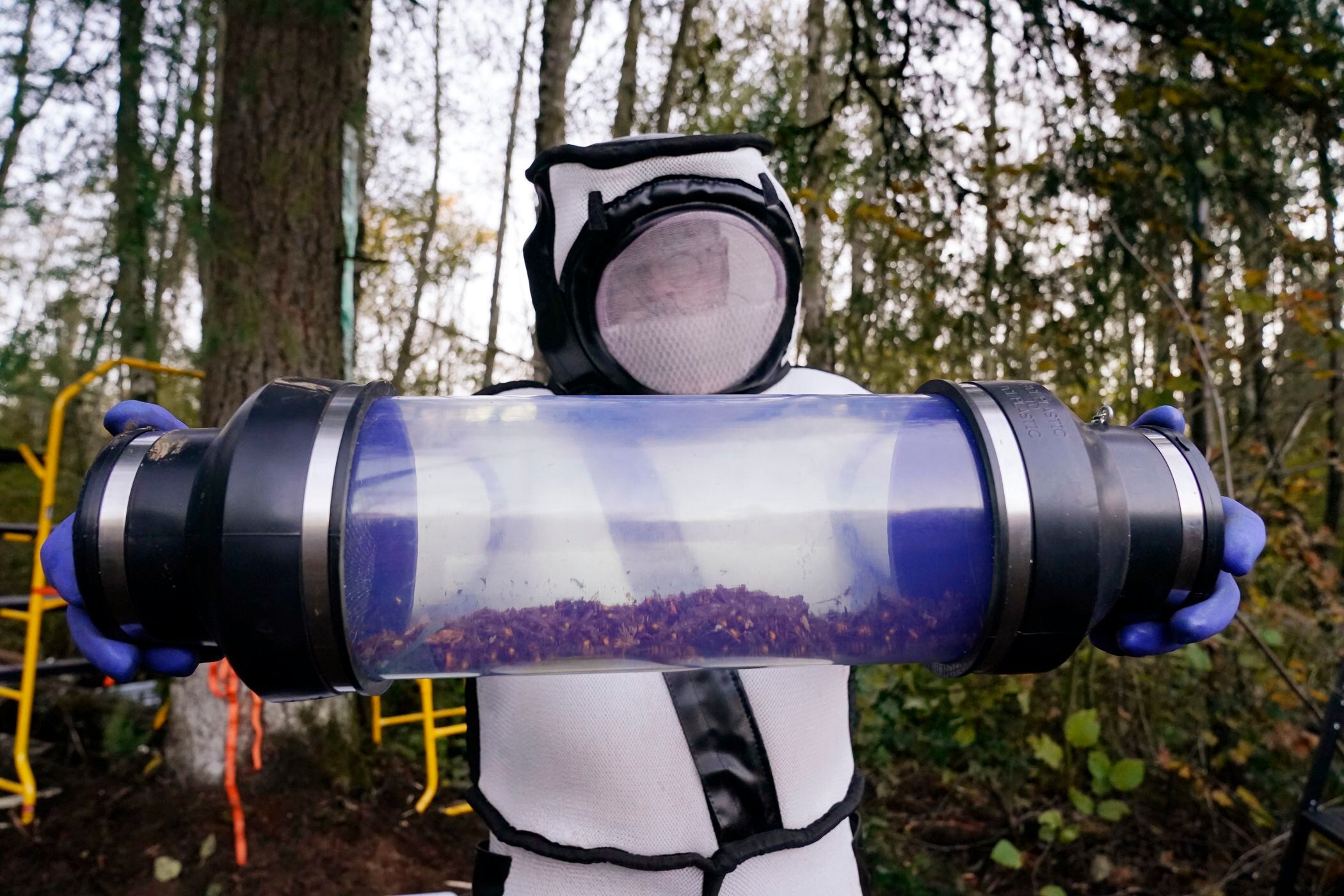
Crews wearing thick protective suits vacuumed the invasive insects from the cavity of a tree into large canisters Saturday. The suits prevent the hornets' 6-millimeter-long stingers from hurting workers, who also wore face shields because the trapped hornets can spit a painful venom into their eyes.
The tree will be cut down to extract newborn hornets and learn if any queens have left the hive already, scientists said. Officials suspect more nests may be in the area and will keep searching. A news briefing was planned Monday on the status of the nest.
Despite their nickname and the hype that has stirred fears in an already bleak year, the world’s largest hornets kill at most a few dozen people a year in Asian countries, and experts say it is probably far less. Meanwhile, hornets, wasps, and bees typically found in the United States kill an average of 62 people a year, the Centers for Disease Control and Prevention has said.
The real threat from Asian giant hornets — which are 2 inches (5 centimeters) long — is their devastating attacks on honeybees, which are already under siege from problems like mites, diseases, pesticides, and loss of food.
The invasive insect is normally found in China, Japan, Thailand, South Korea, Vietnam, and other Asian countries. Washington state and the Canadian province of British Columbia are the only places the hornets have been found on the continent.
The nest was found after the state Agriculture Department trapped some hornets this week and used dental floss to attach radio trackers to some of them.
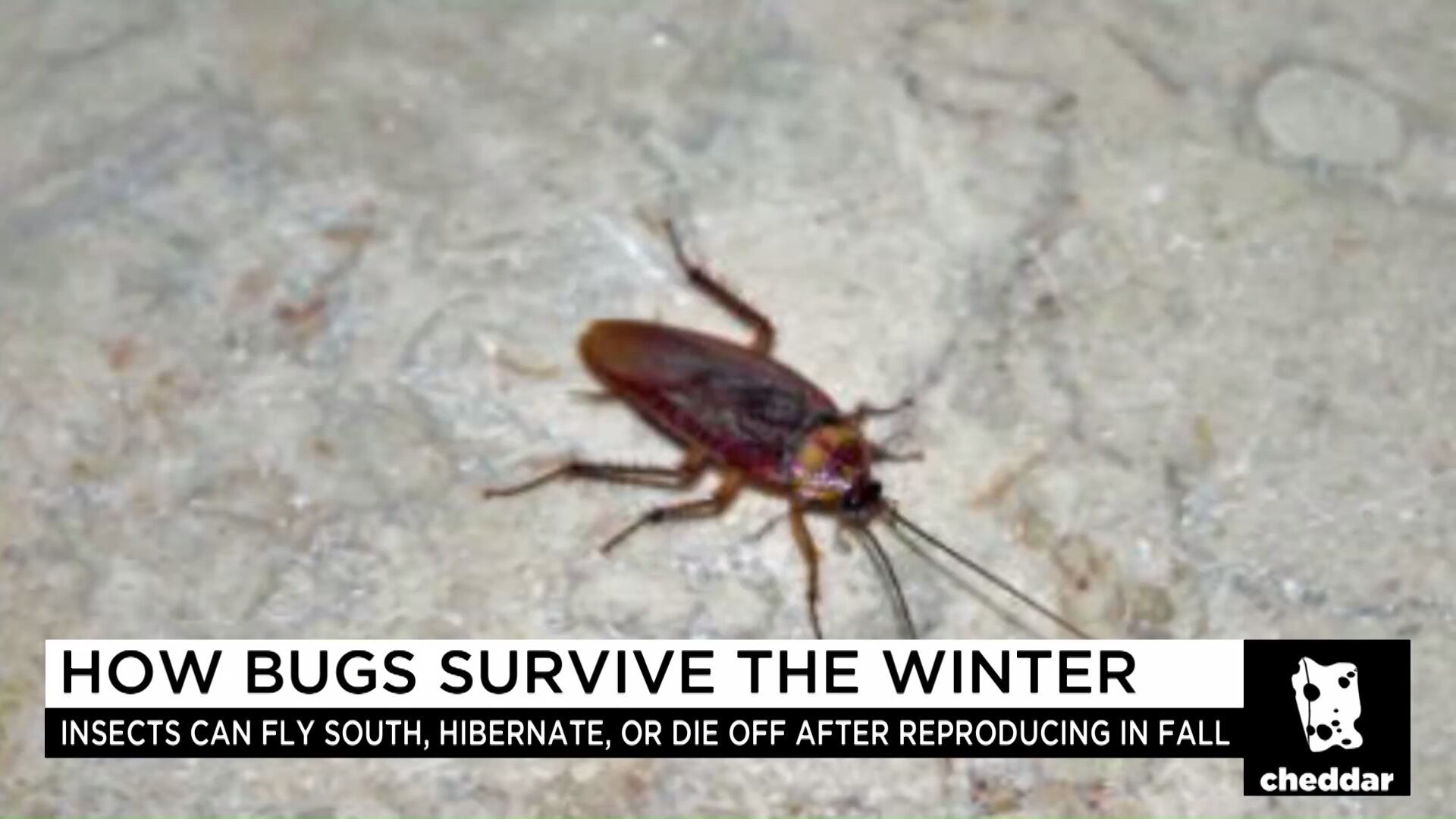
Not all of us can cozy up by the fire to brave the winter weather. Curiosity.com's Ashley Hamer joins Cheddar to answer how insects survive the cold, and more of your burning winter questions.
Chief Strategy and Financial Officer George Barrios told Cheddar at CES that this initiative by the WWE is an extension of the company's social and digital strategy.
Matthew Myers has been the Dean of the Cox School of Business at Southern Methodist University since August 2017. Myers has been working with the leadership team at SMU to continue attracting students to SMU and building out their STEM program collaborations.
The east coast is recovering this Monday after a brutally cold weekend following the bomb cyclone. Sara Miller, Editor at Live Science, joins Cheddar to discuss what we can expect for the rest of the winter and what signs we should look out for when it comes to global warming.
The snow from the "bomb cyclone" may be done falling, but those snowflakes are being replaced by falling and freezing temperatures. Meteorologists Mace Michael and Dan Leonard join Cheddar to go over what to expect this weekend and how businesses are fairing in these temps.
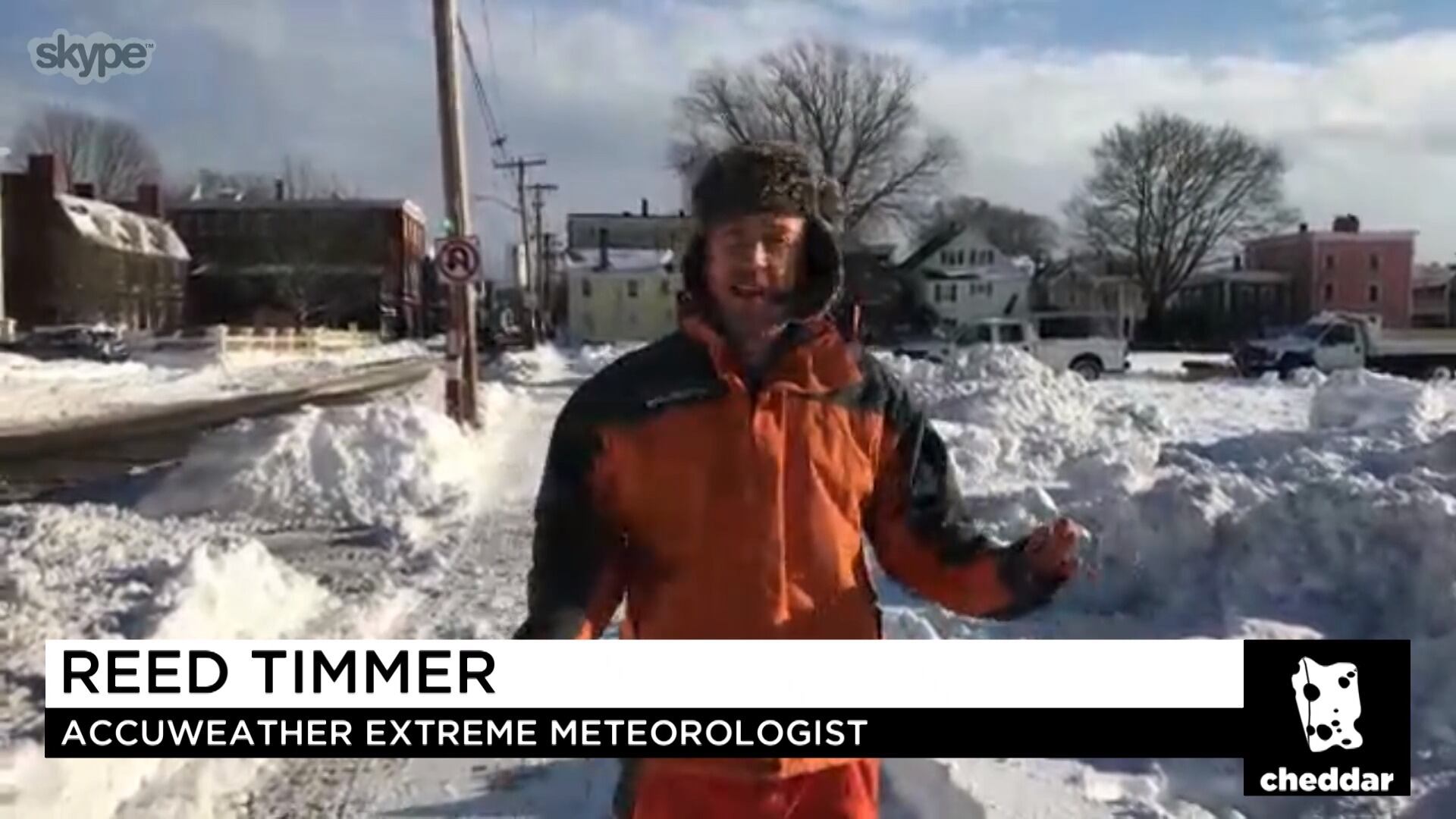
Reed Timmer, AccuWeather Extreme Meteorologist, joins us live from Salem, Massachusetts where he discusses the record flooding and the historic cold and precipitation from bomb cyclone "Grayson."
The East Coast is getting hit by a major snowstorm. The weather event is being called a "bomb cyclone." Andrew Freedman is a Science Editor at Mashable and he joins Cheddar to explain why the storm is so strong and what will continue to happen.
VF Hive + Between Bells: The crew from Vanity Fair’s Hive discusses the new day at 'Today.' Between Bells looks at the Trump's new war on Bannon, and why Meryl is calling out Ivanka and Melania. With Women's Health, Mental Floss, YourTango and more.
Women's Health Magazine is making a move to showcase more diverse body types in its pages. Starting this month, the magazine will permanently replace fitness models with physically fit readers of all types and sizes in its popular "15-Minute Workout" column. Site Director Robin Hilmantel joins us with more on the change.
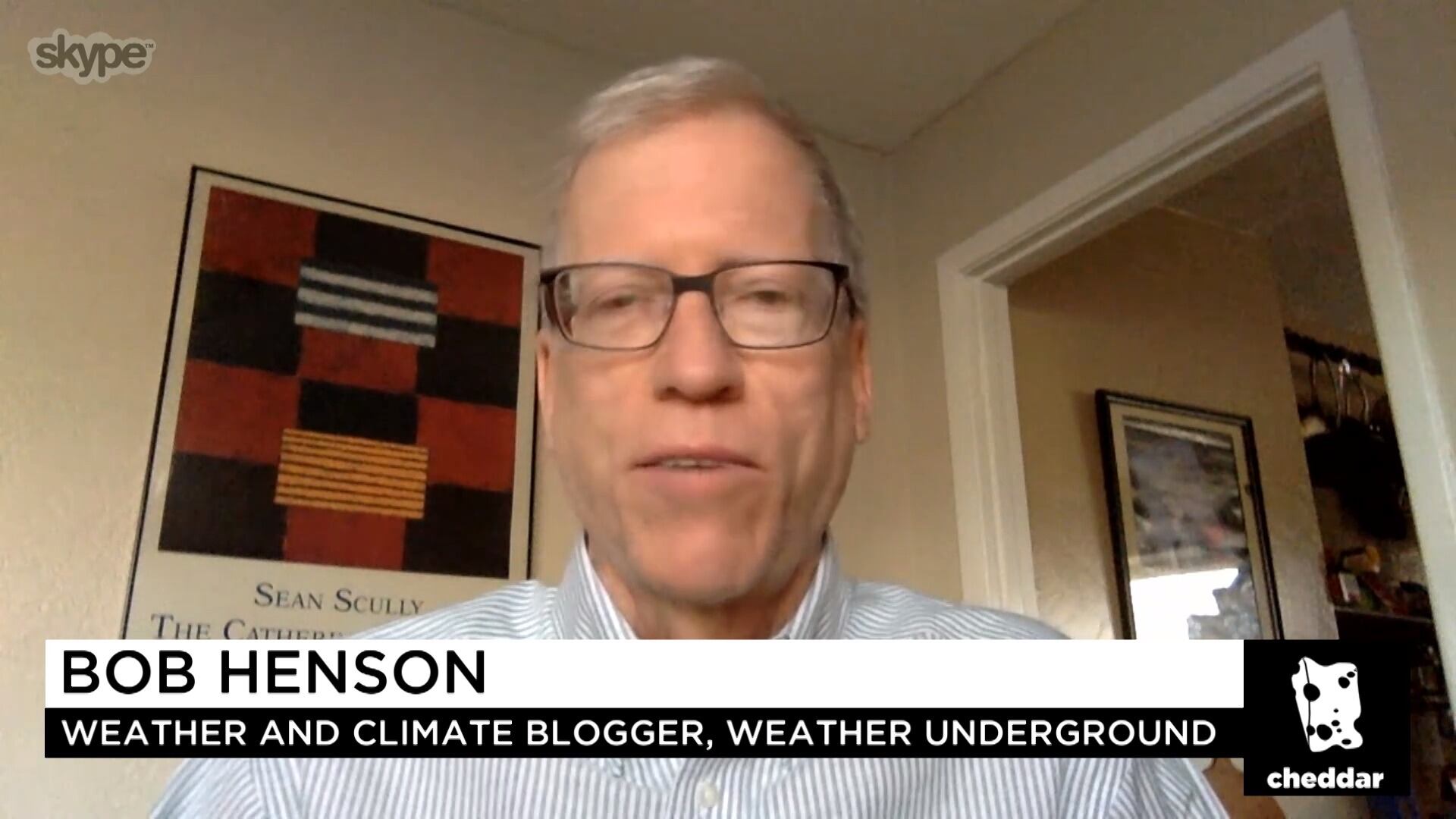
Bob Henson, weather and climate blogger at Weather Underground, discuss the arctic blast of cold air the United States has seen over the last couple of weeks and the "bomb" cyclone that meteorologists are calling winter storm Grayson.