Heavily protected crews in Washington state worked Saturday to destroy the first nest of so-called murder hornets discovered in the United States.
The state Agriculture Department had spent weeks searching, trapping, and using dental floss to tie tracking devices to Asian giant hornets, which can deliver painful stings to people and spit venom but are the biggest threat to honeybees that farmers depend on to pollinate crops.
The nest found in the city of Blaine near the Canadian border is about the size of a basketball and contained an estimated 100 to 200 hornets, according to scientists who announced the find Friday.
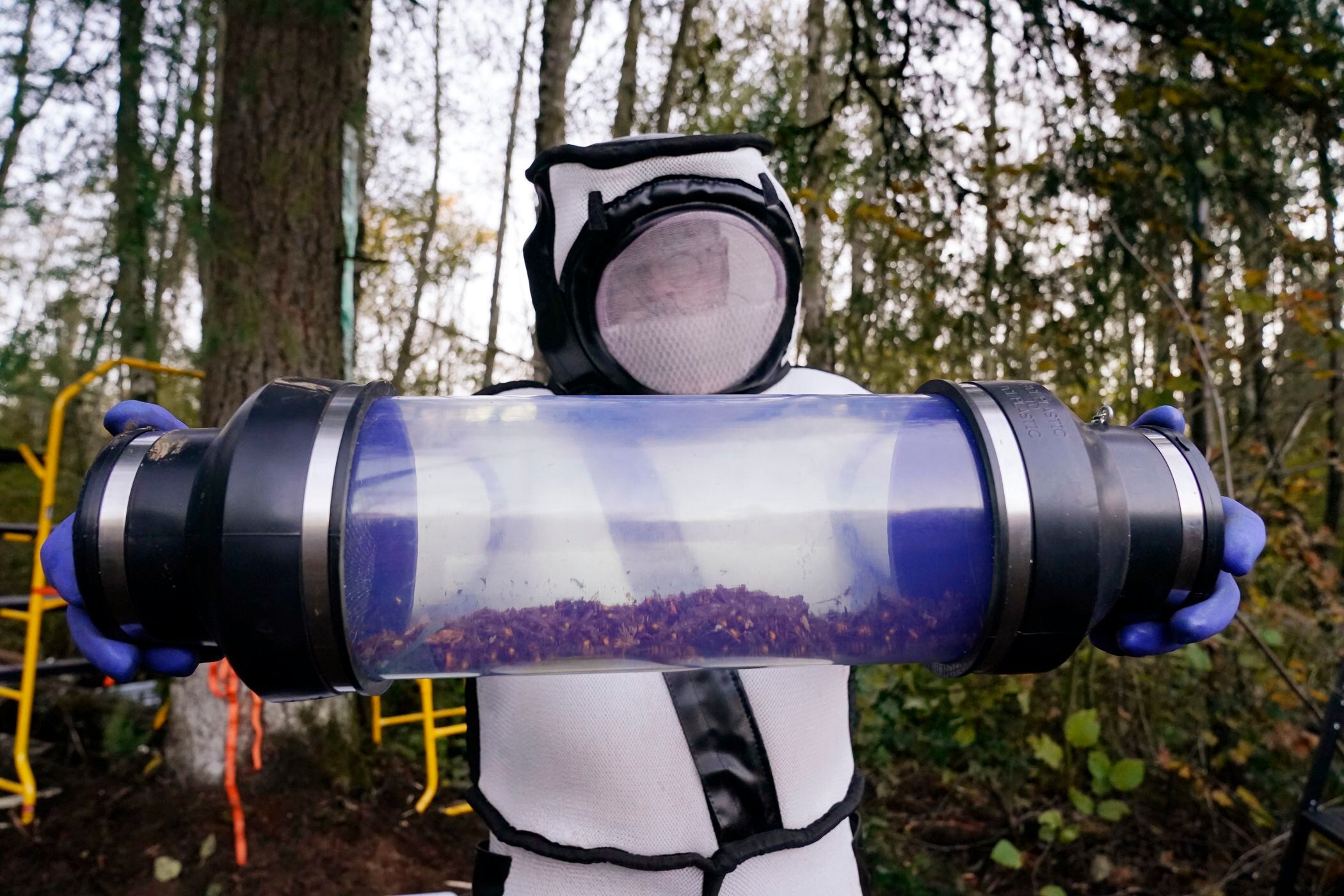
Crews wearing thick protective suits vacuumed the invasive insects from the cavity of a tree into large canisters Saturday. The suits prevent the hornets' 6-millimeter-long stingers from hurting workers, who also wore face shields because the trapped hornets can spit a painful venom into their eyes.
The tree will be cut down to extract newborn hornets and learn if any queens have left the hive already, scientists said. Officials suspect more nests may be in the area and will keep searching. A news briefing was planned Monday on the status of the nest.
Despite their nickname and the hype that has stirred fears in an already bleak year, the world’s largest hornets kill at most a few dozen people a year in Asian countries, and experts say it is probably far less. Meanwhile, hornets, wasps, and bees typically found in the United States kill an average of 62 people a year, the Centers for Disease Control and Prevention has said.
The real threat from Asian giant hornets — which are 2 inches (5 centimeters) long — is their devastating attacks on honeybees, which are already under siege from problems like mites, diseases, pesticides, and loss of food.
The invasive insect is normally found in China, Japan, Thailand, South Korea, Vietnam, and other Asian countries. Washington state and the Canadian province of British Columbia are the only places the hornets have been found on the continent.
The nest was found after the state Agriculture Department trapped some hornets this week and used dental floss to attach radio trackers to some of them.
Cheddar's CannaBiz explores the latest trends, politics, and market opportunity in this space. Cheddar Anchor's Brad Smith, Hope King and Alyssa Julya Smith speak with legislators and start-up founders in this emerging market.
This Changes Things: Advice for the executives and leaders of tomorrow, brought to you by American Express OPEN. On Between Bells: The Bachelor finale and big changes at ESPN. With Popular Science, Us Weekly, and more.
His new Amazon bestseller, "The Longevity Diet," helps patients to live longer, healthier and more fulfilling lives by slowing aging, fighting disease and optimizing weight. Dr. Valter Longo sits down with Alyssa Julya Smith in Los Angeles to share some of his secrets to living a healthier life.
Marrying your cousin has long been considered taboo, but new research says that procreating with your cousins may not be as risky as previously thought. Popular Science's Eleanor Cummins breaks down the findings.
Sarah Lewin, associate editor at Space.com, breaks down SpaceX's landmark 50th Falcon 9 launch. The rocket took off early Tuesday morning, launching a communications satellite into orbit.
The Dow closes up more than 300 points as trade war fears subside. Amazon is looking to team up with banks to build a checking account-type product. There's also new speculation on where Amazon's HQ2 might be located. Apple reportedly releasing a cheaper MacBook Air. Former Trump campaign aide refuses to cooperated and the Mueller investigation.
Every three minutes, someone in the U.S. is diagnosed with blood cancer. These people often rely on bone marrow donations to survive, but getting a match can be difficult. To make registering easier, the non-profit DKMS has launched virtual bone marrow drives.
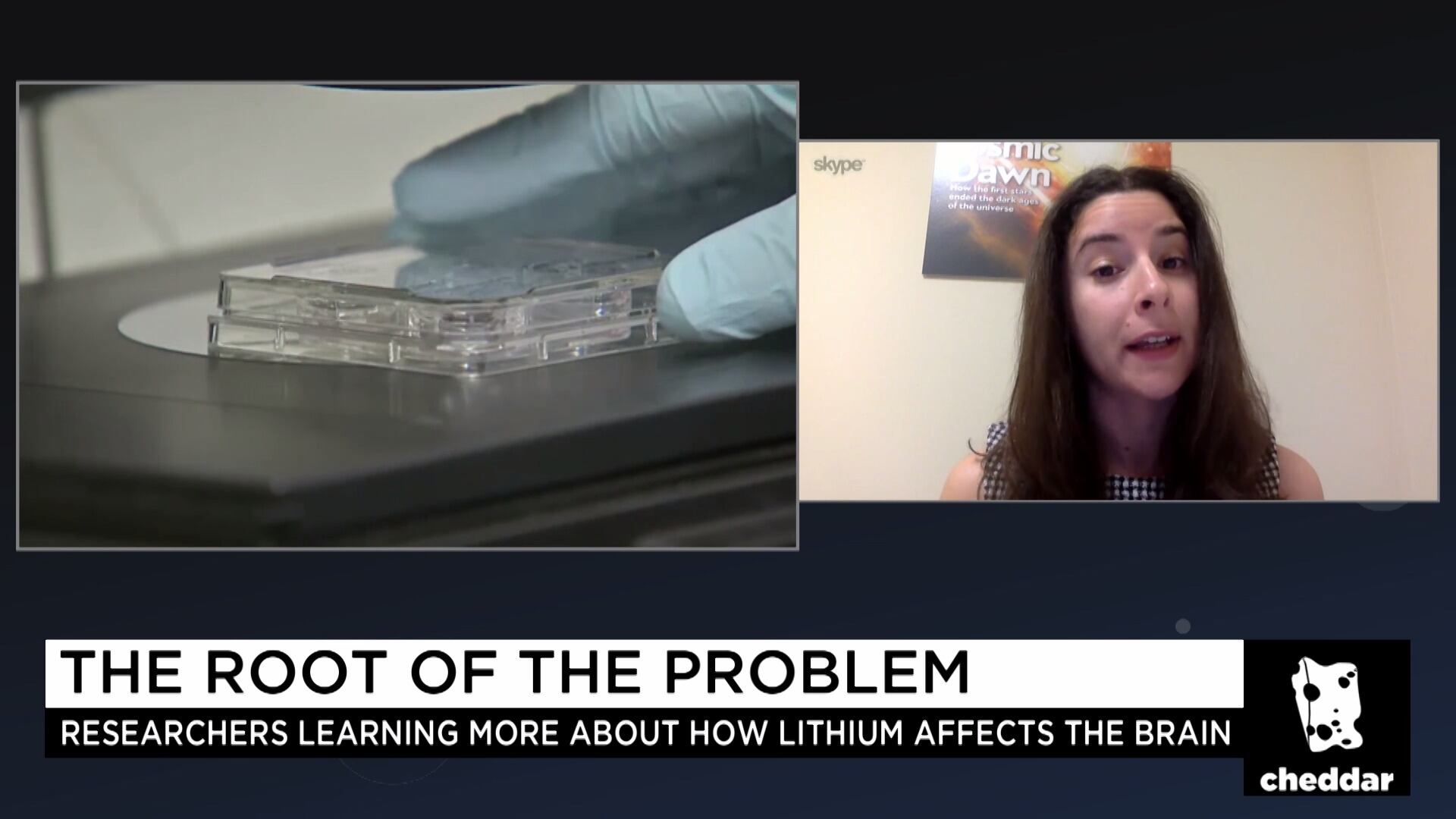
Dina Fine Maron, health & science editor at Scientific American, discusses the breakthrough that could help doctors diagnose mental illnesses. Stem cells have enabled researchers to see how lithium affects the brain.
Eric Harris, president and chief operating officer at Cheddar, joins us to talk about the company's participation in Cycle for Survival, an indoor charity cycling event raising money for rare cancers.
Snap is planning to release new versions of its hugely unpopular Spectacles. The Weinstein Co. lives to fight another day after a last-minute deal emerged Thursday night.