Heavily protected crews in Washington state worked Saturday to destroy the first nest of so-called murder hornets discovered in the United States.
The state Agriculture Department had spent weeks searching, trapping, and using dental floss to tie tracking devices to Asian giant hornets, which can deliver painful stings to people and spit venom but are the biggest threat to honeybees that farmers depend on to pollinate crops.
The nest found in the city of Blaine near the Canadian border is about the size of a basketball and contained an estimated 100 to 200 hornets, according to scientists who announced the find Friday.
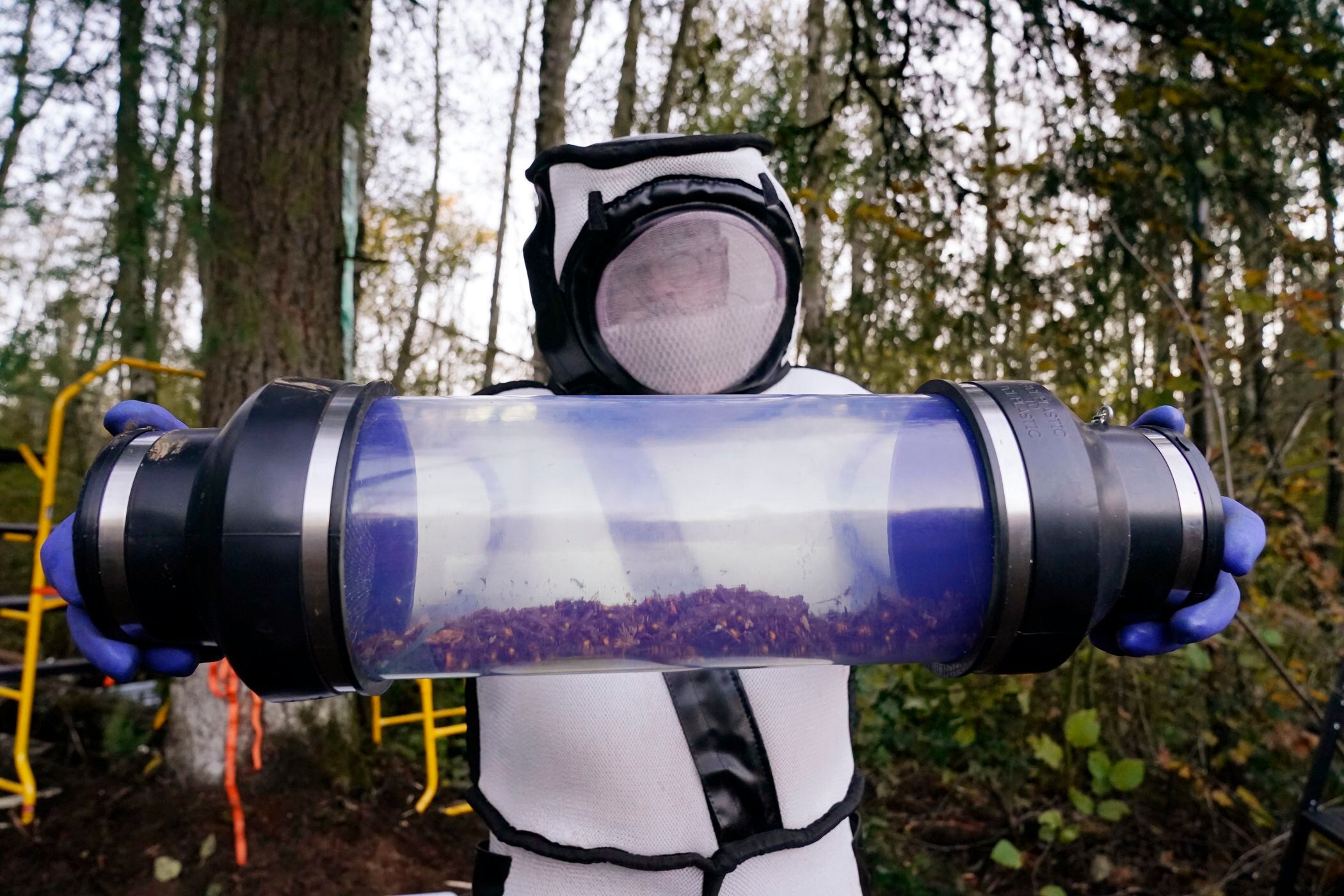
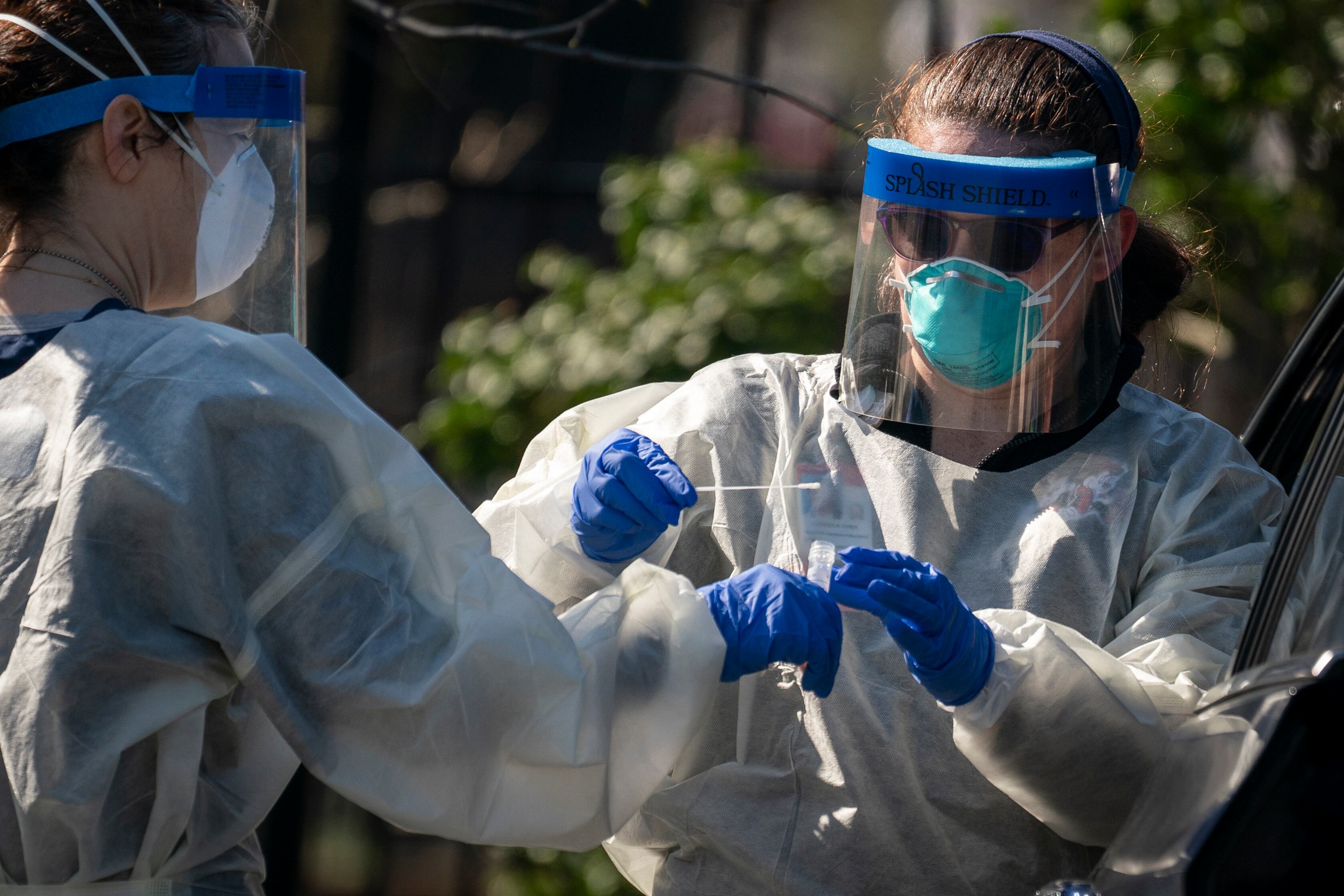
Crews wearing thick protective suits vacuumed the invasive insects from the cavity of a tree into large canisters Saturday. The suits prevent the hornets' 6-millimeter-long stingers from hurting workers, who also wore face shields because the trapped hornets can spit a painful venom into their eyes.
The tree will be cut down to extract newborn hornets and learn if any queens have left the hive already, scientists said. Officials suspect more nests may be in the area and will keep searching. A news briefing was planned Monday on the status of the nest.
Despite their nickname and the hype that has stirred fears in an already bleak year, the world’s largest hornets kill at most a few dozen people a year in Asian countries, and experts say it is probably far less. Meanwhile, hornets, wasps, and bees typically found in the United States kill an average of 62 people a year, the Centers for Disease Control and Prevention has said.
The real threat from Asian giant hornets — which are 2 inches (5 centimeters) long — is their devastating attacks on honeybees, which are already under siege from problems like mites, diseases, pesticides, and loss of food.
The invasive insect is normally found in China, Japan, Thailand, South Korea, Vietnam, and other Asian countries. Washington state and the Canadian province of British Columbia are the only places the hornets have been found on the continent.
The nest was found after the state Agriculture Department trapped some hornets this week and used dental floss to attach radio trackers to some of them.
Announcing 599 deaths in the last 24 hours, Cuomo called the fatality number “effectively flat for two days,” which he said hints at a possible flattening of New York’s curve, along with fewer hospital and ICU admissions
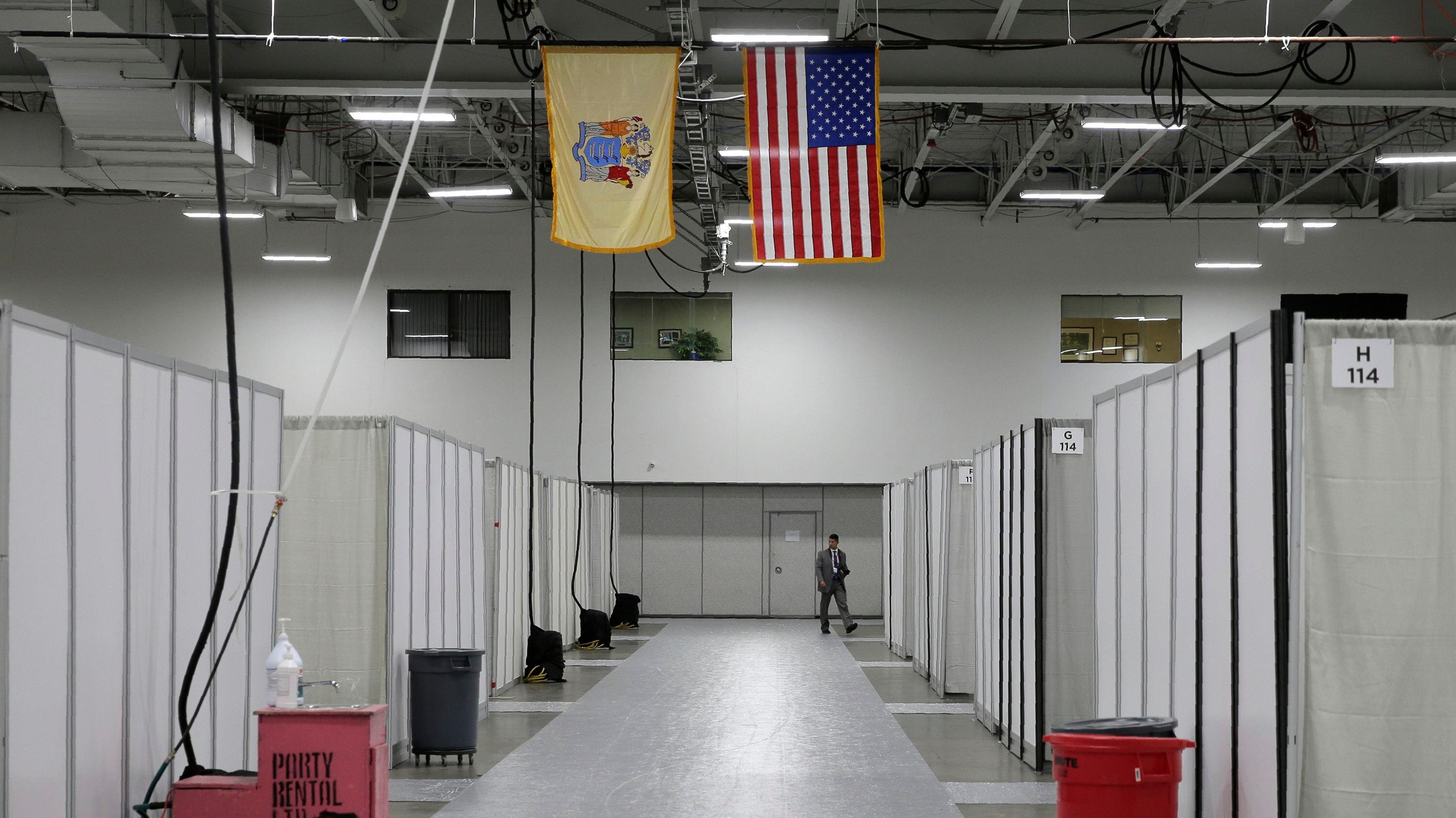
New Jersey is emerging as another hot spot of COVID-19 with nearly 40,000 confirmed cases and 917 deaths. However, the head of one of the state's health care systems said officials there hope they are beginning to see a peak.
With the number of coronavirus patients exploding in hotspots like New York and hospitals facing a critical shortage of life-saving equipment, health care providers may soon be facing an excruciating choice: Who gets to live. And who doesn’t.
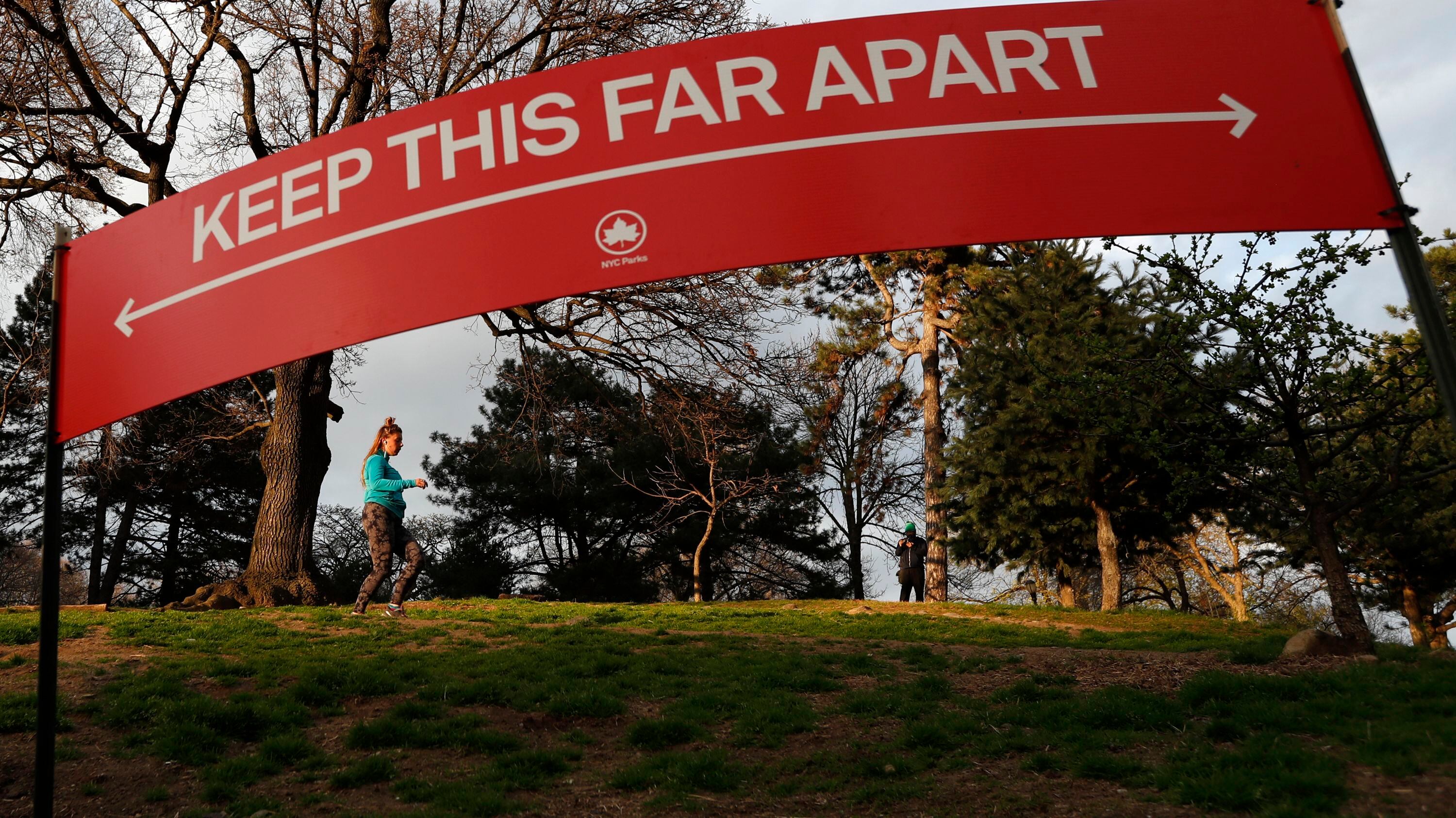
Experts maintain that despite social distancing and quarantining measures during the coronavirus pandemic, people should still attempt to socialize "serendipitously" and commit to acts of kindness to mitigate the stress.
Rep. Greg Walden (R-Ore. 2nd District) supports the "basic public health protocol" is leading to drastic mitigation of the pandemic in his state of Oregon.
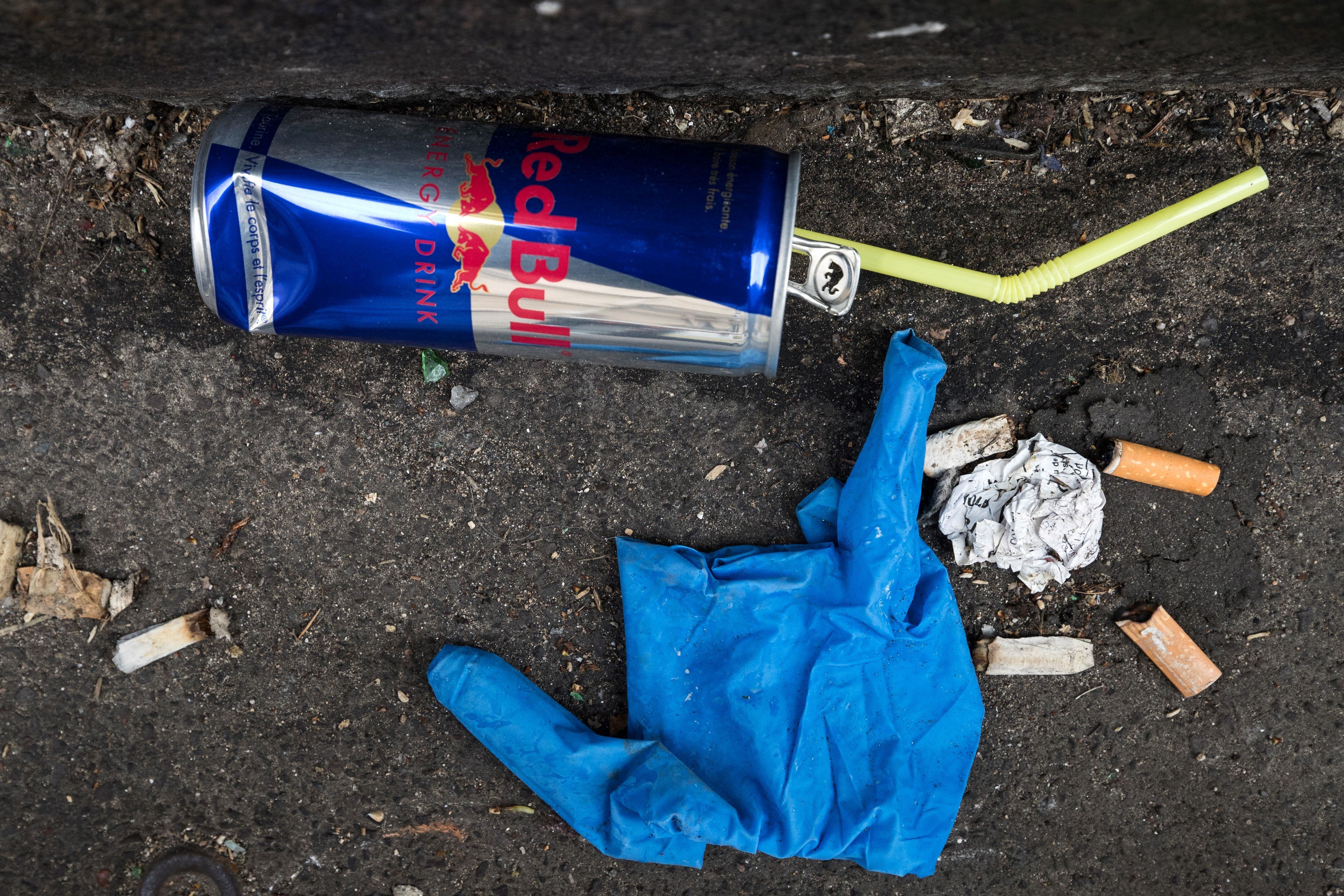
Like many of you out there, everyone at Cheddar is cooped up at home for maximum social distancing. And we’ve noticed something: in our respective self-quarantines, we’re taking out the trash a lot more than usual.
So our Megan Pratz teamed up with HEATED’s Emily Atkin to figure out the impact this extra waste is having on our communities.
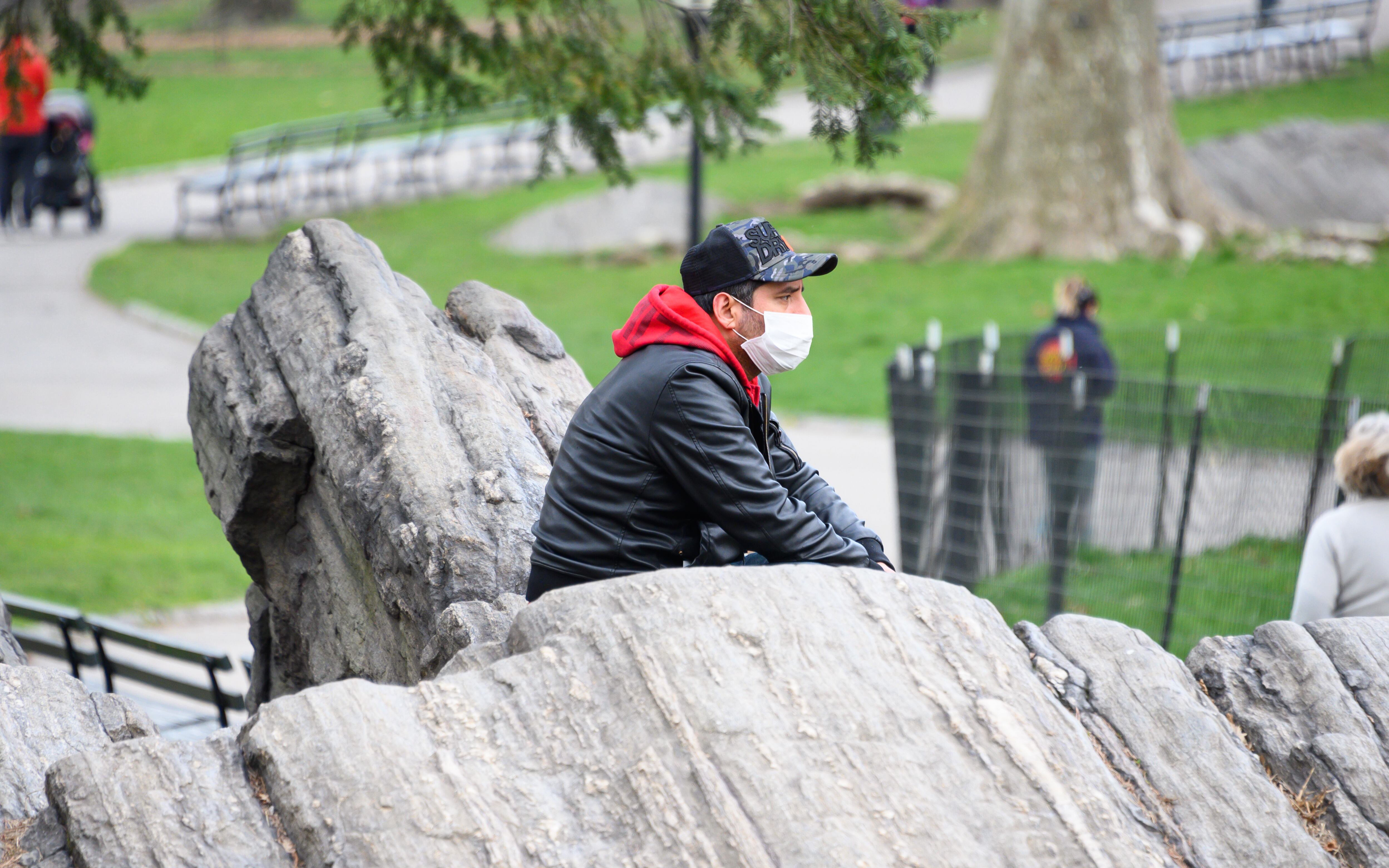
The Trump administration is formalizing new guidance to recommend that many Americans wear face coverings in an effort to slow the spread of the new coronavirus, as the president is aggressively defending his response to the public health crisis.
The coronavirus outbreak has triggered a stunning collapse in the U.S. workforce, with 10 million people losing their jobs in the past two weeks. Meanwhile, the number of confirmed infections worldwide has hit 1 million, with more than 50,000 deaths, according to the tally kept by Johns Hopkins University.
Dr. Eric Wei, chief quality officer for NYC Health + Hospitals, told Cheddar that one of his biggest fears as a hospital administrator and ER doctor is the potential impact of the pandemic on the emotional and mental well being of the health care workers.
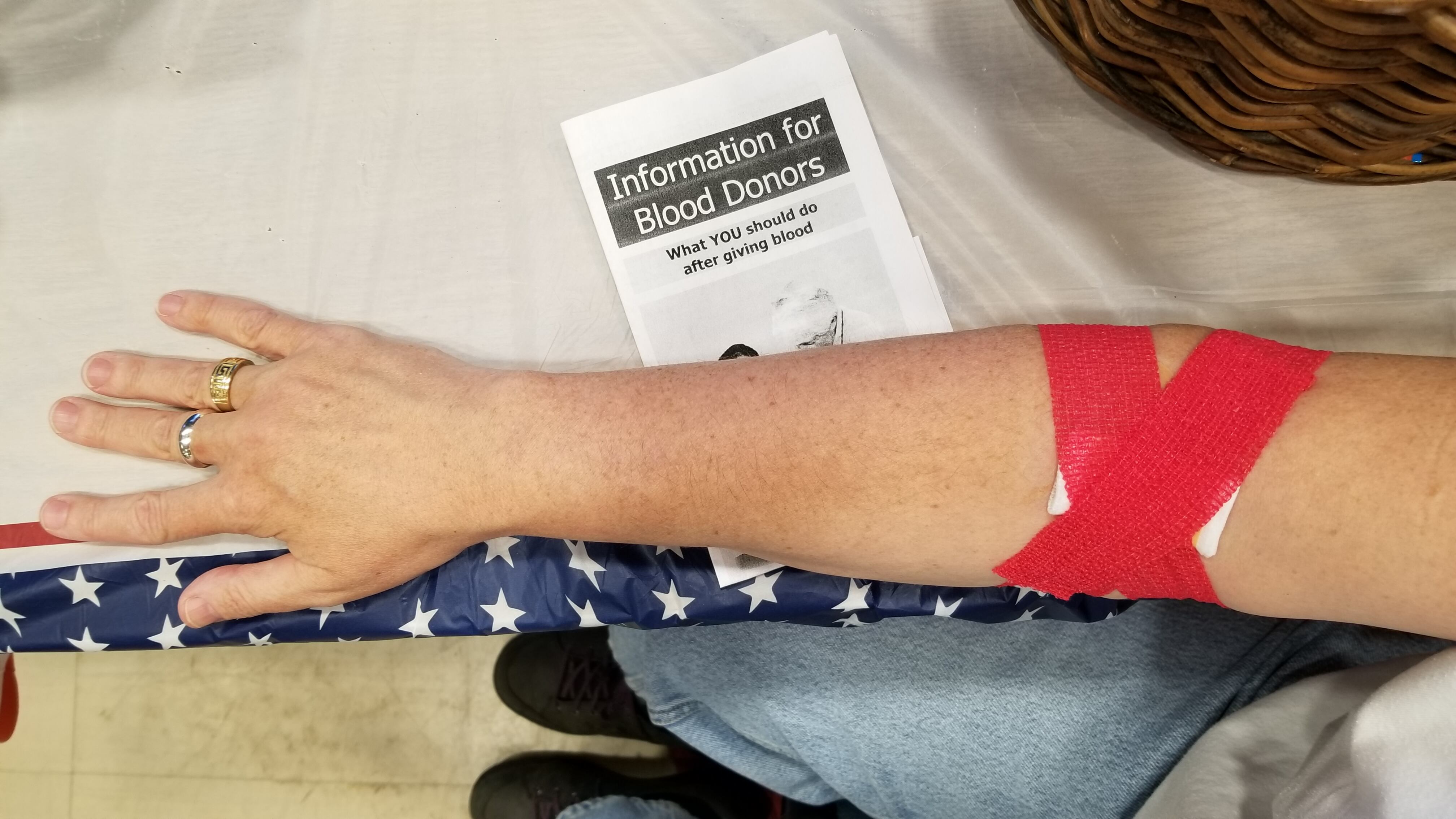
The U.S. Food and Drug Administration has released new guidelines for blood donors to bolster the supply of urgently needed blood and blood components. Most notable perhaps is a partial lifting of the controversial ban on men who have had sexual relations with another man within the last 12 months.