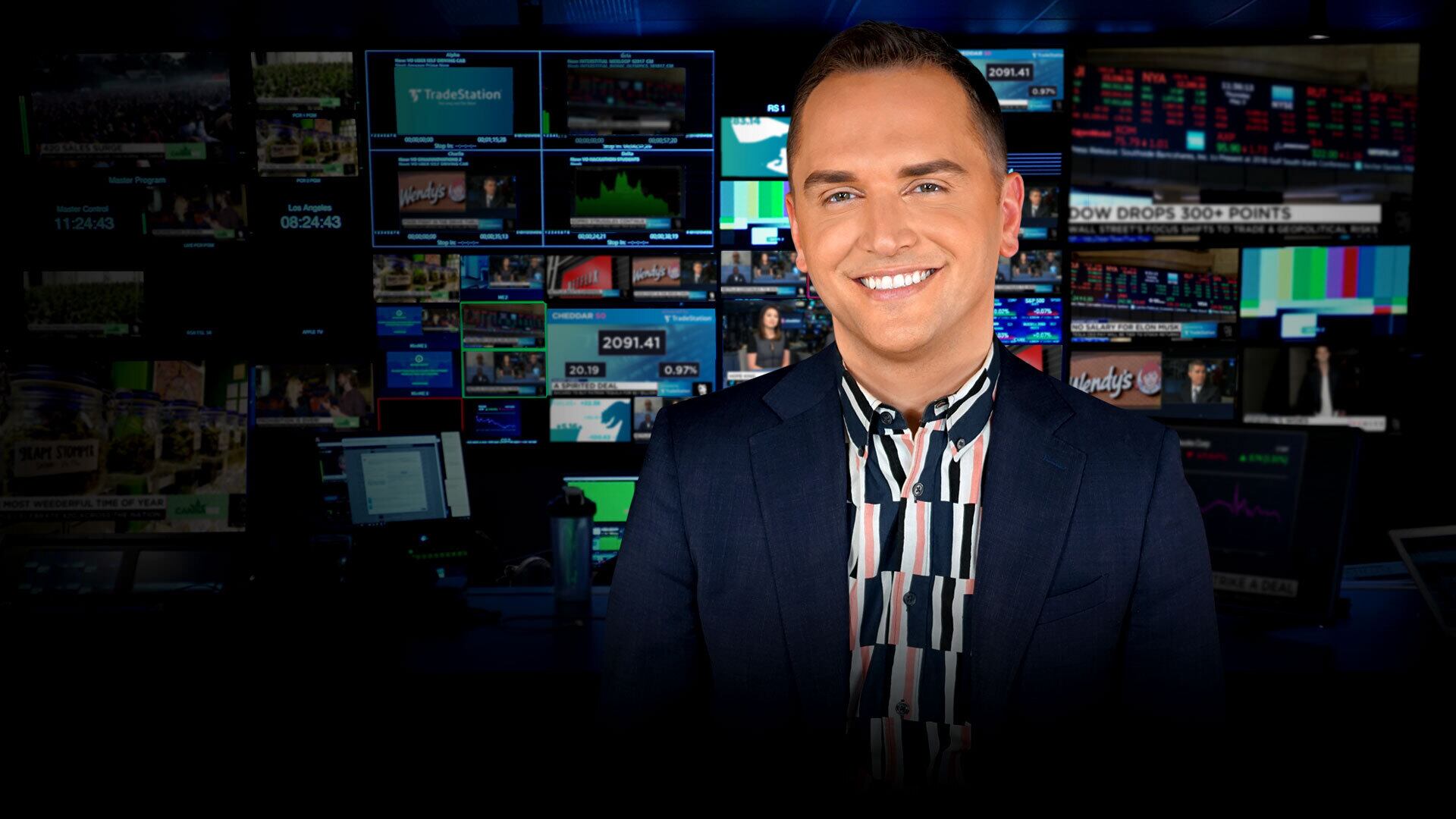
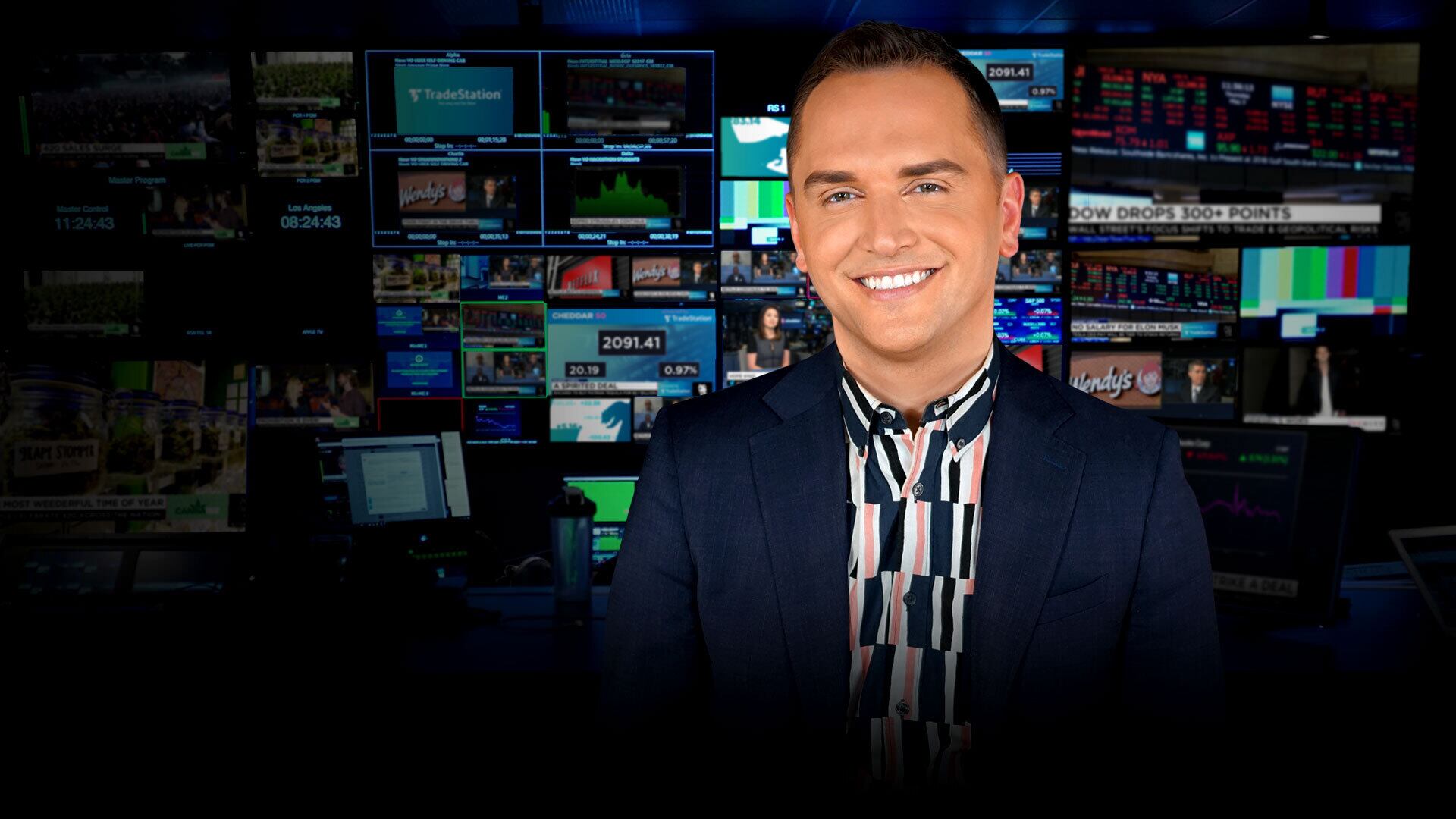
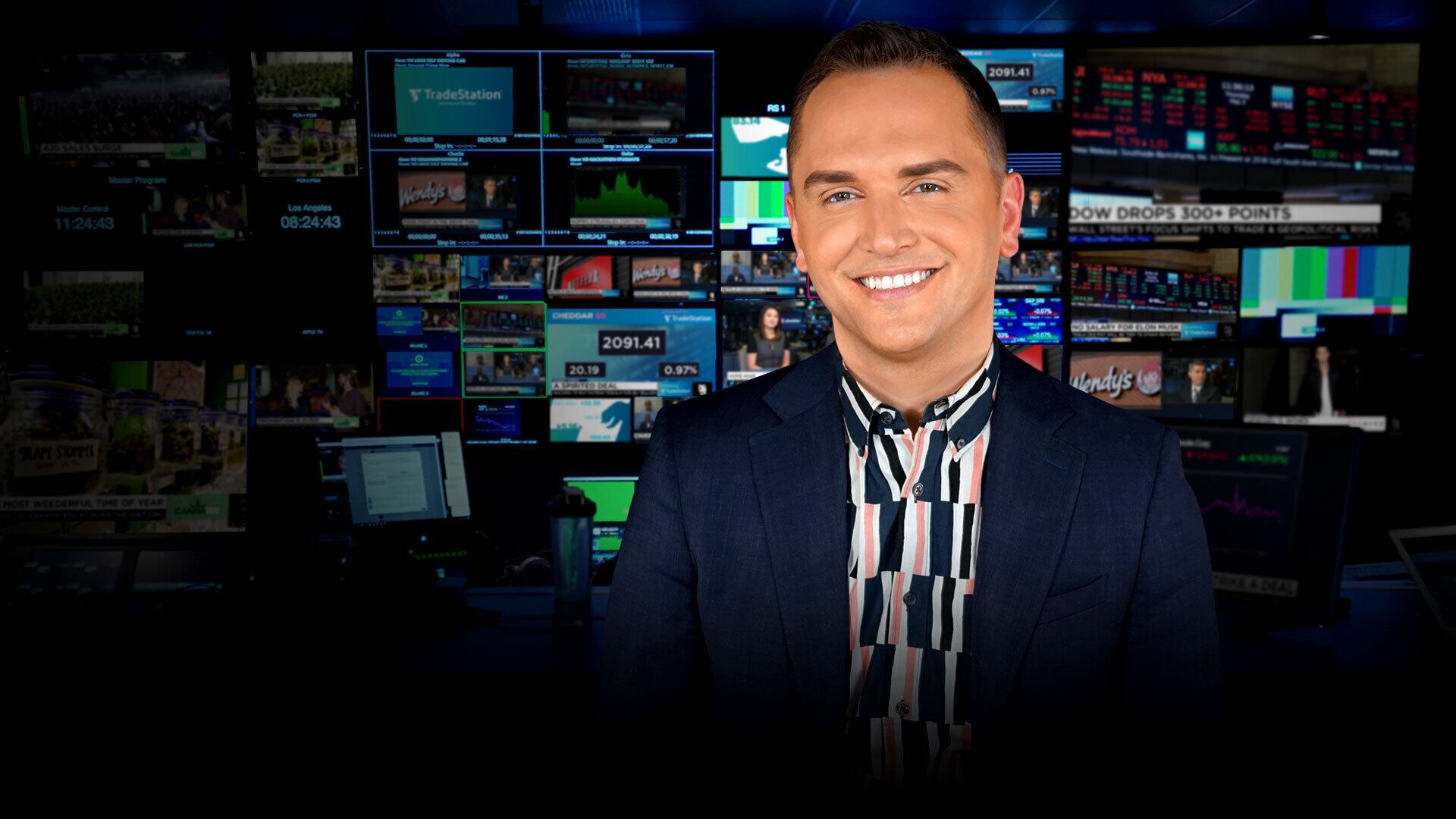
Starting a business can be empowering, but marketing to a small group of customers and users can also be challenging. Megan O'Connor, CEO and Co-Founder and Clark, joins This Changes Things to discuss how she shined a light on an underserved market.
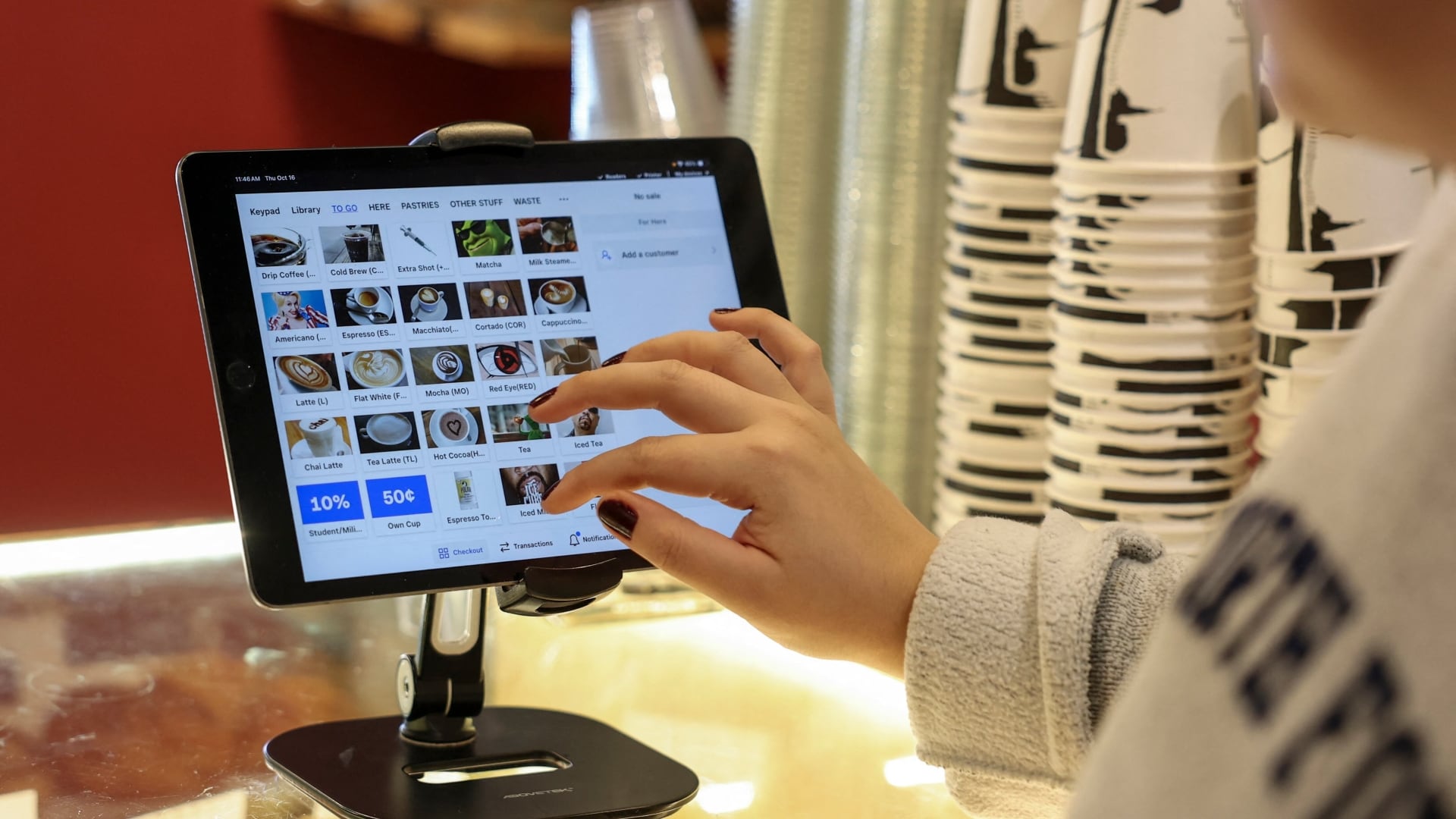
Clark is a virtual assistant tool for tutors and helps individuals add a little organization to their business. O'Connor said the most challenging part was actually reaching her potential customers. Since there was nothing like this on the market, a lot of tutors flew under the radar and had no centralized place for resources. O'Connor said her team would send snail mail to potential users, just to get the word out.
Plus, how can you take your gig economy job and turn it into a full-time gig? O'Connor talks about knowing the right time to scale your business. She also suggests starting small and focusing on one vertical at a time. As your company grows you will start to see where your resources are needed.
The Federal Deposit Insurance Corp. is set to pay almost $23 billion to stabilize the banking sector. That money comes from an insurance fund that is refilled through fees paid by banks. Now the agency is considering a special assessment on the entire industry to help make up the costs, according to a Bloomberg report.
About 61% of Americans say the economy is impacting their mental health, according to a PayPal survey. Shanthi Sarkar, vice president of financial services at PayPal, joined Cheddar News to break down some key takeaways from the survey and offer tips on saving and managing money.
Monthly VC funding fell below $20 billion in February, marking a two-year low. Jager McConnell, CEO of Crunchbase, joined Cheddar News to discuss the current funding climate and what lies ahead.
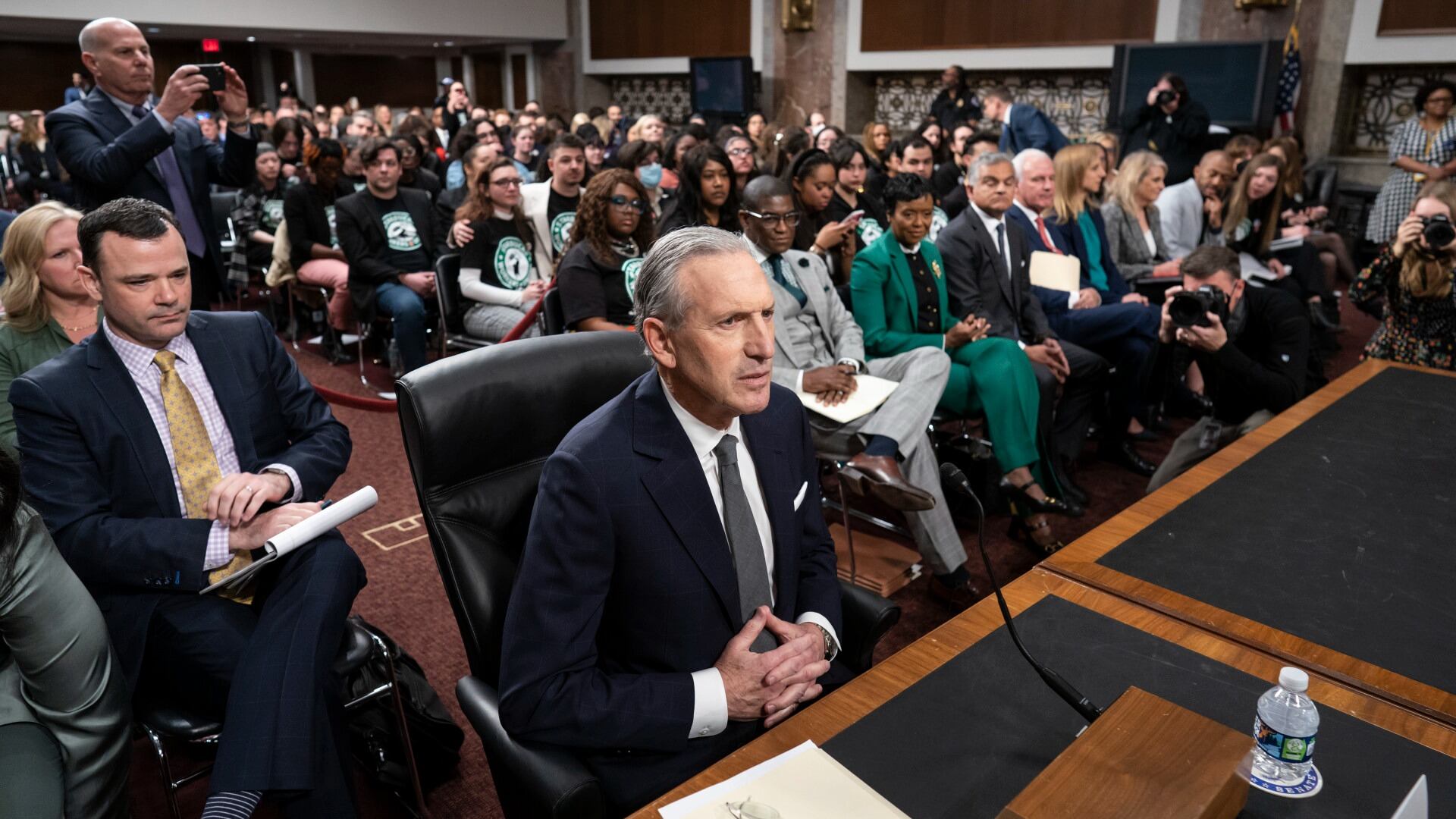
Longtime Starbucks CEO Howard Schultz is facing sharp questioning before the Senate Health, Education, Labor and Pensions Committee where he is defending the company’s actions during an ongoing unionizing campaign.
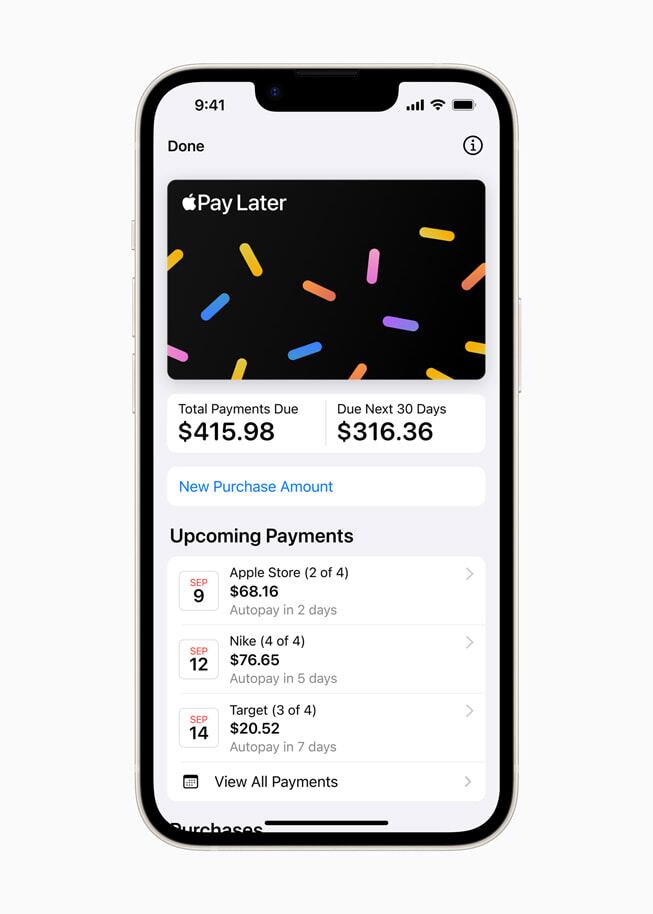
Apple Pay is getting in on the buy now pay later boom with a feature allowing users to split purchases into four separate payments over six weeks at no additional cost or interest.