Gun control won’t help reduce violence, according to CPAC Chairman Matt Schlapp.
“Where we have the highest rates of gun control we also have the highest rates of crime,” said Schlapp, who also chairs the American Conservative Union, one of the largest and oldest conservative lobbying groups in the country.
“If we’re going to jump to gun control as a solution to this problem of violence, we’re being deceitful to people,” he adds. “It’s really not going to solve the problem.”
His statements, though, do contrast with other research. The Giffords Law Center to Prevent Gun Violence, for example, found that states with stricter gun laws, such as California, Connecticut, and New York, generally have lower rates of gun-related deaths.
The most recent mass shooting in Parkland, Fla., hung over this year’s CPAC conference, which kicked off in Maryland on Wednesday.
The attack has ignited a national movement -- helmed by the teenage survivors -- pushing for reform.
Perhaps their efforts were responsible for a concession from Schlapp.
“I would also admit that we’re at a time where I think we ought to do a lot more listening and learning and hearing people out,” adds Schlapp.
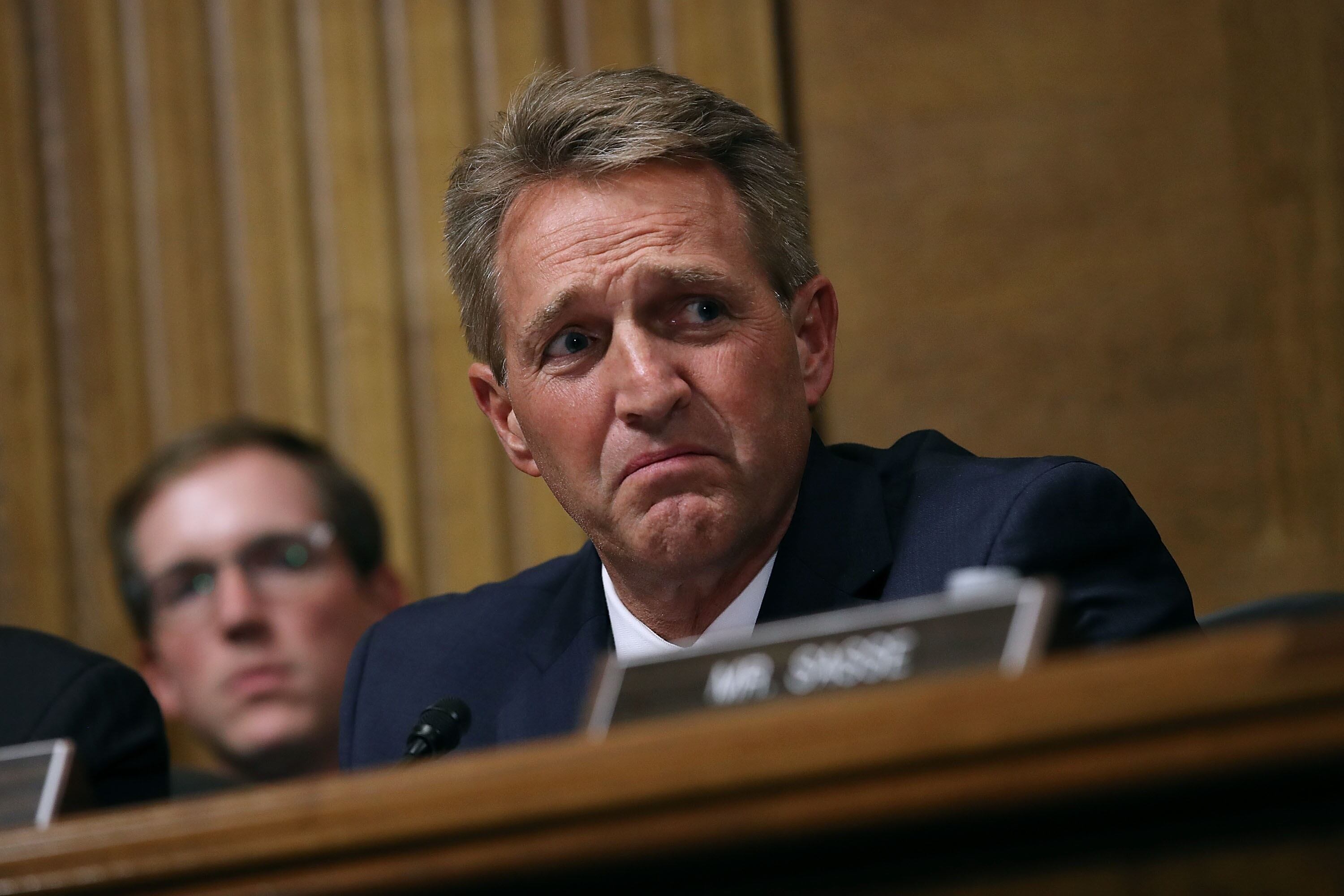
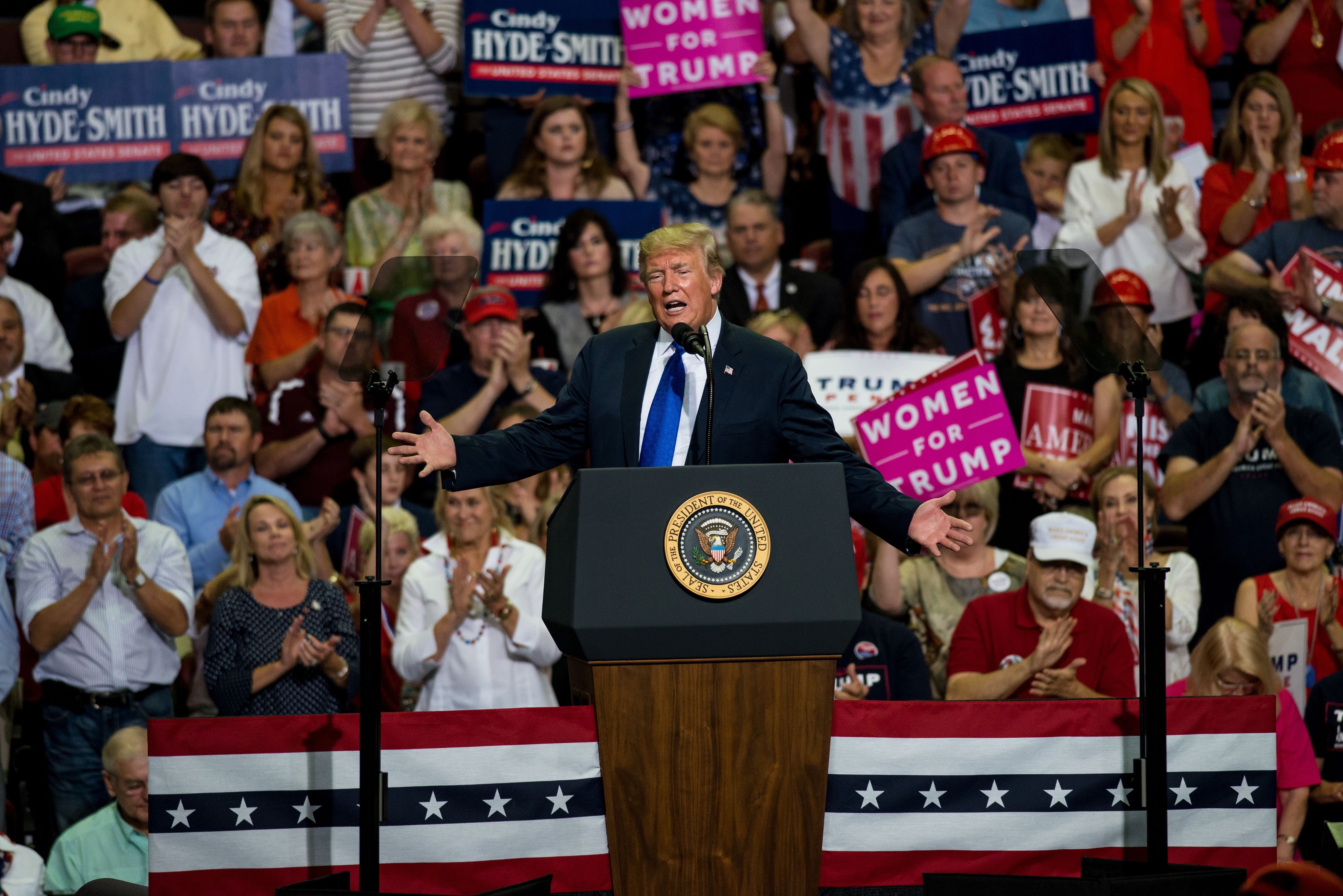
Sens. Jeff Flake (R-AZ), Susan Collins (R-ME), and Lisa Murkowski (R-AK) are central to whether Judge Brett Kavanaugh is confirmed to the Supreme Court. On Wednesday, all three reacted with indignation to Pres. Trump's mocking of Prof. Christine Blasey Ford, who's accused Kavanaugh of sexual assault.
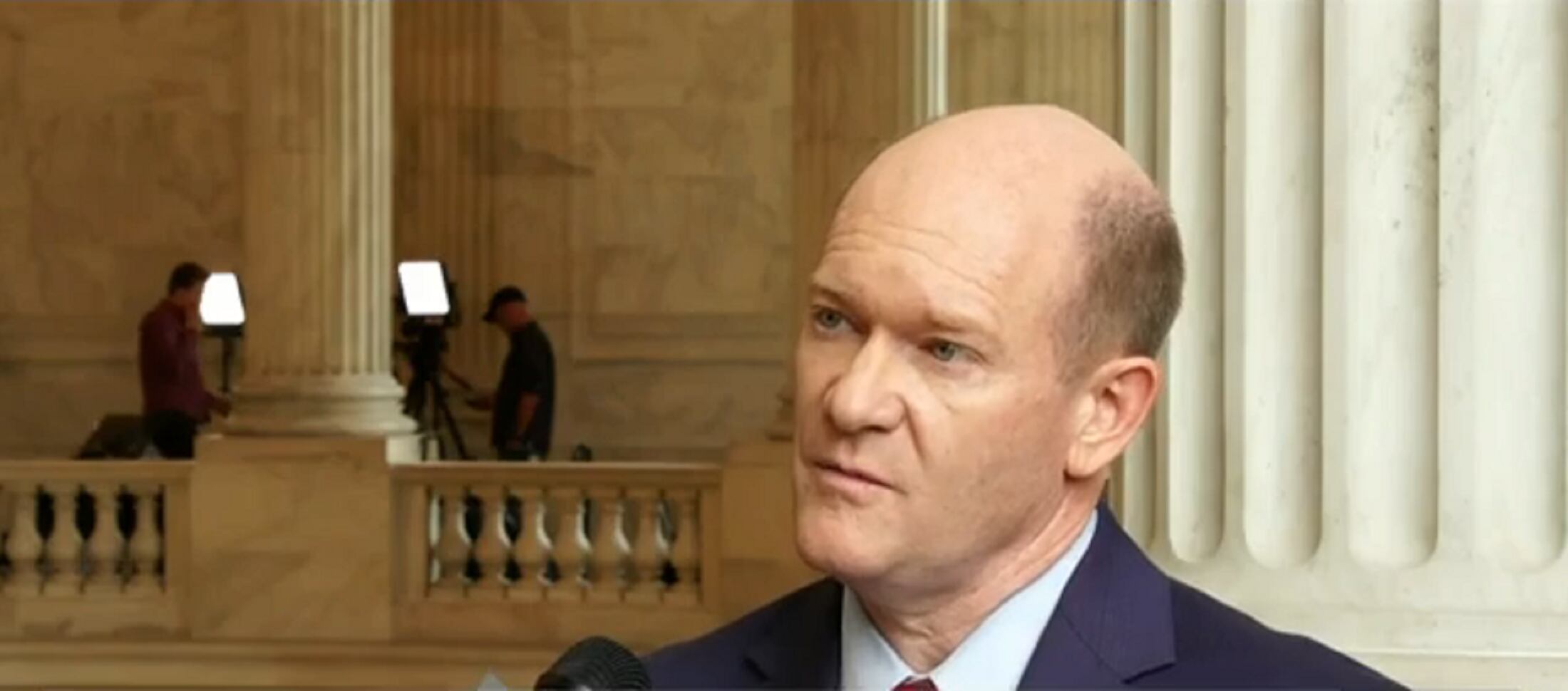
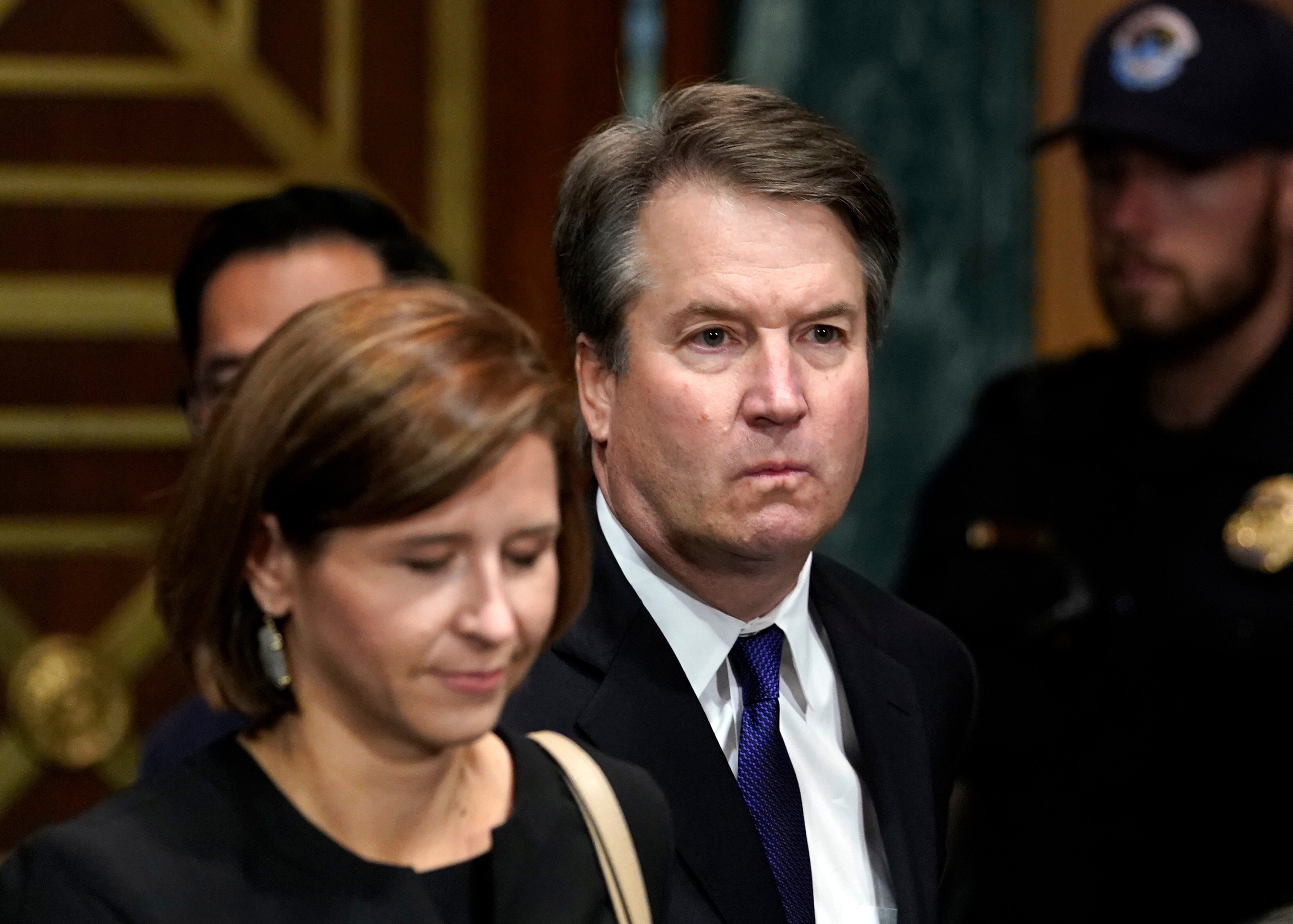
The FBI's investigation into Prof. Christine Blasey Ford's allegations against Brett Kavanaugh is likely to be wrapping up soon. As we await those findings, Sen. Chris Coons (D-DE), who serves on the judiciary committee, said the judge's anger at the accusations may be understandable, but his making a direct, partisan attack against Democrats is "not what we expect from our federal judges."
These are the headlines you Need 2 Know.
The FBI's investigation into Prof. Christine Blasey Ford's allegations against Brett Kavanaugh is likely to be wrapping up soon. Senate Republicans have demanded a report, but the FBI continues to broaden its investigation, specifically to a party that was marked in one of Kavanaugh's calendars.
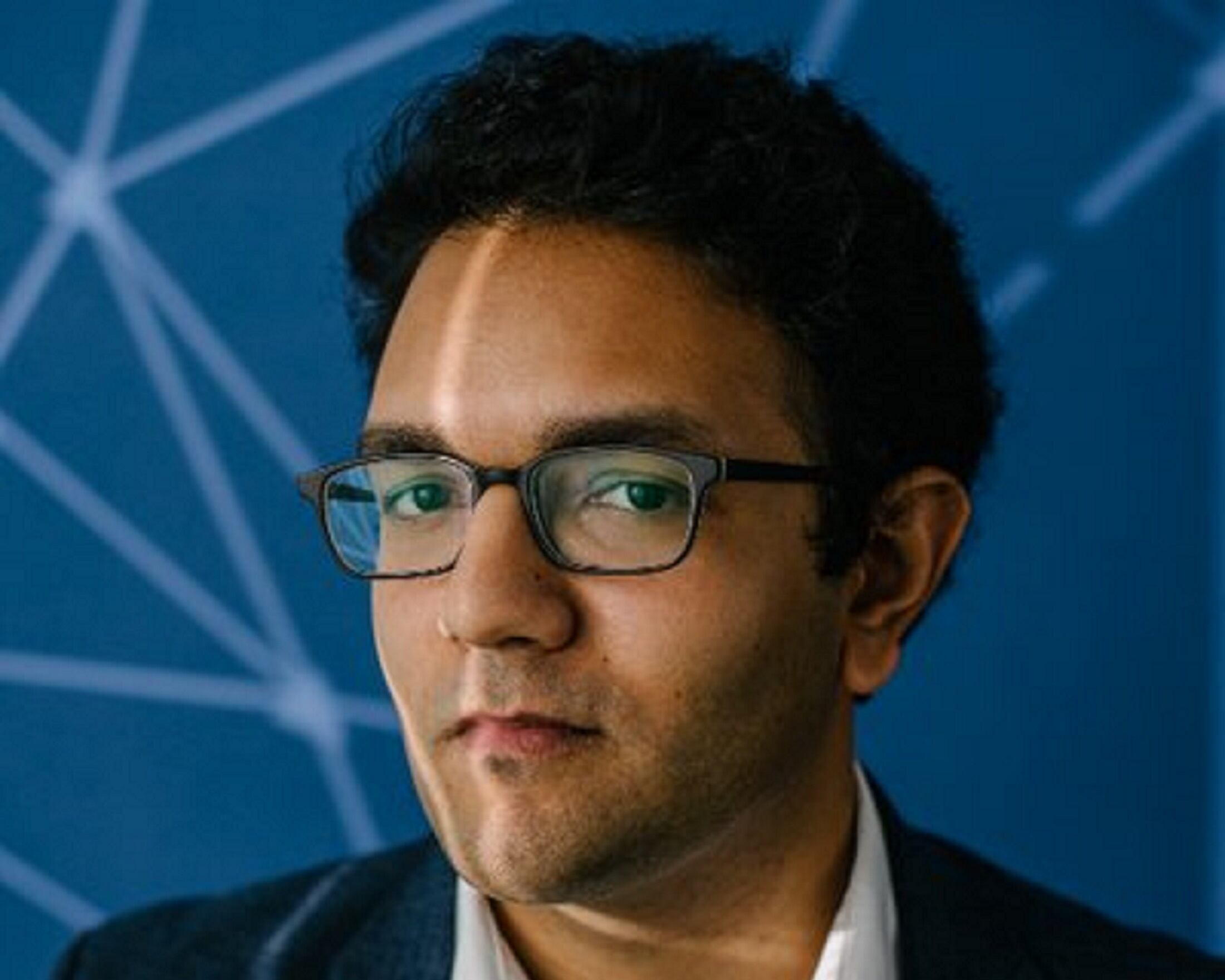
Dipayan Ghosh, fellow at the Shorenstein Center and a former adviser to both Facebook and the Obama White House, said that big tech has been ignoring "the little guy" for a long time and putting tech users and their privacy at risk.
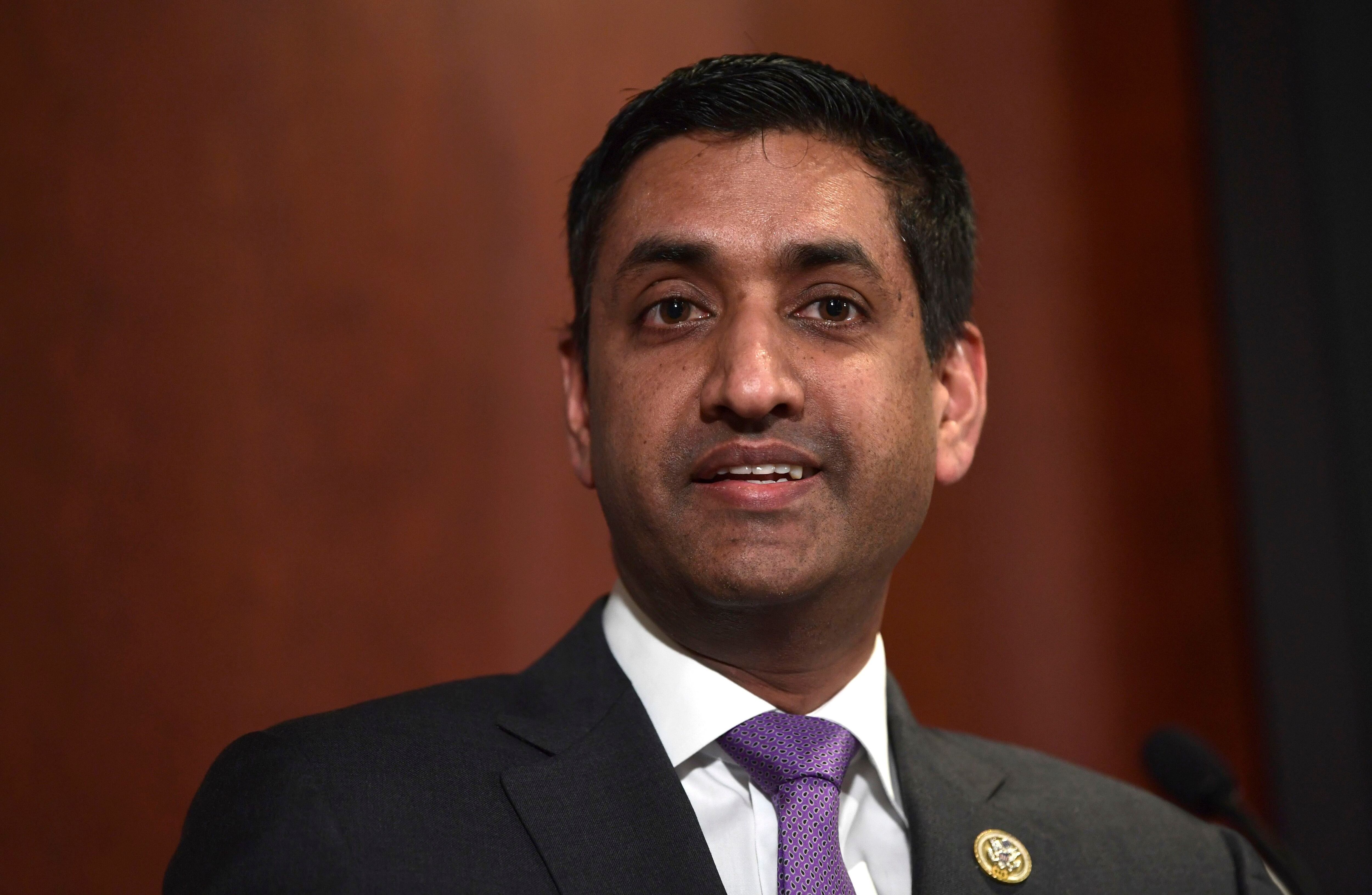
On Tuesday, Amazon announced that it will be raising its minimum wage to $15 an hour. The news comes after months of criticism and even proposed legislation spearheaded by Sen. Bernie Sanders (I-VT) and Rep. Ro Khanna (D-CA). The "Stop BEZOS" Act introduced in the Senate in September would require corporations like Amazon to contribute to the cost of social services for its employees. Khanna was sponsoring a version in the House. He said he commends Amazon CEO Jeff Bezos and believes this move will propel other corporations in the same direction.
These are the headlines you Need 2 Know.
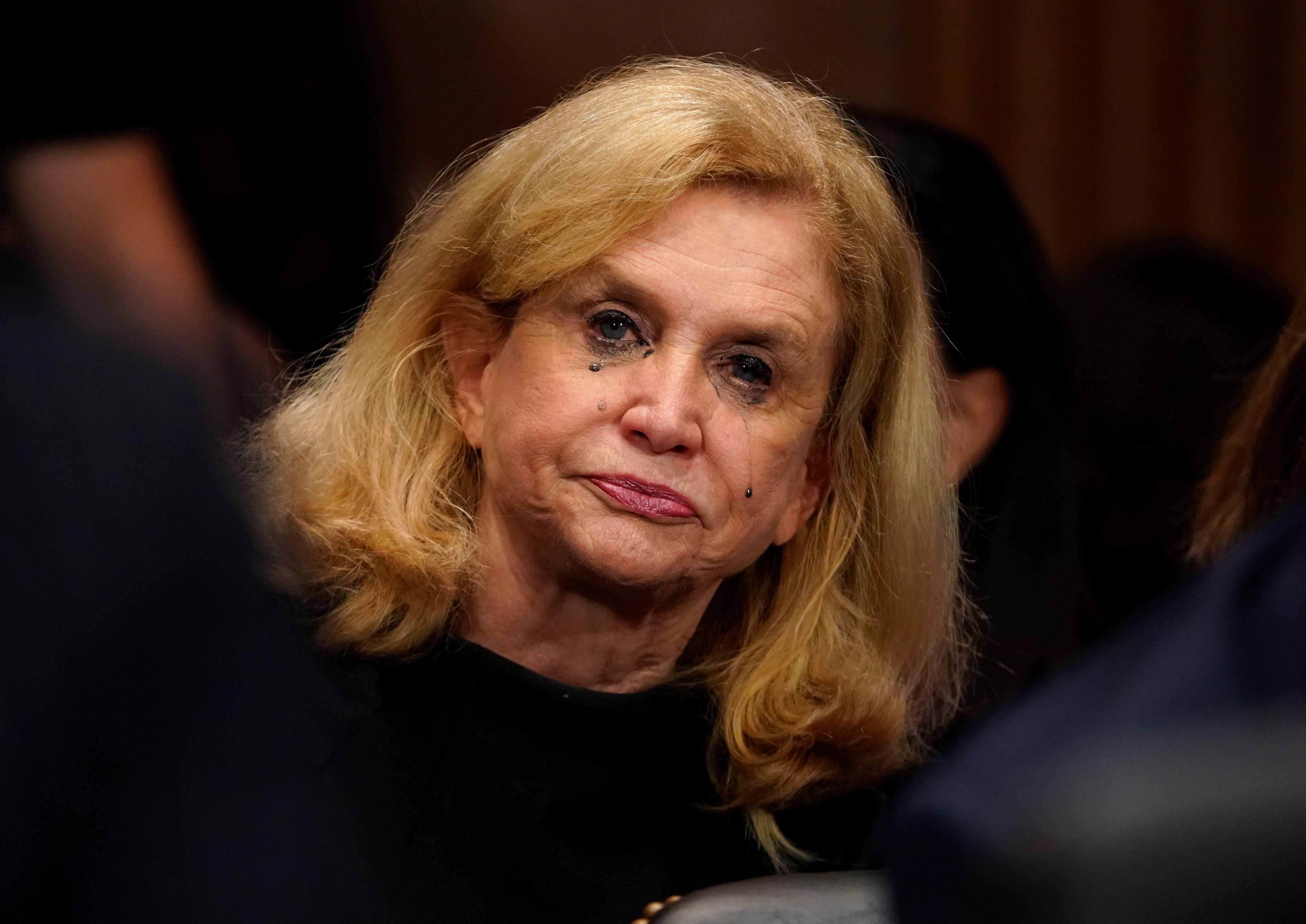
New York Congresswoman Carolyn Maloney was seated behind Prof. Christine Blasey Ford during her Senate testimony last week. The lawmaker, who was seen crying as Ford spoke, said, "It's so sad to me that this is still happening in America...and that in some ways we haven't made that much progress since Ms. Hill testified 26 years ago."
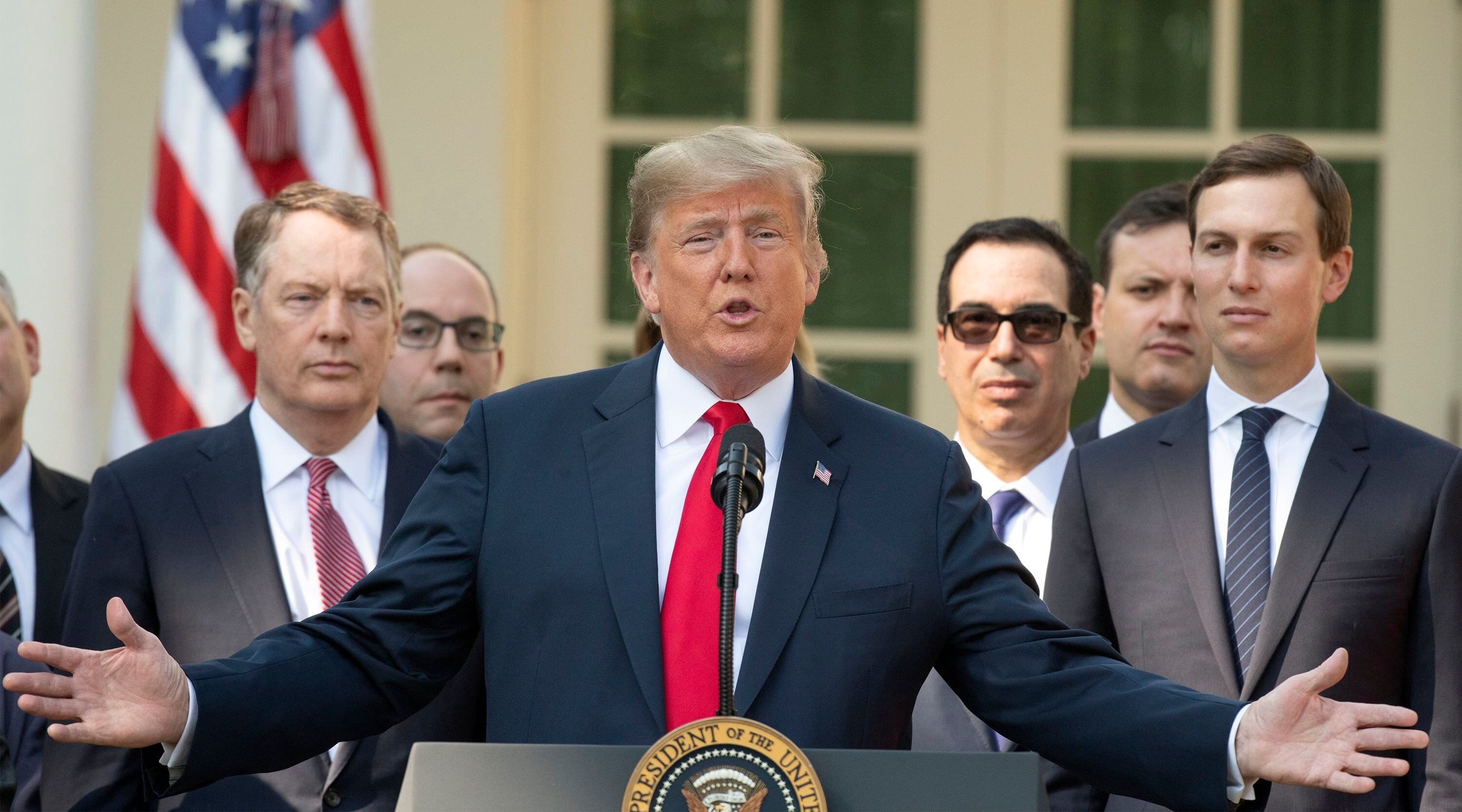
Canada and the U.S. inked a new trade deal late Sunday evening after months of contentious tariff talks between the two allies. Lauren Gardner, reporter for POLITICO Pro Canada, said the trade agreement will benefit dairy farmers and automakers in the U.S.
California became the first state to mandate that publicly held corporations include women on the board. Some people believe that this will prioritize diversity over merit while others, like Asa Regner, deputy executive director for UN Women, say it's a first step toward gender parity in corporate America.