Gun control won’t help reduce violence, according to CPAC Chairman Matt Schlapp.
“Where we have the highest rates of gun control we also have the highest rates of crime,” said Schlapp, who also chairs the American Conservative Union, one of the largest and oldest conservative lobbying groups in the country.
“If we’re going to jump to gun control as a solution to this problem of violence, we’re being deceitful to people,” he adds. “It’s really not going to solve the problem.”
His statements, though, do contrast with other research. The Giffords Law Center to Prevent Gun Violence, for example, found that states with stricter gun laws, such as California, Connecticut, and New York, generally have lower rates of gun-related deaths.
The most recent mass shooting in Parkland, Fla., hung over this year’s CPAC conference, which kicked off in Maryland on Wednesday.
The attack has ignited a national movement -- helmed by the teenage survivors -- pushing for reform.
Perhaps their efforts were responsible for a concession from Schlapp.
“I would also admit that we’re at a time where I think we ought to do a lot more listening and learning and hearing people out,” adds Schlapp.
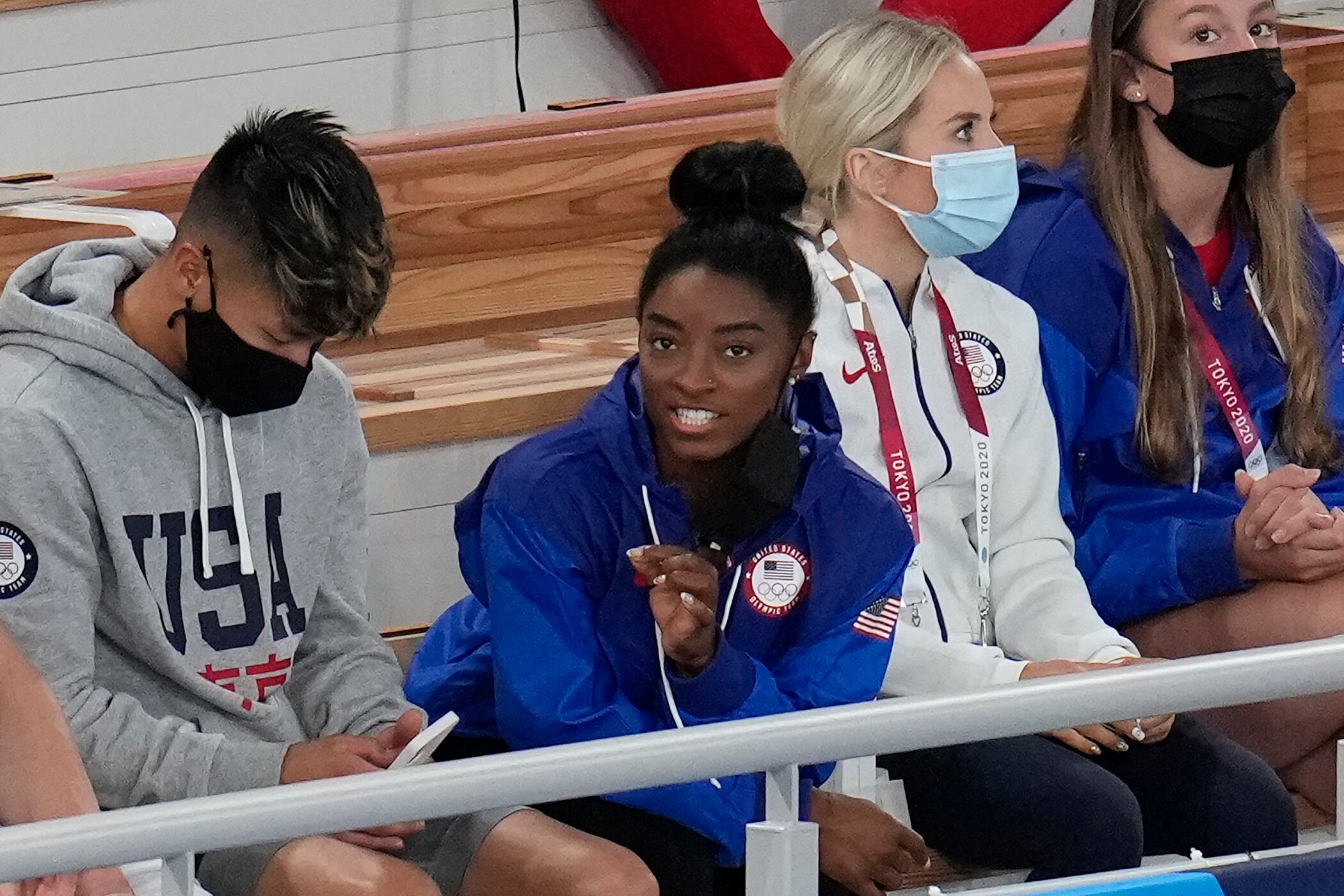
Jill and Carlo talk about the latest from Tokyo including Simone Biles plans to compete in the balance beam final, Dr. Fauci's dire Delta warning, high profile vaccine mandates from employers like Walmart and Disney, and Square's acquisition of Afterpay.
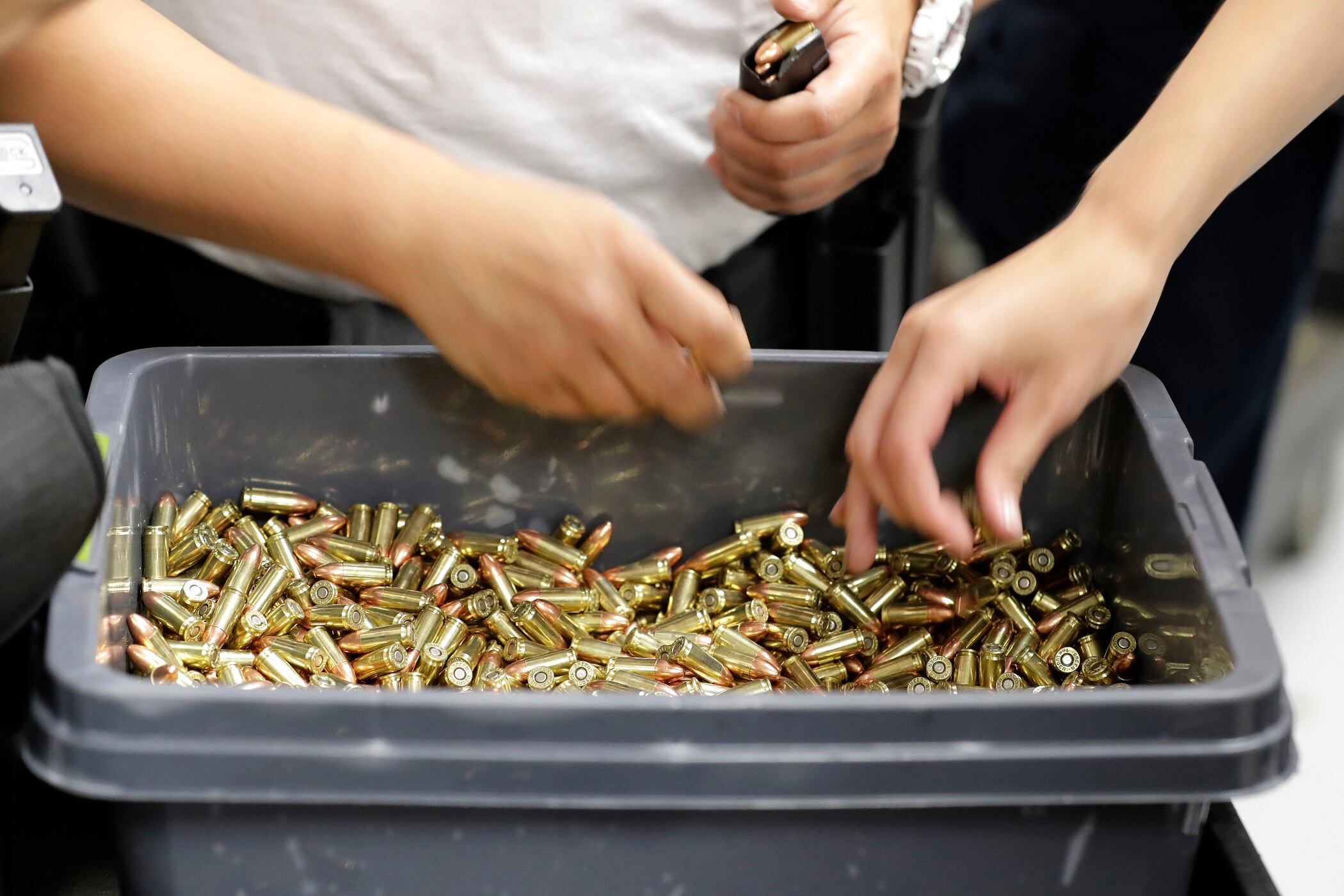
A shortage of ammunition in the U.S. is having an impact on law enforcement agencies, people seeking personal protection, recreational shooters and hunters.
Scientists who studied a big COVID-19 outbreak in Massachusetts concluded that vaccinated people who got so-called breakthrough infections carried about the same amount of the coronavirus as those who did not get the shots.
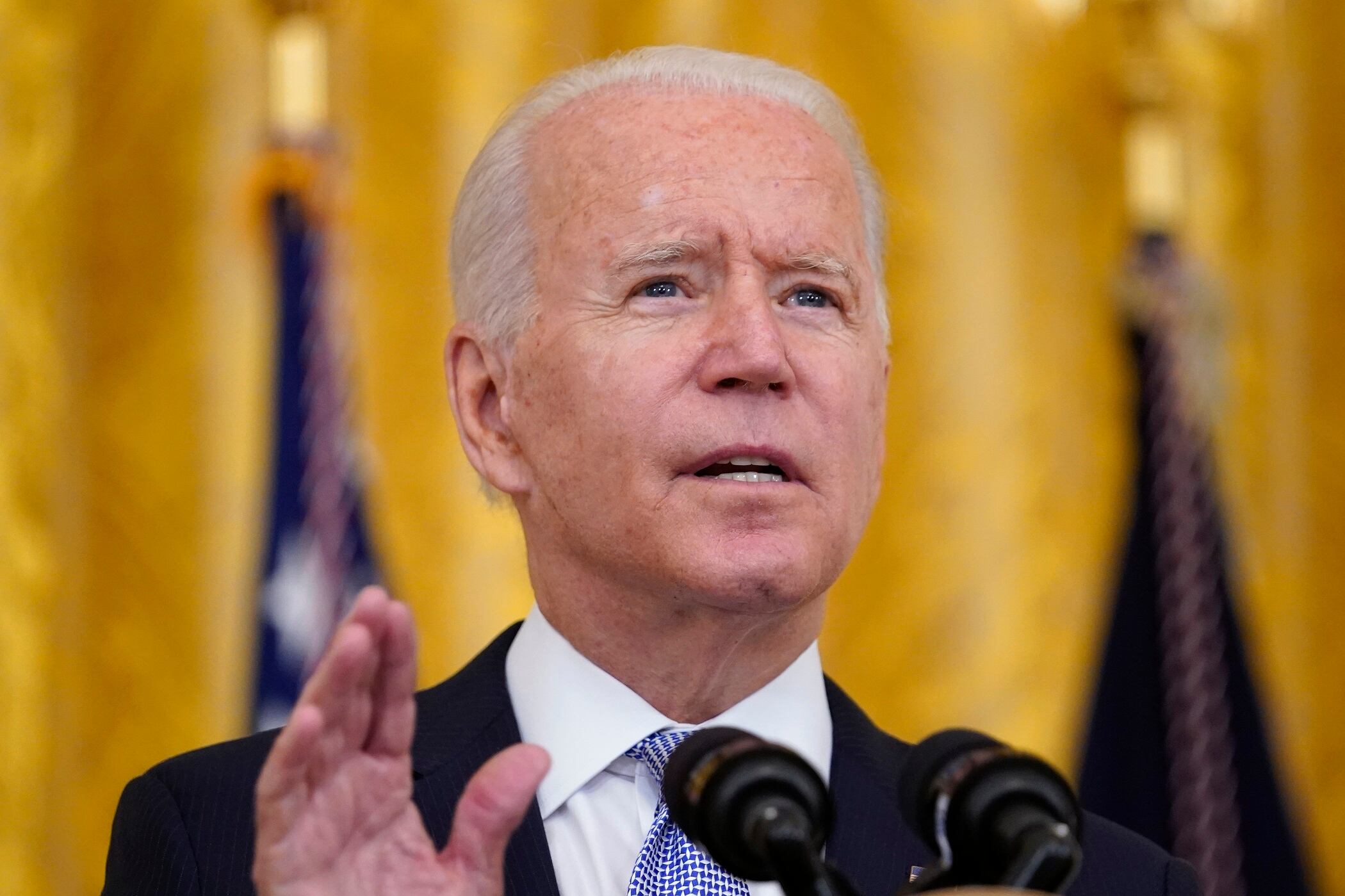
The Biden administration has announced sweeping new pandemic rules for federal workers and some contractors.
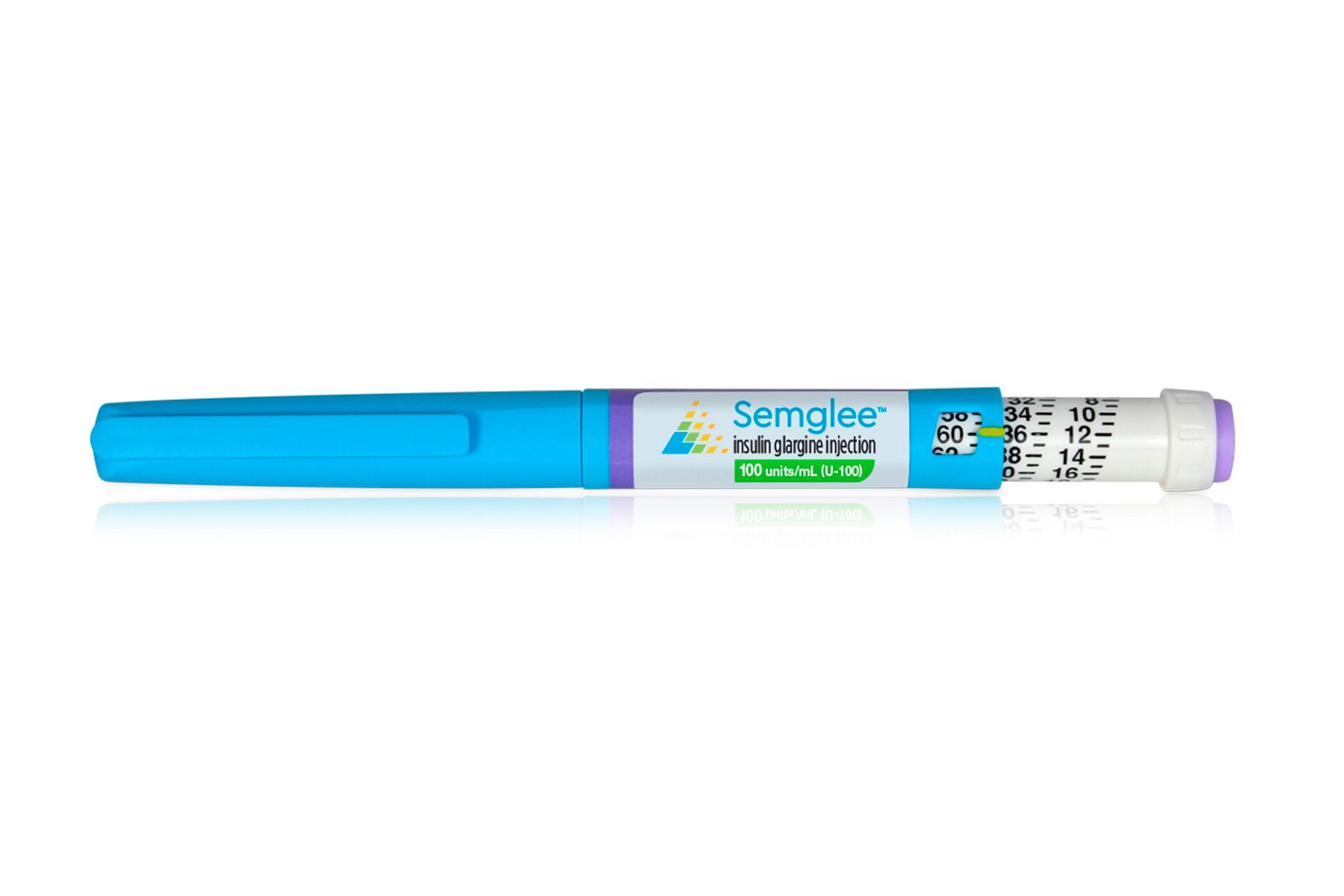
U.S. regulators have taken action that will make it easier to get a cheaper and similar version of a brand-name insulin at the drugstore.
A new interactive tracker from the Atlantic Council shows that 81 countries are at some stage of development with a central bank digital currency, but the U.S. is notably absent from its list of frontrunners.
Fueled by vaccinations and government aid, the U.S. economy grew at a solid 6.5% annual rate last quarter in the clearest sign to date that the nation has achieved a sustained recovery from the pandemic recession.
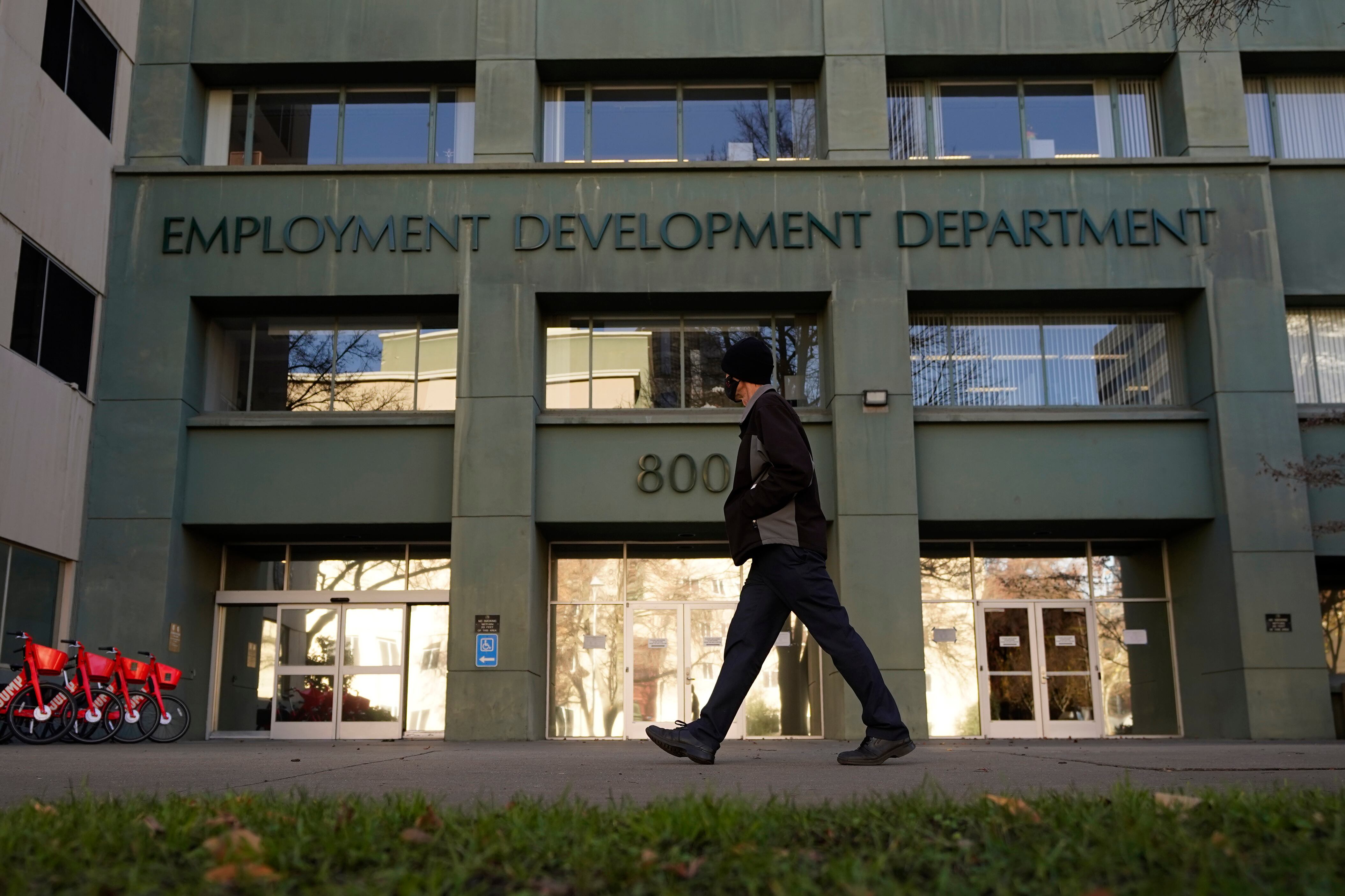
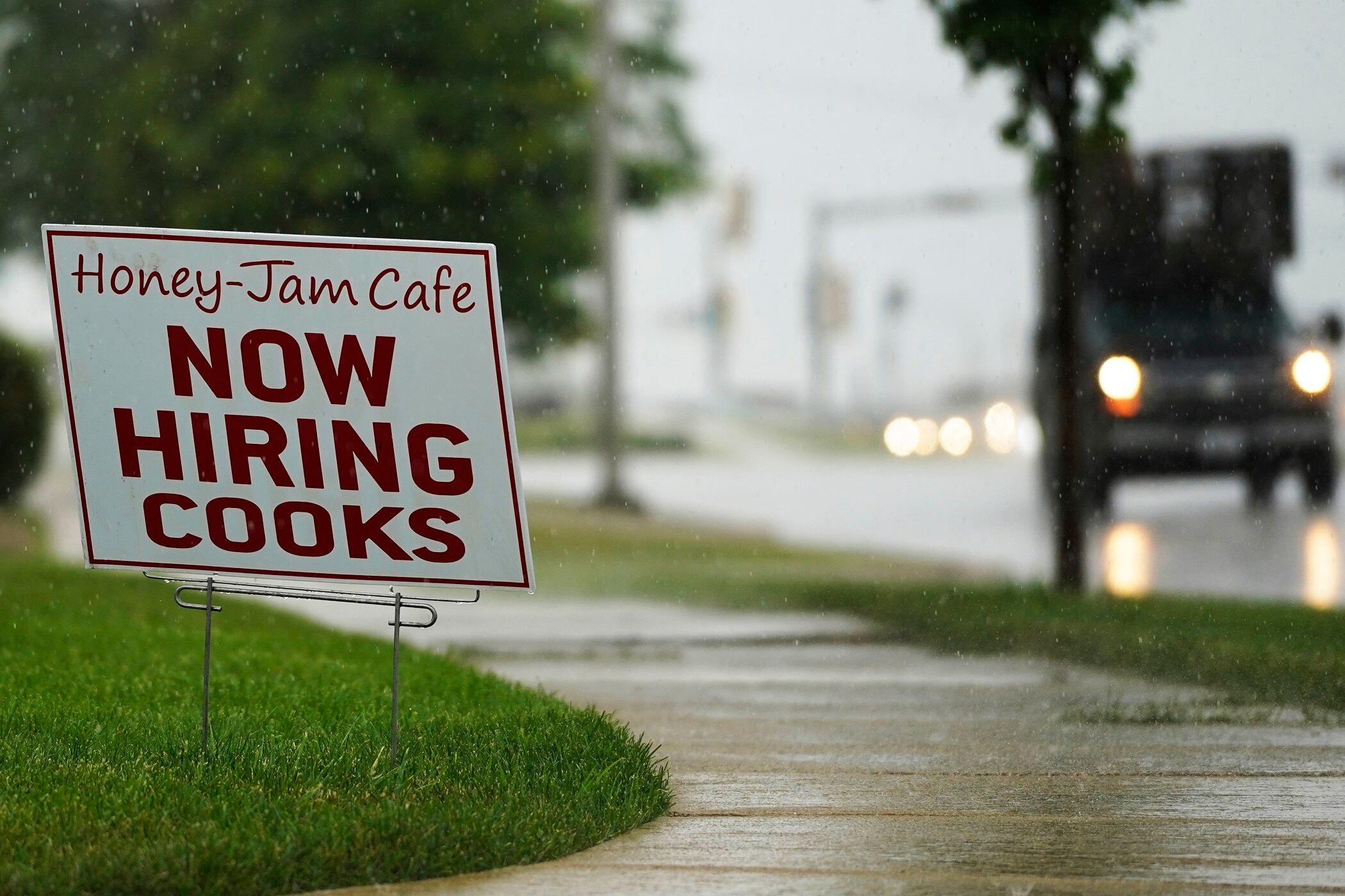
The number of Americans collecting unemployment benefits slid last week, another sign that the job market continues to recover rapidly from the coronavirus recession.
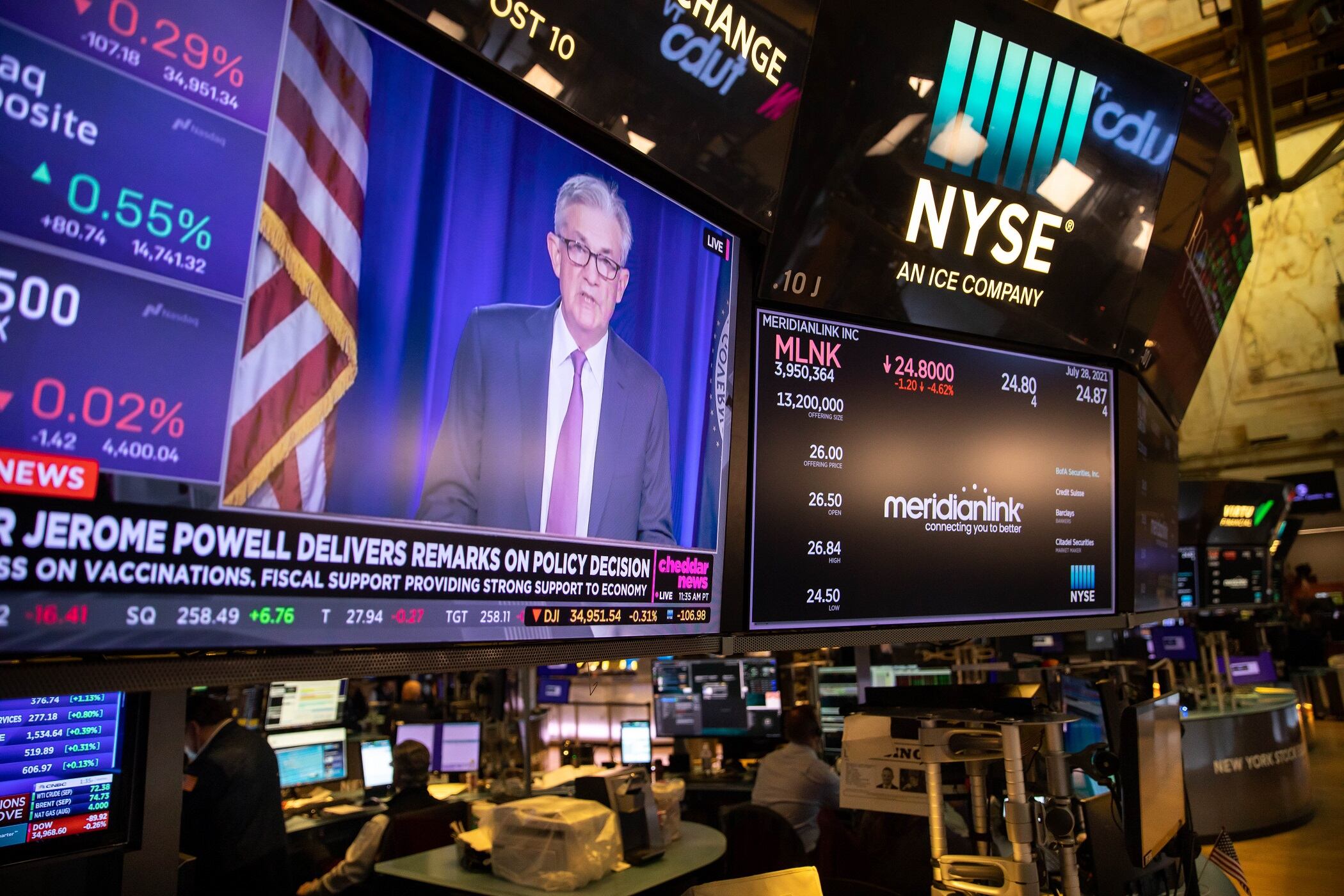
Fed-watchers had their ears peeled after Wednesday's meeting of the Federal Reserve's Open Market Committee for any signal of when the central bank might start tapering its $120 billion in monthly assets purchases.
President Joe Biden and a bipartisan group of senators have reached a deal over major outstanding issues in a $1 trillion infrastructure bill.