A worrisome bout of inflation struck the economy in April, with U.S. consumer prices for goods and services surging 0.8%, the largest monthly jump in more than a decade, and the year-over-year increase reaching its fastest rate since 2008.
The acceleration in prices, which has been building for months, has unsettled financial markets and raised concerns that it could weaken the economic recovery from the pandemic recession.
Wednesday's report from the Labor Department showed sharply higher prices for everything from food and clothes to housing. A 10% surge in the prices of used cars and trucks — a record jump — accounted for roughly one-third of last month's increases. Prices for vehicles, both used and new, have been soaring as a result of a computer chip shortage that has slowed auto production and reduced dealer supplies.
Over the past 12 months, consumer prices have jumped 4.2% — the fastest rise since a 4.9% gain in the 12 months that ended in September 2008. Excluding volatile food and energy, core inflation rose 0.9% in April and 3% over the past 12 months.
After years of dormant inflation, with the Federal Reserve struggling to increase it, worries about rising prices have shot to the top of economic concerns. Shortages of goods and parts related to disrupted supply chains have been a key factor.
The Fed, led by Chair Jerome Powell, has repeatedly expressed its belief that inflation will prove temporary as supply bottlenecks are unclogged and parts and goods flow normally again. But some economists have expressed concern that as the economic recovery accelerates, fueled by rising demand from consumers spending freely again, so will inflation.
“It looks like inflation pressures are not only building but are likely to be here at least through the rest of the year,” said Joel Naroff, chief economist at Naroff Economic Advisors. “With growth robust, firms have a measure of pricing power tat they haven't had in decades, and they appear to be using it.”
Investors, too, have grown increasingly jittery. On Tuesday, the Dow Jones Industrial Average sank more than 470 points — 1.4% — its worst day since Feb. 26.
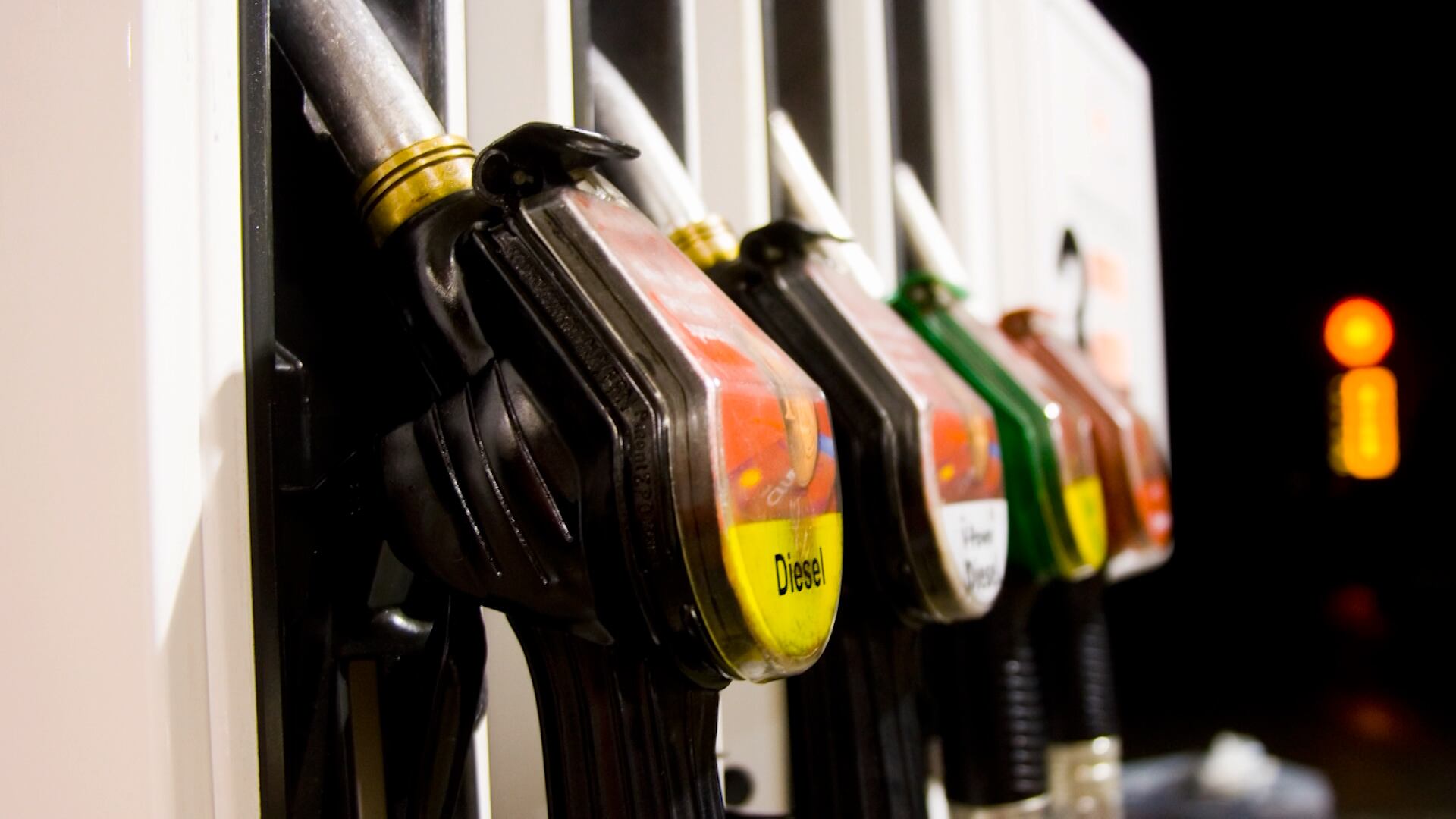
Wednesday's inflation report showed that food prices rose 0.4%, the biggest such increase since a 0.5% rise last June. Energy costs, though, edged down 0.1%, with gasoline pump prices falling 1.4%, the biggest drop since May 2020.
Last month, Powell suggested at a news conference that Fed officials expect inflation to move above its 2% annual target over the next few months. The Fed has said it will allow prices to rise slightly above 2% for a period of time to make up for the past decade's shortfalls in inflation.
Powell has said that as long as the increase in inflation doesn't appear to be hurting consumer and business expectations about price increases, the central bank would be willing to let prices rise without acting to raise interest rates. That view has been supported by comments from other Fed officials including Lael Brainard, a board member who warned Tuesday against a premature Fed tightening that could harm the economy.
Sam Stovall, Chief Investment Strategist at CFRA Research, joins Cheddar News' Closing Bell where he dives into the factors contributing to Monday's market plunge and what could be in store when February's CPI data comes out on Tuesday.
Country music fans watching the Academy of Country Music Awards tonight will be doing so in a different way than years past. The ceremony will not be broadcast on network TV and will air exclusively on Amazon Prime Video. This will be the first time a major awards show will be live-streamed exclusively on a subscription video-on-demand platform. Shelly Kramer, co-founder and lead analyst of Futurum Research, joins Cheddar News' Closing Bell to discuss.
The Russia-Ukraine crisis is doing more than just sending the price of oil skyrocketing — it's also impacting the electric vehicle sector thanks to rising prices of key metals and materials necessary for battery and EV production. How can the relatively new industry steel itself as prices rise and consumers potentially lose what little interest they had in making the switch to an electric car? John Loehr, managing director of AlixPartners Automotive and Industrial Practice, joins Closing Bell to discuss.
Atomic bills itself as an investing API that allows fintechs and banks to easily integrate investing into their products by bringing the power of investing to everyone, with no account minimums. In November, the company announced its launch along with a $25 million Series A funding round. David Dindi, co-founder and CEO of Atomic, joins Cheddar News' Closing Bell to discuss.
Apple is set to unveil a new fleet of tech and services at its Peek Performance event on Tuesday. Luke Miani, a content creator, joined Cheddar News to discuss what might be expected to get unveiled, from mid-range Mac desktops to 5G service for the iPhone SE. "As 5G becomes more available and these products continue to be used, these are the types of features that consumers really need to see going forward," he said.
Americans continue to feel the pain at the pump as a result of Russia’s invasion of Ukraine. Patrick DeHaan, head of petroleum analysis at GasBuddy, joined Cheddar News to discuss how prices are being affected by the war and how much worse it could potentially get for drivers. "It's obviously a fluid situation. In one field today, I might feel differently in a half hour. But for now, I think we could see the national average realistically go somewhere into the mid $4 range, maybe $4.40 to $4.65 based on what we're seeing," he said.
Verizon recently unveiled its new streaming hub management service called +Play to help its users bundle their myriad streaming platforms in one place. Manon Brouillette, CEO of Verizon Consumer Group, joined Cheddar News to explain the new portal. "There is a proliferation of subscription models with any type of industry, and when we asked our customers, we realized that there was a pain point there. They were losing track of how many subscription services they were paying every month," she said.
Retailer Kohl's revealed a changeup to its business model on its investor day with plans to open 100 small format shops over the next four years and a push to bring its Sephora brand annual sales up to $2 billion — all this while facing activist investor pressure to sell the business outright. Jill Timm, Kohl's CFO, joined Cheddar to discuss the latest direction the department store chain intends to take after its latest earnings report and while navigating the calls for new ownership. "We found that we can open a hundred stores to ensure that we're reaching more customers in smaller markets," Timm said after testing the expansion plan. "We actually expect this to be a $500 million sales opportunity, and we're targeting to return over 15 percent from this investment." She also noted the company's optimism about Sephora's future growth in the next three-and-a-half years.