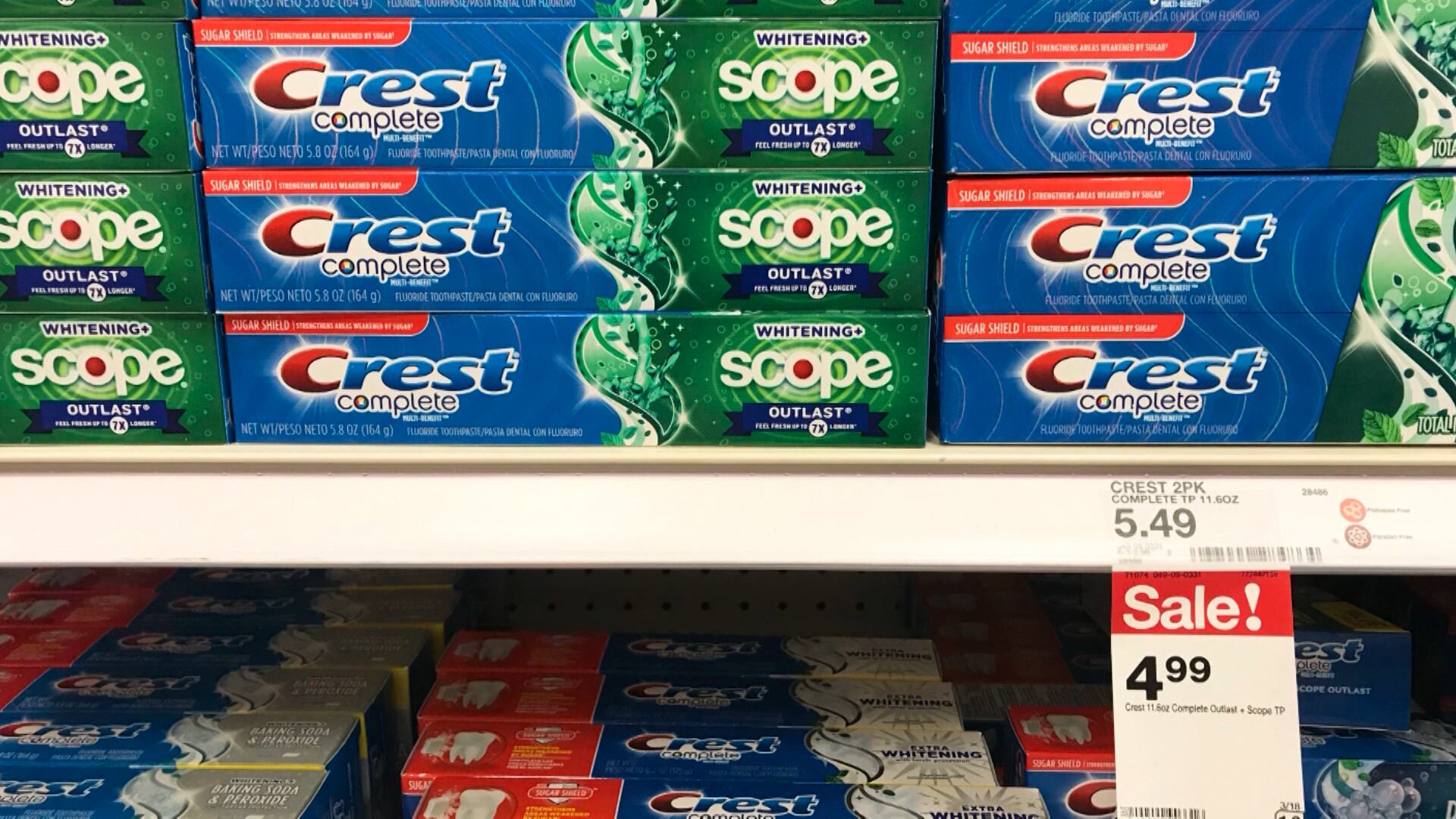
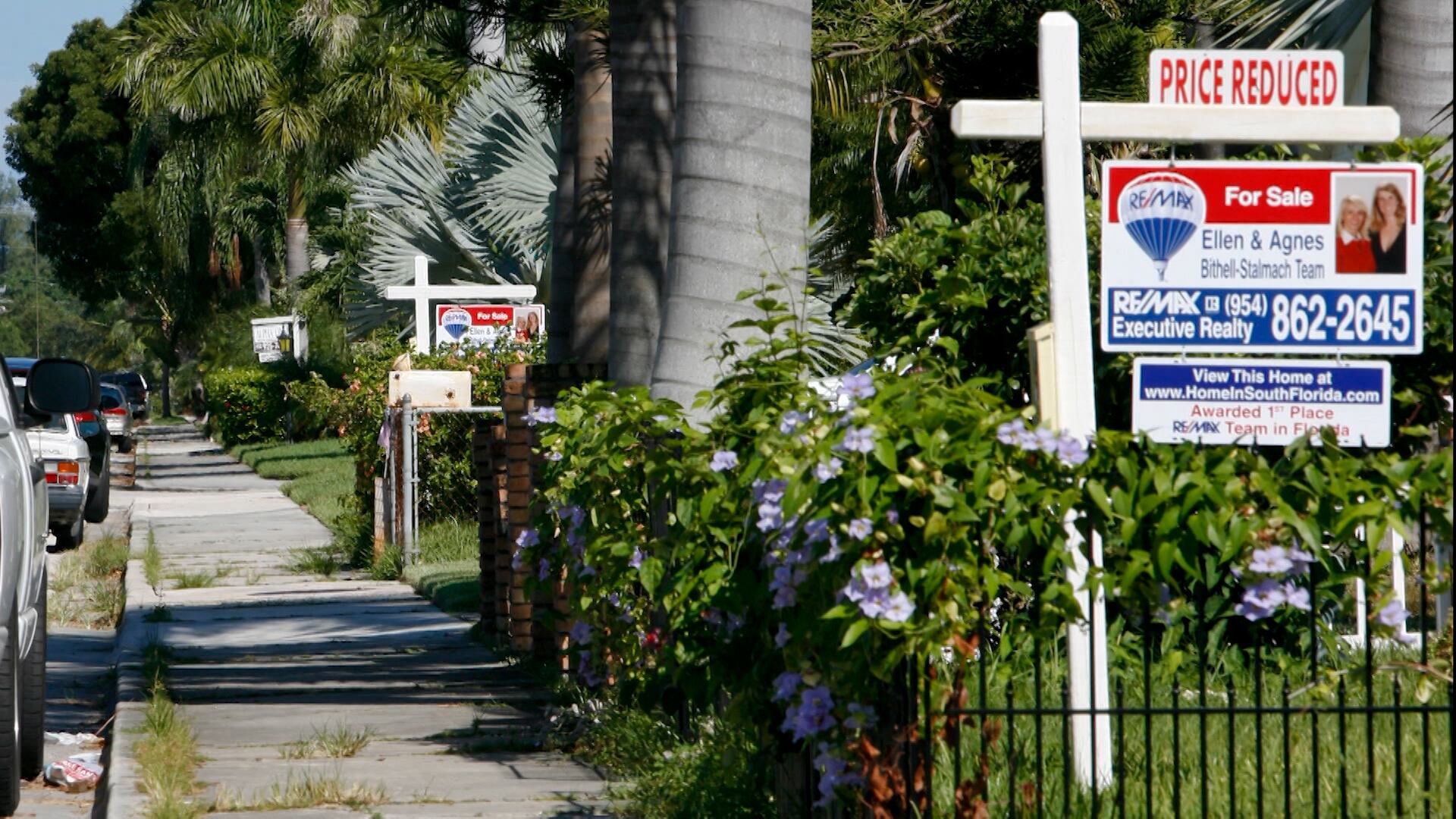
A worrisome bout of inflation struck the economy in April, with U.S. consumer prices for goods and services surging 0.8%, the largest monthly jump in more than a decade, and the year-over-year increase reaching its fastest rate since 2008.
The acceleration in prices, which has been building for months, has unsettled financial markets and raised concerns that it could weaken the economic recovery from the pandemic recession.
Wednesday's report from the Labor Department showed sharply higher prices for everything from food and clothes to housing. A 10% surge in the prices of used cars and trucks — a record jump — accounted for roughly one-third of last month's increases. Prices for vehicles, both used and new, have been soaring as a result of a computer chip shortage that has slowed auto production and reduced dealer supplies.
Over the past 12 months, consumer prices have jumped 4.2% — the fastest rise since a 4.9% gain in the 12 months that ended in September 2008. Excluding volatile food and energy, core inflation rose 0.9% in April and 3% over the past 12 months.
After years of dormant inflation, with the Federal Reserve struggling to increase it, worries about rising prices have shot to the top of economic concerns. Shortages of goods and parts related to disrupted supply chains have been a key factor.
The Fed, led by Chair Jerome Powell, has repeatedly expressed its belief that inflation will prove temporary as supply bottlenecks are unclogged and parts and goods flow normally again. But some economists have expressed concern that as the economic recovery accelerates, fueled by rising demand from consumers spending freely again, so will inflation.
“It looks like inflation pressures are not only building but are likely to be here at least through the rest of the year,” said Joel Naroff, chief economist at Naroff Economic Advisors. “With growth robust, firms have a measure of pricing power tat they haven't had in decades, and they appear to be using it.”
Investors, too, have grown increasingly jittery. On Tuesday, the Dow Jones Industrial Average sank more than 470 points — 1.4% — its worst day since Feb. 26.
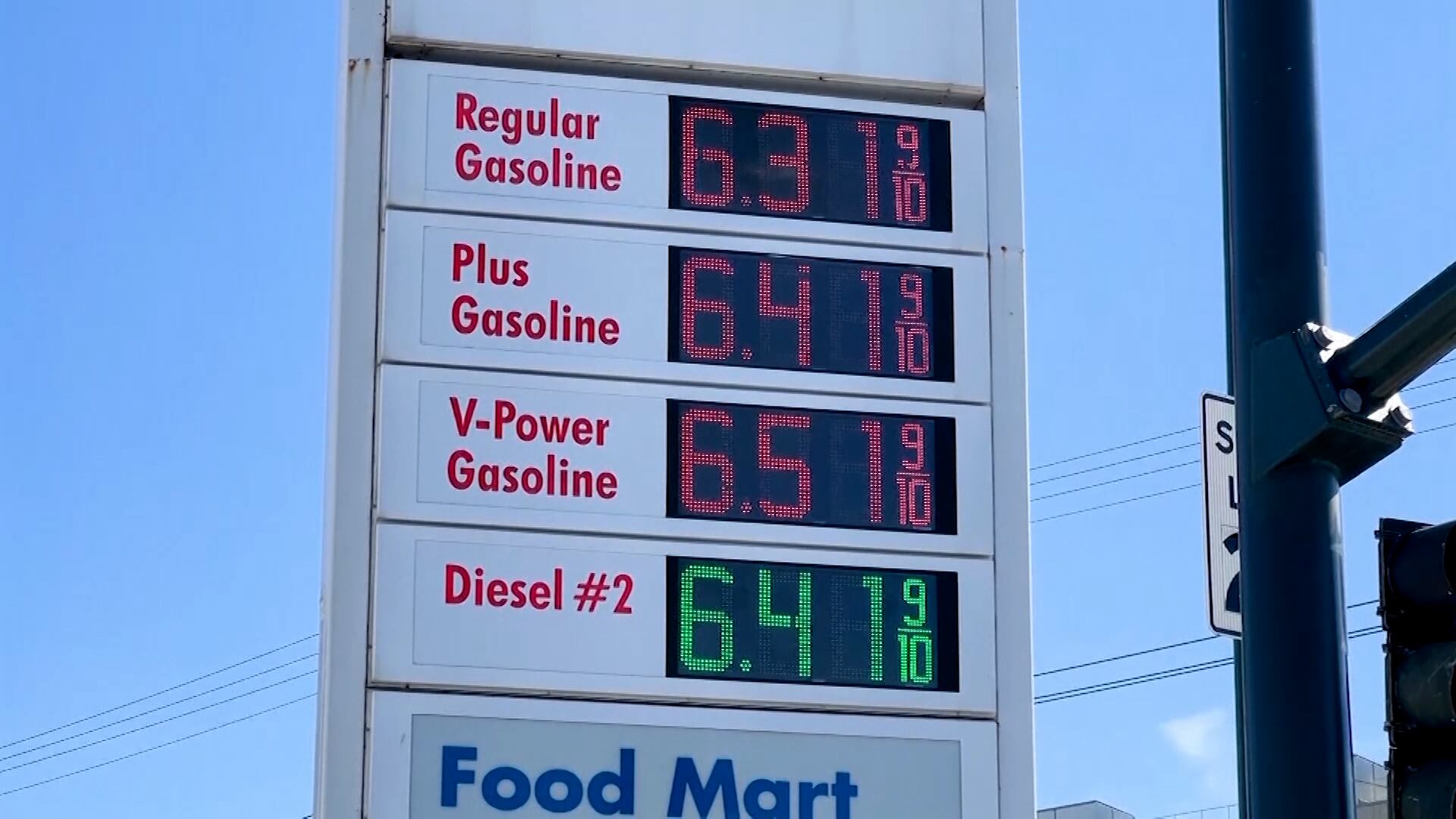
Wednesday's inflation report showed that food prices rose 0.4%, the biggest such increase since a 0.5% rise last June. Energy costs, though, edged down 0.1%, with gasoline pump prices falling 1.4%, the biggest drop since May 2020.
Last month, Powell suggested at a news conference that Fed officials expect inflation to move above its 2% annual target over the next few months. The Fed has said it will allow prices to rise slightly above 2% for a period of time to make up for the past decade's shortfalls in inflation.
Powell has said that as long as the increase in inflation doesn't appear to be hurting consumer and business expectations about price increases, the central bank would be willing to let prices rise without acting to raise interest rates. That view has been supported by comments from other Fed officials including Lael Brainard, a board member who warned Tuesday against a premature Fed tightening that could harm the economy.
Mattel’s Hot Wheels 2022 Legend Tour will be coming to New York City after a tour of 14 countries and five continents. The company is also launching Hot Wheels into the NFT space with the Hot Wheels Garage allowing users to customize digital cars. Richard Dickson, president and COO of Mattel, joined Cheddar News to talk about the tour and the efforts the iconic brand is taking to stay relevant in the digital age. "I think as you look at what's successful brands and toy brands in particular in this particular chapter are going to be about nostalgic brands that have longevity," he said. "We're generational in the context of our portfolio."
Ghost Financial emerged from stealth to raise $2.5M from investors to provide financial tools to the growing ghost kitchens space. CEO and founder John Meyer joined Cheddar News to discuss the company's future plans as well as potentially getting former Uber CEO Travis Kalanick on board. "The one thing I can say about my time spent with Travis Kalanick is that he definitely believes in the future of Ghost kitchens, given that, he's gone all-in on Cloud Kitchens as a company," Meyer said. "So he's not an investor in us yet. We welcome it, and I'll probably reach out to him today and ask."
The pandemic has seen a historic shift in brand loyalty.
Since the beginning of COVID-19, more than 75% of shoppers have changed their buying habits, and 39% have switched brands or retailers entirely, as inflation and supply shortages have forced them to rethink their purchases, according to McKinsey. Barbara Connors, VP of Commercial Insights at 84.51°, breaks down this shift in brand loyalty and how brands are adapting to it.
Despite headwinds from COVID-19, Omni Hotels and Resorts has been able to stay on track, with many new properties in the works. The hotel and resorts chain has also seen a 50% uptick in revenue across all of its locations compared to its levels in 2019. Peter Strebel, President & CEO of Omni Hotels & Resorts, joined Cheddar to talk about how Omni was able to emerge from the pandemic stronger than ever, and give insight into the expected summer travel surge.
Keri Miller, HOA Treasurer at Mallard Creek, and Mike Hunter, Attorney at Offit Kurman, discuss how residents feel about the rise in corporate rentals and what is being done to curtail the short-term rentals trend.
Rick Tumlinson, Founding Partner of SpaceFund, discusses the industries driving the space economy and what should investors look for when investing in space companies.
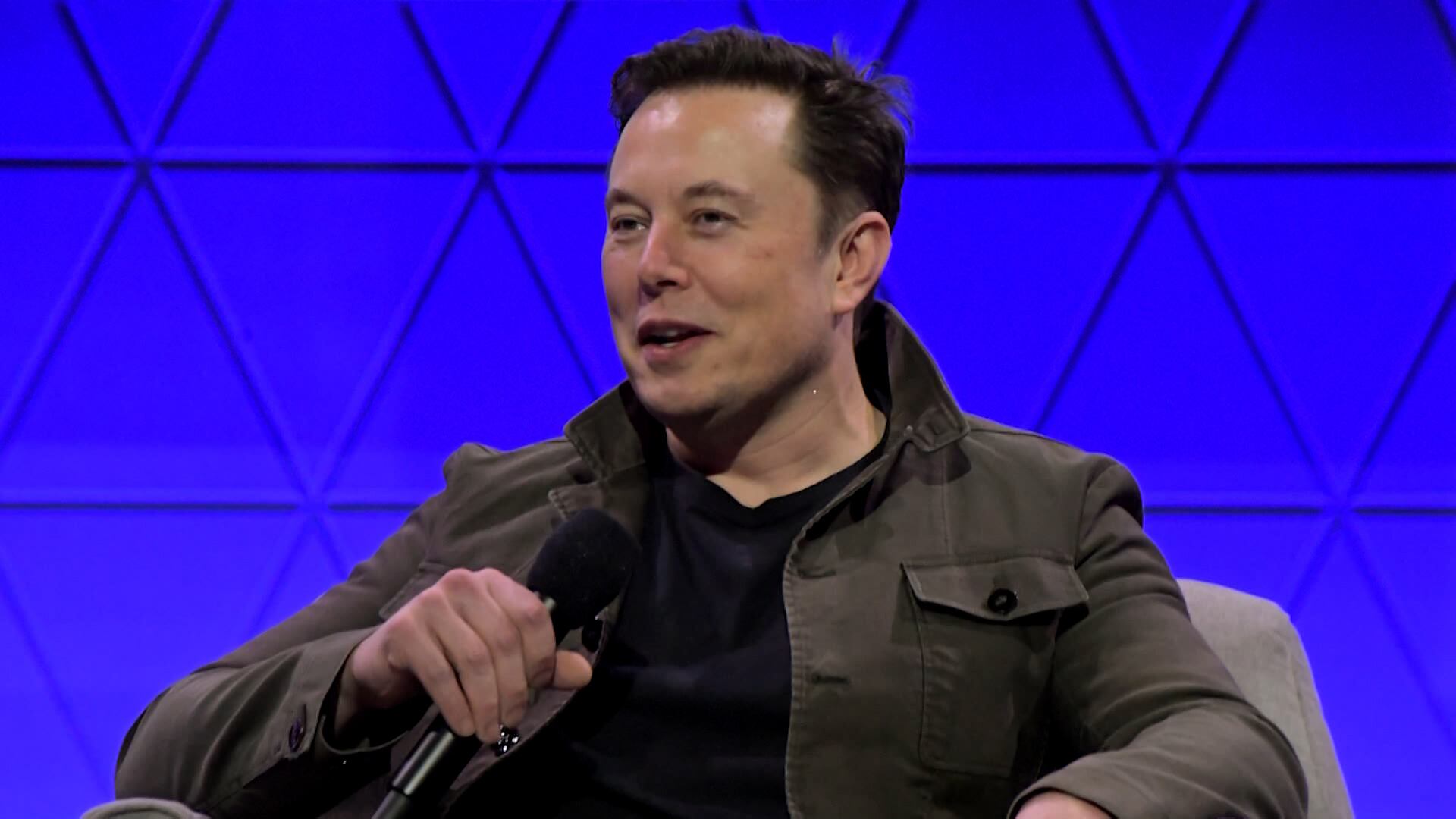
Elon Musk is set to join Twitter's board of directors. This comes shortly after the Tesla CEO purchased a 9.2% stake in Twitter, sending shares surging as much as 27% and making him the largest shareholder in the social media company. Angelo Zino, Senior Industry Analyst at CFRA Research, joined Cheddar's Opening Bell to gives his take on the social media saga.
President Biden has announced a historic release of oil from the U.S. reserves in an attempt to cut down surging gas prices across the country. The administration will release 1 million barrels of oil per day for the next six months, marking the largest withdrawal in the nearly 50-year history of the country's emergency supply of oil. Patrick DeHaan, Head of Petroleum Analysis at GasBuddy, breaks down why the Biden administration is making this unprecedented move, and what impact it could have on prices at the pump.
Rhea Thomas, Senior Economist at Wilmington Trust, breaks down the highlights from the latest jobs report and discusses how inflation could impact economic growth.