A worrisome bout of inflation struck the economy in April, with U.S. consumer prices for goods and services surging 0.8%, the largest monthly jump in more than a decade, and the year-over-year increase reaching its fastest rate since 2008.
The acceleration in prices, which has been building for months, has unsettled financial markets and raised concerns that it could weaken the economic recovery from the pandemic recession.
Wednesday's report from the Labor Department showed sharply higher prices for everything from food and clothes to housing. A 10% surge in the prices of used cars and trucks — a record jump — accounted for roughly one-third of last month's increases. Prices for vehicles, both used and new, have been soaring as a result of a computer chip shortage that has slowed auto production and reduced dealer supplies.
Over the past 12 months, consumer prices have jumped 4.2% — the fastest rise since a 4.9% gain in the 12 months that ended in September 2008. Excluding volatile food and energy, core inflation rose 0.9% in April and 3% over the past 12 months.
After years of dormant inflation, with the Federal Reserve struggling to increase it, worries about rising prices have shot to the top of economic concerns. Shortages of goods and parts related to disrupted supply chains have been a key factor.
The Fed, led by Chair Jerome Powell, has repeatedly expressed its belief that inflation will prove temporary as supply bottlenecks are unclogged and parts and goods flow normally again. But some economists have expressed concern that as the economic recovery accelerates, fueled by rising demand from consumers spending freely again, so will inflation.
“It looks like inflation pressures are not only building but are likely to be here at least through the rest of the year,” said Joel Naroff, chief economist at Naroff Economic Advisors. “With growth robust, firms have a measure of pricing power tat they haven't had in decades, and they appear to be using it.”
Investors, too, have grown increasingly jittery. On Tuesday, the Dow Jones Industrial Average sank more than 470 points — 1.4% — its worst day since Feb. 26.
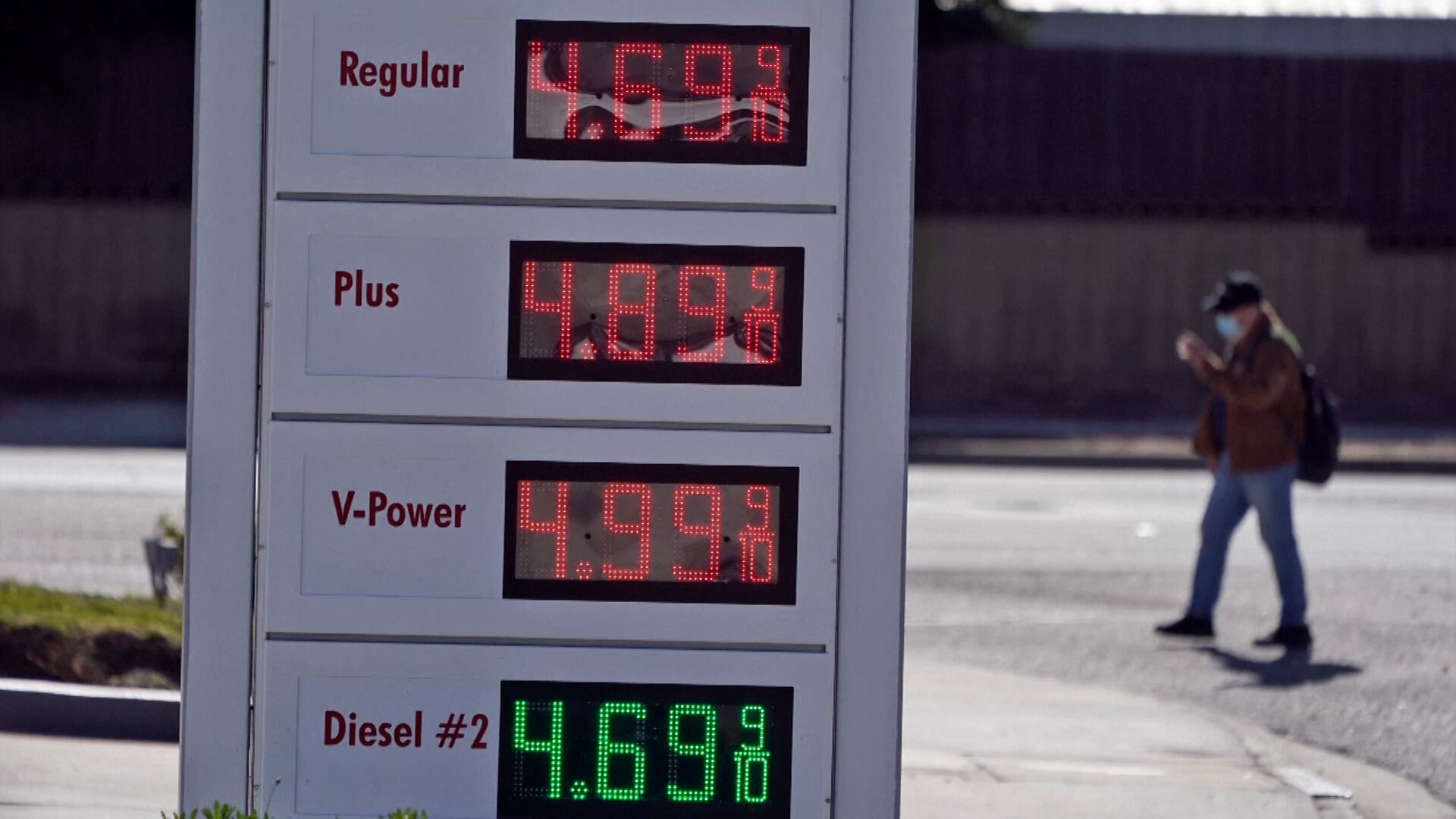
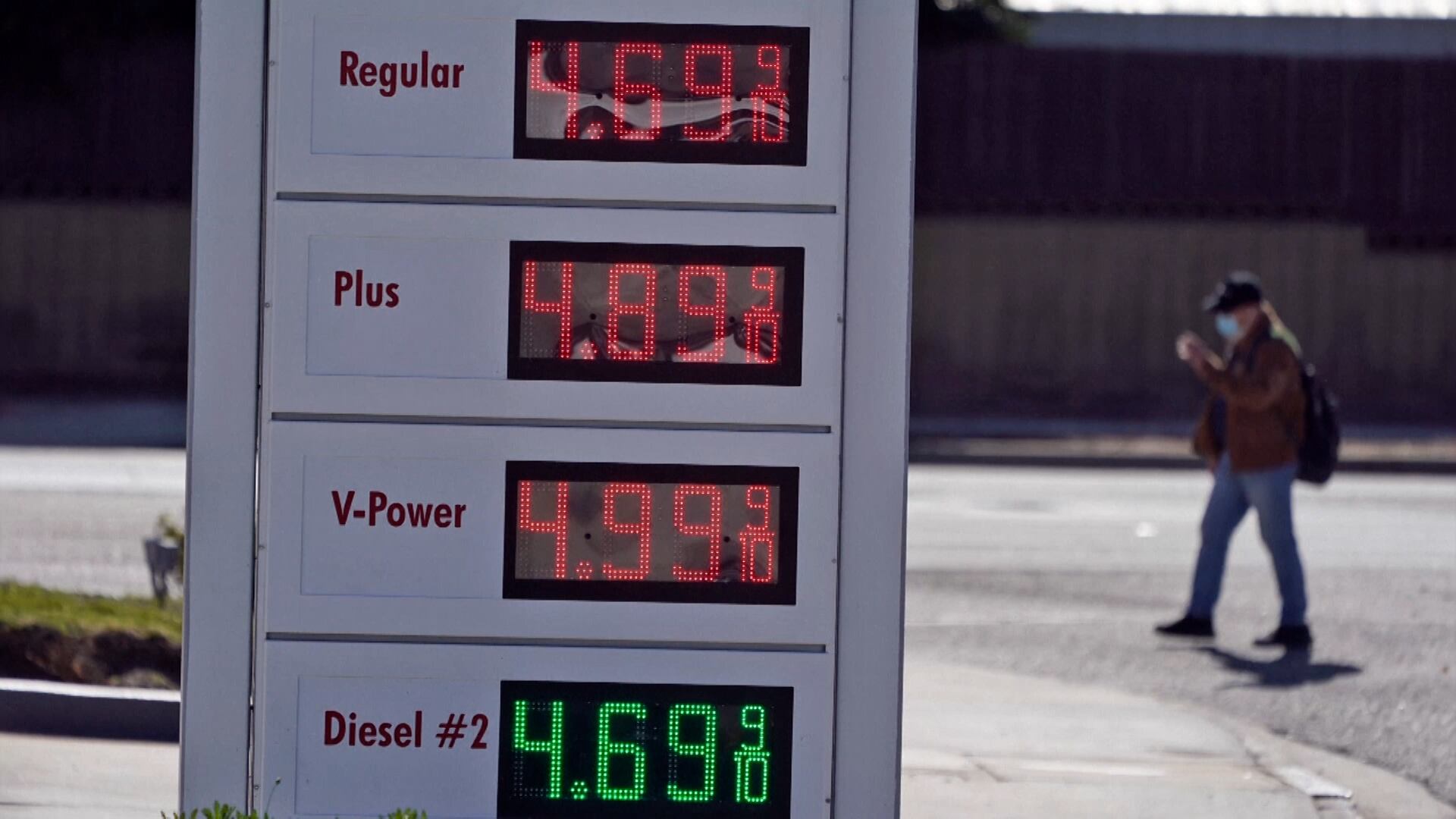
Wednesday's inflation report showed that food prices rose 0.4%, the biggest such increase since a 0.5% rise last June. Energy costs, though, edged down 0.1%, with gasoline pump prices falling 1.4%, the biggest drop since May 2020.
Last month, Powell suggested at a news conference that Fed officials expect inflation to move above its 2% annual target over the next few months. The Fed has said it will allow prices to rise slightly above 2% for a period of time to make up for the past decade's shortfalls in inflation.
Powell has said that as long as the increase in inflation doesn't appear to be hurting consumer and business expectations about price increases, the central bank would be willing to let prices rise without acting to raise interest rates. That view has been supported by comments from other Fed officials including Lael Brainard, a board member who warned Tuesday against a premature Fed tightening that could harm the economy.
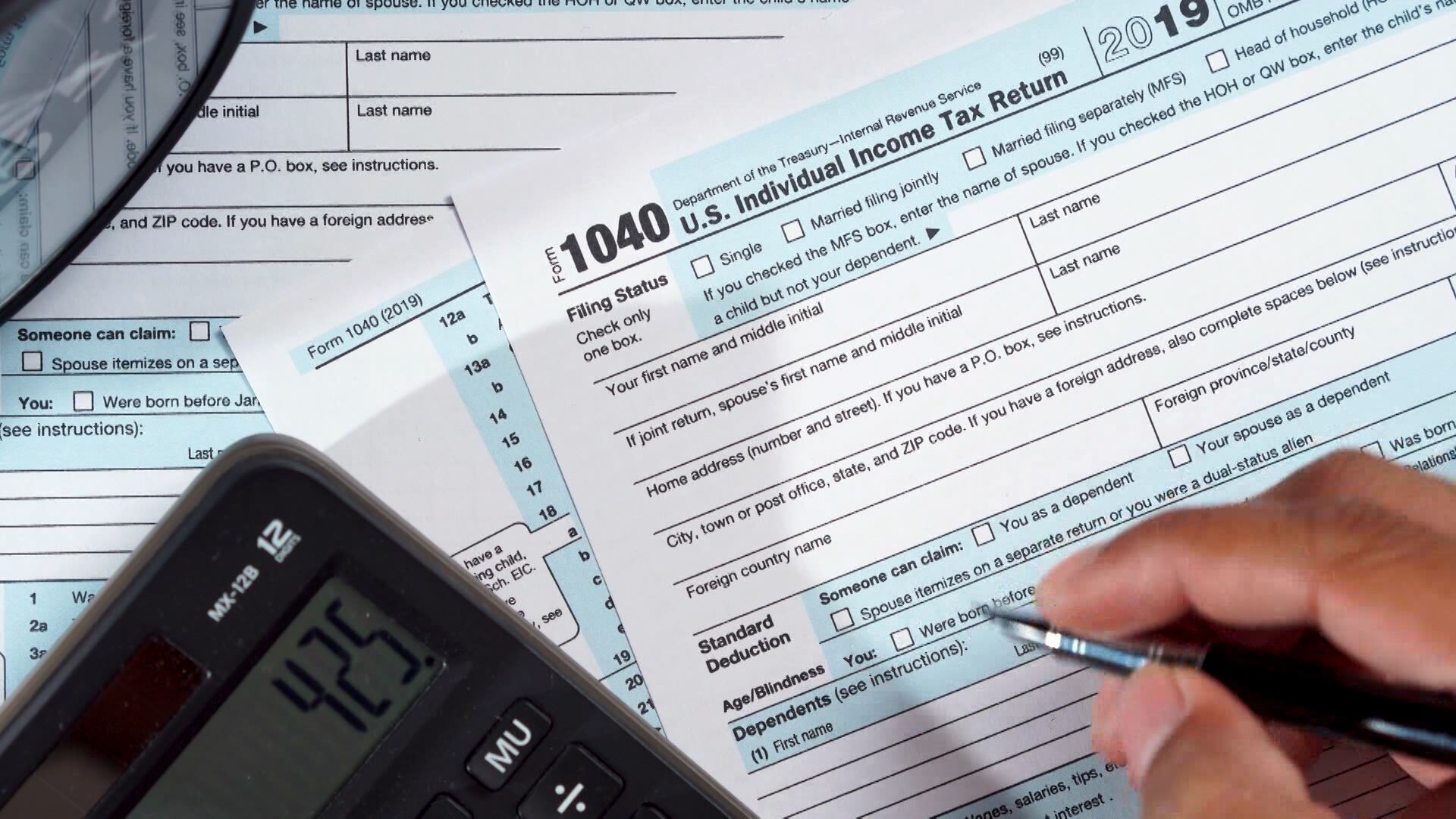
With tax day just five days away, David Ragland, Certified Financial Planner, Certified Divorce Financial Analyst and Chief Executive Officer of IRC Wealth joined Cheddar's Opening Bell to break down everything you need to know ahead of the upcoming tax deadline.
Michelle Benvenuto, Executive Director of Winegrowers of Napa County, talks about the challenges winegrowers are having this season and discusses the battle over expanding vineyards in Napa County.
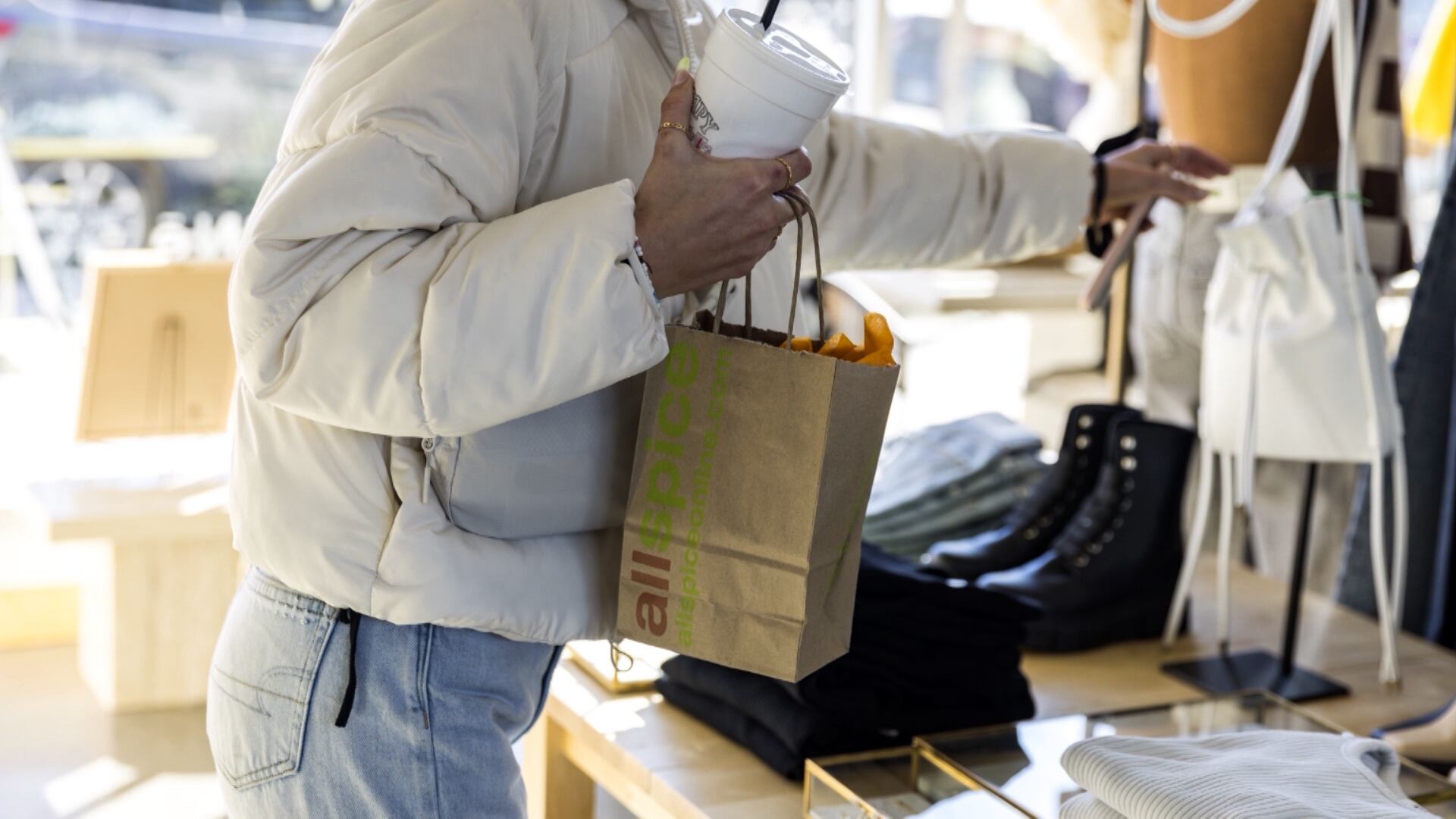
Digitally native stores like Allbirds and Everlane are beginning to target the suburbs as they look to expand their physical retail locations. It comes as reports show that a large portion of shoppers prefer to make their purchases in store. A new Deloitte report shows that 55 percent of shoppers who began their product search online, ended up making their purchase in store. Nikki Baird, VP of Strategy at Aptos, joined Cheddar's Opening Bell to discuss.
Russia has defaulted on some of its foreign debt as a tidal wave of western sanctions threatens its economy. The credit ratings agency S&P has placed Russia under "selective default" after it tried to pay its latest obligations in rubles. Russia now has a 30-day grace period to resolve the issue, but Moscow is threatening to take legal action. George Seay, Annandale Capital's CEO, joined Cheddar to break down what this means, and how Russia defaulting on its debt might impact the global economy.
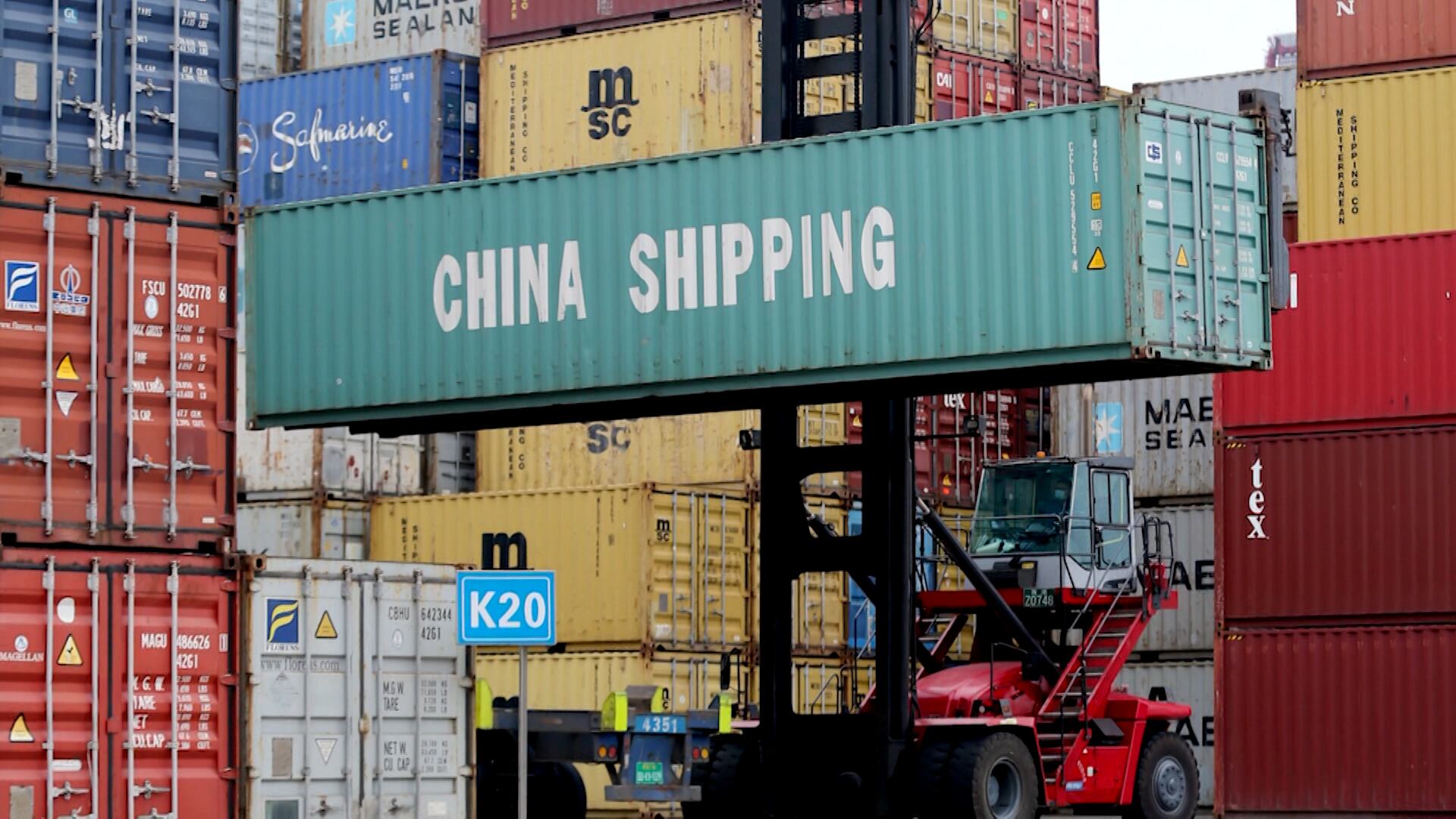
China's zero-covid policy may pose a wide-ranging threat to the local, and overseas economy. Analysts voicing concern on the strict lockdown in Shanghai as businesses and ports remain shuttered, potentially threatening the global supply chain. Shehzad H. Qazi, Managing Director, China Beige Book International joined Cheddar's Opening Bell to discuss.
The consumer price index in March rose by 8.5% from a year ago, the fastest annual gain since December 1981 and one-tenth of a percentage point above the estimate. The rise in prices is driven by strong consumer demand, supply-chain disruptions and skyrocketing energy costs related to Russia's invasion of Ukraine. Heather Boushey, Council of Economic Advisers Member for President Biden, joined Cheddar's Opening Bell to give her reaction to the latest inflation numbers.
As China faces backlash from its response to Russia's invasion of Ukraine, the U.S. is strengthening its relationship with India. India is expected to become one of the top three economic powers in the world over the next 10 to 15 years, bolstered by technological advances and the manufacturing sector. Samir Kapadia, CEO and Principal of The Vogel Group, joined Cheddar to discuss the state of India's economy, and how it can only grow from here.
Americans racked up the most monthly consumer debt in over a decade in February. According to a report from the Fed, consumer debt rose by nearly $42 billion, an annual increase of roughly 11%, far outpacing expectations. Rebecca Walser, President of Walser Wealth Management. Rebecca, joined Cheddar's Opening Bell to break down this data, and discuss how this could impact the consumer moving forward.
Ali Noorani, President & CEO of National Immigration Forum and Host of 'Only in America' Podcast, discusses the challenges in the labor market and the steps needed to streamline immigration in order to fill open positions.
The Dallas Cowboys have joined forces with cryptocurrency platform Blockchain.com as the NFL loosens restrictions on teams making such deals. The partnership won't open the door for crypto use at AT&T stadium but will provide for some exclusive fan experiences.