A worrisome bout of inflation struck the economy in April, with U.S. consumer prices for goods and services surging 0.8%, the largest monthly jump in more than a decade, and the year-over-year increase reaching its fastest rate since 2008.
The acceleration in prices, which has been building for months, has unsettled financial markets and raised concerns that it could weaken the economic recovery from the pandemic recession.
Wednesday's report from the Labor Department showed sharply higher prices for everything from food and clothes to housing. A 10% surge in the prices of used cars and trucks — a record jump — accounted for roughly one-third of last month's increases. Prices for vehicles, both used and new, have been soaring as a result of a computer chip shortage that has slowed auto production and reduced dealer supplies.
Over the past 12 months, consumer prices have jumped 4.2% — the fastest rise since a 4.9% gain in the 12 months that ended in September 2008. Excluding volatile food and energy, core inflation rose 0.9% in April and 3% over the past 12 months.
After years of dormant inflation, with the Federal Reserve struggling to increase it, worries about rising prices have shot to the top of economic concerns. Shortages of goods and parts related to disrupted supply chains have been a key factor.
The Fed, led by Chair Jerome Powell, has repeatedly expressed its belief that inflation will prove temporary as supply bottlenecks are unclogged and parts and goods flow normally again. But some economists have expressed concern that as the economic recovery accelerates, fueled by rising demand from consumers spending freely again, so will inflation.
“It looks like inflation pressures are not only building but are likely to be here at least through the rest of the year,” said Joel Naroff, chief economist at Naroff Economic Advisors. “With growth robust, firms have a measure of pricing power tat they haven't had in decades, and they appear to be using it.”
Investors, too, have grown increasingly jittery. On Tuesday, the Dow Jones Industrial Average sank more than 470 points — 1.4% — its worst day since Feb. 26.
Wednesday's inflation report showed that food prices rose 0.4%, the biggest such increase since a 0.5% rise last June. Energy costs, though, edged down 0.1%, with gasoline pump prices falling 1.4%, the biggest drop since May 2020.
Last month, Powell suggested at a news conference that Fed officials expect inflation to move above its 2% annual target over the next few months. The Fed has said it will allow prices to rise slightly above 2% for a period of time to make up for the past decade's shortfalls in inflation.
Powell has said that as long as the increase in inflation doesn't appear to be hurting consumer and business expectations about price increases, the central bank would be willing to let prices rise without acting to raise interest rates. That view has been supported by comments from other Fed officials including Lael Brainard, a board member who warned Tuesday against a premature Fed tightening that could harm the economy.
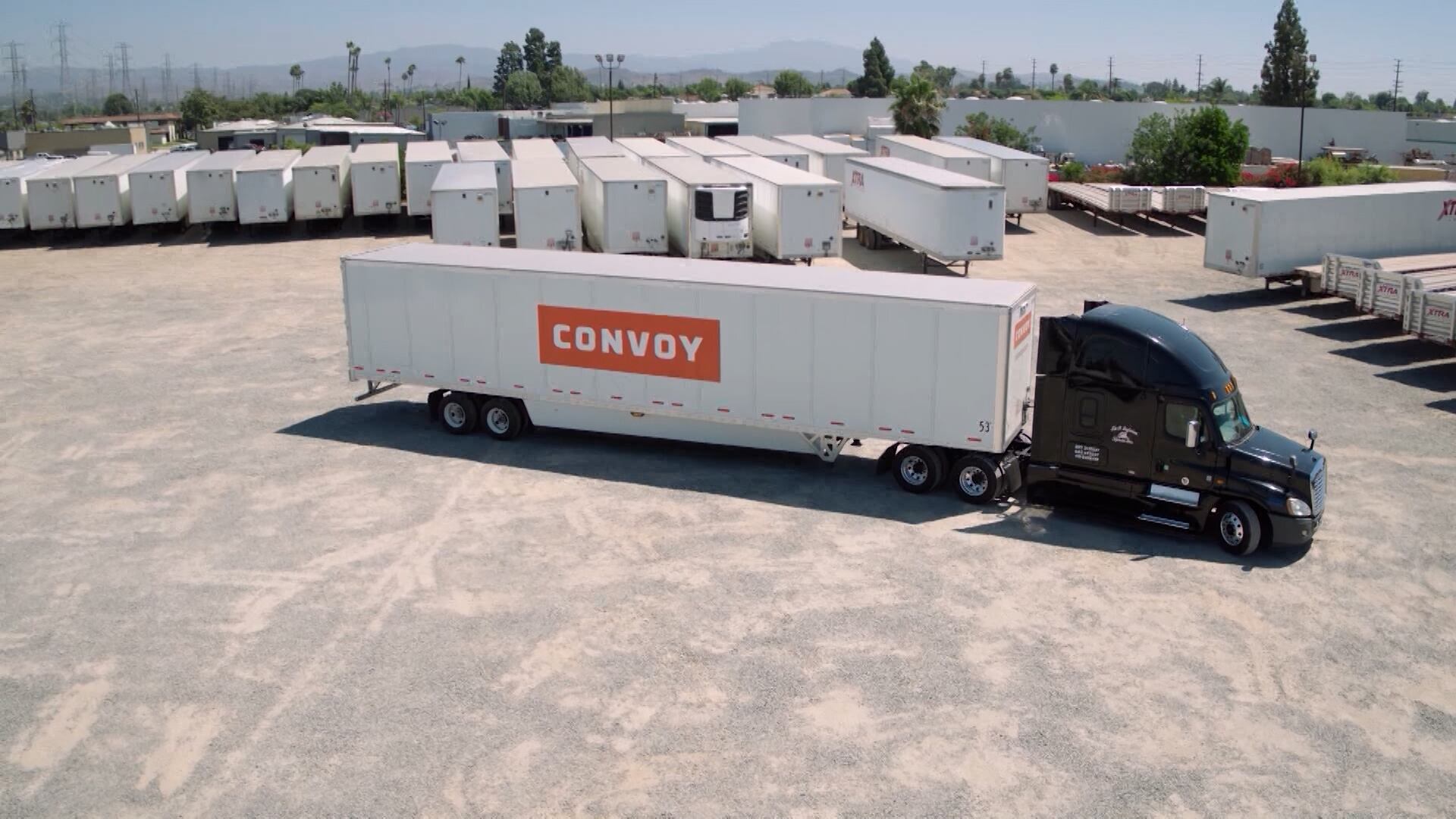
Dan Lewis, CEO of Convoy, says business luminaries like Bill Gates and Jeff Bezos are investing in his company because they're betting on Convoy and its business model to emerge as a winner in a crowded marketplace.
Anthony Bartolacci, VP of Financial Institutions at Sensor Tower, breaks down the reasons investors remain concerned about Netflix after the streaming giant said it lost subscribers last quarter.
Stocks closed near session lows Thursday as investors digested Federal Reserve Chair Jerome Powell's comment about a potential 50 basis point rate hike at the central bank's May meeting. Powell's announcement also sent the 10-year and other yields higher, with the benchmark 10-year rate hitting its highest level since late 2018. Victor Zhang, CIO at American Century Investments, joins Closing Bell to discuss today's close, Powell's comments, the Fed's moves on inflation, and more.
Tesla has continued to beat expectations as illustrated by its last quarter earnings despite issues in Shanghai, China. Dan Ives, the managing director of equity research at Wedbush Securities, joined Cheddar News to talk about the resilience of Tesla. "I thought they were almost Cinderella-like numbers," he said about the delivery numbers. "They are performing just miles ahead of any auto player, and that's why the stock is doing what it's doing. In my opinion, they're expanding their lead in EVs, even in this Category 5 hurricane that we're seeing in China." Ives noted that issues in China could pose ongoing challenges going forward even with the largely positive outlook.
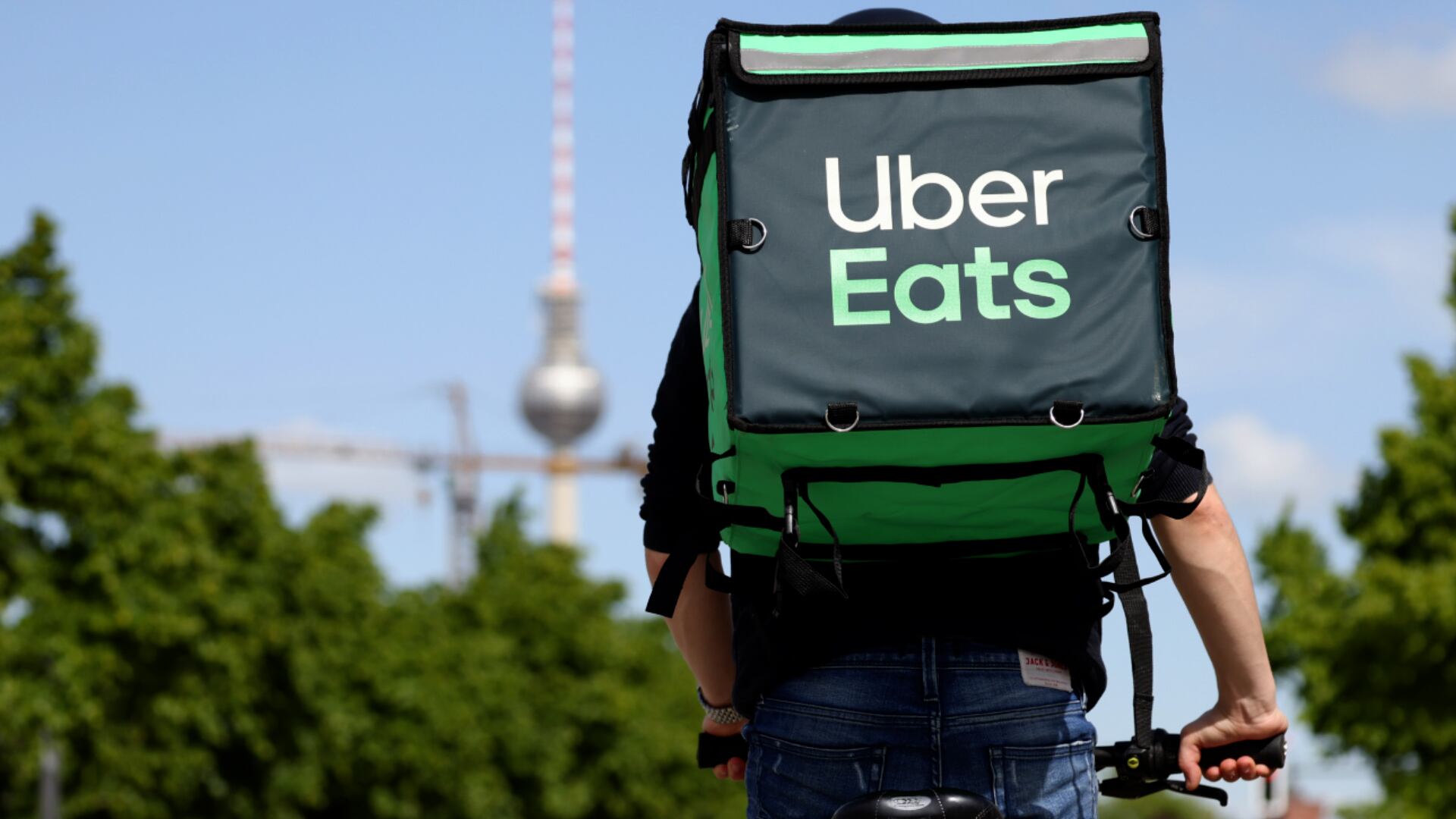
Inflation is driving a return to the gig economy, according to a new survey from Branch & Marqeta that found 85 percent of workers have increased or planned to increase their amount of gig work in the past six months, with 58 percent citing inflation as the reason behind this change. Arun Sundararajan, professor at NYU Stern School of Business, breaks down this dynamic and how it's impacting the broader economy. "Inflation is rampant and people need more money. Salaried wages haven't kept up. Plus the labor market is tight. People can't find full time employees, employers can't find full time employees, and so some people are being opportunistic," he said. "And I also think there's a COVID effect because people have gotten used to more flexibility and time and space because people have gotten used to more flexibility and time and space, through the months of the lockdown."
A new report from DrakeStar Partners, an investment bank that closely tracks the sector, said $98.7 billion in deals were announced or closed in the first three months of the year. T
AT&T reported a 2.5 percent rise in its core wireless revenue for the first quarter as its 5G rollout expands across the United States, even as the company pivots away from streaming to focus on its communication business amid heightened demand for high-speed internet. CEO John Stankey joined Cheddar's Opening Bell to discuss the company's 5G plans, its divestment from WarnerMedia, and its push into the metaverse. "To the extent that we start to see social aspects come into the metaverse that allows people to — as they're out and about — experience those kinds of things, that just puts a higher premium on mobile networks and scaled robust mobile networks to enable those applications, which is our bread and butter, and it's probably one of our best returning and best yielding businesses," he said.
The last pocket of resistance in Mariupol, Ukraine, has been given a brief respite, the Biden admin is appealing the transit mask mandate being overturned, and Tesla reports earnings. Here is all the news you Need2Know for April 21, 2022.