A worrisome bout of inflation struck the economy in April, with U.S. consumer prices for goods and services surging 0.8%, the largest monthly jump in more than a decade, and the year-over-year increase reaching its fastest rate since 2008.
The acceleration in prices, which has been building for months, has unsettled financial markets and raised concerns that it could weaken the economic recovery from the pandemic recession.
Wednesday's report from the Labor Department showed sharply higher prices for everything from food and clothes to housing. A 10% surge in the prices of used cars and trucks — a record jump — accounted for roughly one-third of last month's increases. Prices for vehicles, both used and new, have been soaring as a result of a computer chip shortage that has slowed auto production and reduced dealer supplies.
Over the past 12 months, consumer prices have jumped 4.2% — the fastest rise since a 4.9% gain in the 12 months that ended in September 2008. Excluding volatile food and energy, core inflation rose 0.9% in April and 3% over the past 12 months.
After years of dormant inflation, with the Federal Reserve struggling to increase it, worries about rising prices have shot to the top of economic concerns. Shortages of goods and parts related to disrupted supply chains have been a key factor.
The Fed, led by Chair Jerome Powell, has repeatedly expressed its belief that inflation will prove temporary as supply bottlenecks are unclogged and parts and goods flow normally again. But some economists have expressed concern that as the economic recovery accelerates, fueled by rising demand from consumers spending freely again, so will inflation.
“It looks like inflation pressures are not only building but are likely to be here at least through the rest of the year,” said Joel Naroff, chief economist at Naroff Economic Advisors. “With growth robust, firms have a measure of pricing power tat they haven't had in decades, and they appear to be using it.”
Investors, too, have grown increasingly jittery. On Tuesday, the Dow Jones Industrial Average sank more than 470 points — 1.4% — its worst day since Feb. 26.
Wednesday's inflation report showed that food prices rose 0.4%, the biggest such increase since a 0.5% rise last June. Energy costs, though, edged down 0.1%, with gasoline pump prices falling 1.4%, the biggest drop since May 2020.
Last month, Powell suggested at a news conference that Fed officials expect inflation to move above its 2% annual target over the next few months. The Fed has said it will allow prices to rise slightly above 2% for a period of time to make up for the past decade's shortfalls in inflation.
Powell has said that as long as the increase in inflation doesn't appear to be hurting consumer and business expectations about price increases, the central bank would be willing to let prices rise without acting to raise interest rates. That view has been supported by comments from other Fed officials including Lael Brainard, a board member who warned Tuesday against a premature Fed tightening that could harm the economy.
In the wake of Robinhood announcing it will be letting go of 9 percent of its staff, Caleb Silver, Investopedia editor-in-chief, joined Cheddar News to talk about the growing pains that the trading platform is going through, how it is affecting its user experience, and where it goes from here. “I think you're gonna see a little bit more automation, but that's how Robinhood was built," he said. "I think what you'll see is less marketing." Silver also noted that the steep drop in the stock price leaves it potentially open to being acquired. "I'm not saying that I know anything about this, but they're looking awful cheap. And when you think about what's going on with Twitter and some of these other platforms, you can see a buyer coming for Robinhood any minute now."
Stocks closed slightly higher Wednesday as the Nasdaq closed flat after a failed attempt to close higher. Investors are keeping an eye on earnings, which so far have been shaky for big tech giants and companies that typically drive the market. Garrett Phillips, Managing Partner at 3Summit Investment Management, joins Closing Bell to discuss today's close, our current volatile environment, where to invest in the current environment, and more.
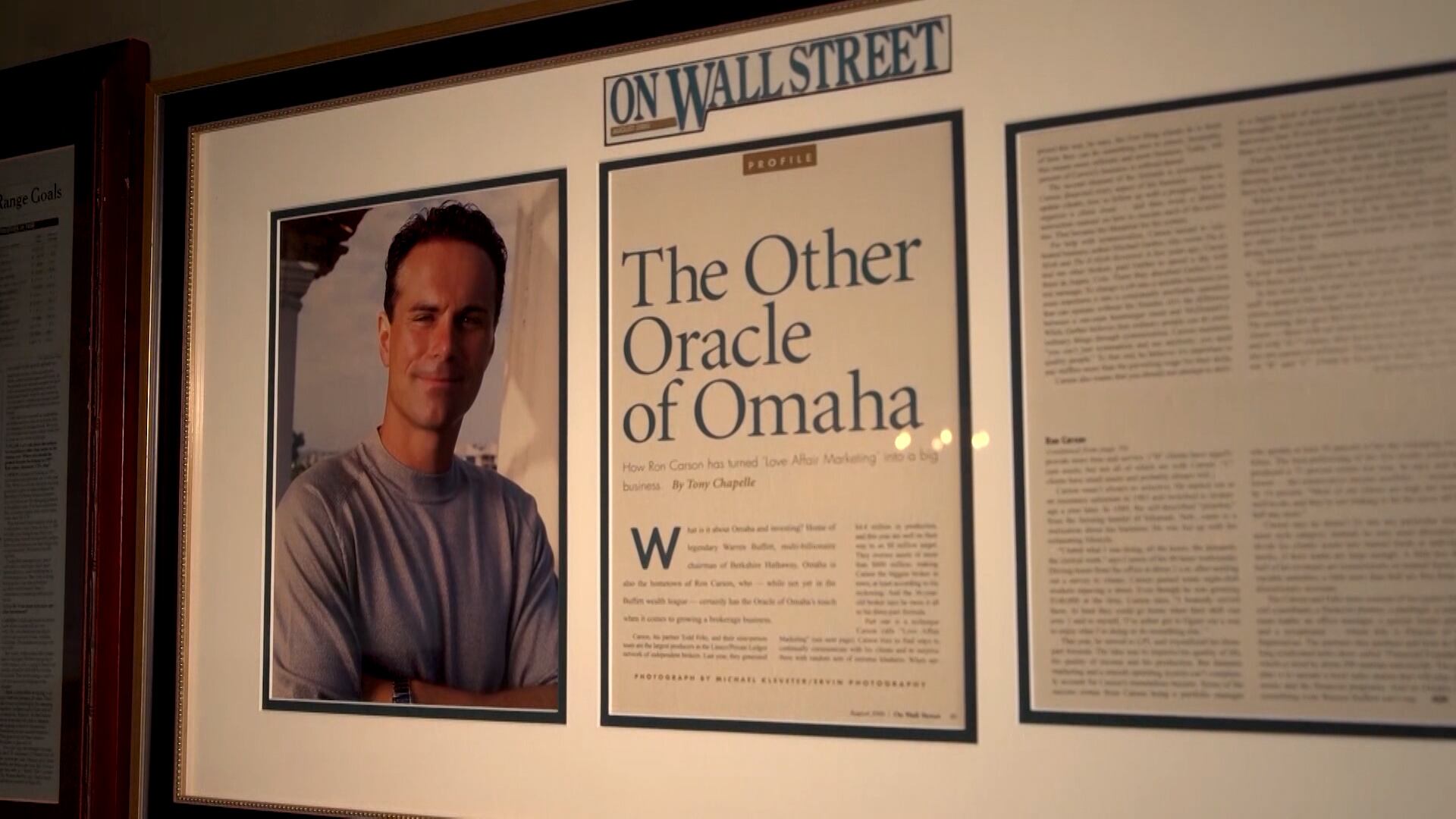
Ron Carson, CEO and Founder of Carson Wealth, sits down with Cheddar's Hena Doba to share how he achieved 'work-life harmony' by investing time and money into businesses he's passionate about.
Jan Lee, co-founder of Neighbors United Below Canal, joins Cheddar News to discuss how the new mega jail in NYC's Chinatown will negatively impact the community.
Melissa Eamer, founder and CEO of aging wellness brand Modern Age, joins Cheddar News to discuss the recent launch of its digital experience and flagship in New York City.
Danny Trejo is teaming up with Tostitos the once again for Cinco de Mayo. The actor and restaurateur is starring in the tortilla chip brand's commercial with Sofia Reyes to inspire others on how to celebrate the holiday. The "Machete" star joined Cheddar News to talk about the campaign. "I only do things I like, and I like Tostitos," he said. "You know, I love their Scoops. They don't break in the guacamole."
With National Infertility Awareness Week underway, the fertility and family-building benefits provider for employers, Kindbody, is looking to make a full suite of treatments and care accessible — including for LGBTQ+ patients. Founder and chairwoman Gina Bartasi joined Cheddar's Opening Bell to talk about the importance of infertility awareness, what role employers play in offering benefits, and how to remove the stigma around the fertility conversation. "We have to talk about the patient holistically, not just fertility services, but what can we do from a mental health standpoint to support patients," she said. "Most patients talk about fertility being more stressful than divorce, infertility being more prevalent than cancer or diabetes. So it is our mission, remains our mission, to elevate awareness around infertility, not just [during] National Infertility Awareness Week."
With a constrained supply of housing in the most desirable markets, home prices have risen nearly 20 percent year-over-year in February. David O’Reilly, CEO of Howard Hughes Corporation, joined Cheddar News to talk about where people are migrating to, and away from, leading to red hot real estate. "We see clearly the most demand is going into those states that I would define as warmer and less expensive, those secondary cities like Houston, Phoenix, and Las Vegas, where individuals are trading in higher traffic and lower quality of life for more affordability," he said. O'Reilly pointed to urban centers in the Northeast and West Coast as seeing the most losses in residents.
Social media giants including Twitter, Meta, Alphabet, and Pinterest all report earnings this week, and there's plenty to keep an eye on. One big earnings report to watch will be Twitter's, after the company today accepted Tesla CEO Elon Musk's $44 billion bid to take the company private. Investors will also be keeping an eye on ad revenue, user numbers, and more when it comes to Meta's social media networks like Facebook and Instagram. Ted Mortonson, technology strategist at Baird, joins Closing Bell to discuss Musk's Twitter takeover, how Apple's iOS privacy change could continue to impact ad revenue, and more.