A worrisome bout of inflation struck the economy in April, with U.S. consumer prices for goods and services surging 0.8%, the largest monthly jump in more than a decade, and the year-over-year increase reaching its fastest rate since 2008.
The acceleration in prices, which has been building for months, has unsettled financial markets and raised concerns that it could weaken the economic recovery from the pandemic recession.
Wednesday's report from the Labor Department showed sharply higher prices for everything from food and clothes to housing. A 10% surge in the prices of used cars and trucks — a record jump — accounted for roughly one-third of last month's increases. Prices for vehicles, both used and new, have been soaring as a result of a computer chip shortage that has slowed auto production and reduced dealer supplies.
Over the past 12 months, consumer prices have jumped 4.2% — the fastest rise since a 4.9% gain in the 12 months that ended in September 2008. Excluding volatile food and energy, core inflation rose 0.9% in April and 3% over the past 12 months.
After years of dormant inflation, with the Federal Reserve struggling to increase it, worries about rising prices have shot to the top of economic concerns. Shortages of goods and parts related to disrupted supply chains have been a key factor.
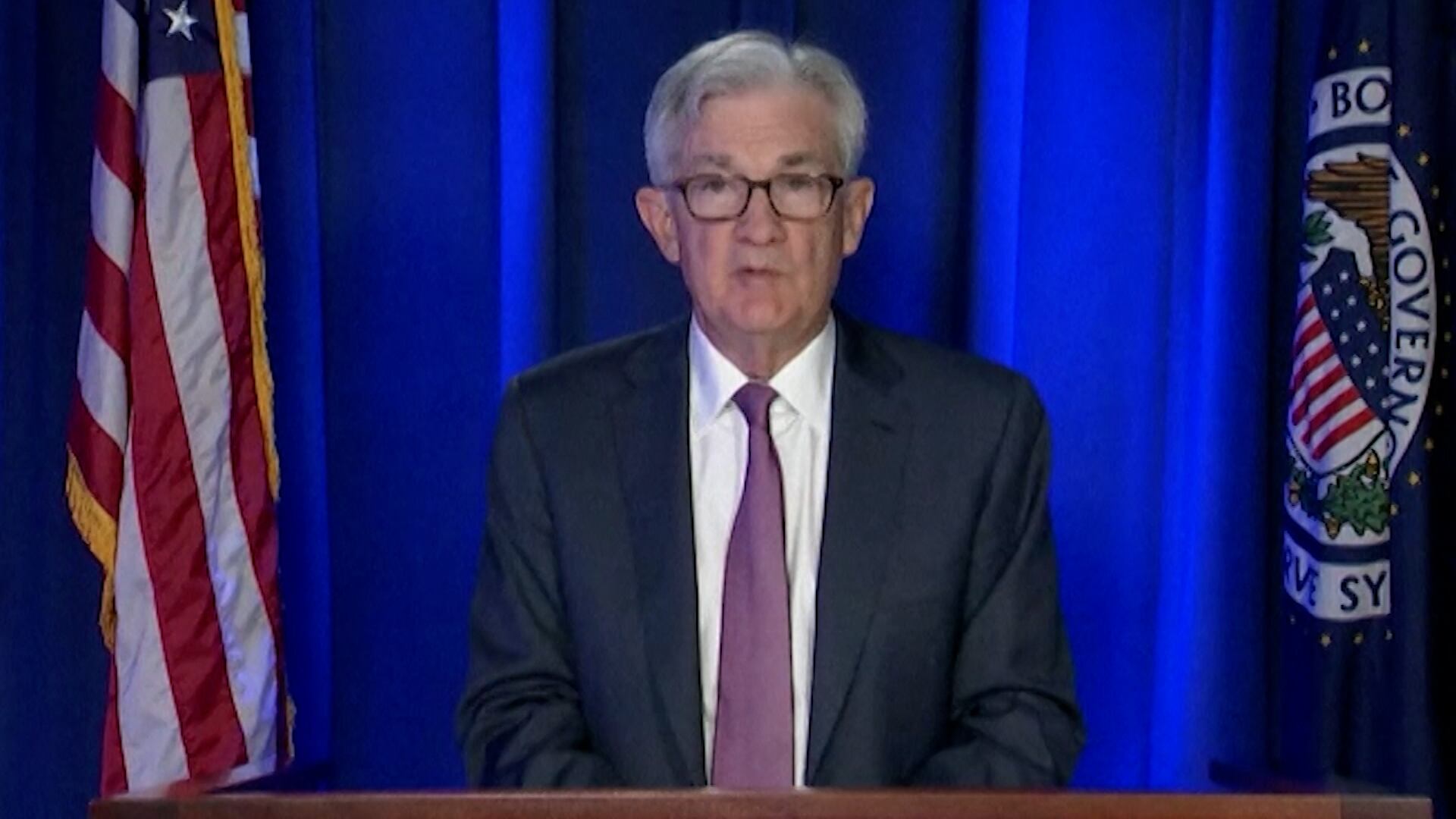
The Fed, led by Chair Jerome Powell, has repeatedly expressed its belief that inflation will prove temporary as supply bottlenecks are unclogged and parts and goods flow normally again. But some economists have expressed concern that as the economic recovery accelerates, fueled by rising demand from consumers spending freely again, so will inflation.
“It looks like inflation pressures are not only building but are likely to be here at least through the rest of the year,” said Joel Naroff, chief economist at Naroff Economic Advisors. “With growth robust, firms have a measure of pricing power tat they haven't had in decades, and they appear to be using it.”
Investors, too, have grown increasingly jittery. On Tuesday, the Dow Jones Industrial Average sank more than 470 points — 1.4% — its worst day since Feb. 26.
Wednesday's inflation report showed that food prices rose 0.4%, the biggest such increase since a 0.5% rise last June. Energy costs, though, edged down 0.1%, with gasoline pump prices falling 1.4%, the biggest drop since May 2020.
Last month, Powell suggested at a news conference that Fed officials expect inflation to move above its 2% annual target over the next few months. The Fed has said it will allow prices to rise slightly above 2% for a period of time to make up for the past decade's shortfalls in inflation.
Powell has said that as long as the increase in inflation doesn't appear to be hurting consumer and business expectations about price increases, the central bank would be willing to let prices rise without acting to raise interest rates. That view has been supported by comments from other Fed officials including Lael Brainard, a board member who warned Tuesday against a premature Fed tightening that could harm the economy.
Catching you up on today's top stories with Elon Musk raising his own commitment to purchasing Twitter with $33.5 billion, Apple plans to produce 220 million iPhones this year, and the company also is raising its hourly retail wage to $22 per hour amid ongoing unionization efforts at its stores.
Everyone is searching for that social media moment, whether it’s filming a viral dance for TikTok or snapping a selfie for your Instagram Story. Cheddar News explores the activities made for the online world, including streaming companies creating real-life experiences to entice you to stay subscribed, TikTok taking the stage with its first theatrical production, and how one immersive experience made out of candy encourages you to revisit your childhood.
Join Cheddar News as we break down the top headlines for Thursday, May 26 including updates on the Texas school shooting, President Joe Biden's executive order on police reform, and a recount in the Pennsylvania GOP Senate primary.
Markets opened lower Wednesday morning as investors await meeting minutes from the Federal Reserve. Bill Stone, Chief Investment Officer at The Glenview Trust Company joined Cheddar's Opening Bell to discuss.
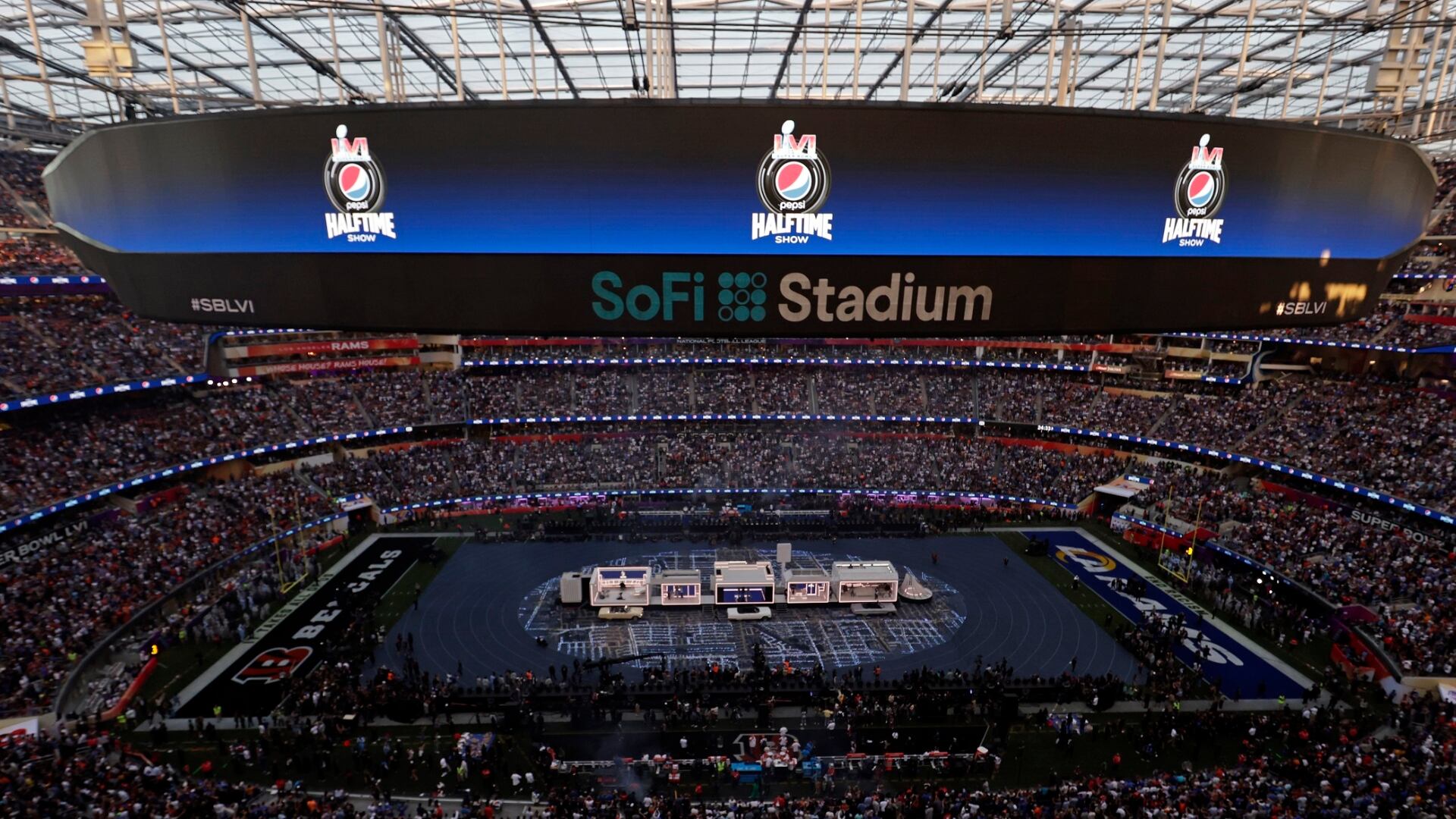
Pepsi’s 10-year contract with the NFL to sponsor the Super Bowl Half Time Show has come to an end and the rights are now up for grabs, leaving football fans to wonder what competitor or a wild card will jump in to take the food and beverage giant's place. However, PepsiCo will still have pour rights at all of the NFL major events.
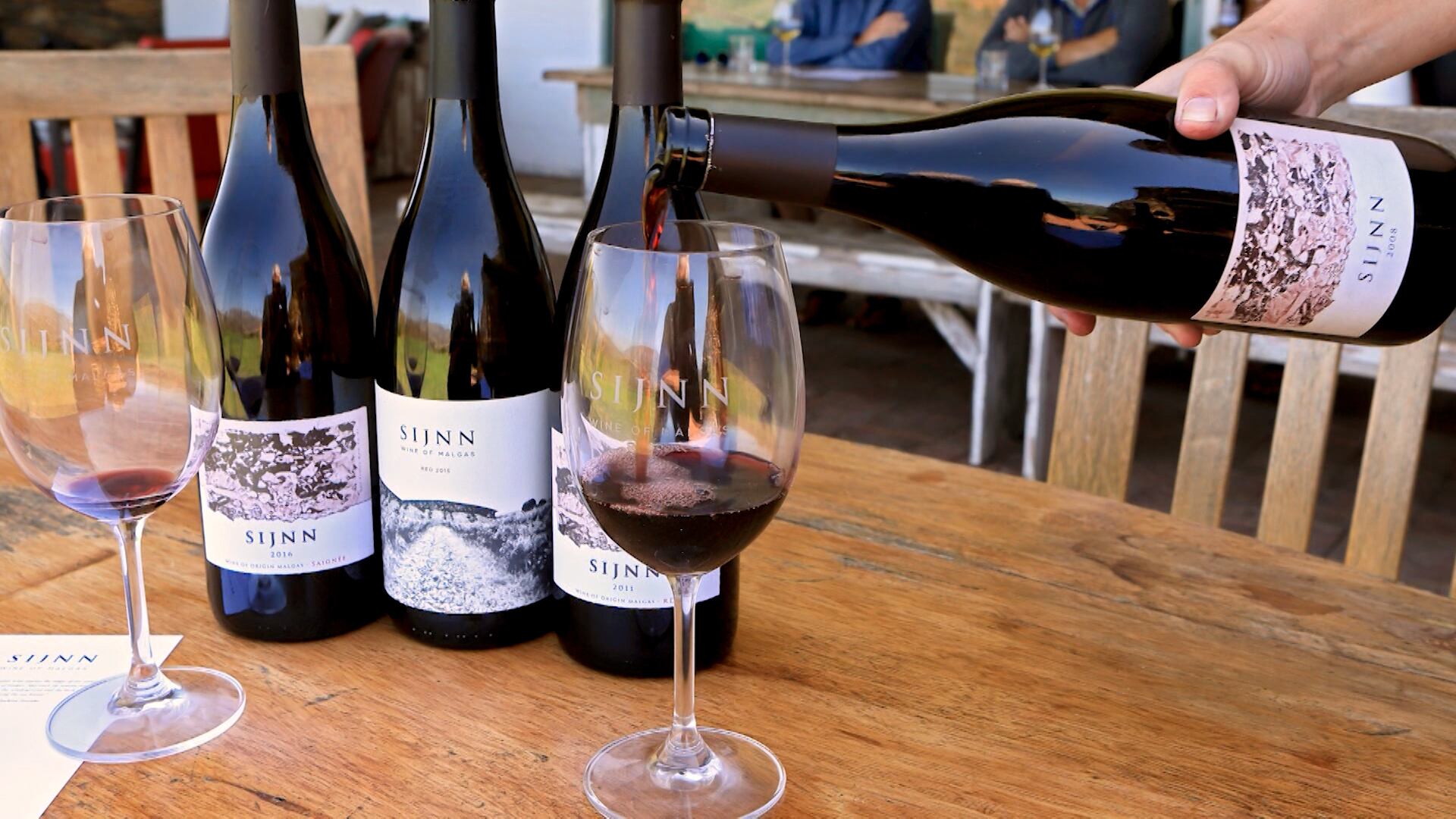
CEO Anthony Zhang of Vinovest, a platform for investing in bottles of fine wine, joined Cheddar News to discuss how his company is bringing this unique opportunity to investors. “Just to be clear, these aren't the typical bottles of wine that you're finding at your local grocery store or Trader Joe's," he said. "These are really considered bottles that are collectible, age-worthy, and have a track regular of appreciating over time on the secondary market.”
Judith Enck, a former regional administrator for the EPA and the president of Beyond Plastics, joined Cheddar News to talk about the role of plastics in the climate crisis and California's investigation of ExxonMobil and other oil companies for misleading the public on the ability to recycle plastics. "The reason why petrochemical companies like Exxon have gotten away with selling more and more plastic is that they've lied to the public and told us don't worry about all those negative upstream impacts and downstream impacts of plastics. Just be sure to recycle it. Well, guess what? Plastics largely are not recycled," Enck said.
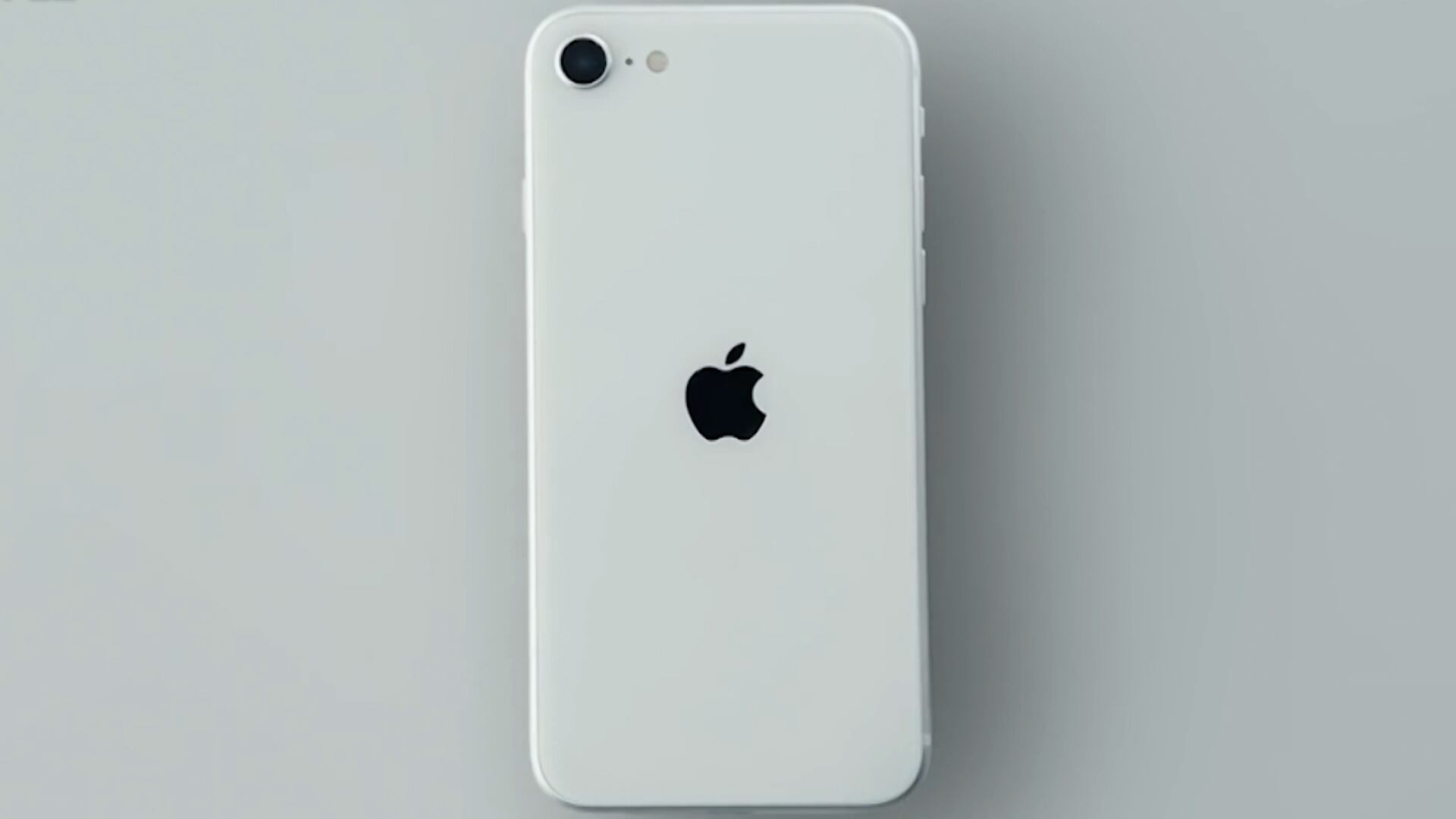
Apple warned of a potential $8 billion future sales hit due to supply issues, but Dan Ives, the managing director of equity research at Wedbush Securities, noted that the record quarterly report the tech giant posted shows demand remains high for Apple products and services. Ives joined Cheddar to explain why investors should look past the warning. "In these types of markets where many are yelling fire in a crowded theater, you look at the demand trends because that continues to be the focus for Apple," he said "I think you combine that with the services. I view it as a defensive name. It's a Rock of Gibraltar stock in a Category 5 storm as well as also an offensive play as I believe we start to move out of some of these just brutal headwinds that we've been seeing in the market once the Fed rips the band-aid off."