A worrisome bout of inflation struck the economy in April, with U.S. consumer prices for goods and services surging 0.8%, the largest monthly jump in more than a decade, and the year-over-year increase reaching its fastest rate since 2008.
The acceleration in prices, which has been building for months, has unsettled financial markets and raised concerns that it could weaken the economic recovery from the pandemic recession.
Wednesday's report from the Labor Department showed sharply higher prices for everything from food and clothes to housing. A 10% surge in the prices of used cars and trucks — a record jump — accounted for roughly one-third of last month's increases. Prices for vehicles, both used and new, have been soaring as a result of a computer chip shortage that has slowed auto production and reduced dealer supplies.
Over the past 12 months, consumer prices have jumped 4.2% — the fastest rise since a 4.9% gain in the 12 months that ended in September 2008. Excluding volatile food and energy, core inflation rose 0.9% in April and 3% over the past 12 months.
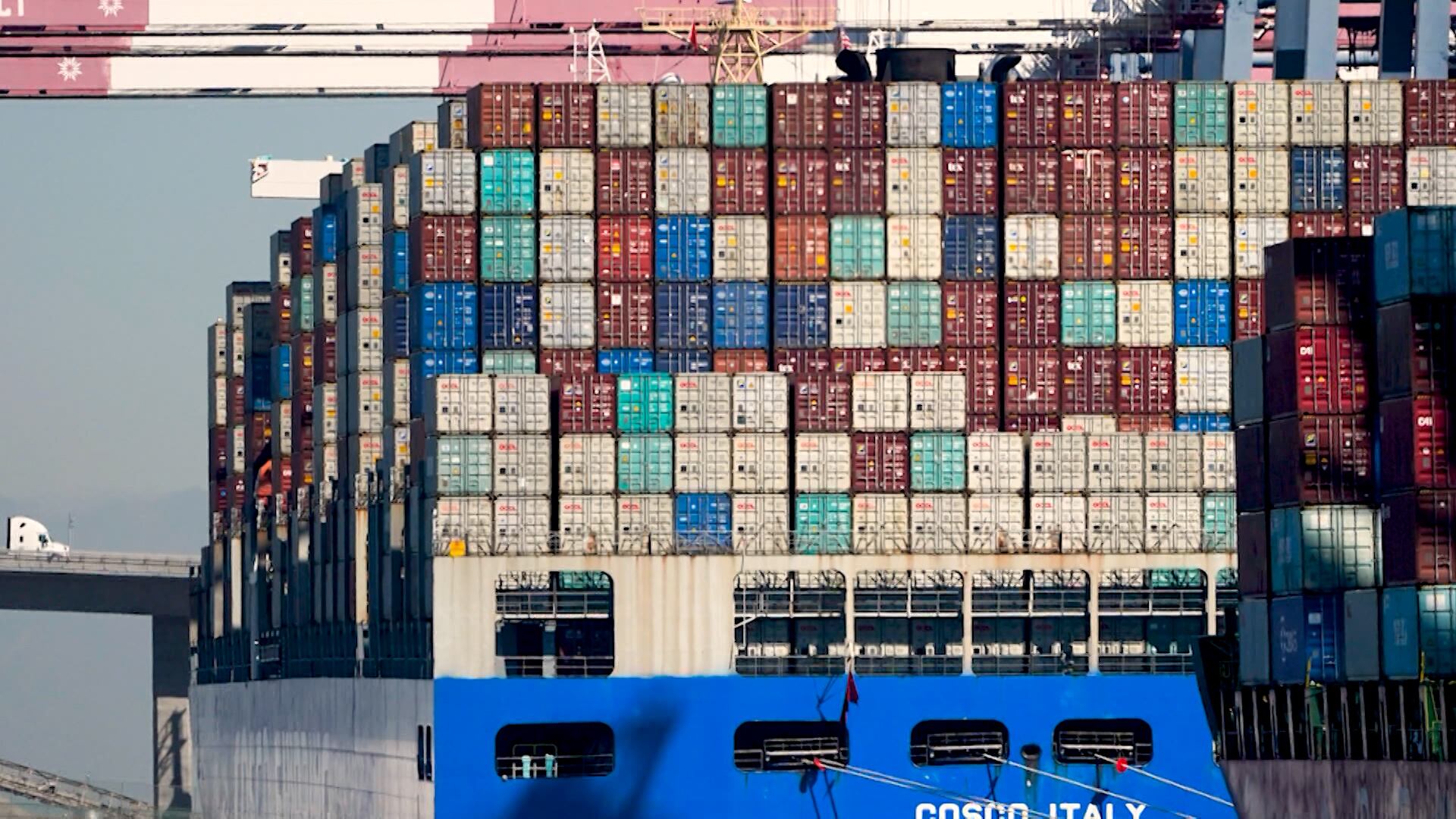
After years of dormant inflation, with the Federal Reserve struggling to increase it, worries about rising prices have shot to the top of economic concerns. Shortages of goods and parts related to disrupted supply chains have been a key factor.
The Fed, led by Chair Jerome Powell, has repeatedly expressed its belief that inflation will prove temporary as supply bottlenecks are unclogged and parts and goods flow normally again. But some economists have expressed concern that as the economic recovery accelerates, fueled by rising demand from consumers spending freely again, so will inflation.
“It looks like inflation pressures are not only building but are likely to be here at least through the rest of the year,” said Joel Naroff, chief economist at Naroff Economic Advisors. “With growth robust, firms have a measure of pricing power tat they haven't had in decades, and they appear to be using it.”
Investors, too, have grown increasingly jittery. On Tuesday, the Dow Jones Industrial Average sank more than 470 points — 1.4% — its worst day since Feb. 26.
Wednesday's inflation report showed that food prices rose 0.4%, the biggest such increase since a 0.5% rise last June. Energy costs, though, edged down 0.1%, with gasoline pump prices falling 1.4%, the biggest drop since May 2020.
Last month, Powell suggested at a news conference that Fed officials expect inflation to move above its 2% annual target over the next few months. The Fed has said it will allow prices to rise slightly above 2% for a period of time to make up for the past decade's shortfalls in inflation.
Powell has said that as long as the increase in inflation doesn't appear to be hurting consumer and business expectations about price increases, the central bank would be willing to let prices rise without acting to raise interest rates. That view has been supported by comments from other Fed officials including Lael Brainard, a board member who warned Tuesday against a premature Fed tightening that could harm the economy.
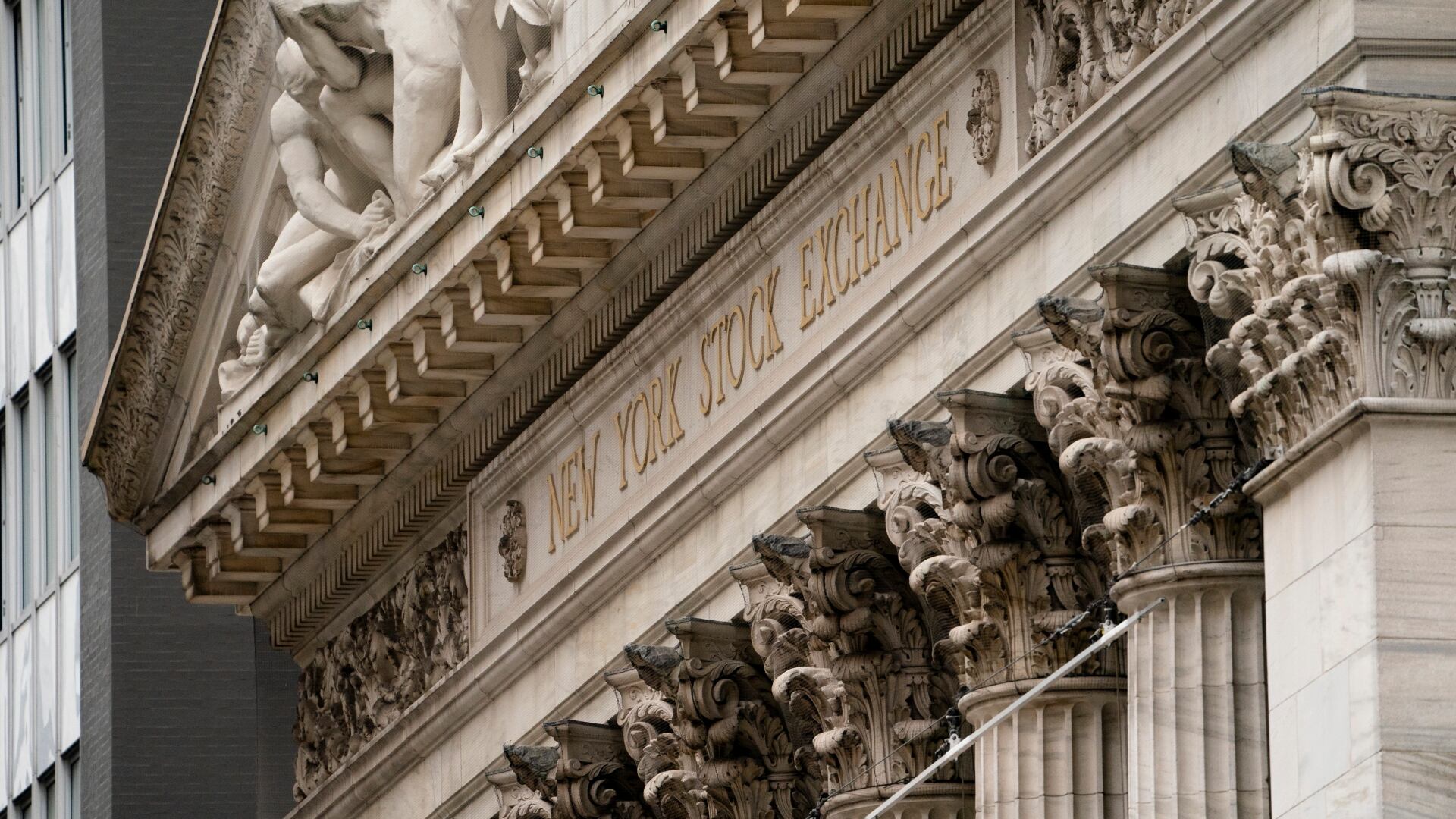
The Dow, S&P, and Nasdaq begin November by not only ending Monday's session higher but with a record close as well. Melissa Armo, Founder and Owner of The Stock Swoosh, has her eye on major economic storylines and joins Cheddar News' Closing Bell to discuss what role the news could play on Wall Street.
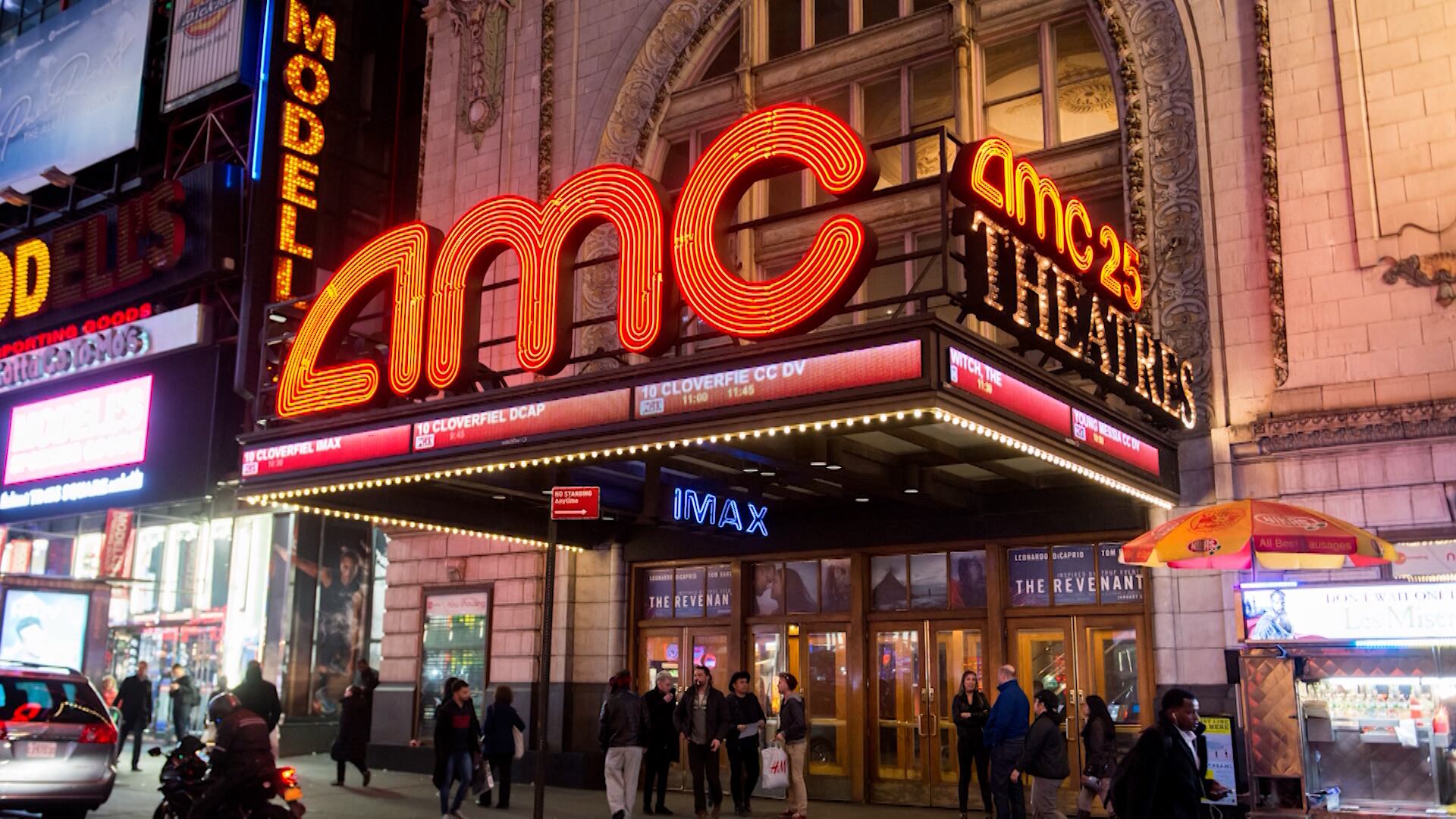
October was a great month for movies, as it's set to bring in more than $600 million this month, according to Comscore. Thanks to big hits like Venom 2, No Time to Die, Halloween Kills, Dune, and The Addams Family 2, October is expected to be the best month since the pandemic began in regards to combined domestic ticket sales. Mark Sebastian, CIO of Karman Line Capital, explains why October wasn't just a fluke for movie theaters. He also gives a look at AMC stock as the chain is set to report its third quarter earnings on November 8.
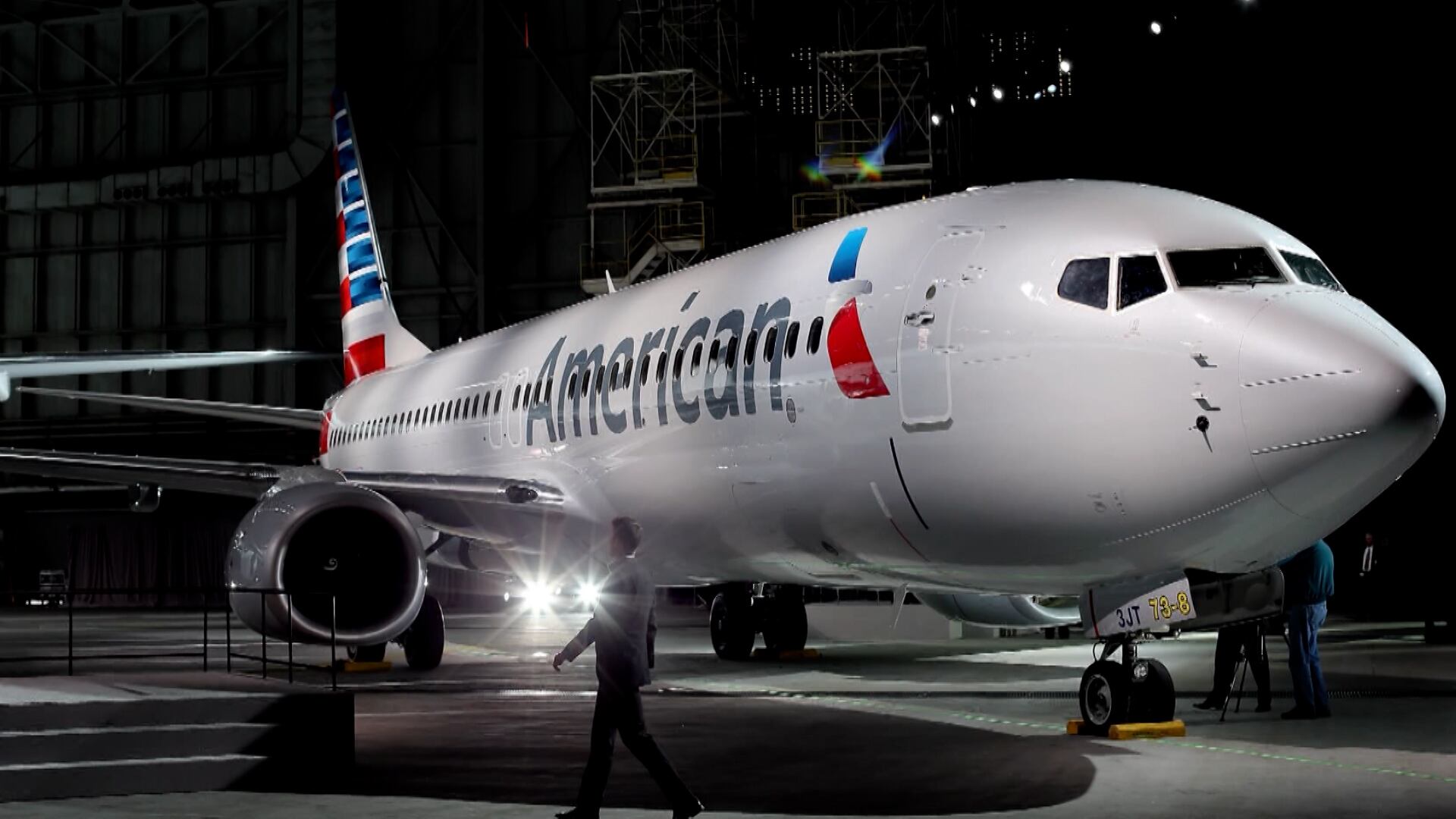
Michael Boyd, CEO of aviation consultancy Boyd Group International, joined Cheddar to discuss recent mass flight cancellations by airlines like American and Southwest. Boyd noted that the usually efficient hub and spoke system left American Airlines vulnerable to the weather event in Dallas-Fort Worth and staffing shortages. He also said that while planning trips in the current climate can be unnerving, problems like weather delays are just part of the flying experience.
Christian Kroll, CEO of Ecosia, joins 'Fast Forward' to discuss how Ecosia uses its ad revenue to plant trees, and what the company plans to do after launching a $405 million venture capital fund focused on combating the climate crisis.
Guy Hirsch, USA managing director and head of NFT at eToro, joined Cheddar to discuss the evolution of bitcoin into the mainstream 13 years after the white paper from the presumed pseudonym Satoshi Nakamoto was published. Hirsch said there were several groundbreaking moments for the cryptocurrency, starting with the financial crisis of 2008, noting that people began seeking a solution to protect wealth, and bitcoin "gave people the confidence that it is an immutable ledger that no one can really hack or interfere with."
Visa CFO Vasant Prabhu, joined Cheddar's "Closing Bell" to talk about the financial service company's prediction that a full economic recovery from the pandemic won't happen until summer 2023 based on travel-related sources. Prabhu noted that a big question mark for the recovery is when Asia reopens for travel but "anything's possible" and the recovery could still end up going faster than anticipated.
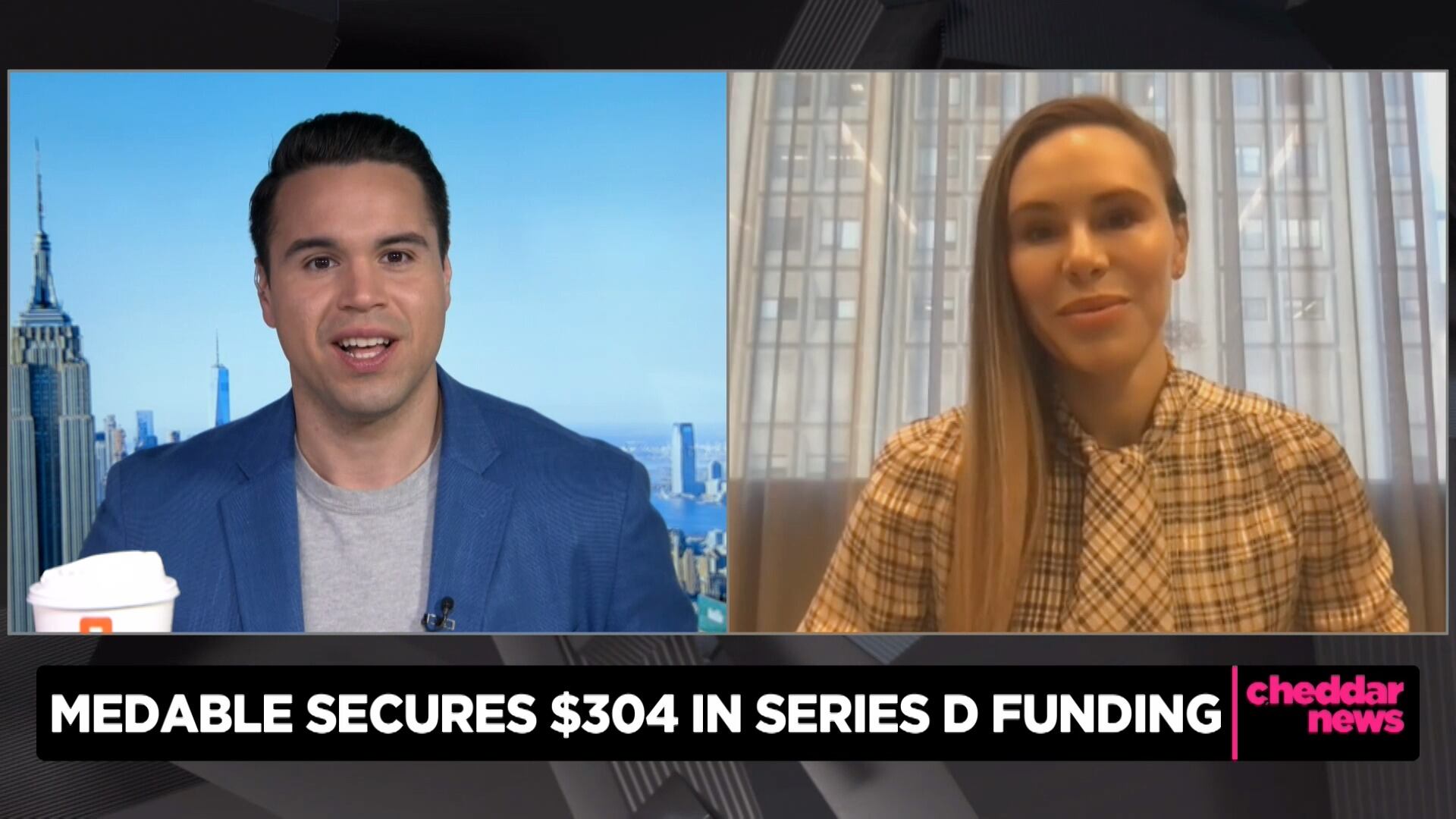
Clinical research company Medable has secured $304 million in Series D funding, marking its fourth round since 2020, giving the firm a valuation of just over $2 billion. Dr. Michelle Longmire, CEO and Co-founder, Medable joined Cheddar's Opening Bell to discuss the future of the company.
House Democrats are scrambling to hold a vote as soon as Tuesday on President Joe Biden's economic agenda — both the $1 trillion bipartisan infrastructure bill and the $1.85 trillion social safety net and climate bill. With Biden still overseas, the bill stands in flux. Jennifer Haberkorn, congressional reporter at the Los Angeles Times, joined Cheddar's "Opening Bell" to discuss.
Sportradar, a global sports data company, announced it will serve as UEFA’s exclusive authorized collector and distributor of data for betting purposes. The agreement covers 1,550 matches from the 2021-2022 season through to the end of the 2023-2024 season across all UEFA properties in Europe. Sportradar CEO Carsten Koerl joined Cheddar to provide additional details on the landmark partnership and some insight into the future of sports betting.