A worrisome bout of inflation struck the economy in April, with U.S. consumer prices for goods and services surging 0.8%, the largest monthly jump in more than a decade, and the year-over-year increase reaching its fastest rate since 2008.
The acceleration in prices, which has been building for months, has unsettled financial markets and raised concerns that it could weaken the economic recovery from the pandemic recession.
Wednesday's report from the Labor Department showed sharply higher prices for everything from food and clothes to housing. A 10% surge in the prices of used cars and trucks — a record jump — accounted for roughly one-third of last month's increases. Prices for vehicles, both used and new, have been soaring as a result of a computer chip shortage that has slowed auto production and reduced dealer supplies.
Over the past 12 months, consumer prices have jumped 4.2% — the fastest rise since a 4.9% gain in the 12 months that ended in September 2008. Excluding volatile food and energy, core inflation rose 0.9% in April and 3% over the past 12 months.
After years of dormant inflation, with the Federal Reserve struggling to increase it, worries about rising prices have shot to the top of economic concerns. Shortages of goods and parts related to disrupted supply chains have been a key factor.
The Fed, led by Chair Jerome Powell, has repeatedly expressed its belief that inflation will prove temporary as supply bottlenecks are unclogged and parts and goods flow normally again. But some economists have expressed concern that as the economic recovery accelerates, fueled by rising demand from consumers spending freely again, so will inflation.
“It looks like inflation pressures are not only building but are likely to be here at least through the rest of the year,” said Joel Naroff, chief economist at Naroff Economic Advisors. “With growth robust, firms have a measure of pricing power tat they haven't had in decades, and they appear to be using it.”
Investors, too, have grown increasingly jittery. On Tuesday, the Dow Jones Industrial Average sank more than 470 points — 1.4% — its worst day since Feb. 26.
Wednesday's inflation report showed that food prices rose 0.4%, the biggest such increase since a 0.5% rise last June. Energy costs, though, edged down 0.1%, with gasoline pump prices falling 1.4%, the biggest drop since May 2020.
Last month, Powell suggested at a news conference that Fed officials expect inflation to move above its 2% annual target over the next few months. The Fed has said it will allow prices to rise slightly above 2% for a period of time to make up for the past decade's shortfalls in inflation.
Powell has said that as long as the increase in inflation doesn't appear to be hurting consumer and business expectations about price increases, the central bank would be willing to let prices rise without acting to raise interest rates. That view has been supported by comments from other Fed officials including Lael Brainard, a board member who warned Tuesday against a premature Fed tightening that could harm the economy.
Earlier this week, New York's gaming commission approved nine mobile sports platforms to operate in the market, but each respective sportsbooks' revenue will be taxed at 51%, tied for the steepest rate in the country. Eben Novy-Williams, sports business reporter for Sportico, joins Cheddar News' Closing Bell where he breaks down the challenge sportsbooks face to be profitable in the region.
Rich Rosenblum, Co-Founder and President of crypto trading firm GSR, joins Cheddar News' Closing Bell, where he explains why investors are rushing to Ethereum and breaks down the advantages it holds over other digital assets.
Earnings season continues in the week of November 15-19, with results on tap from Walmart, Home Depot, Lowe's, Target, and more. New economic data on Tuesday will provide a deeper look at the retail space when the Commerce Department releases October retail sales numbers, following this week's hot inflation data. Plus, President Biden is set to visit GM's electric vehicle factory in Michigan, where he is expected to formally introduce the plant's grand opening.
On this episode of 'Your Future Home', Chip Wade, Emmy Award-winning HGTV Host, breaks down all the ways you can avoid breaking the bank on energy costs this holiday season, especially when it comes to outfitting your home with smart tech; Dr. Wendy Osefo, Entrepreneur, Professor & Cast Member of Bravo's 'Real Housewives of Potomac', discusses her popular new Onyi Home Essentials line and how ideas of family and legacy helped shape it; Cheddar breaks down everything you need to know about how to determine your non-negotiables when purchasing a house.
One NFL team says it is using data to help it win off the field. The Seattle Seahawks say they want to be a source of inspiration for other organizations that want to reap the rewards of a data-driven culture and aim to show the unlikely role data can play in professional sports operations. Seattle Seahawks Director of Business Strategy and Analytics Paimon Jaberi joins Cheddar News' Closing Bell to discuss.
Aurora Cannabis CEO Miguel Martin joins Cheddar News' Closing Bell to discuss the company's latest earnings results, how it will achieve positive EBITDA by 2023, and the state of the cannabis industry amid potential U.S. federal legalization.
Disney saw misses on both its top and bottom lines for its fourth quarter. The entertainment giant also fell just short of Wall Street expectations for new Disney+ subscribers. CFRA Research media and entertainment analyst Tuna Amobi joined Cheddar News' Closing Bell to break down what this means for the future of Disney.
Johnson & Johnson is the latest company to announce this week it is splitting into two companies, separating its consumer operations from its pharmaceutical and medical devices unit. Electronics firm Toshiba also made a similar announcement today, and General Electric earlier this week also said it would be spinning off its aviation, healthcare, and power businesses. What does this mean for investors - and will this become a trend among conglomerates? Barron's Senior Writer Al Root joins Cheddar News' Closing Bell to discuss why Johnson & Johnson is splitting up, what this strategy means for conglomerates, and why they might pursue a break-up.
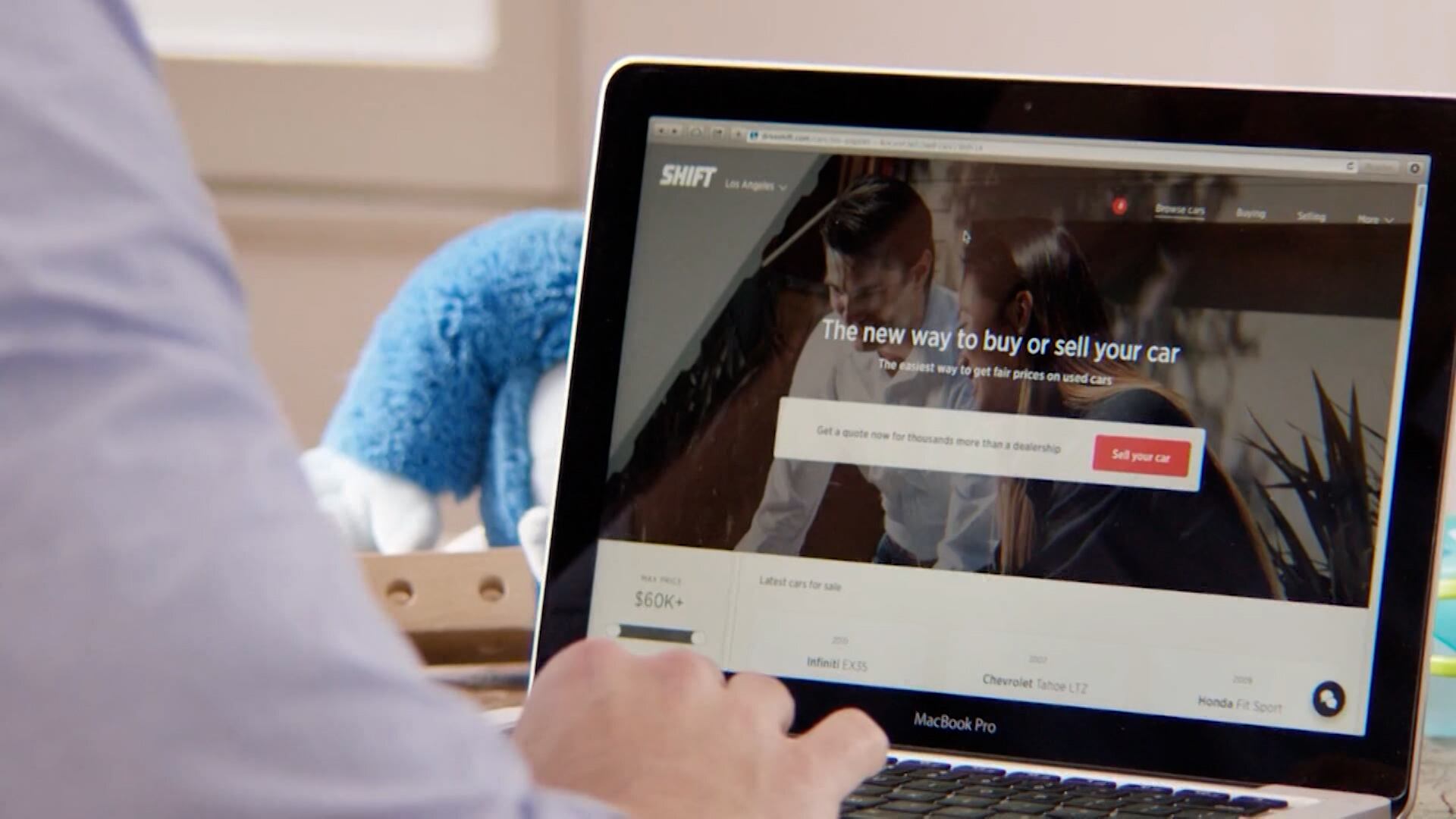
Business is booming for the used car marketplace Shift while the automotive industry as a whole struggles with demand and supply chain issues stemming from the global semiconductor shortage. Co-CEO and co-founder George Arison joined Cheddar's "Closing Bell" to talk about the company's stellar Q3 earnings and how it was able to meet demand.