A worrisome bout of inflation struck the economy in April, with U.S. consumer prices for goods and services surging 0.8%, the largest monthly jump in more than a decade, and the year-over-year increase reaching its fastest rate since 2008.
The acceleration in prices, which has been building for months, has unsettled financial markets and raised concerns that it could weaken the economic recovery from the pandemic recession.
Wednesday's report from the Labor Department showed sharply higher prices for everything from food and clothes to housing. A 10% surge in the prices of used cars and trucks — a record jump — accounted for roughly one-third of last month's increases. Prices for vehicles, both used and new, have been soaring as a result of a computer chip shortage that has slowed auto production and reduced dealer supplies.
Over the past 12 months, consumer prices have jumped 4.2% — the fastest rise since a 4.9% gain in the 12 months that ended in September 2008. Excluding volatile food and energy, core inflation rose 0.9% in April and 3% over the past 12 months.
After years of dormant inflation, with the Federal Reserve struggling to increase it, worries about rising prices have shot to the top of economic concerns. Shortages of goods and parts related to disrupted supply chains have been a key factor.
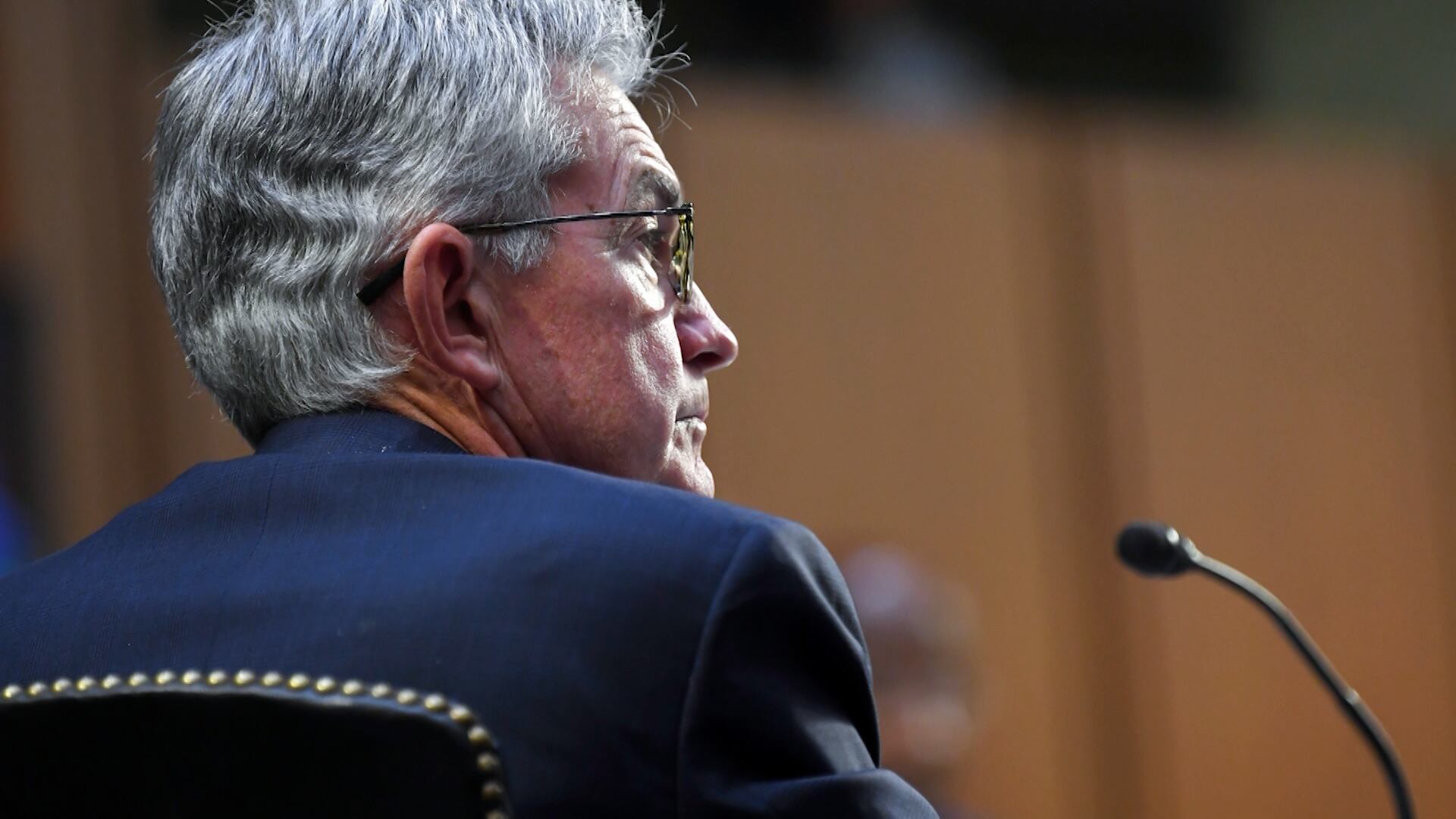
The Fed, led by Chair Jerome Powell, has repeatedly expressed its belief that inflation will prove temporary as supply bottlenecks are unclogged and parts and goods flow normally again. But some economists have expressed concern that as the economic recovery accelerates, fueled by rising demand from consumers spending freely again, so will inflation.
“It looks like inflation pressures are not only building but are likely to be here at least through the rest of the year,” said Joel Naroff, chief economist at Naroff Economic Advisors. “With growth robust, firms have a measure of pricing power tat they haven't had in decades, and they appear to be using it.”
Investors, too, have grown increasingly jittery. On Tuesday, the Dow Jones Industrial Average sank more than 470 points — 1.4% — its worst day since Feb. 26.
Wednesday's inflation report showed that food prices rose 0.4%, the biggest such increase since a 0.5% rise last June. Energy costs, though, edged down 0.1%, with gasoline pump prices falling 1.4%, the biggest drop since May 2020.
Last month, Powell suggested at a news conference that Fed officials expect inflation to move above its 2% annual target over the next few months. The Fed has said it will allow prices to rise slightly above 2% for a period of time to make up for the past decade's shortfalls in inflation.
Powell has said that as long as the increase in inflation doesn't appear to be hurting consumer and business expectations about price increases, the central bank would be willing to let prices rise without acting to raise interest rates. That view has been supported by comments from other Fed officials including Lael Brainard, a board member who warned Tuesday against a premature Fed tightening that could harm the economy.
President Joe Biden named Jerome Powell, initially appointed by President Trump, to keep his seat as the chair of the Federal Reserve on Monday amid the ongoing challenges of the pandemic, inflation, and unemployment. David Beckworth, a former international economist for the Treasury Department and a senior fellow with the Mercatus Center, joined Cheddar to discuss what he sees as the practicality of Biden's decision. "What Powell brings to the table is he's built up political capital with Republicans and Democrats," he said. "It's easy for him to get the job done. I think in one way he was the path of least resistance for the president."
As housing prices continues to rise, Tim Rood, managing director at the real estate finance solutions company SitusAMC, joined Cheddar's "Closing Bell" to talk about what is driving up the costs, attributing it to supply chain constraints and regulatory expenses. Rood stated that the federal government's response to the 2008 financial crisis has added to the growing price tags. "The government came down super hard on banks and independent mortgage companies because of the defaults," he said.
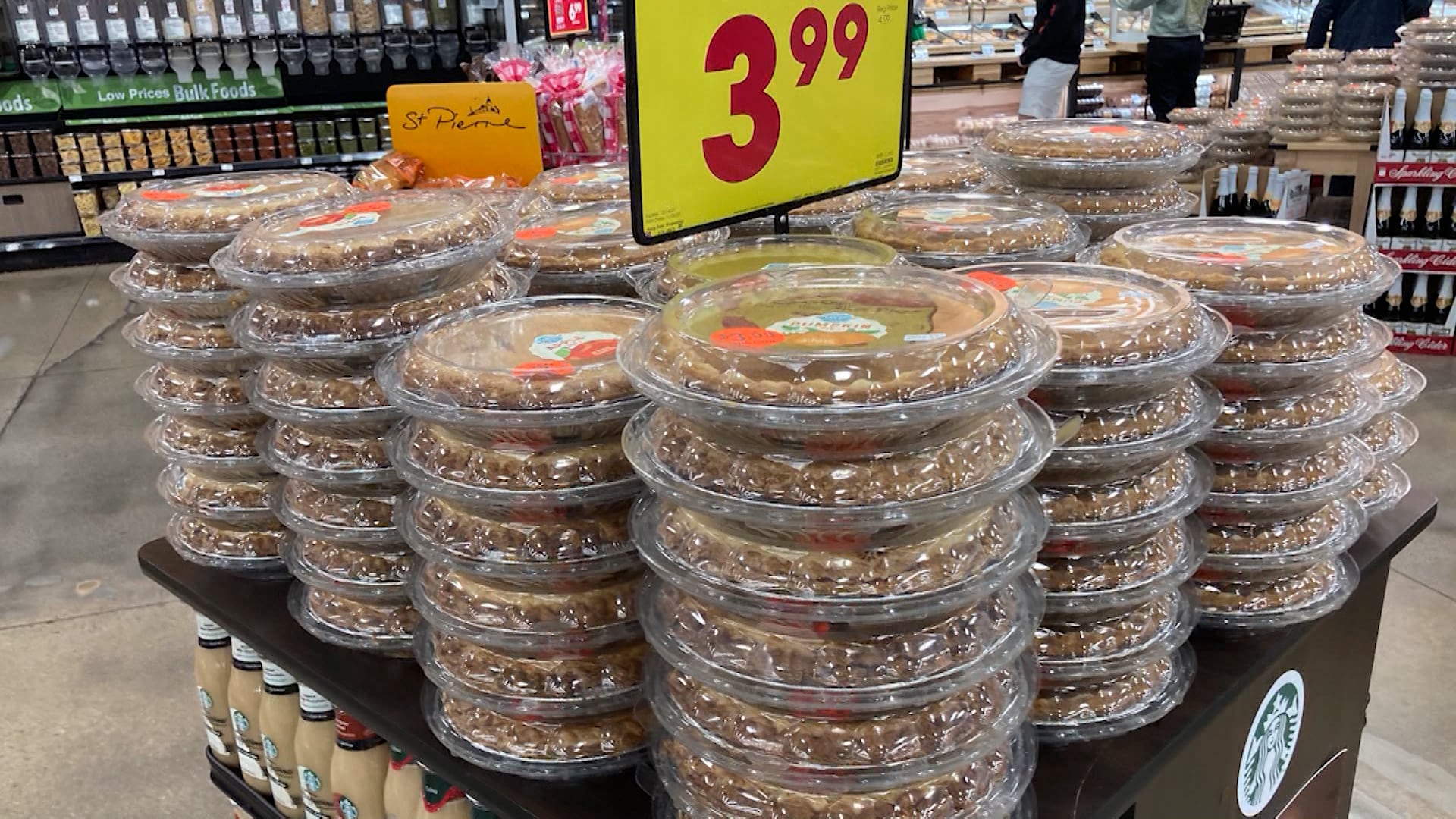
Colleen Kelly, CEO of Concern Worldwide US, joined Cheddar to discuss food insecurity concerns as the cost of this year's Thanksgiving dinner has surged amid record inflation. Kelly also talked about the ongoing issues derailing global supply chains and raising food prices, which undercuts efforts to tackle food insecurity in the United States and around the world. "Everything that hits the U.S. hits countries that are in extreme poverty even harder, and as you can imagine there were three major things affecting this in the last year: climate change, COVID, and conflict," she said.
Papa Johns has a new look for its logo, graphics, and storefronts. CEO Rob Lynch joined Cheddar's "Closing Bell" to talk about the timing of the rebrand following its ongoing success through the pandemic. Patrons entering revamped locations will notice a lack of menu boards thanks to customer smartphone use and glass panels to allow customers to watch pizzas being made by hand. "Everyone has a menu board in their pocket in the form of their phone," Lynch said. "Eighty percent of our business is ordered digitally, whether it's web-based or our fastest-growing channel being app-based."
In a surprise turn of events, Elizabeth Holmes took the stand in her own defense on Friday and is expected to continue her testimony later today. Holmes, who founded a blood testing start-up Theranos back in 2003, faces 11 counts of wire fraud as well as conspiracy to commit wire fraud. Aron Solomon, Chief Legal Analyst, Esquire Digital joined Cheddar's Opening Bell to discuss.
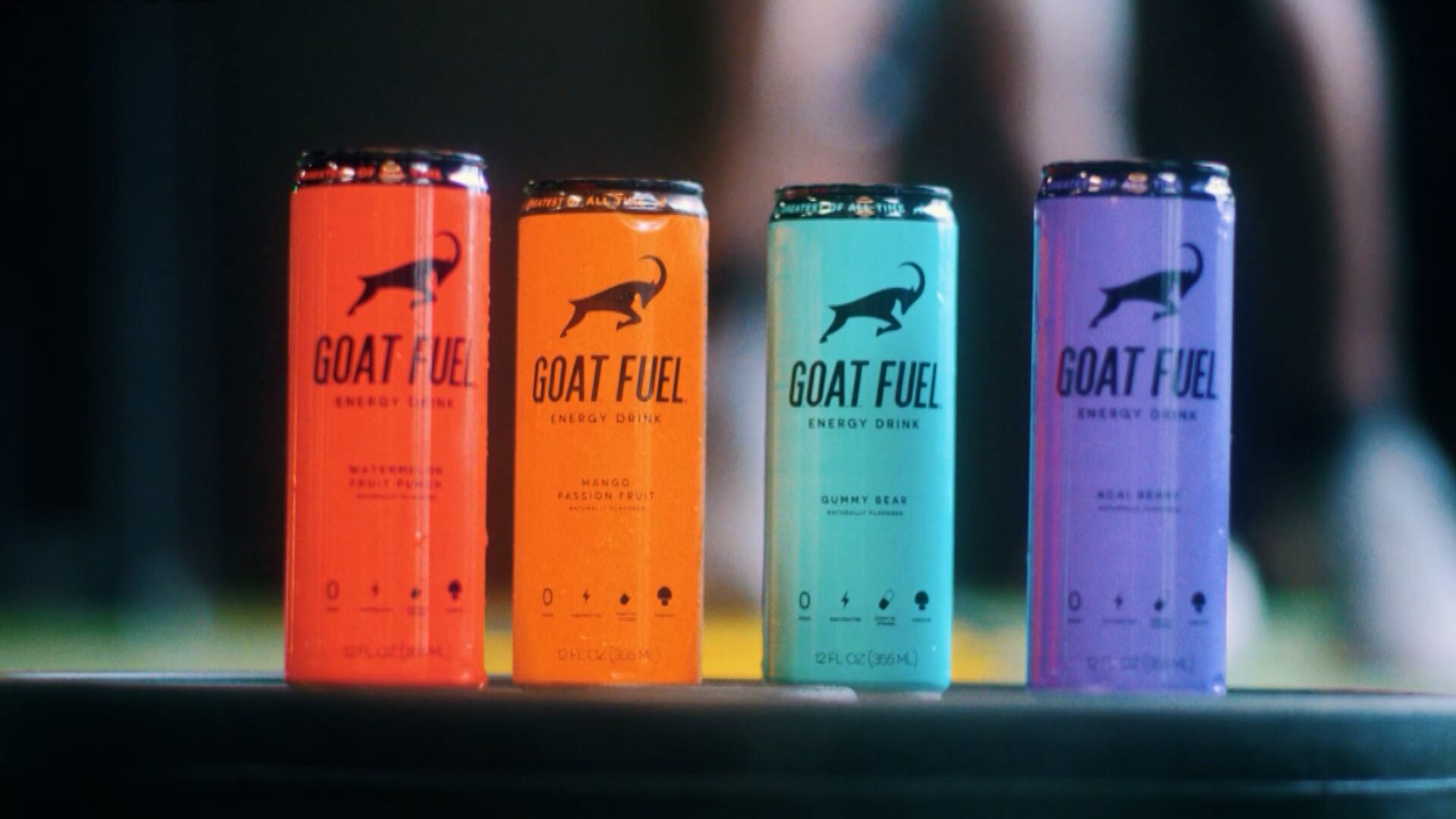
NFL Hall of Famer Jerry Rice and his daughter/business partner Jaqui Rice Gold joined Cheddar's "Between Bells" to talk about their energy drink G.O.A.T. Fuel. The pair talked about launching the brand during the height of the pandemic and what makes it different from competing brands. "The thing that separates us from the other energy drinks is we have cordyceps mushrooms in the drink," he said. "You're not going to have the jitters or anything like that." The duo also discussed the Los Angeles Lakers making it the official energy drink of its organization and what that means for the growth of the brand.
Rapper and singer T-Pain is teaming up with Google this holiday season to encourage shoppers to support Black-owned businesses on Black Friday. Stephanie Horton, the director of marketing for Google Shopping, joined Cheddar to provide some details about T-Pain's new song, featuring Normani, in a new shoppable interactive film for the promotion. She also explained how Google worked with local artists in various states to create shoppable murals, where products seen in the artwork are discoverable online by simply pointing your camera at it.
Caleb Silver, the Editor-in-Chief for Investopedia, joined Wake Up With Cheddar to break down the latest in the Activision Blizzard sexual misconduct scandal. After 1,700 of the embattled video game maker's employees signed a petition demanding CEO Bobby Kotick step down, Kotick reportedly said he would step down if he can't turn the toxic workplace culture around quickly. Silver noted that the allegations go back years with settlements and lawsuits that indicate Kotick would have to be claiming ignorance of his own business or deliberately obfuscating his knowledge of what happened under his watch.
An Apple memo is apparently encouraging its employees to feel comfortable to freely discuss workplace concerns like wages and paid time off following allegations that employees were fired for communicating about issues of pay, workplace safety, and harassment.