A worrisome bout of inflation struck the economy in April, with U.S. consumer prices for goods and services surging 0.8%, the largest monthly jump in more than a decade, and the year-over-year increase reaching its fastest rate since 2008.
The acceleration in prices, which has been building for months, has unsettled financial markets and raised concerns that it could weaken the economic recovery from the pandemic recession.
Wednesday's report from the Labor Department showed sharply higher prices for everything from food and clothes to housing. A 10% surge in the prices of used cars and trucks — a record jump — accounted for roughly one-third of last month's increases. Prices for vehicles, both used and new, have been soaring as a result of a computer chip shortage that has slowed auto production and reduced dealer supplies.
Over the past 12 months, consumer prices have jumped 4.2% — the fastest rise since a 4.9% gain in the 12 months that ended in September 2008. Excluding volatile food and energy, core inflation rose 0.9% in April and 3% over the past 12 months.
After years of dormant inflation, with the Federal Reserve struggling to increase it, worries about rising prices have shot to the top of economic concerns. Shortages of goods and parts related to disrupted supply chains have been a key factor.
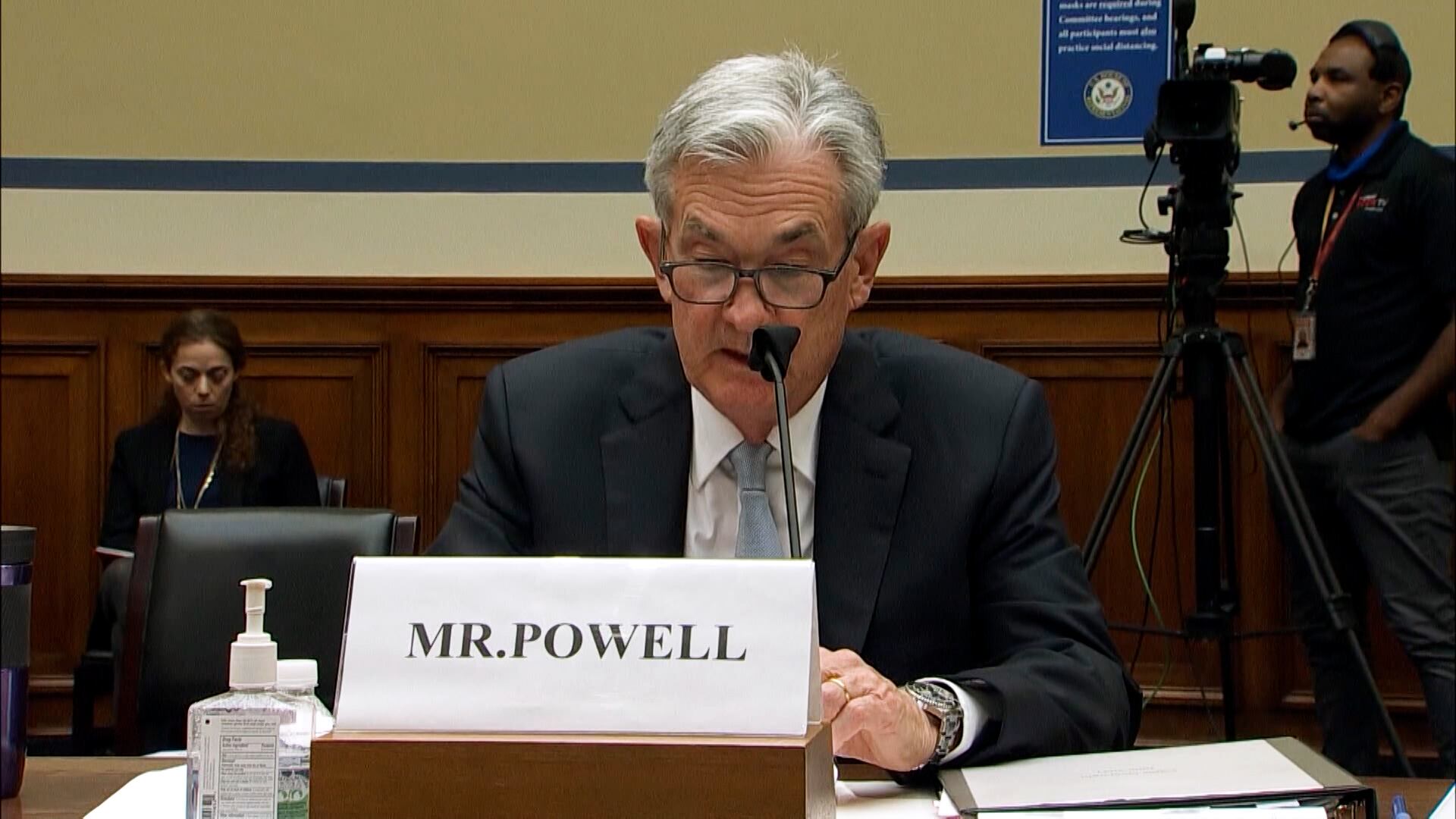
The Fed, led by Chair Jerome Powell, has repeatedly expressed its belief that inflation will prove temporary as supply bottlenecks are unclogged and parts and goods flow normally again. But some economists have expressed concern that as the economic recovery accelerates, fueled by rising demand from consumers spending freely again, so will inflation.
“It looks like inflation pressures are not only building but are likely to be here at least through the rest of the year,” said Joel Naroff, chief economist at Naroff Economic Advisors. “With growth robust, firms have a measure of pricing power tat they haven't had in decades, and they appear to be using it.”
Investors, too, have grown increasingly jittery. On Tuesday, the Dow Jones Industrial Average sank more than 470 points — 1.4% — its worst day since Feb. 26.
Wednesday's inflation report showed that food prices rose 0.4%, the biggest such increase since a 0.5% rise last June. Energy costs, though, edged down 0.1%, with gasoline pump prices falling 1.4%, the biggest drop since May 2020.
Last month, Powell suggested at a news conference that Fed officials expect inflation to move above its 2% annual target over the next few months. The Fed has said it will allow prices to rise slightly above 2% for a period of time to make up for the past decade's shortfalls in inflation.
Powell has said that as long as the increase in inflation doesn't appear to be hurting consumer and business expectations about price increases, the central bank would be willing to let prices rise without acting to raise interest rates. That view has been supported by comments from other Fed officials including Lael Brainard, a board member who warned Tuesday against a premature Fed tightening that could harm the economy.
No matter what you're in the market for this holiday season, there is one way that you can put some cash back in your pocket and stretch your gift budget a little bit further this year. With Lolli, for every gift you buy for someone else, you get the gift of free bitcoin back. CEO of Lolli, Alex Adelman, joins Cheddar News.
Just about a week after being re-nominated, Federal Reserve Chair Jermone Powell is changing his tune. After nearly a year of referring to inflation as 'transitory,' Powell said he will retire the 'T' word as inflation remains elevated. Christopher Russo, Post-Graduate Research Fellow, Mercatus Center joined Cheddar's Opening Bell to discuss.
With the delta variant, financial uncertainty, political polarization and more, companies have had to get creative in order to stay afloat this year. During times of stress and anxiety, consumers tend to stick with more established brands or products they already use. That sentiment is reflected in data intelligence company Morning Consult's annual list of the Fastest Growing Brands, which measures growth for both emerging and established companies. Joanna Piacenza, head of industry intelligence at Morning Consult, joined Cheddar to break down the key findings of the report.
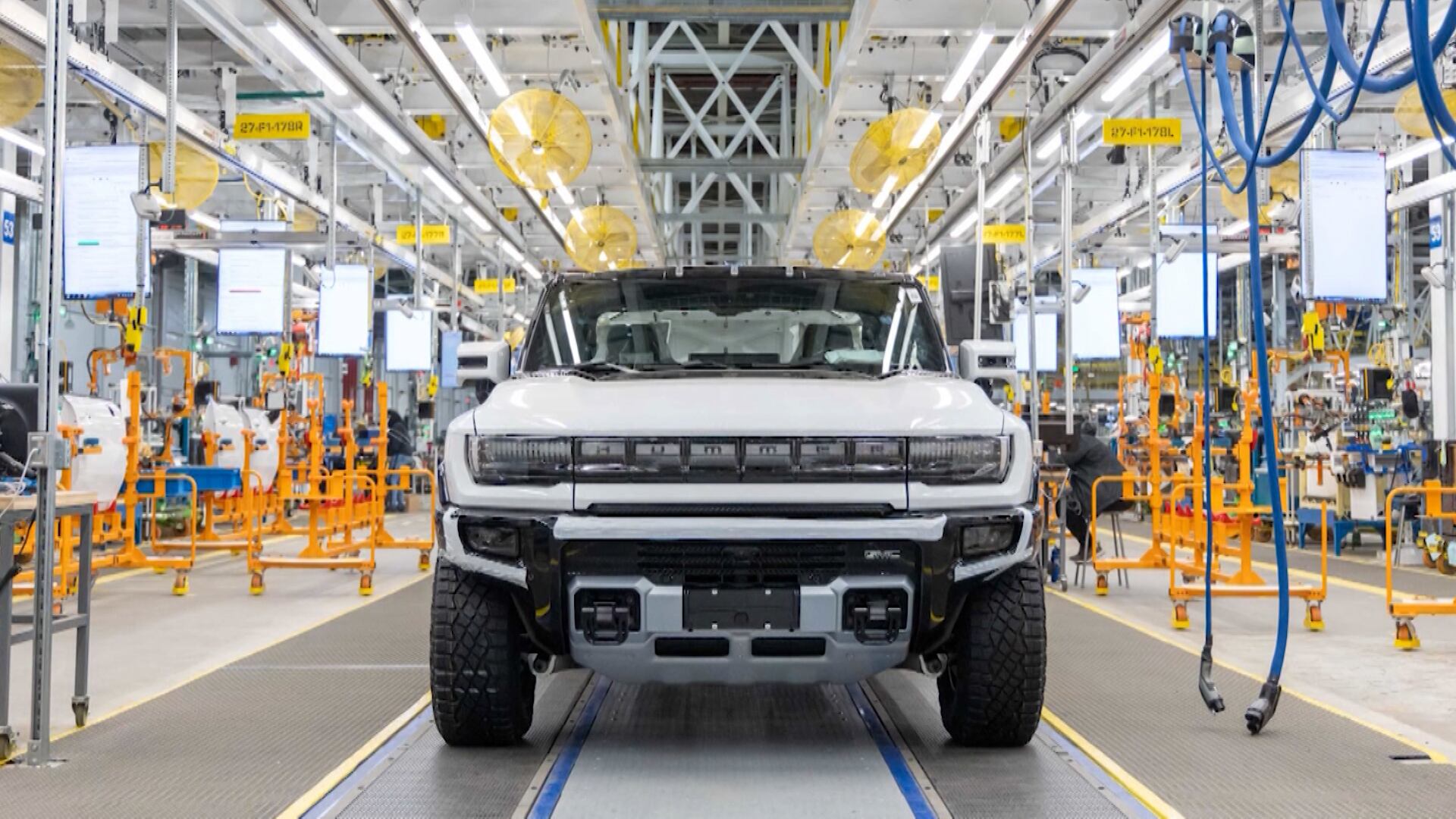
Iwao Fusillo, Chief Data & Analytics Officer, GM, joins Cheddar News to dispel myths and cut straight to the facts about GM's role in an all-electric future.
Goldman Sachs is rolling out an Amazon Web Service for trading firms called GS Financial Cloud for Data with Amazon Web Services. The move comes as Wall Street looks to keep up with today's evolving tech.
Online ad-tech company Innovid made its public debut on the New York Stock Exchange. CEO and co-founders Zvika Netter joined Cheddar's "Opening Bell" to discuss factors that drove the company to launch an IPO via a SPAC deal. He noted that the rapid growth of connected TV advertising (CTV) made it an opportune time for his business to go public. While the company is profitable, Netter also explained the various avenues it will take to increase total revenue.
Lululemon is accusing Peloton of copying a number of patented apparel designs and has filed a lawsuit. Julie Zerbo, founder and Editor-In-Chief at The Fashion Law, joined Cheddar to discuss whether or not Lululemon has a valid case. The lawsuit comes as sales for Peloton's premiere products, like its treadmills, have been slowing and it looks to provide more offerings. Zerbo also discussed a co-branding partnership between the two companies that ended amicably earlier this year and how it could play into the outcome of the case.
Airbnb has come under fire after an Axios report found that the rental company has properties available in China's Xinjiang region where the nation has been accused of committing genocide against Uyghur Muslims, demolishing their homes, and replacing them with tourist attractions.
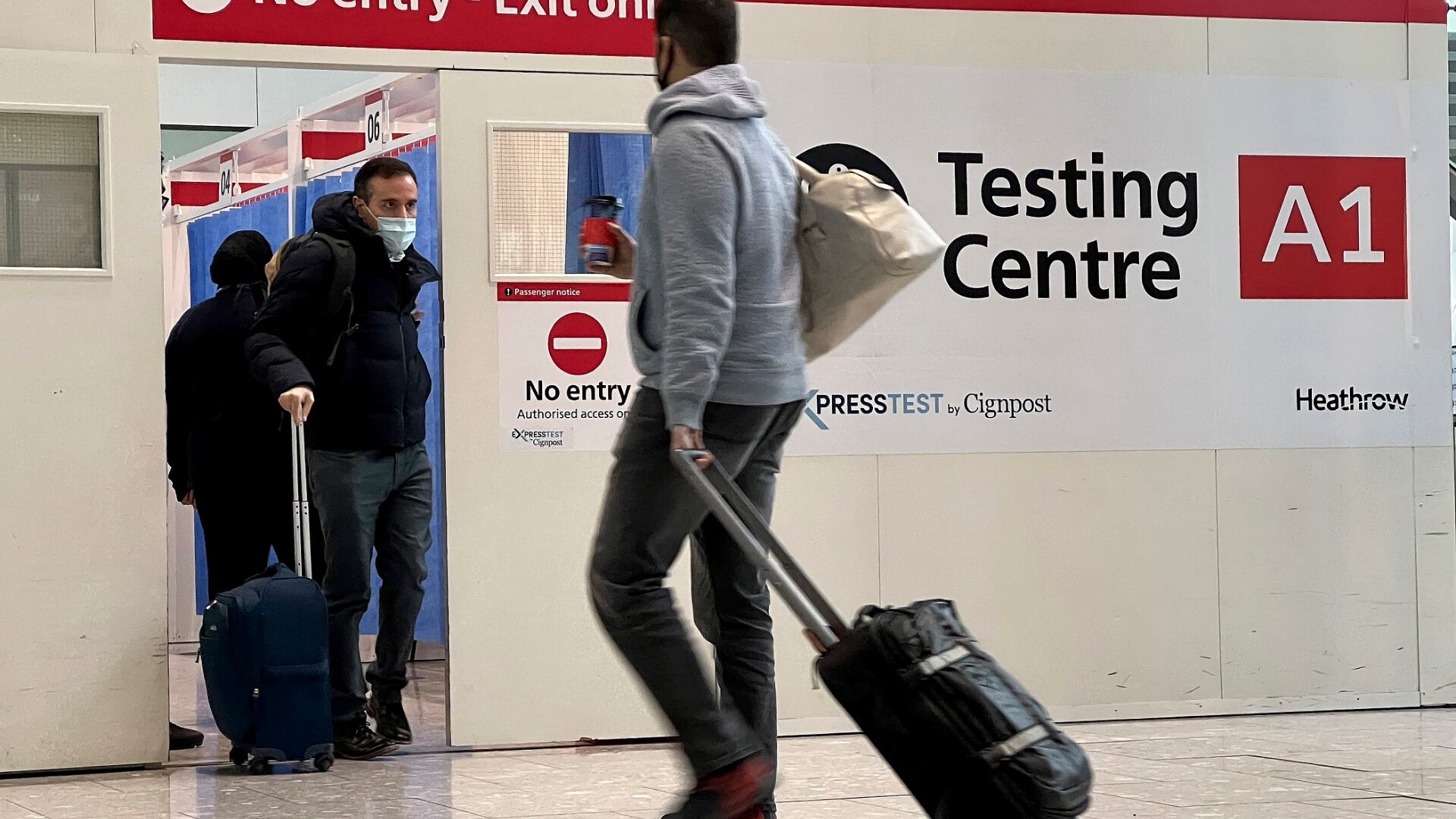
With the emergence of the omicron variant, the U.S. is considering tightening international travel guidelines. The CDC said it might reduce the window for foreign travelers to submit a negative COVID-19 test from three days prior to one day before allowing entry.