A worrisome bout of inflation struck the economy in April, with U.S. consumer prices for goods and services surging 0.8%, the largest monthly jump in more than a decade, and the year-over-year increase reaching its fastest rate since 2008.
The acceleration in prices, which has been building for months, has unsettled financial markets and raised concerns that it could weaken the economic recovery from the pandemic recession.
Wednesday's report from the Labor Department showed sharply higher prices for everything from food and clothes to housing. A 10% surge in the prices of used cars and trucks — a record jump — accounted for roughly one-third of last month's increases. Prices for vehicles, both used and new, have been soaring as a result of a computer chip shortage that has slowed auto production and reduced dealer supplies.
Over the past 12 months, consumer prices have jumped 4.2% — the fastest rise since a 4.9% gain in the 12 months that ended in September 2008. Excluding volatile food and energy, core inflation rose 0.9% in April and 3% over the past 12 months.
After years of dormant inflation, with the Federal Reserve struggling to increase it, worries about rising prices have shot to the top of economic concerns. Shortages of goods and parts related to disrupted supply chains have been a key factor.
The Fed, led by Chair Jerome Powell, has repeatedly expressed its belief that inflation will prove temporary as supply bottlenecks are unclogged and parts and goods flow normally again. But some economists have expressed concern that as the economic recovery accelerates, fueled by rising demand from consumers spending freely again, so will inflation.
“It looks like inflation pressures are not only building but are likely to be here at least through the rest of the year,” said Joel Naroff, chief economist at Naroff Economic Advisors. “With growth robust, firms have a measure of pricing power tat they haven't had in decades, and they appear to be using it.”
Investors, too, have grown increasingly jittery. On Tuesday, the Dow Jones Industrial Average sank more than 470 points — 1.4% — its worst day since Feb. 26.
Wednesday's inflation report showed that food prices rose 0.4%, the biggest such increase since a 0.5% rise last June. Energy costs, though, edged down 0.1%, with gasoline pump prices falling 1.4%, the biggest drop since May 2020.
Last month, Powell suggested at a news conference that Fed officials expect inflation to move above its 2% annual target over the next few months. The Fed has said it will allow prices to rise slightly above 2% for a period of time to make up for the past decade's shortfalls in inflation.
Powell has said that as long as the increase in inflation doesn't appear to be hurting consumer and business expectations about price increases, the central bank would be willing to let prices rise without acting to raise interest rates. That view has been supported by comments from other Fed officials including Lael Brainard, a board member who warned Tuesday against a premature Fed tightening that could harm the economy.
Stocks closed lower Friday after a volatile week that saw investor skittishness over the COVID-19 omicron variant. Investors were also eyeing the mixed November jobs report, which showed a lower than expected number of 210,000 jobs added, but unemployment falling to 4.2%. Aadil Zaman, Partner at Wall Street Alliance Group, joins Cheddar News' Closing Bell to discuss today's close, the mixed jobs report, what impact the omicron variant could have on markets, and more.
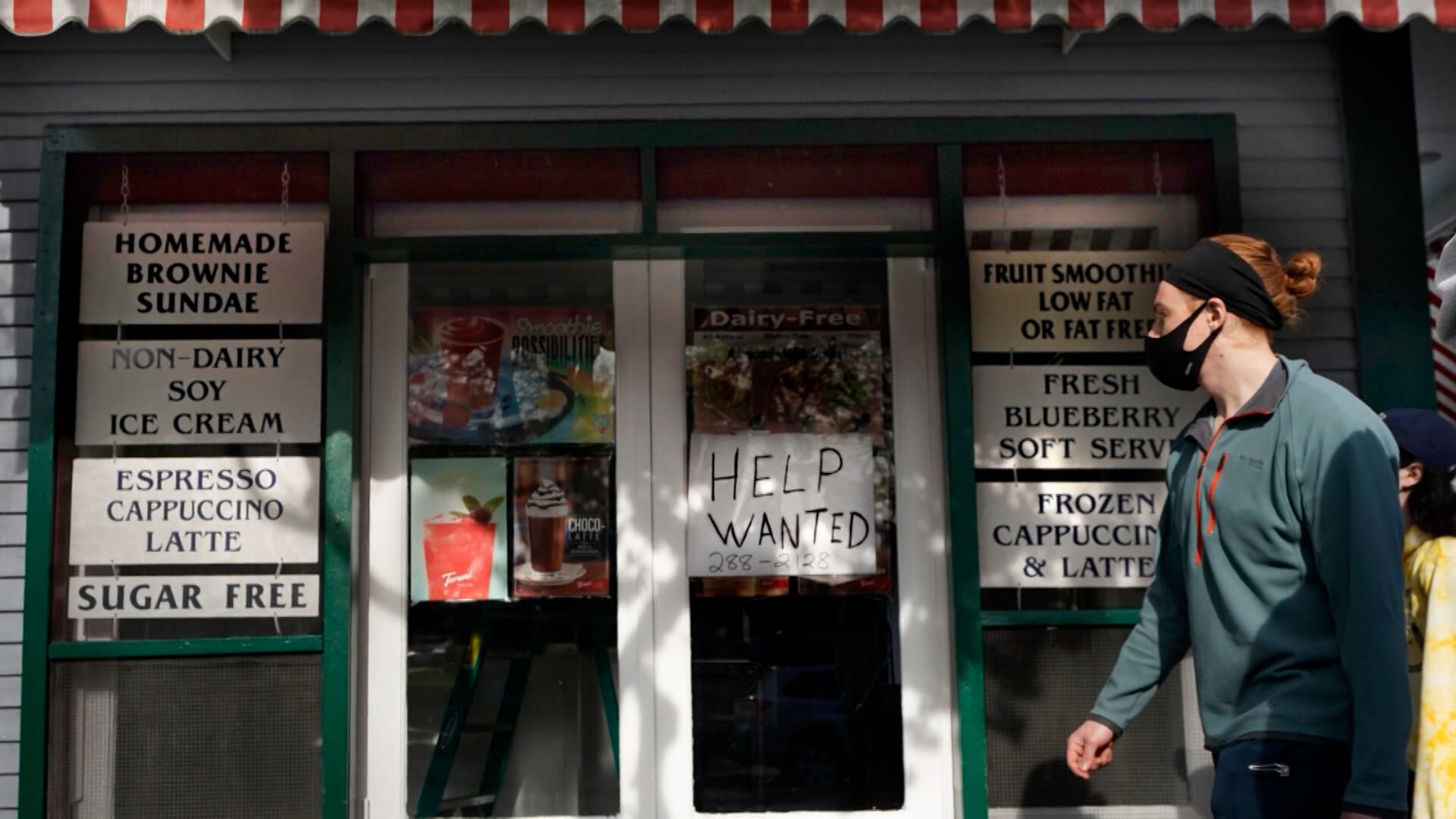
Many restaurants across the country have lately turned off delivery and online orders during peak hours, as eateries are still struggling with labor shortages and as many are also seeing more customers return for in-person dining. Wall Street Journal reporter Heather Haddon joins Cheddar News' Closing Bell to discuss.
November's jobs report is tricky: nonfarm payrolls only increased by 210,000, following an October gain of 546,000. At the same time, the unemployment rate fell to 4.2% - and the labor force participation rate rose 61.8% to its highest level since March 2020. Also of note: the retail sector saw a decline of 20,000 jobs despite what was once a traditional late fall push to hire before the holiday sales rush. What's going on in the labor market, and can we expect more volatile numbers as the omicron variant spreads during the winter months? Adam Ozimek, Chief economist at Upwork, joins Cheddar News' Closing Bell to discuss the mixed jobs report, sector winners and losers, retail's flip-flop, and more.
Chinese regulators are reportedly behind China-based ride-hailing company DiDi exiting from the New York Stock Exchange, just days after listing earlier this year. The regulators stated prior that DiDi had not received the necessary clearances to list in the states. Gordon Chang, Asian affairs expert, joined Cheddar to break down what the delisting says about the relationship between nations. "This really strikes me as an attempt to really to force a decoupling of China and the U.S. in the financial markets," Chang said.
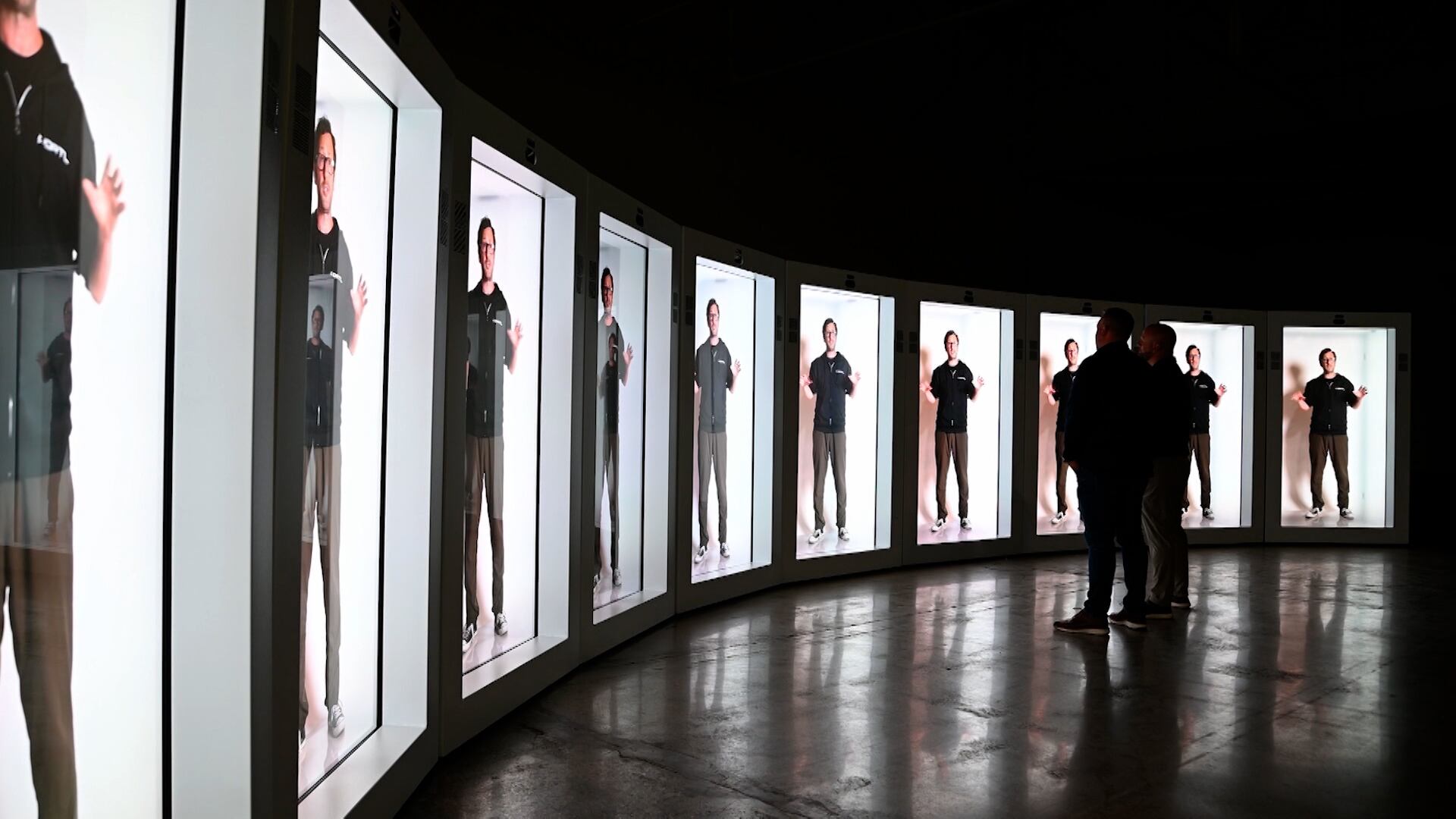
Hologram communication platform maker PORTL is looking to take communication to the next level. Founder and CEO David Nussbaum joined Cheddar to talk about the company's recent $12 million Series A funding round that will be used to bring the concept of holoportation to market. Nussbaum noted his hologram technology is just not comparable to augmented reality or virtual metaverses because the image projection is happening in real-time and in actual reality. "Well, unlike VR or AR, we're 'R.' We're real. You don't need a headset. You don't need wearables. You don't need to download anything. It's incredible," he said.
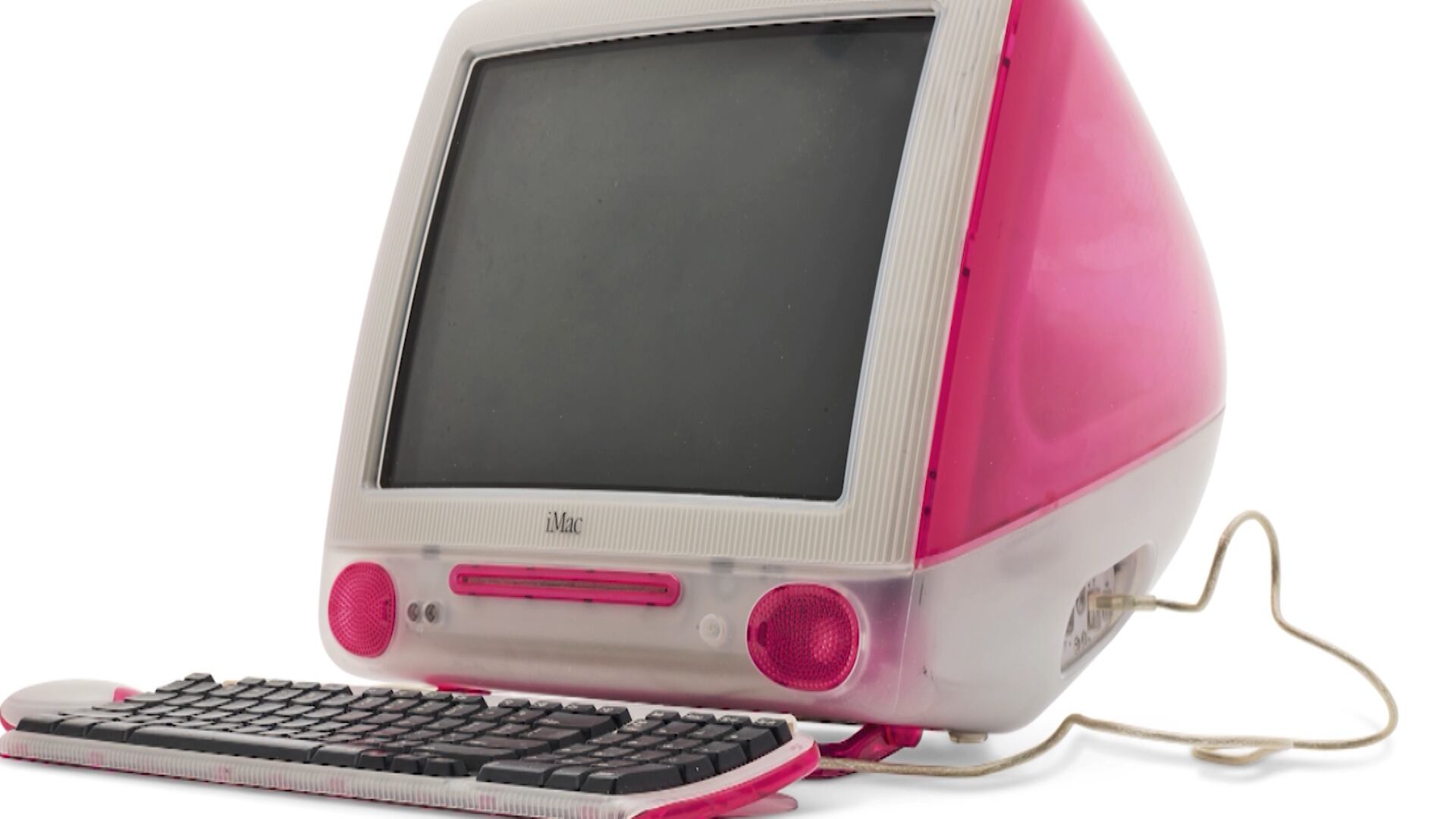
Wikipedia founder Jimmy Wales stopped by Cheddar's "Between Bells" to talk about his Birth of Wikipedia auction at Christie's putting two items linked to the origins of Wikipedia up for sale. On the auction block are his original strawberry iMac that was used to create the long-running online encyclopedia and what Wales described as an interactive NFT of his first Wikipedia edit rather than a static image. "Once it's been sold, the owner can turn it on, and anyone can edit the page and it will be reflected in the NFT," he said.
On this episode of Your Future Home, Carmine Satabella, Interior Designer & Television Host, joins to break down how to get the most out of your winter decor this year and basic kitchen fundamentals that go a long way; Max Child, CEO and co-founder of Volley, discusses the rise of voice games and how tech is continuing to change smart homes; Cheddar breaks down everything you need to know about how to start flipping homes.
China-based DiDi is delisting from the New York Stock Exchange after Chinese officials reportedly asked the ride-hailing company to do so. It will instead list on the Stock Exchange of Hong Kong.