A worrisome bout of inflation struck the economy in April, with U.S. consumer prices for goods and services surging 0.8%, the largest monthly jump in more than a decade, and the year-over-year increase reaching its fastest rate since 2008.
The acceleration in prices, which has been building for months, has unsettled financial markets and raised concerns that it could weaken the economic recovery from the pandemic recession.
Wednesday's report from the Labor Department showed sharply higher prices for everything from food and clothes to housing. A 10% surge in the prices of used cars and trucks — a record jump — accounted for roughly one-third of last month's increases. Prices for vehicles, both used and new, have been soaring as a result of a computer chip shortage that has slowed auto production and reduced dealer supplies.
Over the past 12 months, consumer prices have jumped 4.2% — the fastest rise since a 4.9% gain in the 12 months that ended in September 2008. Excluding volatile food and energy, core inflation rose 0.9% in April and 3% over the past 12 months.
After years of dormant inflation, with the Federal Reserve struggling to increase it, worries about rising prices have shot to the top of economic concerns. Shortages of goods and parts related to disrupted supply chains have been a key factor.
The Fed, led by Chair Jerome Powell, has repeatedly expressed its belief that inflation will prove temporary as supply bottlenecks are unclogged and parts and goods flow normally again. But some economists have expressed concern that as the economic recovery accelerates, fueled by rising demand from consumers spending freely again, so will inflation.
“It looks like inflation pressures are not only building but are likely to be here at least through the rest of the year,” said Joel Naroff, chief economist at Naroff Economic Advisors. “With growth robust, firms have a measure of pricing power tat they haven't had in decades, and they appear to be using it.”
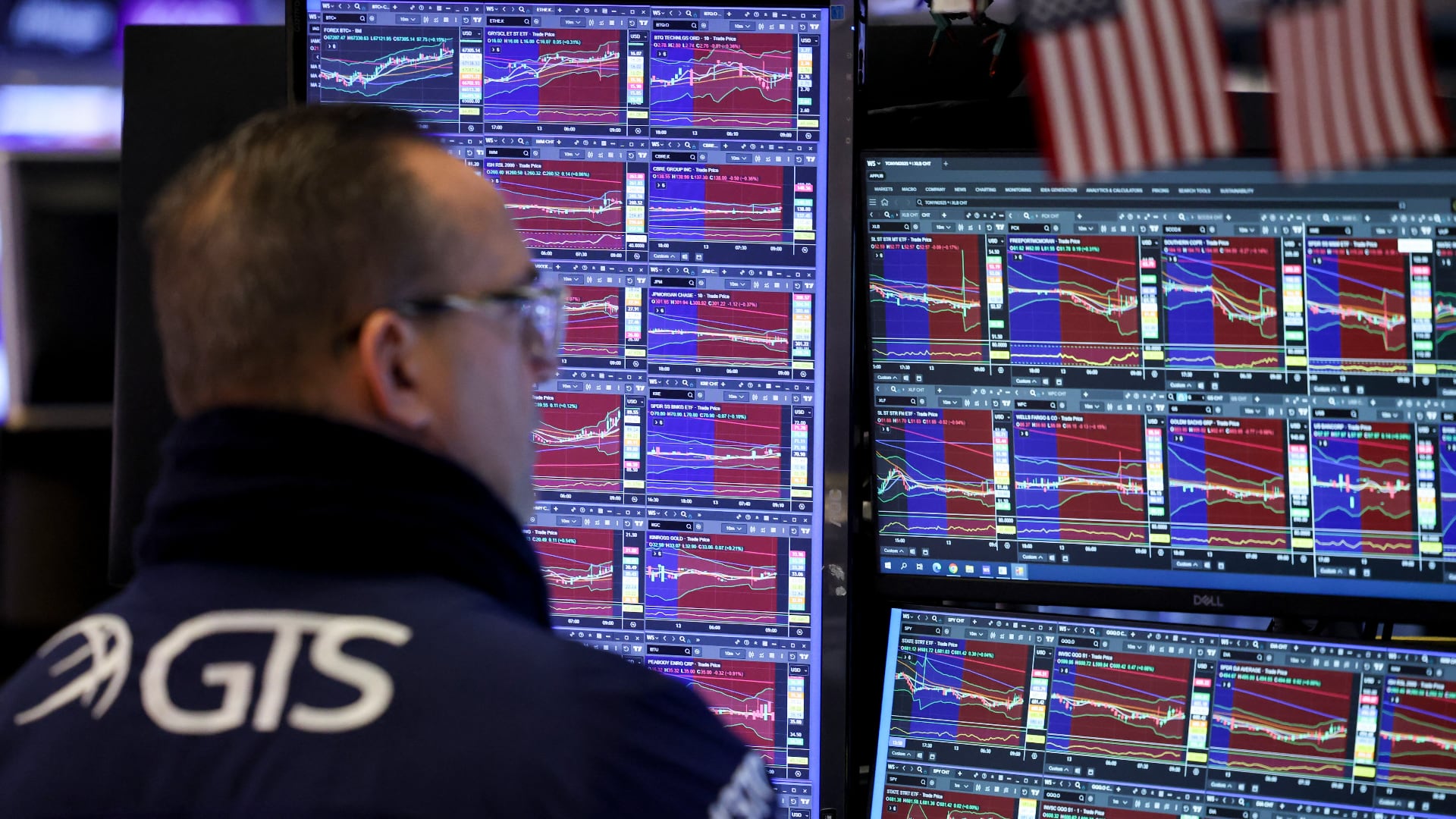
Investors, too, have grown increasingly jittery. On Tuesday, the Dow Jones Industrial Average sank more than 470 points — 1.4% — its worst day since Feb. 26.
Wednesday's inflation report showed that food prices rose 0.4%, the biggest such increase since a 0.5% rise last June. Energy costs, though, edged down 0.1%, with gasoline pump prices falling 1.4%, the biggest drop since May 2020.
Last month, Powell suggested at a news conference that Fed officials expect inflation to move above its 2% annual target over the next few months. The Fed has said it will allow prices to rise slightly above 2% for a period of time to make up for the past decade's shortfalls in inflation.
Powell has said that as long as the increase in inflation doesn't appear to be hurting consumer and business expectations about price increases, the central bank would be willing to let prices rise without acting to raise interest rates. That view has been supported by comments from other Fed officials including Lael Brainard, a board member who warned Tuesday against a premature Fed tightening that could harm the economy.
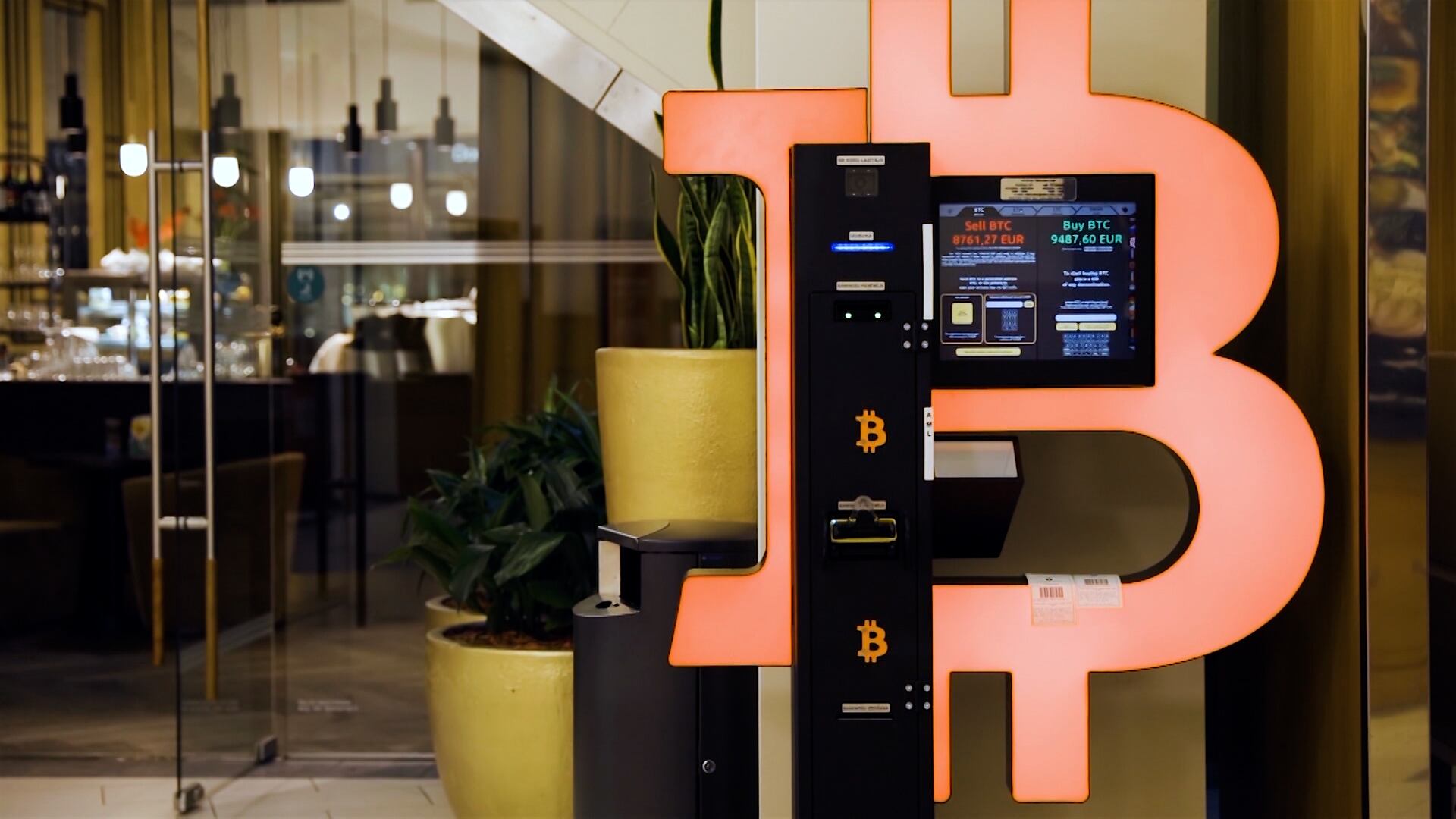
Caitlin Cook, Head of Community at Onramp Invest and VP of Operations at Onramp Academy, joins Cheddar News' Closing Bell, where she breaks down the multiple factors that contributed to the major sell-off of Bitcoin, Ether, and other cryptocurrencies late Friday night.
A lockout is now in place for Major League Baseball. The collective bargaining agreement between the league and players association expired at 11:59 p.m. Wednesday night.
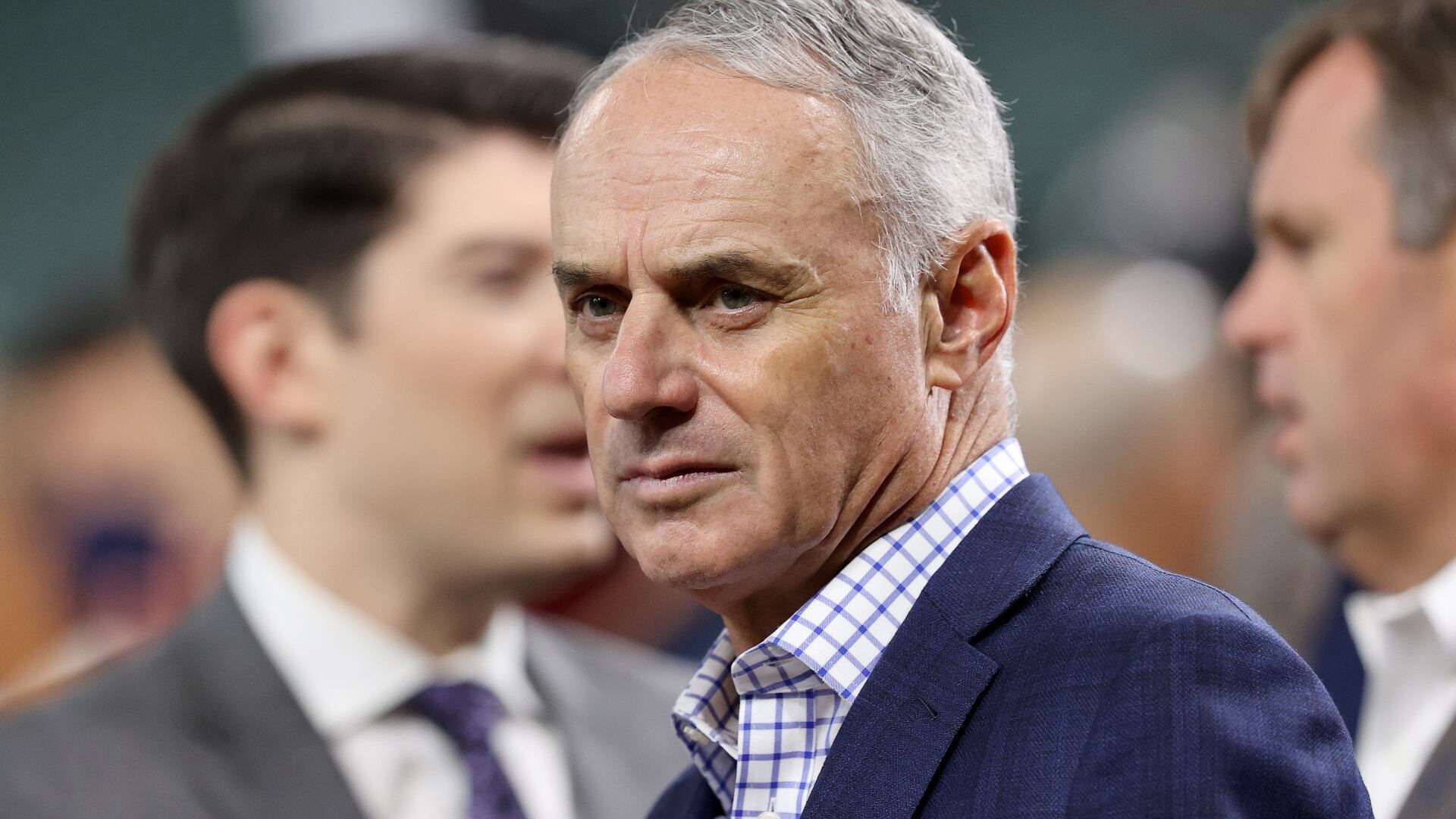
MLB commissioner Rob Manfred said both sides were unable to negotiate a new contract by that time, so the league locked out the players on Thursday at 12:01 a.m. The lockout also means trades and free agency deals have to stop for now. Dodgers Nation lead editor Clint Pasillas joined Cheddar News' Closing Bell to discuss.
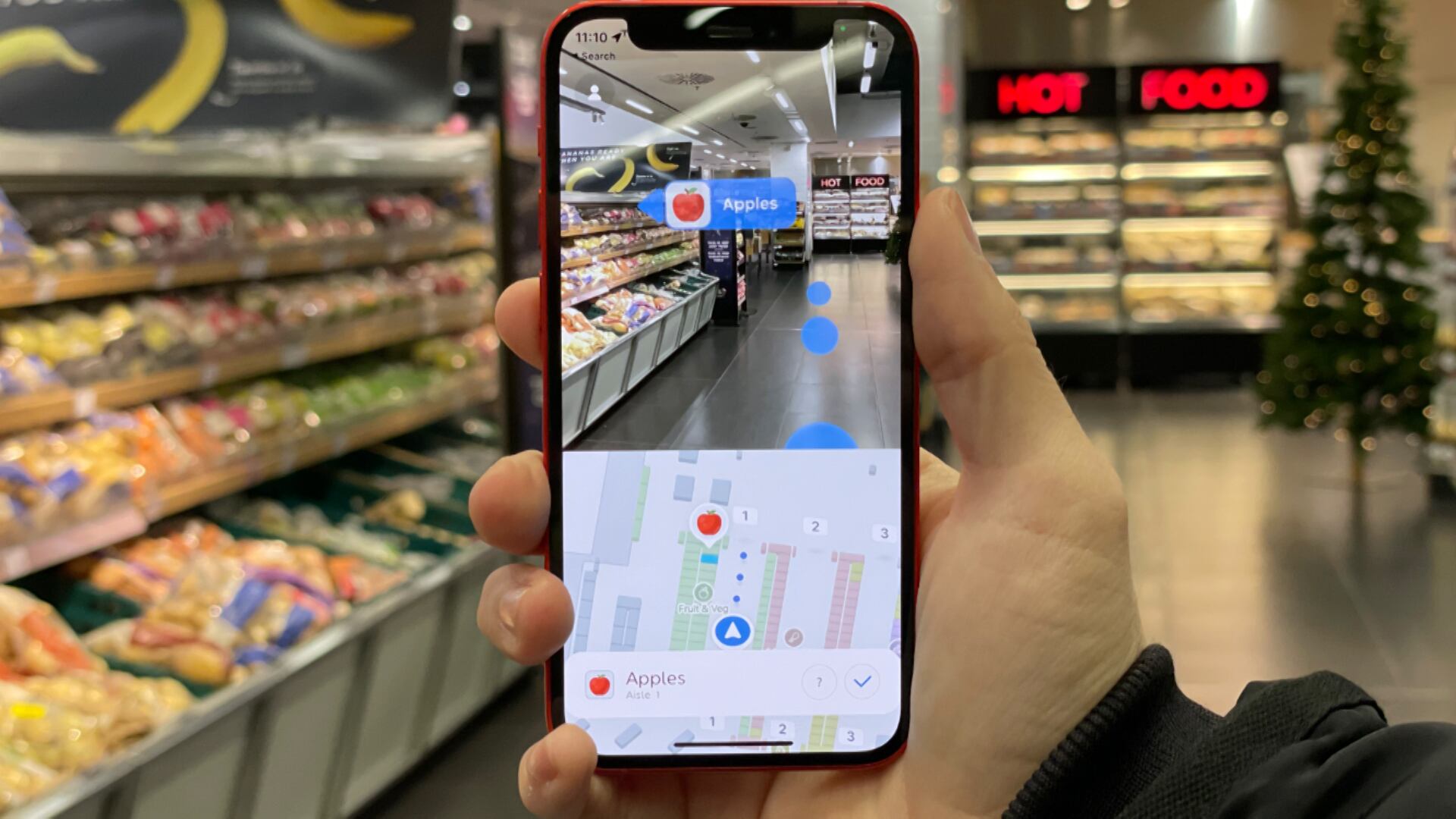
The UK-based augmented reality startup, Dent Reality, raised the equivalent of $3.4 million USD in its most recent funding round. Dent Reality has created an AR app for smartphones that helps shoppers navigate retail locations by providing a layout of a store's aisles, while showing where to find specific items. The company works mainly with grocery stores but aims to integrate its tech with all types of physical spaces. Dent Reality CEO Andrew Hart joins Cheddar News' Closing Bell to discuss.
As the electric vehicle sector continues to heat up, one company could be poised to knock Tesla from its top spot. Many analysts have issued buy ratings and raised their price targets for EV-maker Rivian, and say that the company's push into under-developed areas like electric SUVs, pickups, and delivery trucks could give it the right competitive edge to push Tesla from the number one spot. Dan Ives, Managing Director of Equity Research at Wedbush Securities, joins Cheddar News' Closing Bell to discuss Rivian's potential market domination, why their business plan sets them up for success, and more.
Cheddar's Chloe Aiello joined "Closing Bell" to break down the progress of the SAFE Banking Act in Congress as cannabis businesses operators struggle to find financial institutions that will service them. Banks face steep federal penalties, including the risk of losing a bank charter, if found to be servicing marijuana businesses even if their state has legalized operations. Aiello reported that while there was some bipartisan support for the measure in the Senate, the bill faces some opposition from conservatives with "longstanding concerns" about cannabis and progressives who prefer a more comprehensive approach to reform.
Not everything is as it seems in the supermarket. From name brands under different labels, to confusing store layouts, supermarkets employ a variety of tactics to keep you spending. Including selling products with surprising ingredients. This episode of Who Knew? unveils the secrets of our supermarkets.
The world is amidst a skyscraper boom. In 2018, 146 buildings over 650 feet were constructed. That’s more than the total amount of skyscrapers constructed between 1979 and 1999. And all this construction is transforming our cities.
Amazon and online shopping have forever changed how we shop. While I love that I can order almost anything I need with the click of the mouse, this transition from in- person retail is shuttering MUCH of the brick and mortar landscape. But in what’s been deemed the “retail apocalypse” some brick and mortar stores are actually thriving.
From talking animals, to celebrity endorsements, to commercials that pull at your heart strings, agencies are always looking for new ways to connect with you. So it’s no surprise that trends come and go. But what might surprise you is how quickly trends change. In fact, most changes can be pinpointed to a single moment.
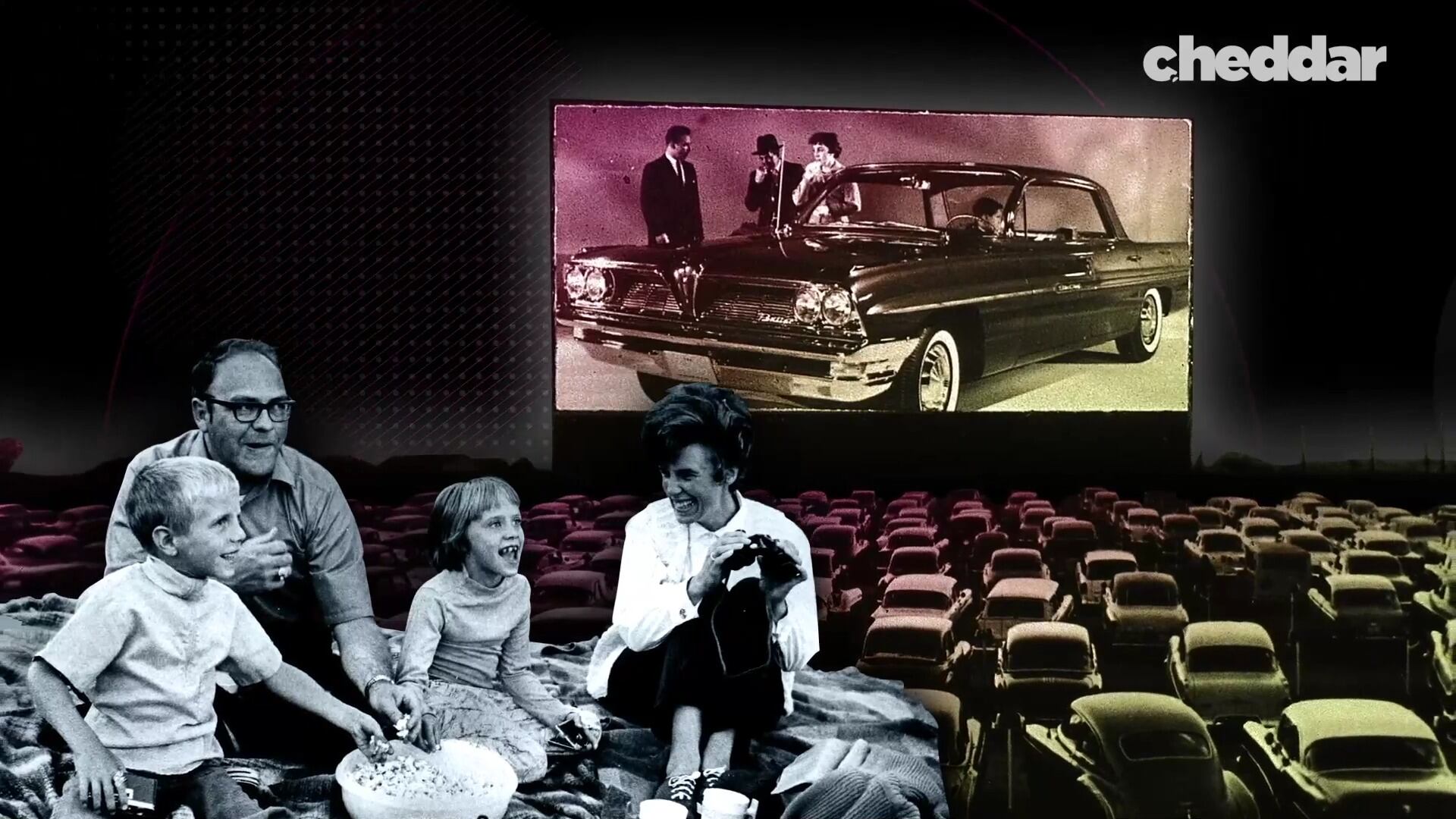
Over the decades American pastimes have come and gone. From the soda fountain, to carhop diners, to roller rinks. These former staples of American life have slowly faded into the void. And today, it looks like the time has come for a few other beloved businesses.