A worrisome bout of inflation struck the economy in April, with U.S. consumer prices for goods and services surging 0.8%, the largest monthly jump in more than a decade, and the year-over-year increase reaching its fastest rate since 2008.
The acceleration in prices, which has been building for months, has unsettled financial markets and raised concerns that it could weaken the economic recovery from the pandemic recession.
Wednesday's report from the Labor Department showed sharply higher prices for everything from food and clothes to housing. A 10% surge in the prices of used cars and trucks — a record jump — accounted for roughly one-third of last month's increases. Prices for vehicles, both used and new, have been soaring as a result of a computer chip shortage that has slowed auto production and reduced dealer supplies.
Over the past 12 months, consumer prices have jumped 4.2% — the fastest rise since a 4.9% gain in the 12 months that ended in September 2008. Excluding volatile food and energy, core inflation rose 0.9% in April and 3% over the past 12 months.
After years of dormant inflation, with the Federal Reserve struggling to increase it, worries about rising prices have shot to the top of economic concerns. Shortages of goods and parts related to disrupted supply chains have been a key factor.
The Fed, led by Chair Jerome Powell, has repeatedly expressed its belief that inflation will prove temporary as supply bottlenecks are unclogged and parts and goods flow normally again. But some economists have expressed concern that as the economic recovery accelerates, fueled by rising demand from consumers spending freely again, so will inflation.
“It looks like inflation pressures are not only building but are likely to be here at least through the rest of the year,” said Joel Naroff, chief economist at Naroff Economic Advisors. “With growth robust, firms have a measure of pricing power tat they haven't had in decades, and they appear to be using it.”
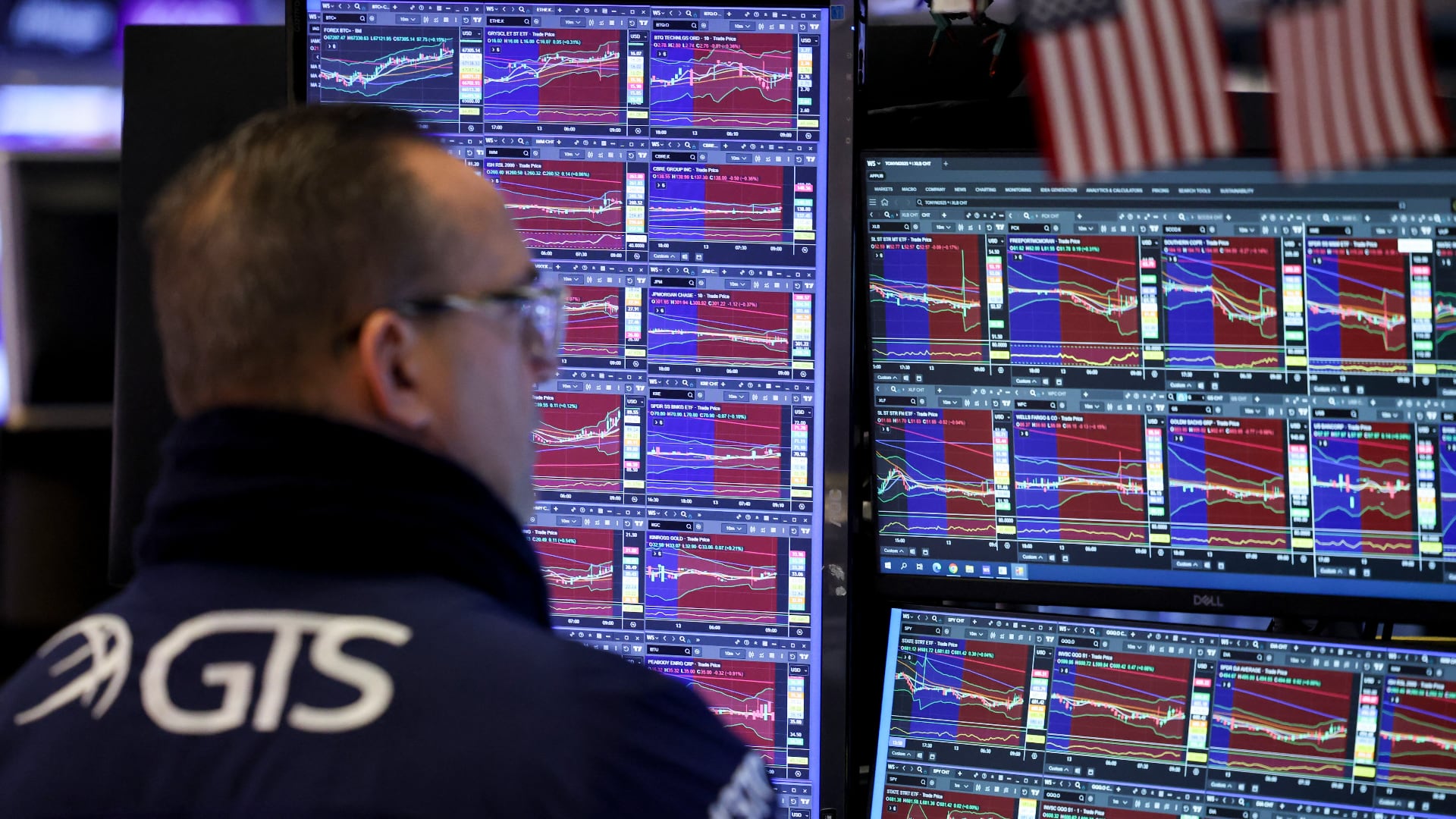
Investors, too, have grown increasingly jittery. On Tuesday, the Dow Jones Industrial Average sank more than 470 points — 1.4% — its worst day since Feb. 26.
Wednesday's inflation report showed that food prices rose 0.4%, the biggest such increase since a 0.5% rise last June. Energy costs, though, edged down 0.1%, with gasoline pump prices falling 1.4%, the biggest drop since May 2020.
Last month, Powell suggested at a news conference that Fed officials expect inflation to move above its 2% annual target over the next few months. The Fed has said it will allow prices to rise slightly above 2% for a period of time to make up for the past decade's shortfalls in inflation.
Powell has said that as long as the increase in inflation doesn't appear to be hurting consumer and business expectations about price increases, the central bank would be willing to let prices rise without acting to raise interest rates. That view has been supported by comments from other Fed officials including Lael Brainard, a board member who warned Tuesday against a premature Fed tightening that could harm the economy.
Bitcoin had a tough last few days. In just a 24-hour period spanning early Friday morning to early Saturday morning, bitcoin's price went from about $57,000 to $47,000. Patrick McCconlogue, CEO of Overline, joins Cheddar News discuss bitcoin's plunge.
The leading gaming organization and lifestyle brand 100 Thieves just raised $60 million in new funding closing its Series C. This new round of funding has raised the valuation of the organization to about $460 million. John Robinson, president and COO of 100 Thieves, joins Cheddar News to talk about what's next for the company.
The Quorum and Cultique released a new study where moviegoers weighed in on their attitudes on going to the theater right now. Linda Ong, founder of Cultique, and David Herrin, founder and CEO of The Quorum, join Cheddar News to discuss what moviegoers need in order to head back to theaters.
The nation's largest vacation rental management company, Vacasa, made its public debut on the Nasdaq via a SPAC merger with TPG Pace Solutions. CEO Matt Roberts joined Cheddar to talk about the company's better-than-expected success and the plans to leverage its IPO to expand the business and refine Vacasa's tech. He noted that with five million second homes across the country, the company has much more room to grow as it currently has just 35,000 rental properties in 400 locations available. Roberts also said that there has been no impact on bookings due to the omicron variant of COVID-19.
Marvel's "Shang-Chi and the Legend of the Ten Rings" is gearing up for a sequel following its earlier this year topping the domestic box office to date. Destin Daniel Cretton will return to write and direct while also taking on additional projects in a multi-year deal.
Online platform Assemble is looking to provide career instruction and inspiration to Black, Indigenous, People of Color (BIPOC) of all age groups for access to industries they might not have been privy to prior. Actor, activist, and one of Assemble's three co-founders, Jesse Williams, and CEO Cortney Woodruff joined Cheddar's "Between Bells" to discuss the Assemble mission and what people can expect from the program. "There's a lot of jobs that folks don't know even exist in the first place, and what we know is that there are incredible innovators at the peak of their field that are Black and brown – in every single field," Williams noted.
Payoneer CEO Scott Galit joined Wake Up With Cheddar to talk about the company's partnership with Walmart to provide working capital to retailers on Walmart's marketplace.
As the country continues to bounce back from the job losses felt at the start of the pandemic, businesses are still struggling to fill jobs, mainly due to the record number of people who have voluntarily left the workforce. and experts say that the challenge of finding the people to fill those roles will likely follow us well into 2022. Beth Ann Bovino, U.S. Chief Economist at S&P Global Ratings explains what’s behind the ‘Great Resignation’.
Between uncertainty over the Omicron variant, and the possibility of a sooner-than-expected taper from the Fed, it was an especially volatile week for the markets. The release of the November jobs report on Friday, with job growth coming in way lower than estimates also caused movement on the market. Frances Stacy, Director of Strategy at Optimal Capital explains why all of this, combined with Bitcoin’s huge drop over the weekend, could make for another rough week for investors.
It was a chaotic week for the market, as investors reacted to the new omicron variant. Today though is all about jobs. Just ahead of the November jobs report, David Riley, Chief Investment Strategist at Blue Bay Asset management gave a run down of what to expect from the report, and what it could mean for investors.