A worrisome bout of inflation struck the economy in April, with U.S. consumer prices for goods and services surging 0.8%, the largest monthly jump in more than a decade, and the year-over-year increase reaching its fastest rate since 2008.
The acceleration in prices, which has been building for months, has unsettled financial markets and raised concerns that it could weaken the economic recovery from the pandemic recession.
Wednesday's report from the Labor Department showed sharply higher prices for everything from food and clothes to housing. A 10% surge in the prices of used cars and trucks — a record jump — accounted for roughly one-third of last month's increases. Prices for vehicles, both used and new, have been soaring as a result of a computer chip shortage that has slowed auto production and reduced dealer supplies.
Over the past 12 months, consumer prices have jumped 4.2% — the fastest rise since a 4.9% gain in the 12 months that ended in September 2008. Excluding volatile food and energy, core inflation rose 0.9% in April and 3% over the past 12 months.
After years of dormant inflation, with the Federal Reserve struggling to increase it, worries about rising prices have shot to the top of economic concerns. Shortages of goods and parts related to disrupted supply chains have been a key factor.
The Fed, led by Chair Jerome Powell, has repeatedly expressed its belief that inflation will prove temporary as supply bottlenecks are unclogged and parts and goods flow normally again. But some economists have expressed concern that as the economic recovery accelerates, fueled by rising demand from consumers spending freely again, so will inflation.
“It looks like inflation pressures are not only building but are likely to be here at least through the rest of the year,” said Joel Naroff, chief economist at Naroff Economic Advisors. “With growth robust, firms have a measure of pricing power tat they haven't had in decades, and they appear to be using it.”
Investors, too, have grown increasingly jittery. On Tuesday, the Dow Jones Industrial Average sank more than 470 points — 1.4% — its worst day since Feb. 26.
Wednesday's inflation report showed that food prices rose 0.4%, the biggest such increase since a 0.5% rise last June. Energy costs, though, edged down 0.1%, with gasoline pump prices falling 1.4%, the biggest drop since May 2020.
Last month, Powell suggested at a news conference that Fed officials expect inflation to move above its 2% annual target over the next few months. The Fed has said it will allow prices to rise slightly above 2% for a period of time to make up for the past decade's shortfalls in inflation.
Powell has said that as long as the increase in inflation doesn't appear to be hurting consumer and business expectations about price increases, the central bank would be willing to let prices rise without acting to raise interest rates. That view has been supported by comments from other Fed officials including Lael Brainard, a board member who warned Tuesday against a premature Fed tightening that could harm the economy.
2021 saw markets continue to be impacted by the onslaught of the coronavirus pandemic -most recently in the form of the Omicron variant- in addition to the global supply chain shortage, and increased inflation. But it wasn't all bad news, as crypto soared throughout the year, and meme stocks continued to have a moment. With the year coming to a close, investors are keeping an eye out to see if they should expect more of the same in the new year. Chris Vecchio, Senior Analyst, at DailyFX tells us what market trends to be on the watch for in 2022.
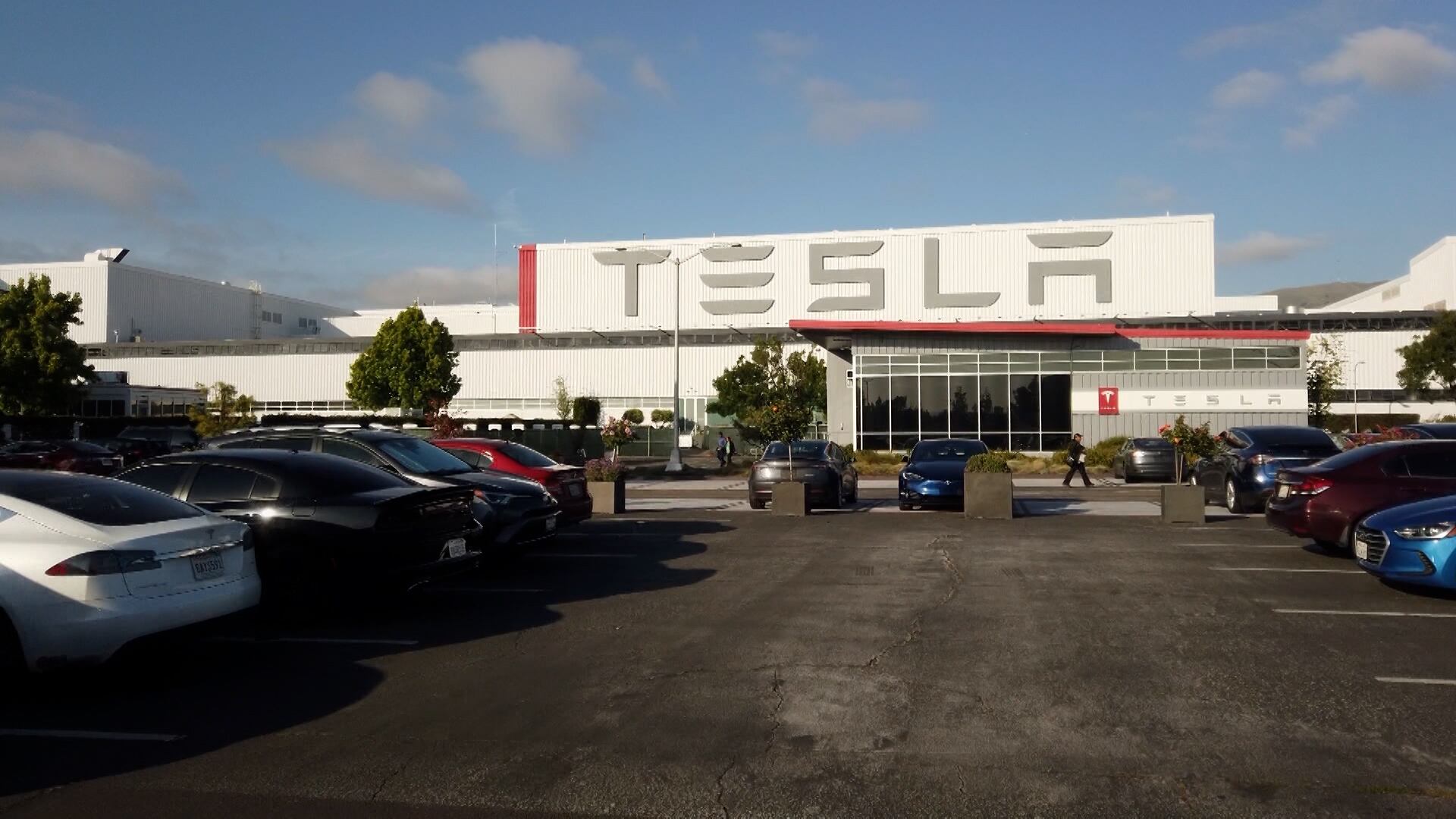
2021 proved to be yet another formidable year for Tesla. In a year that saw electric vehicles carve out their own space in the transportation world, the company made further strides, keeping its spot on top even as new companies threatened competition. Tesla was able to hit the trillion dollar valuation mark, increase vehicle deliveries even as the world grappled with supply chain and delivery issues and sign a major deal with Hertz this year. And of course, you can't talk about Tesla without talking about Elon Musk, CEO and founder of the company, richest man in the world and Time Magazine Person of the Year, who saw plenty of successes in 2021 as well. Al Root, Senior Writer at Barron’s, explains just how good a year it was for Tesla.
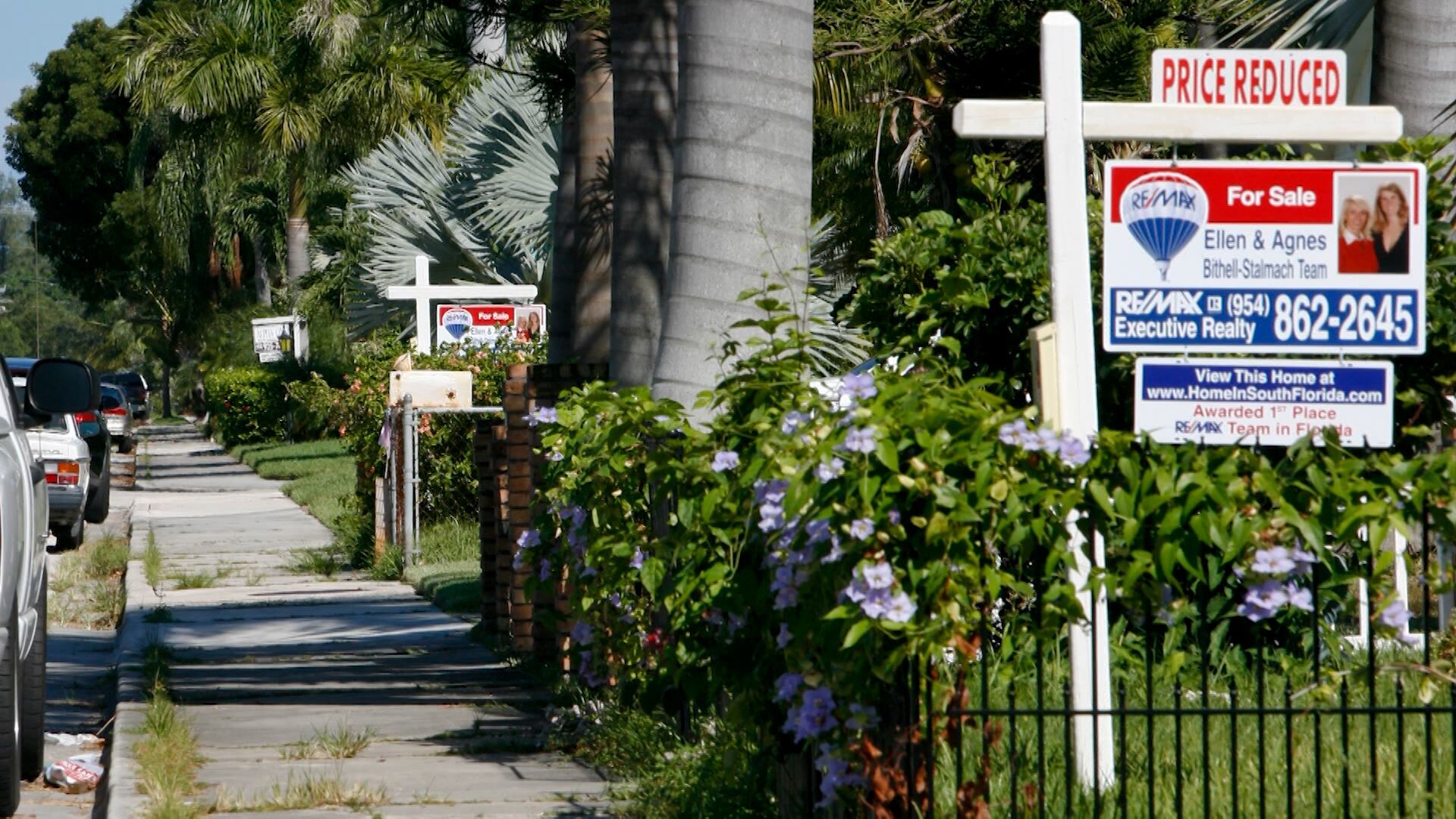
The S&P CoreLogic Case-Shiller 20-city home price index showed an 18.4 percent surge in October as the housing market continues to boom. October's levels are a slight downturn from the roughly 19 percent increase the index saw in September, but come roughly in line with economist expectations. Michael J. Romer, Managing Partner, Romer Debbas joined Wake Up with Cheddar to discuss.
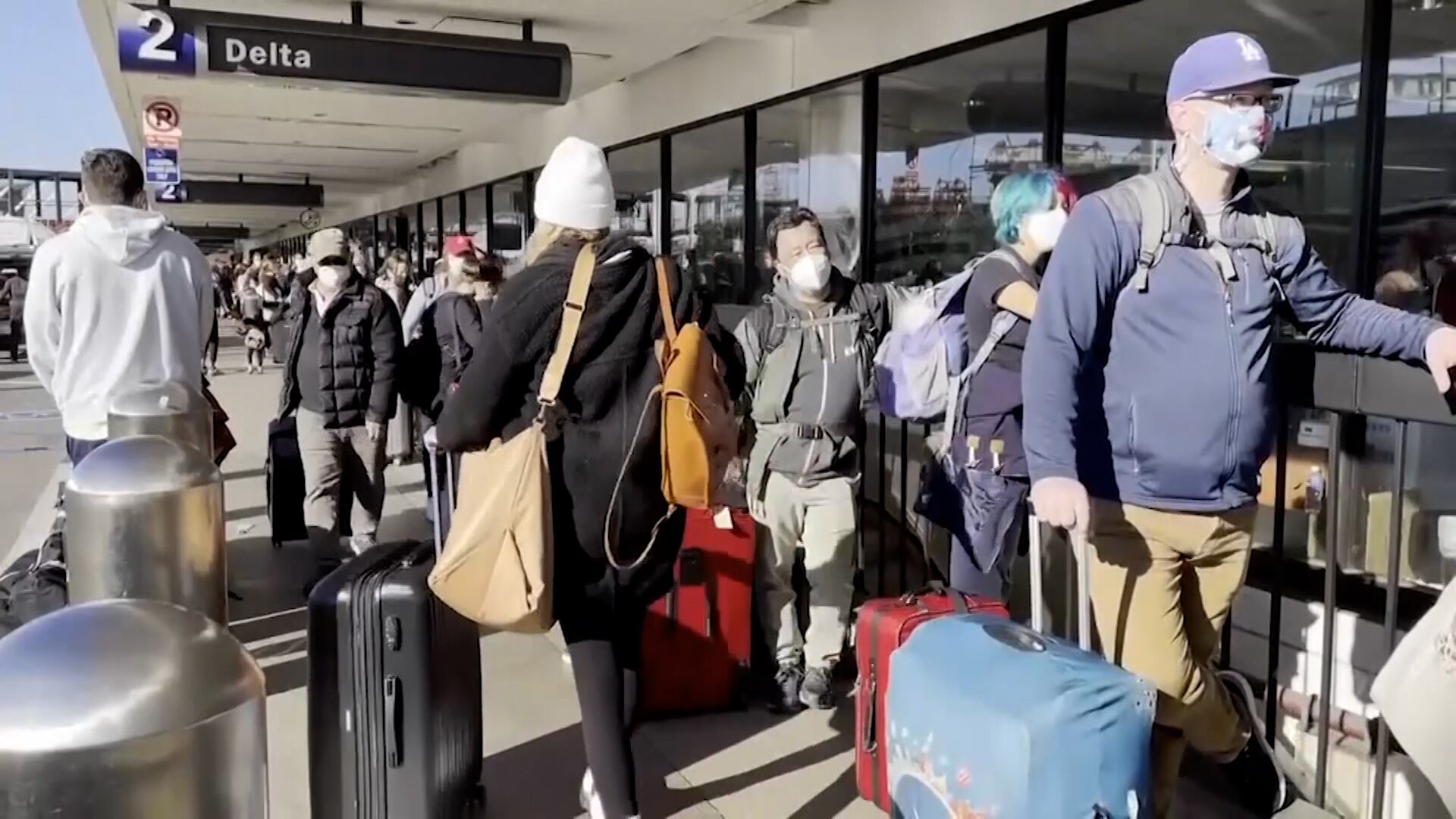
U.S. airlines have canceled more than 6,000 flights since Christmas eve, causing headaches for travelers.
Airlines cited staffing shortages amid the omicron outbreak as the primary reason for the interruptions to service. The cancellations come at the busiest time of year for air travel. Steve Shur, President, The Travel Technology Association joined Wake Up with Cheddar to discuss.
Dr. Soumi Eachempati, co-founder and CEO of Cleared4 and former professor of surgery and public health at Weill Cornell Medical College, joined Cheddar to breakdown what people should know about the recently FDA-approved emergency use of Merck and Pfizer's COVID-19 treatment pills. He noted that not only do people need to be aware of other medications they are taking that could cause adverse effects if coupled with COVID-19 pill treatments, he also talked about the intense in-take regiment. "The Merck pills are actually about 40 pills over five days. The Pfizer ones are three pills over five days, so people have to be prepared for that because it is a lot of pills you'll have to take to get full value from these drugs," Eachempati told Cheddar.
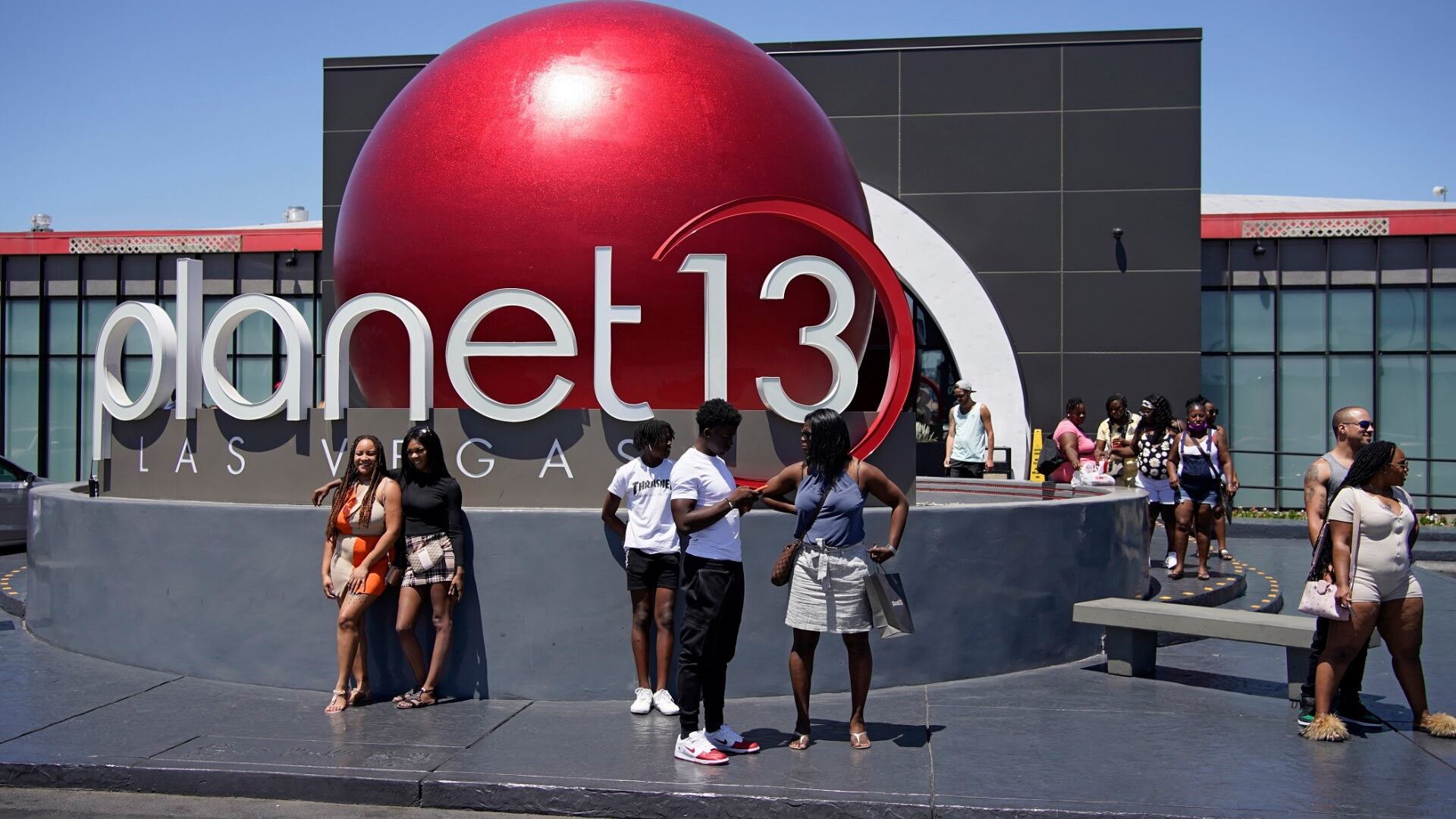
Adult-use cannabis sales kicked off in Nevada in 2017, but four years later, there isn’t a legal way for the 40 million tourists who visit the state annually to consume. That’s all about to change. Following the passage in June of a bill to legalize consumption lounges, the world’s largest dispensary, Planet 13, is planning a cannabis club as extravagant as Las Vegas. Cheddar’s Chloe Aiello visited the cannabis entertainment complex to find out more.