A worrisome bout of inflation struck the economy in April, with U.S. consumer prices for goods and services surging 0.8%, the largest monthly jump in more than a decade, and the year-over-year increase reaching its fastest rate since 2008.
The acceleration in prices, which has been building for months, has unsettled financial markets and raised concerns that it could weaken the economic recovery from the pandemic recession.
Wednesday's report from the Labor Department showed sharply higher prices for everything from food and clothes to housing. A 10% surge in the prices of used cars and trucks — a record jump — accounted for roughly one-third of last month's increases. Prices for vehicles, both used and new, have been soaring as a result of a computer chip shortage that has slowed auto production and reduced dealer supplies.
Over the past 12 months, consumer prices have jumped 4.2% — the fastest rise since a 4.9% gain in the 12 months that ended in September 2008. Excluding volatile food and energy, core inflation rose 0.9% in April and 3% over the past 12 months.
After years of dormant inflation, with the Federal Reserve struggling to increase it, worries about rising prices have shot to the top of economic concerns. Shortages of goods and parts related to disrupted supply chains have been a key factor.
The Fed, led by Chair Jerome Powell, has repeatedly expressed its belief that inflation will prove temporary as supply bottlenecks are unclogged and parts and goods flow normally again. But some economists have expressed concern that as the economic recovery accelerates, fueled by rising demand from consumers spending freely again, so will inflation.
“It looks like inflation pressures are not only building but are likely to be here at least through the rest of the year,” said Joel Naroff, chief economist at Naroff Economic Advisors. “With growth robust, firms have a measure of pricing power tat they haven't had in decades, and they appear to be using it.”
Investors, too, have grown increasingly jittery. On Tuesday, the Dow Jones Industrial Average sank more than 470 points — 1.4% — its worst day since Feb. 26.
Wednesday's inflation report showed that food prices rose 0.4%, the biggest such increase since a 0.5% rise last June. Energy costs, though, edged down 0.1%, with gasoline pump prices falling 1.4%, the biggest drop since May 2020.
Last month, Powell suggested at a news conference that Fed officials expect inflation to move above its 2% annual target over the next few months. The Fed has said it will allow prices to rise slightly above 2% for a period of time to make up for the past decade's shortfalls in inflation.
Powell has said that as long as the increase in inflation doesn't appear to be hurting consumer and business expectations about price increases, the central bank would be willing to let prices rise without acting to raise interest rates. That view has been supported by comments from other Fed officials including Lael Brainard, a board member who warned Tuesday against a premature Fed tightening that could harm the economy.
Moderna launched a clinical trial of a COVID-19 booster shot specifically targeting the omicron variant. The first participant has already received a dose, and Moderna expects to enroll about 600 adults total, split between two groups. In the first group, participants will have previously received two doses of the Moderna vaccine, and in the second, participants will have received its booster. Dr. Paul Burton, chief medical officer at Moderna, joined Cheddar’s Opening Bell to discuss the trial, yearly boosters, and what lies ahead for the company.
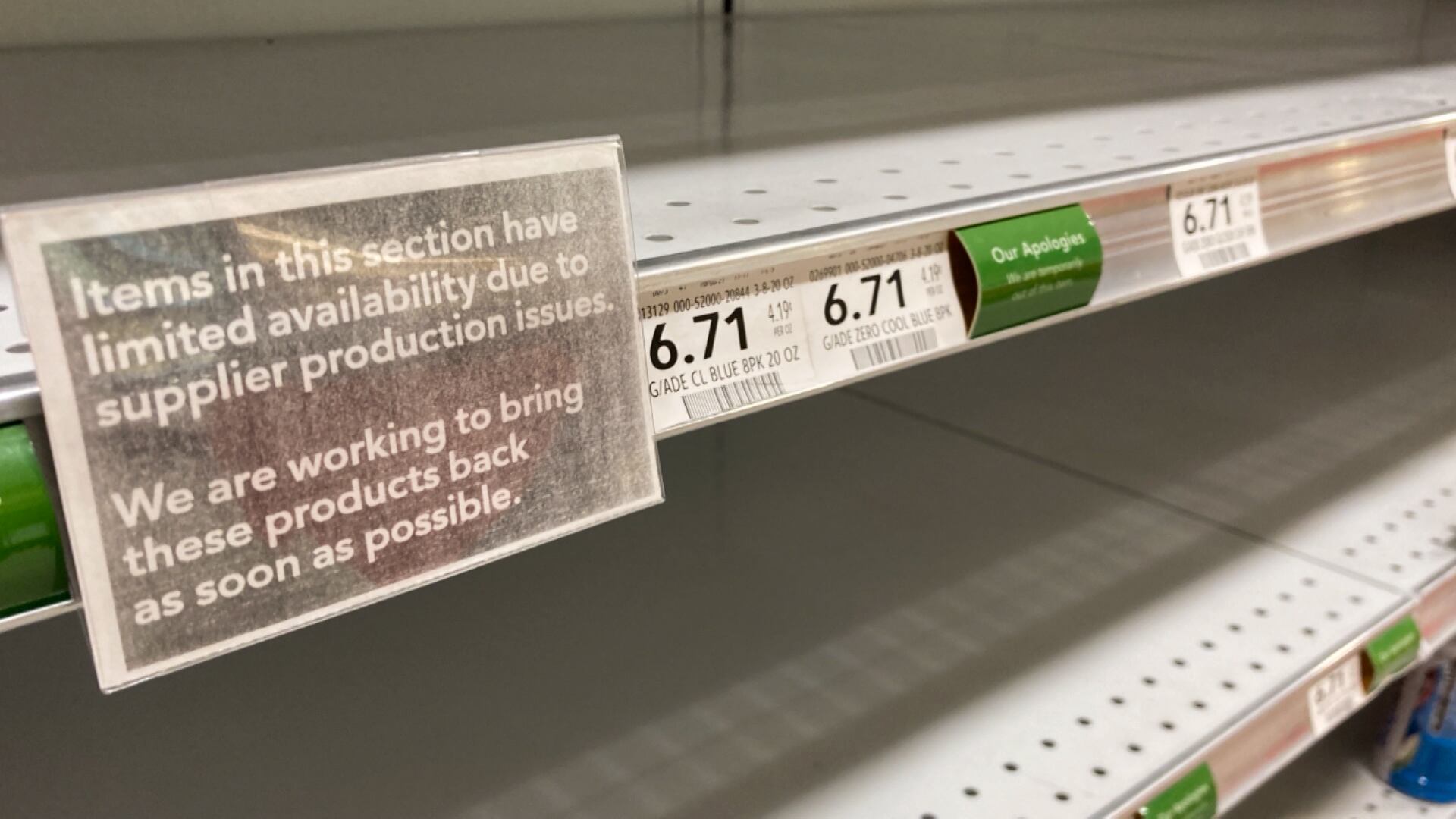
A growing number of workers at major produce companies, processing plants, and grocery stores are calling out sick.
These virus-related absences are resulting in product shortages, leaving supermarket shelves far from full. Jesse Newman, agriculture reporter at The Wall Street Journal, joins Cheddar News to discuss.
There may be some light at the end of the tunnel for struggling retailer Kohl's. Shares soared more than 35 percent on Monday on reports that a second takeover could potentially be in the works - just days after a group backed by activist investment firm Starboard Value proposed buying the company. Private equity firm Sycamore Partners has allegedly reached out to Kohl's, offering to pay at least $65 per share in cash for the company - giving it a valuation of close to $9 billion. Joel Bines, Global Head of Retail at AlixPartners, joined Cheddar Movers to discuss the potential takeover as well as the state of retail in the U.S.
Big Apple workers who deliver for food apps like Doordash and Grubhub will now receive a number of legal protections provided through a package of new regulations that have started going into effect. These updated rules include more control over their deliveries, pay and tip transparency, a higher minimum pay rate, and access to restaurant bathrooms during the workday. New York City Comptroller Brad Lander joined Cheddar to elaborate on the regulations and how the platform holders reacted. "I have to say it's a mixed bag," he said. "Grubhub actually welcomed the legislation and said they recognize they need to do better by their deliveristas, but DoorDash, unfortunately, has actually been pushing back against the legislation."
Stocks closed mixed Wednesday after the Federal Reserve's announcement about potential rate hikes this year, beginning as soon as March. That would be the central bank's first rate hike since 2018, and Chair Jerome Powell also didn't rule out a potential rate hike at every meeting in order to combat inflation. RC Peck, CIO of Fearless Wealth, joined Closing Bell to discuss today's close, the Fed's announcement, Tesla's Q4 2021 earnings results, and more.
Stocks closed lower Tuesday, but off session lows amid continued volatility as investors await this week's Federal Reserve meeting, where the central bank is expected to introduce tighter monetary policy. Microsoft also reported second quarter fiscal 2022 earnings after the bell. The tech giant beat on both top and bottom lines, but shares fell after hours. David Stryzewski, CEO of the Sound Planning Group, joins Cheddar News' Closing Bell to discuss today's close, predictions for this week's Fed meeting, Microsoft's earnings report, and more.
Thomas Hoenig, Former CEO of Federal Reserve Bank of Kansas City and currently Distinguished Senior Fellow with the Mercatus Center, joined Cheddar News' Closing Bell, where he says the Fed's decision was no surprise, but believes the Fed is behind the curve on raising rates.