By Leah Willingham

An effort to destigmatize the use of overdose reversal drugs that started as a pilot in two West Virginia counties has expanded to all thirteen states in Appalachia this year.

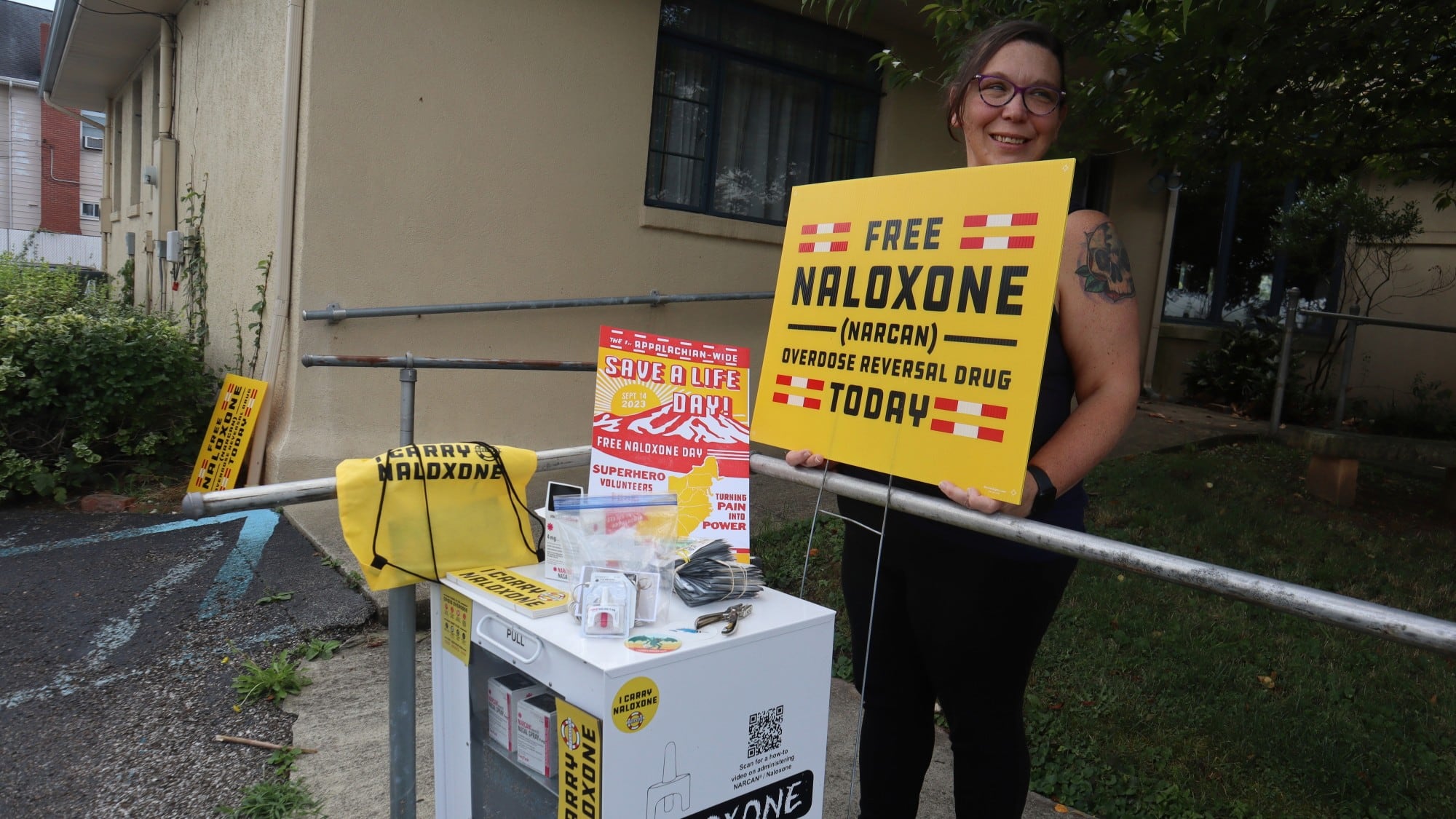
The first-ever “Appalachian Save a Life Day” comes Thursday, on the heels of the approval of Narcan as drug that can be purchased over the counter for nonprescription use — a long-awaited victory towards normalizing and improving access to the decades-old, live-saving medication.

More than 30,000 doses of naxolone, or Narcan, are being distributed in 13 states. Community organizations will then offer the drug for free at convenient locations like fast food restaurants, Walmarts, health departments, churches, convenience stores and fire departments.

More than 180 counties are participating at more than 300 different sites. The events are a celebration of what advocates have been working toward for years.

In 1971, the U.S. Food and Drug Administration approved use of naloxone, also referred to by its brand name “Narcan,” to treat overdoses. However, its use was confined to paramedics and hospitals. Narcan nasal spray was first approved by the FDA in 2015 as a prescription drug, and in March, it was approved for over-the-counter sales and started being available this month at major pharmacies for a suggested price of around $50 for two doses.

“It kind of gives you chills a little bit when you think about it, just because it's this huge group of people coming together — and you don’t even know most of them — all because we deeply care about the same issue,” said Caroline Wilson, a social worker and person in recovery who organized Save a Life Day events in West Virginia's Eastern Panhandle.

Spearheaded by the Charleston-based nonprofit Solutions-Oriented Drug Response, “Save a Life Day” began as a two-county pilot program in 2020 in West Virginia, expanding to 17 counties in-state in 2021. Last year, all 55 counties in the state with the nation's highest rate of opioid overdoses in the nation participated. The 2023 event has expanded to include Alabama, Georgia, Kentucky, Maryland, Mississippi, New York, North Carolina, Ohio, Pennsylvania, South Carolina, Tennessee, Virginia, and West Virginia.

The state of West Virginia dedicated $600,000 to this year's effort. West Virginia’s Office of Drug Control Policy and the University of Charleston Pharmacy School have supplied naloxone for West Virginia’s events since its inception in 2020.

Solutions-Oriented Drug Response co-founder Sarah Stone said even in the last five years, she's seen a major shift in the way people are talking about naloxone.

“I would say five years ago, people would easily say, ’Let people die, I would step over this person before I would offer assistance,' or my personal favorite is: ’We can Narcan him three times, but not the fourth — there’s a limit,'" she said. "And you just don’t hear those things anymore, or not often.”

Braden Hopkins, a 20-year-old student at the University of Alabama, has been pushing for more naloxone and fentanyl test strip training and access within Greek life and other organizations. She's invited medical professionals to her sorority for training and wants to see it normalized to the point where at least one person in every Greek life house is Narcan-trained.

Hopkins, who is vice president of the school's chapter of Students for Sensible Drug Policy, said most of her peers don't know what it is — a concerning thought at a school with a significant party culture, she said.

“People just don't know how to have conversations about drugs and alcohol use,” said Hopkins, who will be tabling on the school’s quad distributing resources, test strips and doing HIV-testing outreach as part of Save a Life Day.

Harm Reduction Ohio, the largest distributor of naloxone in the state of Ohio, praised the greater availability of the drug but voiced concerns that the cost could prohibit those who need it most from getting it.

“I think over-the-counter is going to do a lot to decrease the stigma to when people see on a shelf, but $45 to $50, a dose is not going to help people who use drugs,” said AmandaLynn Reese, the organization's chief program officer. “What we really need to do is make sure we are targeting the areas that need it.”

Share:
More In Politics
Snap, Youtube, TikTok to Face Questioning from Lawmakers
Later today House Republicans will grill Snap, Tiktok and Youtube on how their products affect the mental health of teenagers. It comes after a report revealed that Facebook's photo sharing platform, Instagram, can be harmful to teen's mental health. Rishi Bharwani, Director of Partnerships and Policy, Accountable Tech joined Cheddar's Opening Bell to discuss.
Paid Family Leave Program in Flux
As the White House and Congressional leaders work towards finalizing the legislative framework of the Build Back Better budget deal, paid family leave, one of the hallmarks of President Joe Biden's Social Safety Net agenda, still stands in flux. Molly Day, Executive Director, Paid Leave for the U.S. joined Cheddar's Opening Bell to discuss why the finalization of this bill is imperative.
New York City Workers Protest Vaccine Mandate
Marjorie Mesidor, Esq., Partner, Phillips and Associates, PLLC and Dr. Anthony Santela, professor of health administration and university covid coordinator at the University of New Haven join J.D. Durkin and None Of The Above to talk about the expected fallout from New York City's vaccine mandate.
COP26 Summit In Glasglow Officially Underway
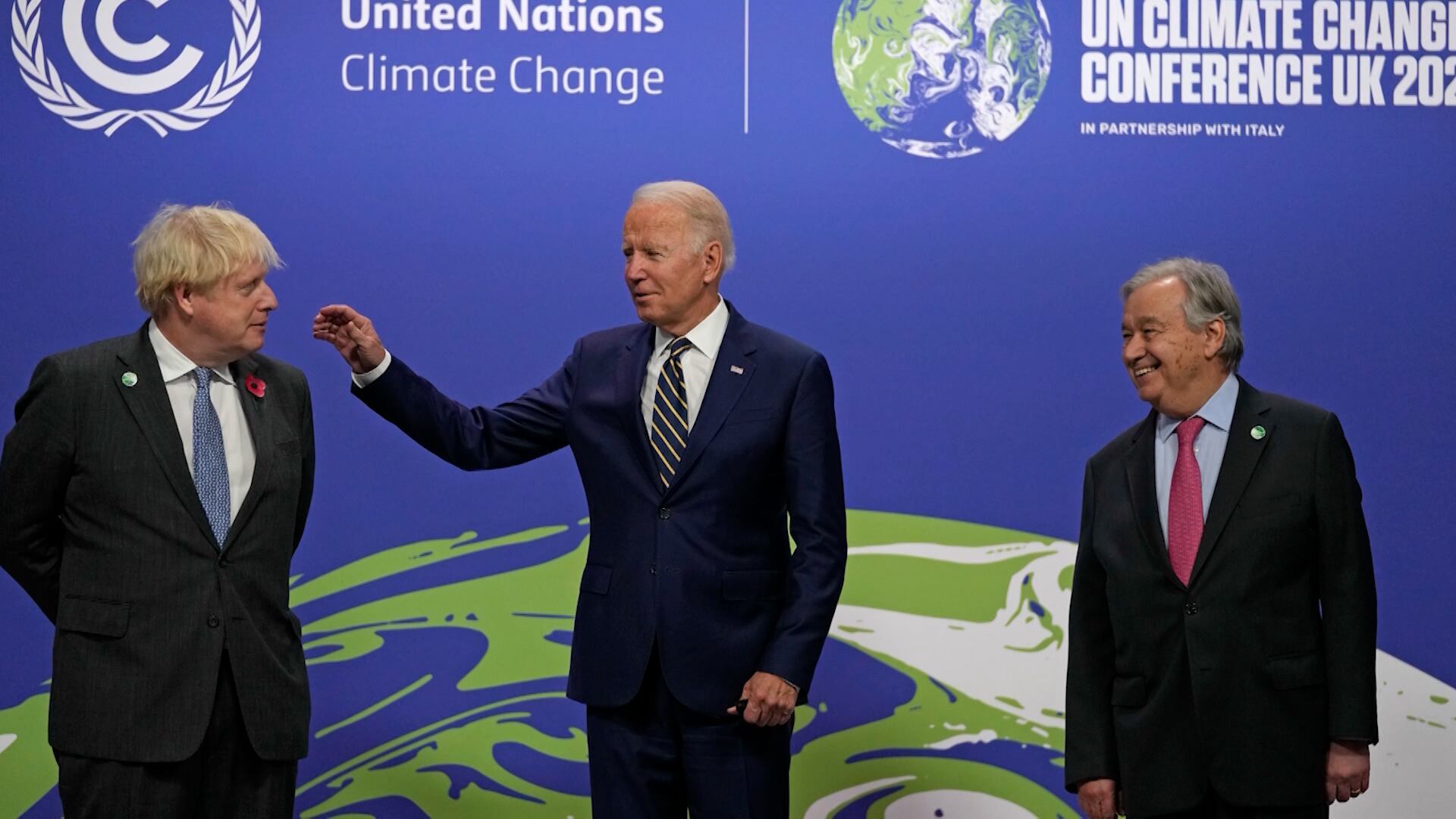
Leaders around the world have come together to discuss plans to bring action towards the Paris Agreement along with solutions on how to solve the evolving climate change crisis at the COP26 Summit. President and CEO of Center for International Environmental Law Carroll Muffett, joined Cheddar to discuss more.
What's Next for World Leaders After COP26 Commitments to Abate Climate Change
Rachel Cleetus, the policy director and lead economist of the climate and energy program for the Union of Concerned Scientists, joined Cheddar to break down some of the key goals from the COP26 summit and why leaders must focus on the science of climate change instead of getting bogged down by petty politics and the fossil fuel industry. "The main thing they have to do, make sure we're cutting our emissions sharply within this decade because the science shows that we have to cut global emissions in half by 2030 if we're going to meet our goals of averting some of the most catastrophic impacts of climate change," she said.
Election Day, Climate Pledges & Cautionary TV Tale
Carlo and Baker cover the big races to watch on this off-cycle Election Day, the concrete pledges starting to come out of COP26, Jeffrey Epstein keeps causing CEOs to lose their jobs, and Ryan Murphy's TV hit that wasn't.
November Begins with Record Closes, Clorox Reports Earnings
The Dow, S&P, and Nasdaq begin November by not only ending Monday's session higher but with a record close as well. Melissa Armo, Founder and Owner of The Stock Swoosh, has her eye on major economic storylines and joins Cheddar News' Closing Bell to discuss what role the news could play on Wall Street.
Climate-Focused Investing in Focus at COP26
The UN climate change conference kicked off on Sunday with about 120 world leaders and delegates gathering in Glasgow, Scotland this week, as experts continue to warn about the harms of heightened emissions and the effects on climate change. The topic of ESG investing is expected to be a top priority at the summit. Jefferies global head of ESG and sustainability research Aniket Shah joined Cheddar News' Closing Bell to discuss.
Schools Reconsider Gifted and Talented Programs Amid Race, Class Disparities
Gifted and talented education programs in schools throughout the United States are falling under greater scrutiny as the race and class divide in the programs remain wide. Marcia Gentry, a professor of educational studies and the director of the Gifted Education Research and Resource Institute at Purdue University, joined Cheddar to weigh in on if advanced tracking for students can also be equitable for lower income students and students of color.
Supreme Court Weighs in on Texas Abortion Law
The Supreme Court is now weighing in on one of the nation's most restrictive abortion laws. The Texas law, which was enacted on September 1, bans abortions after six weeks of pregnancy. In addition, it allows any private citizen to sue anyone who helps a woman get an abortion. Jimmy Hoover, Supreme Court Editor-At-Large at Law360, joined Cheddar News to discuss more.
Load More