*By Madison Alworth*
Coca-Cola announced Friday it will buy the UK coffee chain Costa for a piping $5.1 billion. The deal is Coke's largest acquisition to date.
According to Wall Street Journal reporter Jennifer Maloney, this was a diversification move, and Coke CEO James Quincey's way to make good on his word.
"He wanted to provide beverages to people at any time of day and any occasion," Maloney said Friday in an interview with Cheddar.
The deal marks Coke's first foray into the hot beverage industry. The timing couldn't be better. With the [soda market] (https://www.businessinsider.com/pepsi-ceo-inda-nooyi-predicted-soda-declines-2018-8) continuing to fall, Coca-Cola is looking to add more options to its portfolio. This move is also just the latest in a bubbling trend of soda brands trying to please calorie-conscious consumers. A little over a week ago, [Pepsi](https://cheddar.com/videos/pepsi-adds-sodastream-to-healthy-drinks-lineup) announced its purchase of seltzer machine maker SodaStream.
Costa has a large footprint abroad with 3,800 cafes in the U.K. and a growing presence in China.
That country has been a target of the coffee industry as consumption of the caffeinated beverage continues to soar. Although Chinese consumers traditionally prefer tea, Chinese millennials are adopting java in droves. According to the International Coffee Organization and the U.S. Department of Agriculture, over the past four years coffee imports to China have grown by 16 percent a year compared to 2 percent in the U.S.
According to Maloney, China is Costa's biggest market outside of the UK. Costa has approximately 450 locations in the country and Coke's CEO is focused on that as a new market.
"He sees China as a great opportunity to expand retail locations," Maloney said.
For full interview [click here](https://cheddar.com/videos/coca-cola-cozies-up-to-costa).
David Ewalt, Editor-in-Chief at Gizmodo joins Cheddar News to discuss a TikTok moderator suing the platform over mental trauma caused by graphic videos
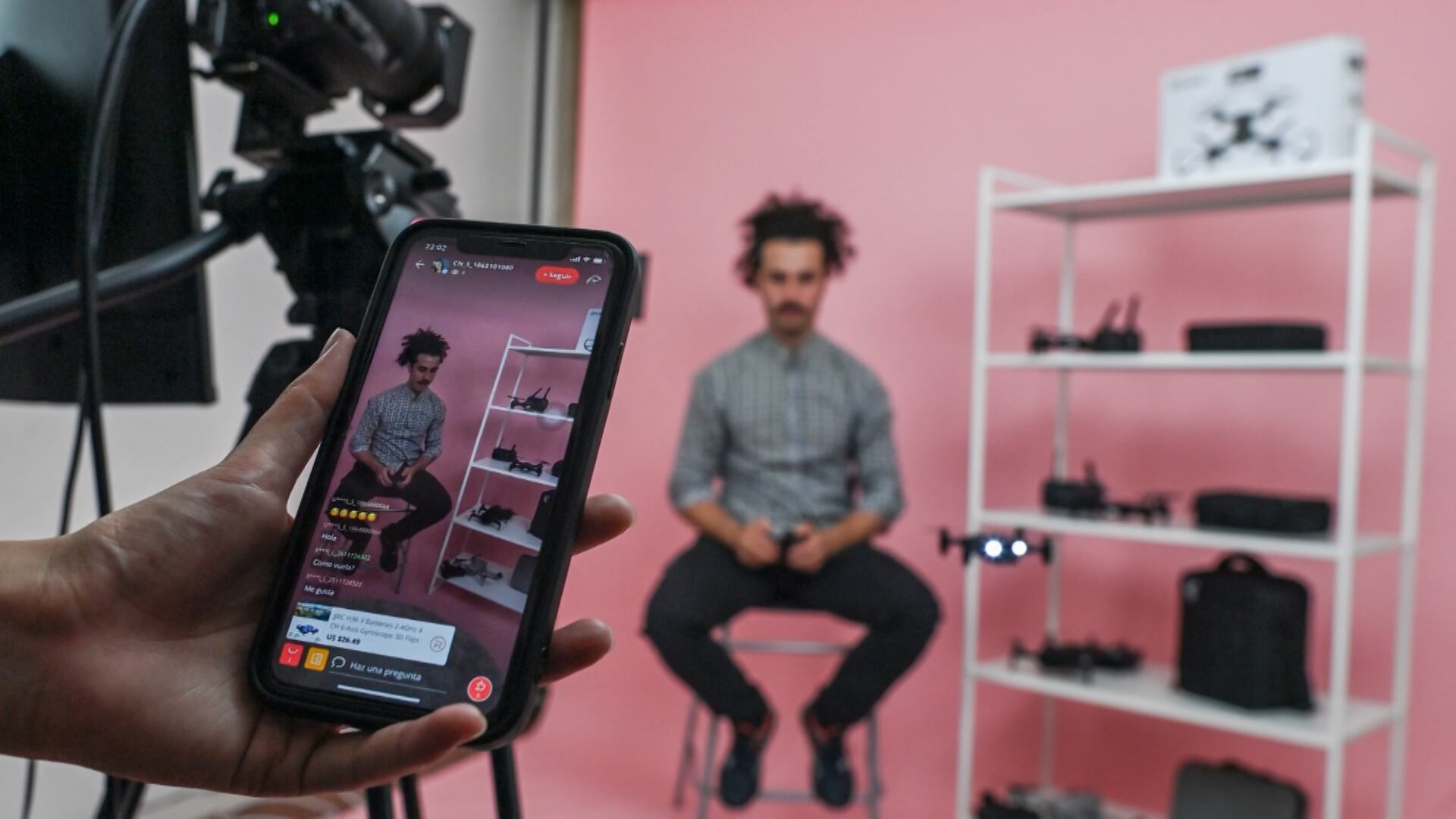
The pandemic has supercharged the creator economy, and there are no signs of it slowing down no matter when the pandemic officially ends. Creators prove to be a key factor in driving purchasing decisions and retail sales, and an increasing amount of platforms are taking advantage of the social influence. Karissa Bell, senior editor at Engadget, joins cheddar news to discuss the creator economy boom.
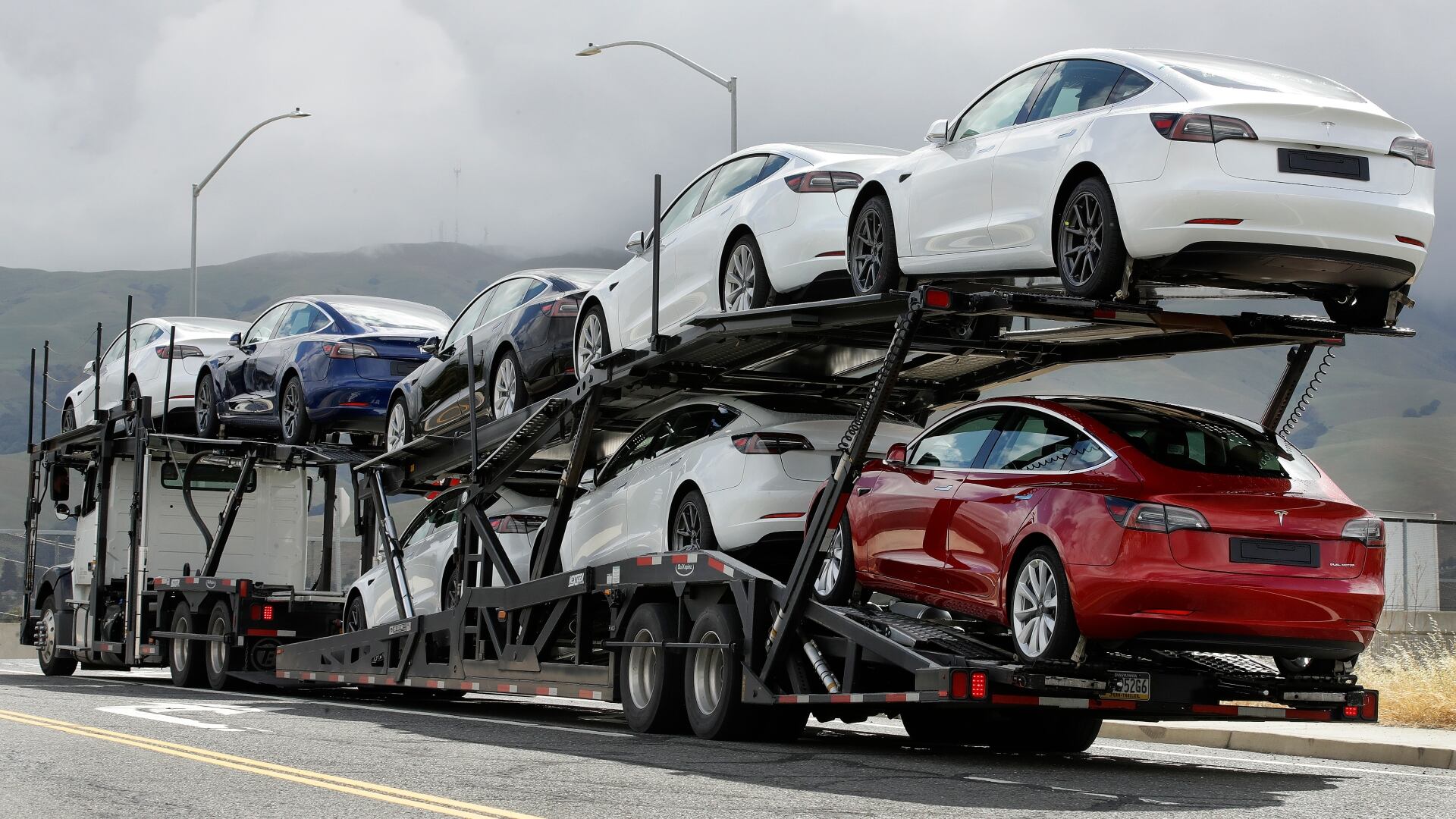
The E-V maker Tesla has had a wild year. The company managed to continue to dominate the U.S. electric vehicle space despite growing competition and production delays. As the end comes to an end, Tesla finds itself growing richer and richer. Author of Risk Ritual Newsletter Richard Smith, joined Cheddar to discuss more.
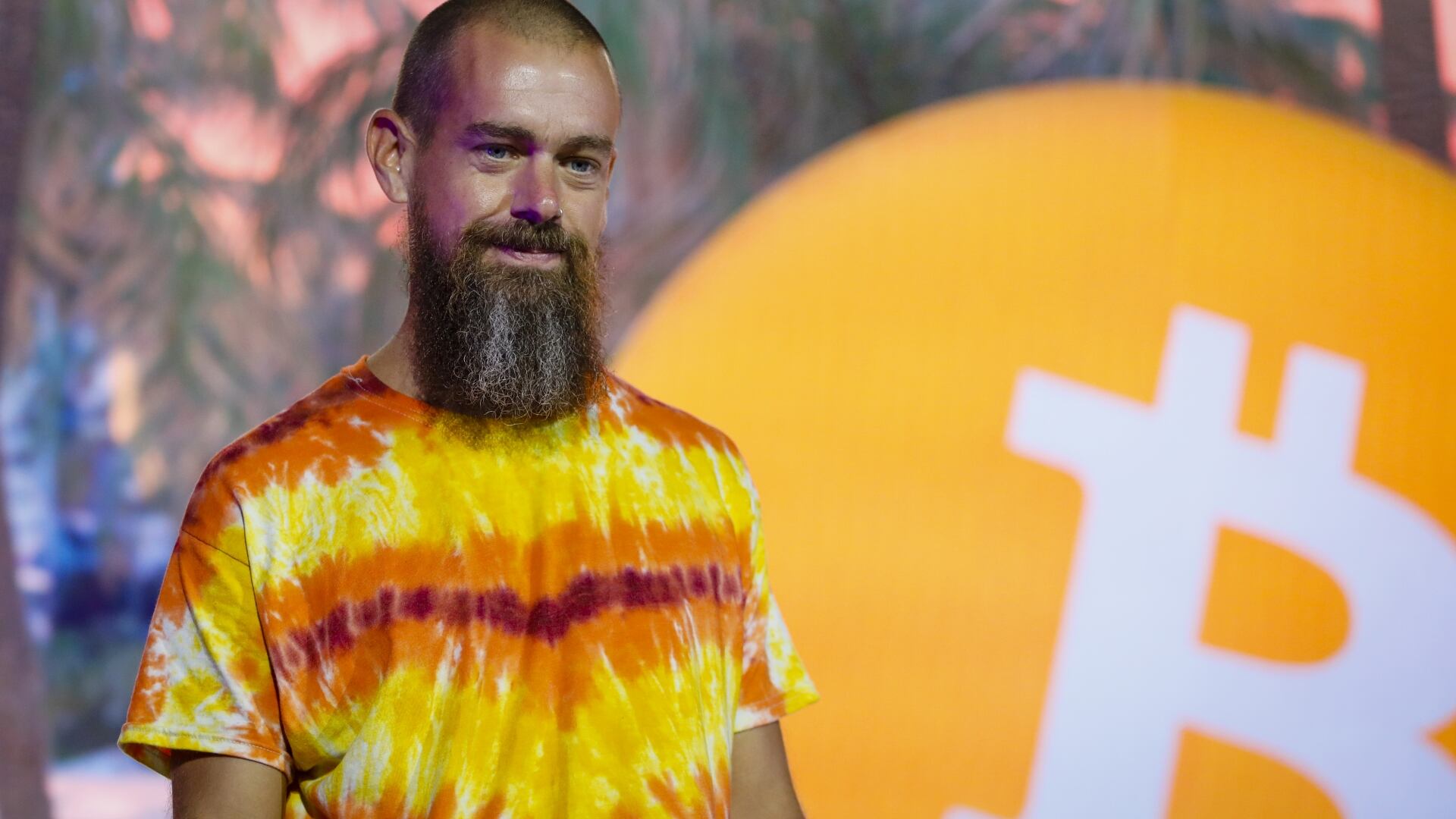
Venture capitalists and CEOs are clashing over the future of the internet. Web3 is the tech world's name for a decentralized, blockchain-based internet that runs on cryptocurrency. It was recently the topic of a tweet from Block CEO and former Twitter CEO Jack Dorsey who wrote that Web3 will not actually be owned by users, and instead be controlled by rich venture capitalists. Dorsey later shared that he was blocked on Twitter by Marc Andreesen, co-founder of VC firm Andreesen Horowitz, which has invested billions of dollars into Web3 and crypto projects. Correspondent for DealBook from the New York Times, Ephrat Livni, joins Cheddar News' Closing Bell to discuss what this could mean for the future of Web3.
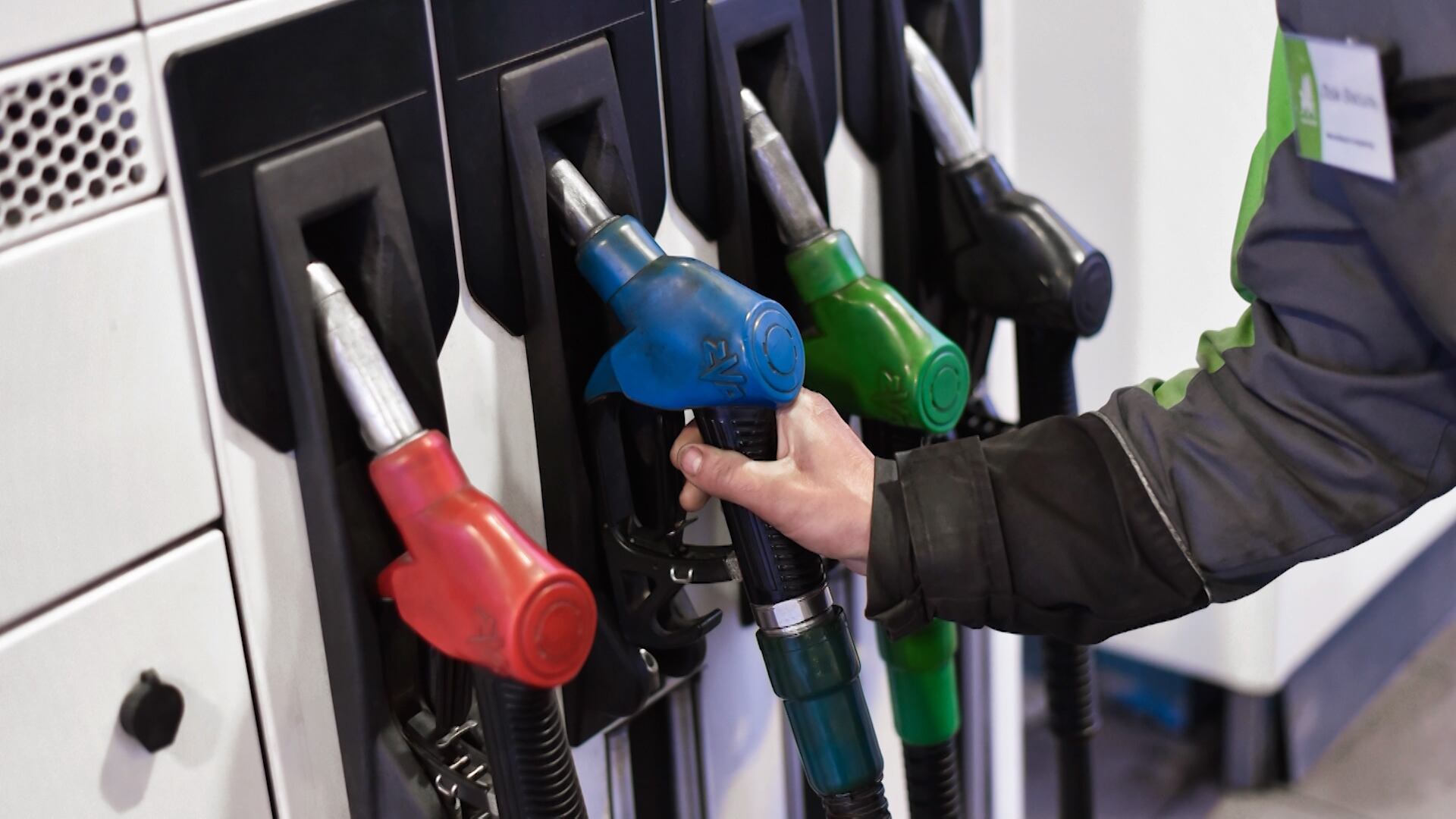
Prices at the pump this year reached a seven-year high, and a new forecast from GasBuddy shared with CNN predicts that gas prices will only continue to rise in 2022 and that the national average could even reach $4.00 a gallon; however, analysts at GasBuddy say anything could happen when it comes to gas prices in the future, as the pandemic has made it difficult to make any predictions about the economy. Consumer Energy Alliance federal policy advisor Michael Zehr joins Cheddar News' Closing Bell to discuss.