*By Madison Alworth*
Coca-Cola announced Friday it will buy the UK coffee chain Costa for a piping $5.1 billion. The deal is Coke's largest acquisition to date.
According to Wall Street Journal reporter Jennifer Maloney, this was a diversification move, and Coke CEO James Quincey's way to make good on his word.
"He wanted to provide beverages to people at any time of day and any occasion," Maloney said Friday in an interview with Cheddar.
The deal marks Coke's first foray into the hot beverage industry. The timing couldn't be better. With the [soda market] (https://www.businessinsider.com/pepsi-ceo-inda-nooyi-predicted-soda-declines-2018-8) continuing to fall, Coca-Cola is looking to add more options to its portfolio. This move is also just the latest in a bubbling trend of soda brands trying to please calorie-conscious consumers. A little over a week ago, [Pepsi](https://cheddar.com/videos/pepsi-adds-sodastream-to-healthy-drinks-lineup) announced its purchase of seltzer machine maker SodaStream.
Costa has a large footprint abroad with 3,800 cafes in the U.K. and a growing presence in China.
That country has been a target of the coffee industry as consumption of the caffeinated beverage continues to soar. Although Chinese consumers traditionally prefer tea, Chinese millennials are adopting java in droves. According to the International Coffee Organization and the U.S. Department of Agriculture, over the past four years coffee imports to China have grown by 16 percent a year compared to 2 percent in the U.S.
According to Maloney, China is Costa's biggest market outside of the UK. Costa has approximately 450 locations in the country and Coke's CEO is focused on that as a new market.
"He sees China as a great opportunity to expand retail locations," Maloney said.
For full interview [click here](https://cheddar.com/videos/coca-cola-cozies-up-to-costa).
Damali Peterman, founder and CEO of Breakthrough ADR, joins Cheddar News to discuss what Black professionals are up against in the workplace this year.
David Malott, founder and chief architect at AI PlanetWorks joins Cheddar News to discuss the release of its augmented reality NFTs for the metaverse called 'TERA.'
Jess Hunichen and Emily Ward, co-founder of Shine Talent Group join Cheddar News to talk about The BodCon conference and how it empowers men and women to feel confident.
Alia Kemet, vice president of creative and digital at McCormick, joins Cheddar News to discuss Frank's RedHot releasing an edible NFT ahead of the Super Bowl.
Xiaohua Yang, professor of international business and director of the China Business Studies Initiative at the University of San Francisco, joins Cheddar News to talk about the history of Lunar New Year.
After a number of tragic subway incidents, the MTA is facing increased pressure to install subway platform screens to help prevent injury or death. However, according to an earlier report from the MTA, installing these prevented measures isn't feasible. New York City Council Member Keith Powers, joined Cheddar to discuss more.
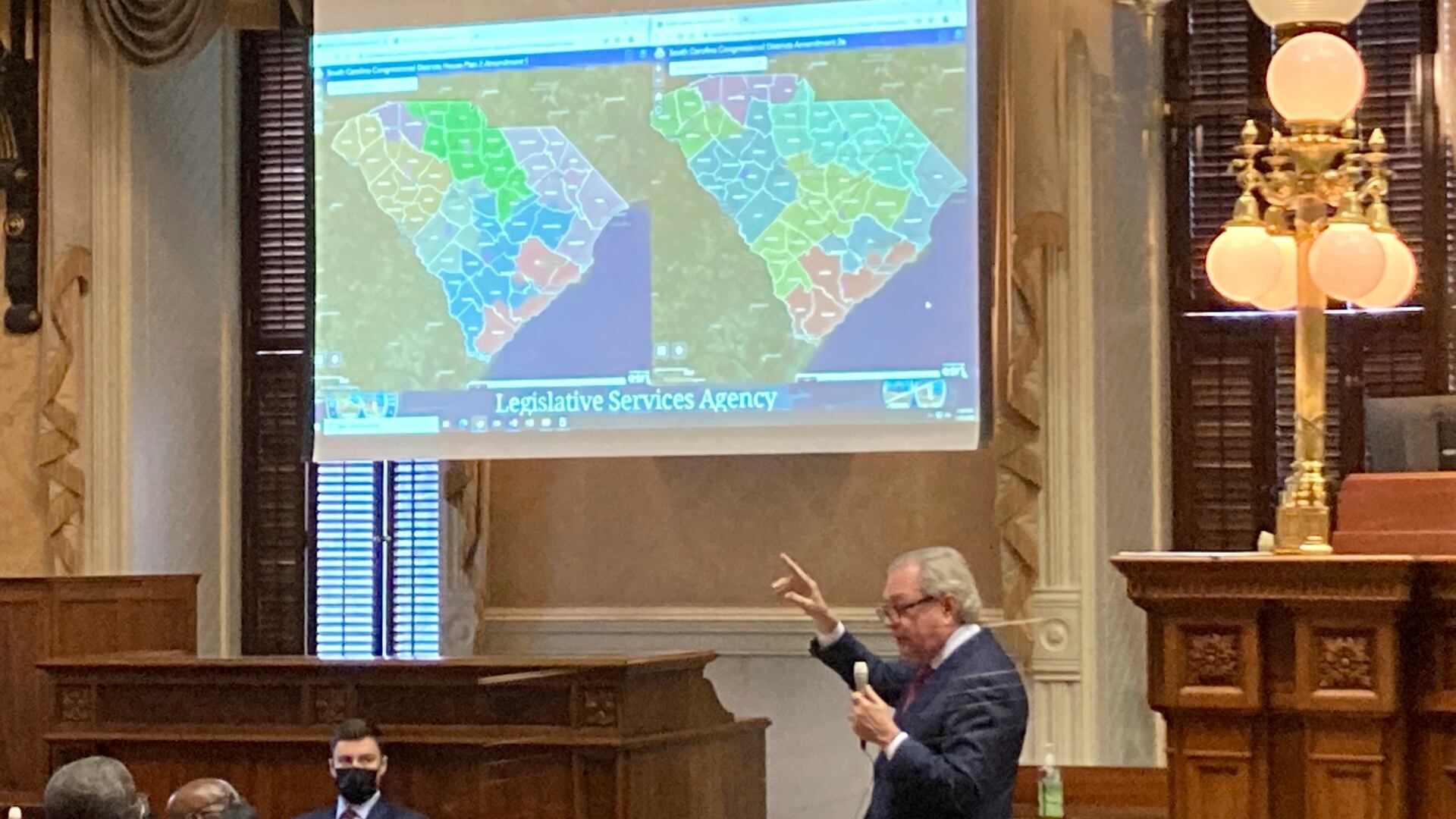
Across the country, states are working to redraw their congressional lines in what is often known as gerrymandering. These news lines are expected to determine the balance of power between Democrats and Republicans within the next decade. Senior Counsel for the Brennan Center's Democracy Program, Michael Li, joined Cheddar to discuss more.
AT&T announced earlier today it is spinning off its media properties in WarnerMedia in a merger with Discovery in a $43 billion deal.Scott Rostan, founder and CEO at Training The Street, joined Cheddar to talk about what the unwinding of the telecom giant's Time Warner media properties means for investors. "I think the investor sentiment is they're digesting the new information, and they're looking into the dividend, especially the reduction of the dividend," said Rostan, noting the transaction allows AT&T to focus on its core telecommunications business.
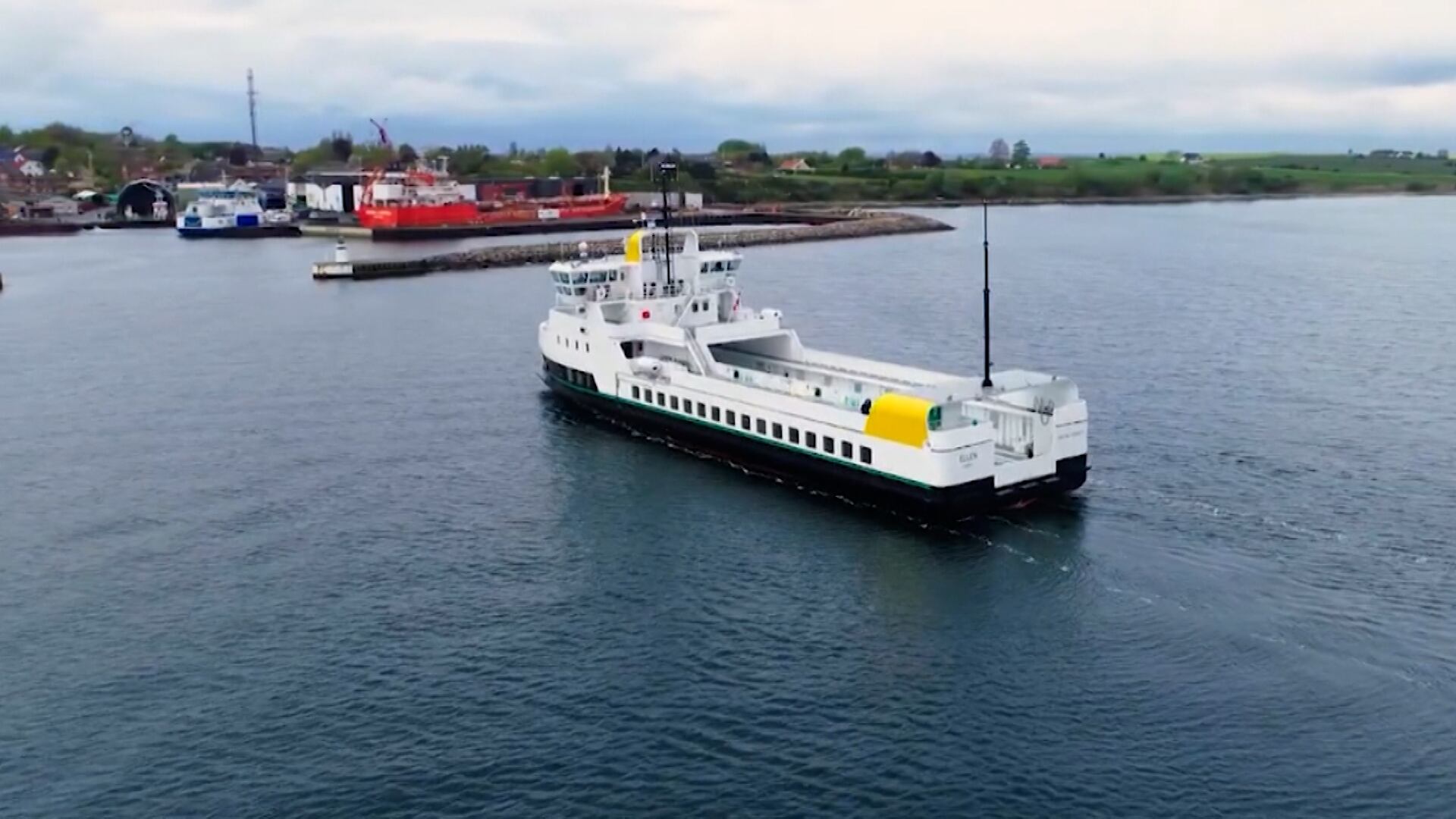
A 2021 report from UK Research and Innovation found that the shipping industry makes up at least 2.5 percent of the world's total CO2 emissions. It's a problem that energy solutions company, Leclanché, is trying to solve. Founded in 1909, the company has been developing and producing batteries for more than 100 years. Today, Leclanché's lithium-ion battery is used to electrify not just ships, but also railroad locomotives, trucks, and specialty vehicles. Cheddar News spoke with Pierre Blanc, chief technology and industrial officer of Leclanché, to discuss.