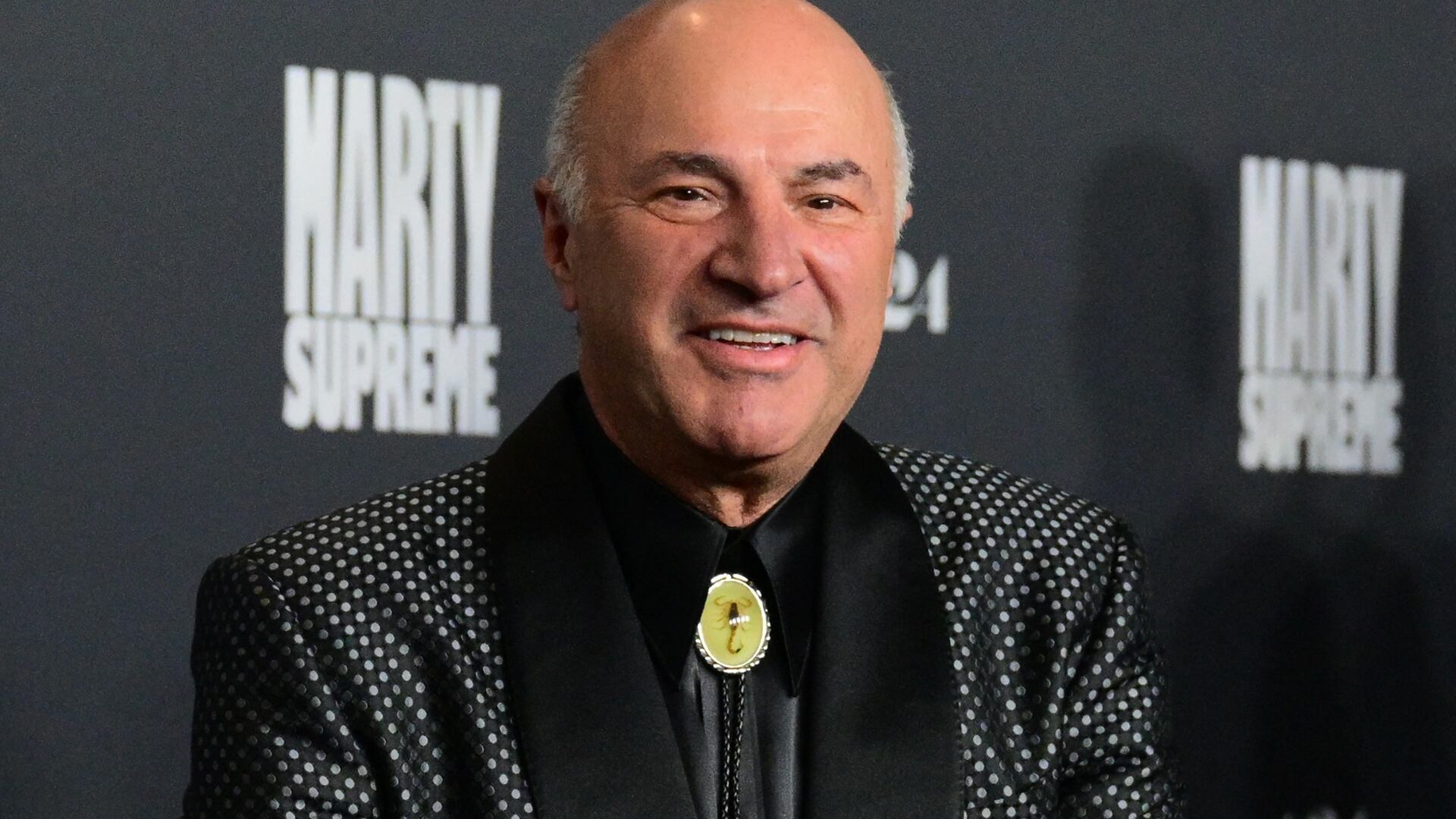
In this Feb. 9, 2020, file photo, Chrissy Teigen arrives at the Vanity Fair Oscar Party in Beverly Hills, Calif. Teigen has deleted her popular Twitter account, saying the site no longer plays a positive role in her life and has become a negative part on her life. (Photo by Evan Agostini/Invision/AP, File)
Chrissy Teigen has deleted her popular Twitter account, saying the site no longer plays a positive role in her life.
“For over 10 years you guys have been my world,” Teigen wrote to her 13.7 million followers Wednesday night. “But it's time to say goodbye. This no longer serves me as positively as it serves me negatively, and I think that's the right time to call something."
Teigen's account was popular for its mix of jokes about her husband John Legend and their children, their playful banter on the site, funny observations about assorted topics and fierce retorts for those she disagreed with or who criticized her.
That reputation is at odds with who she really is, the model and cookbook author wrote.
“My life goal is to make people happy,” she wrote. “The pain I feel when I don't is too much for me. I've always been portrayed as the strong clap back girl but I'm just not.”
Last year, Teigen shared the heartbreak of a miscarriage on the site, posting an anguished picture of her in the hospital. Another image showed her and Legend grieving over a bundle cradled in her arms.
While her candor about the loss of their son won praise, some criticized her for putting such painful moments on social media.
She wrote Wednesday that she’s experienced so many attacks from low-follower accounts that she’s “deeply bruised.”
In one of her final posts, she told her followers to “never forget that your words matter.”
Teigen’s Instagram account, with more than 34 million followers, remains active as does Legend's Twitter account, with 14 million followers.
HSBC announced that it is buying a plot of virtual land in decentralized gaming virtual world The Sandbox. Mathieu Nouzareth, U.S CEO of The Sandbox, joins Cheddar News' Closing Bell, where he elaborates on what his platform is providing to HSBC and how his company is helping companies across different sectors embrace Web3.
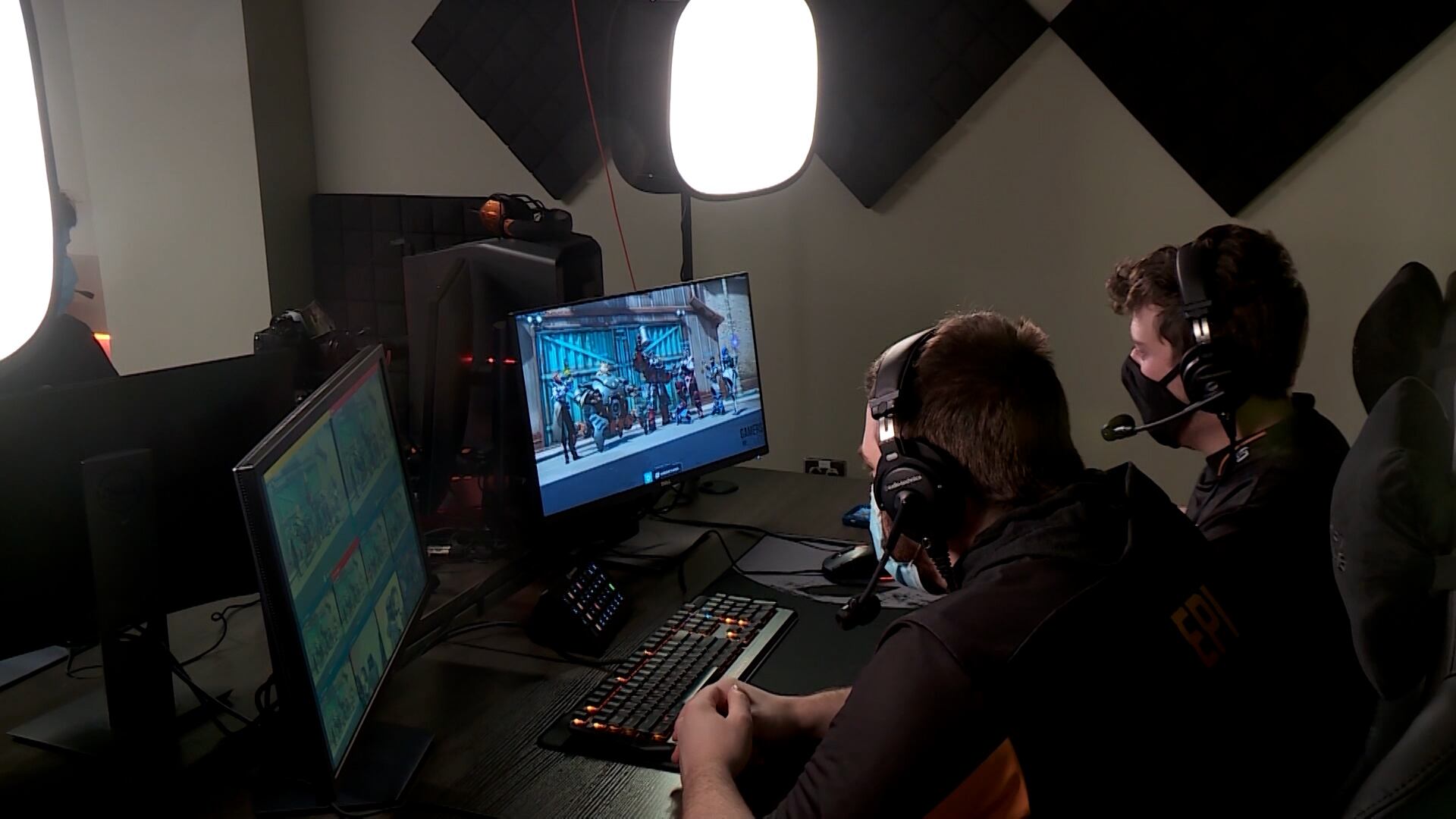
Deepwell Digital Therapeutics is a game development company looking to transform the way we look at video games — this time to improve health outcomes. Its goal is to create software to aid those who deal with conditions such as depression and ADHD. Company co-founder and co-CEO Ryan Douglas and co-founder Kate Edwards joined Cheddar News to talk about the technology is being used to help patients. "From a research perspective, the game industry itself has been well aware for many, many years of the kind of inherent, kind of anecdotal therapeutic value of playing games," said Edwards.
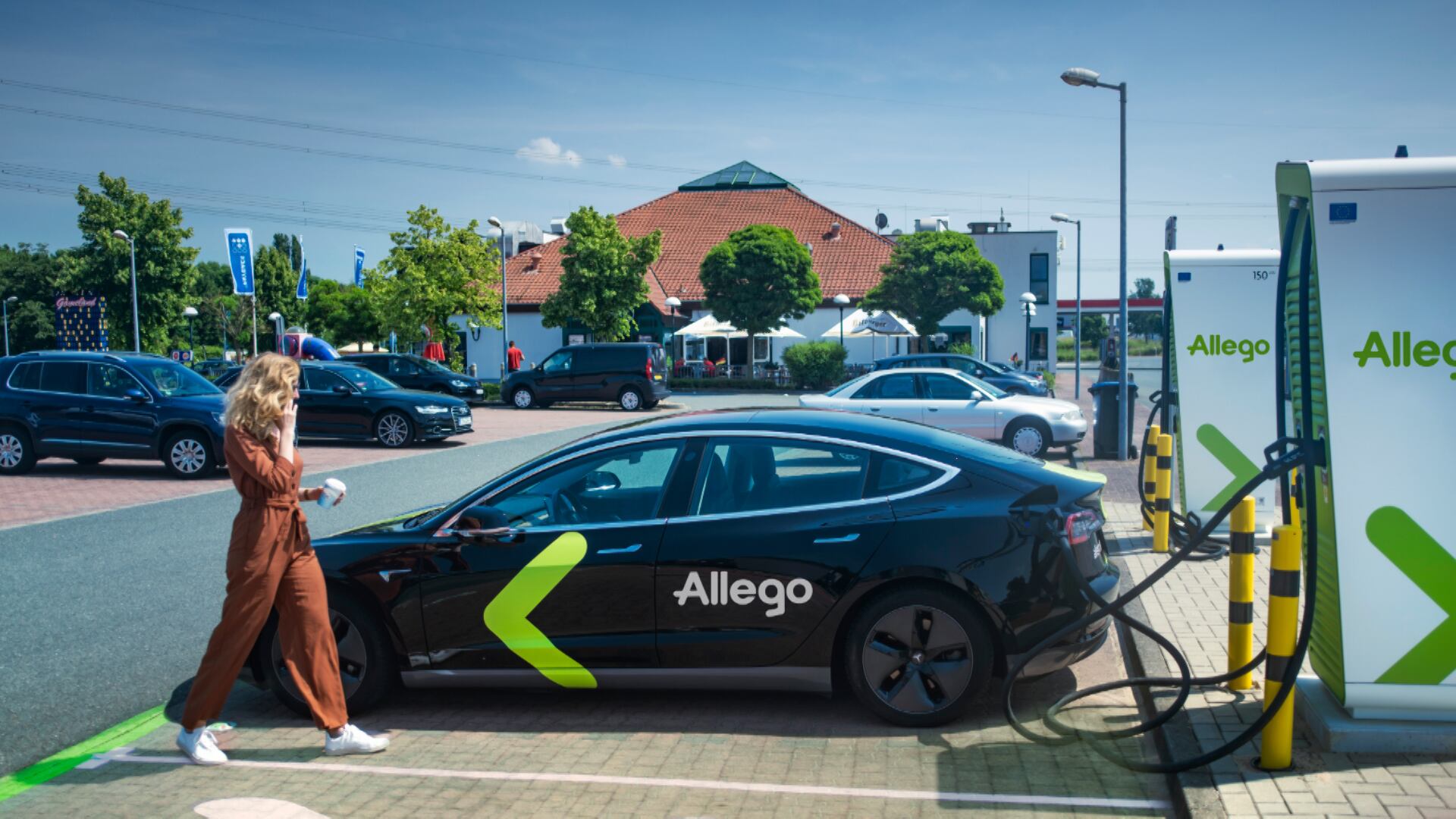
Allego, a European electric vehicle charging company, is officially public. With charging stations in 16 European countries and counting, Allego will play a strong supporting role in Europe's transition to clean energy, as its stations pull exclusively from renewable sources. Mathieu Bonnet, CEO of Allego, spoke with Cheddar's Opening Bell about its recent listing, the future of the EV industry, and what the Russia-Ukraine war means for the adoption of electric vehicles.
Neonvest is a platform connecting startups and entrepreneurs with experts in the VC space. The startup says it's in the process of raising a seed round of approximately $2.5 million from a mix of angel and institutional investors. Aakash Shah, co-founder of NeonVest, joins Cheddar News' Closing Bell to discuss.
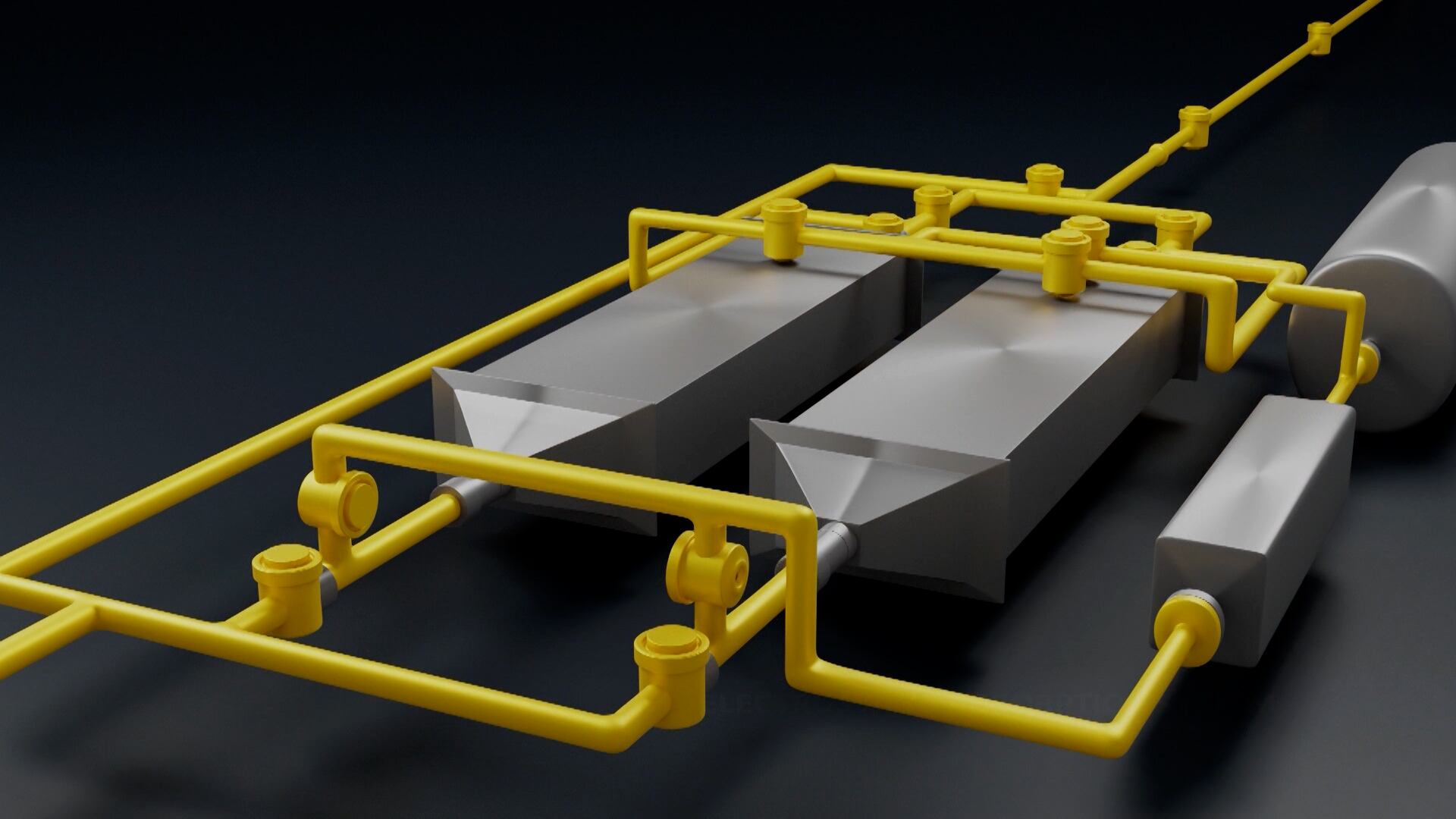
The Bill Gates-founded Breakthrough Energy company invested $80 million in Verdox Inc. to facilitate efficient, lower-cost technolog to remove carbon from the air and emission sources. CEO of Verdox, Brian Baynes, joined Cheddar News to discuss the investment, how the company's tech works, and where he sees it going. "We anticipate that with technologies like ours, we potentially can get to the scale of about a million tons per year within 5-10 years," he said. "And then ultimately we need to be doing this at the scales of billions of tons per year and ultimately about 10 billion tons per year in the year 2050."