A woman uses her phone as she passes by the ByteDance headquarters in Beijing, China, on Friday, Aug. 7, 2020. The Chinese government is complicating the U.S.-government-ordered sale of U.S. TikTok assets. China on Friday, Aug. 28, 2020 introduced export restrictions on artificial intelligence technology, seemingly including the type that TikTok uses to choose which videos to spool up to its users. That means TikTok's Chinese owner, ByteDance, would have to obtain a license to export any restricted technologies to a foreign company. (AP Photo/Ng Han Guan)
By Tali Arbel and Zen Soo
The Chinese government is complicating the U.S.-government-ordered sale of U.S. TikTok assets.
China on Friday introduced export restrictions on artificial intelligence technology, seemingly including the type that TikTok uses to choose which videos to spool up to its users. That means TikTok's Chinese owner, ByteDance, would have to obtain a license to export any restricted technologies to a foreign company.
The Trump administration has threatened to ban TikTok by mid-September and ordered ByteDance to sell its U.S. business, claiming national-security risks due to that Chinese ownership. The government worries about user data being funneled to Chinese authorities. TikTok denies it is a national-security risk and is suing to stop the administration from the threatened ban.
Prospective buyers for U.S. TikTok assets include Microsoft and Walmart and, reportedly, Oracle. Oracle has declined to comment.
On Saturday, Chinese state-owned media outlet Xinhua News Agency quoted government trade adviser and professor Cui Fan, who said that Bytedance should consider whether it should halt negotiations to sell TikTok in the U.S.
"As with any cross-border transaction, we will follow the applicable laws, which in this case include those of the U.S. and China," said ByteDance General Counsel Erich Andersen.
The Chinese government's new restrictions may be a "tactic to drive up valuation" of TikTok, said RBC Capital Markets analyst Alex Zukin, who still expects a deal announcement "relatively soon." The Wall Street Journal reported last week that ByteDance is asking for $30 billion for the U.S. operations, but has faced resistance from bidders. The Journal said in a Sunday story that deal talks had "slowed."
Microsoft and Walmart declined to comment on Monday.
White House press secretary Kayleigh McEnany, during a White House briefing, did not directly answer whether the administration would accept a sale of U.S. assets of TikTok if the deal were subject to Chinese government approval. "Negotiations are ongoing on a sale of TikTok so we are not going to get in the way of those negotiations," she said.
—
Associated Press writer Kevin Freking contributed to this report from Washington.
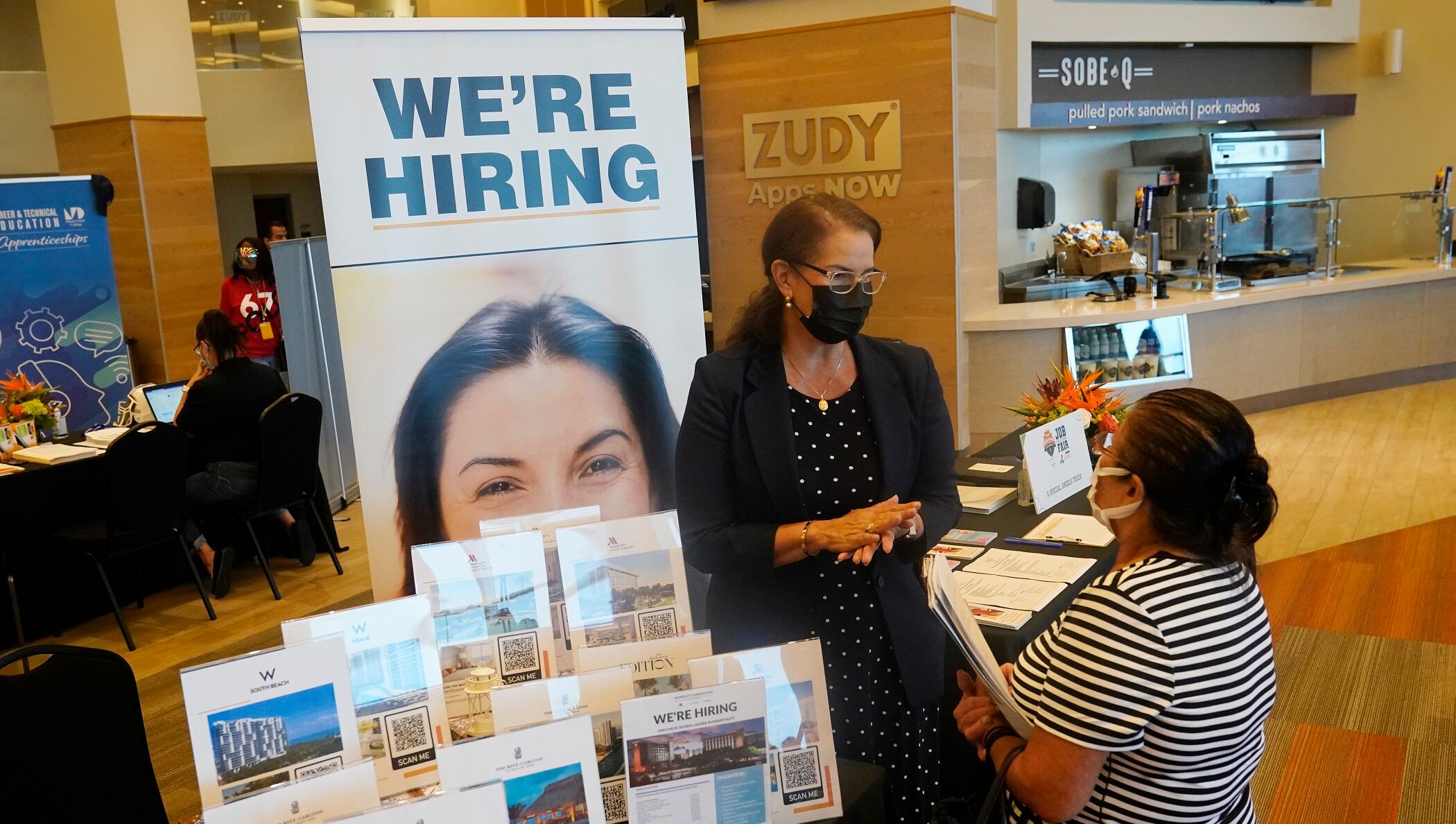
Applications for U.S. unemployment benefits rose last week, but remain near historically low levels, reflecting relatively few layoffs across the economy
Marc DeBevoise, Incoming CEO of Brightcove, talks about the company's position within the streaming space and what the overall industry needs to do to attract more enterprise clients.
As the Beijing winter Olympics start to wind down, its ratings are heading towards a historic low. An average of only 12.3 million viewers per day have tuned into NBC to watch the games, compared with about 23 million viewers for the 2018 games in South Korea. Seth Schachner, managing director of StratAmericas and digital business executive, breaks down what could be behind this trend.
As coronavirus cases decline, many people are going out again, eating at restaurants, taking long-delayed vacations, attending concerts, and more. But, despite social activities returning to normal, many companies are still working remotely. In fact, only a third of U.S. employees have returned to the office, according to Kastle Systems, which monitors building-access cards. Brian Kropp, chief of research for Gartner's HR practice, joined Cheddar's Opening Bell to discuss the state of the return-to-work debate.
Matthew Tuttle, CEO & Chief Investment Officer at Tuttle Capital, breaks down the economic factors impacting the technology sector and the future pricing power of Big Tech.
Inflation rose 7.5% percent from last January to this January, higher than expected and the fastest rate of growth in 40 years. Consumer prices were up 0.6% percent from the previous month, with increases in food, electricity, and shelter as the biggest drivers. Veronique De Rugy, senior research fellow of the Mercatus Center at George Mason University, joined Cheddar to give her biggest takeaways on the latest CPI report.
Jason Ware, Chief Investment Officer at Albion Financial Group, talks about the sectors to be affected by higher interest rates and highlights the pockets within tech that have room for growth.
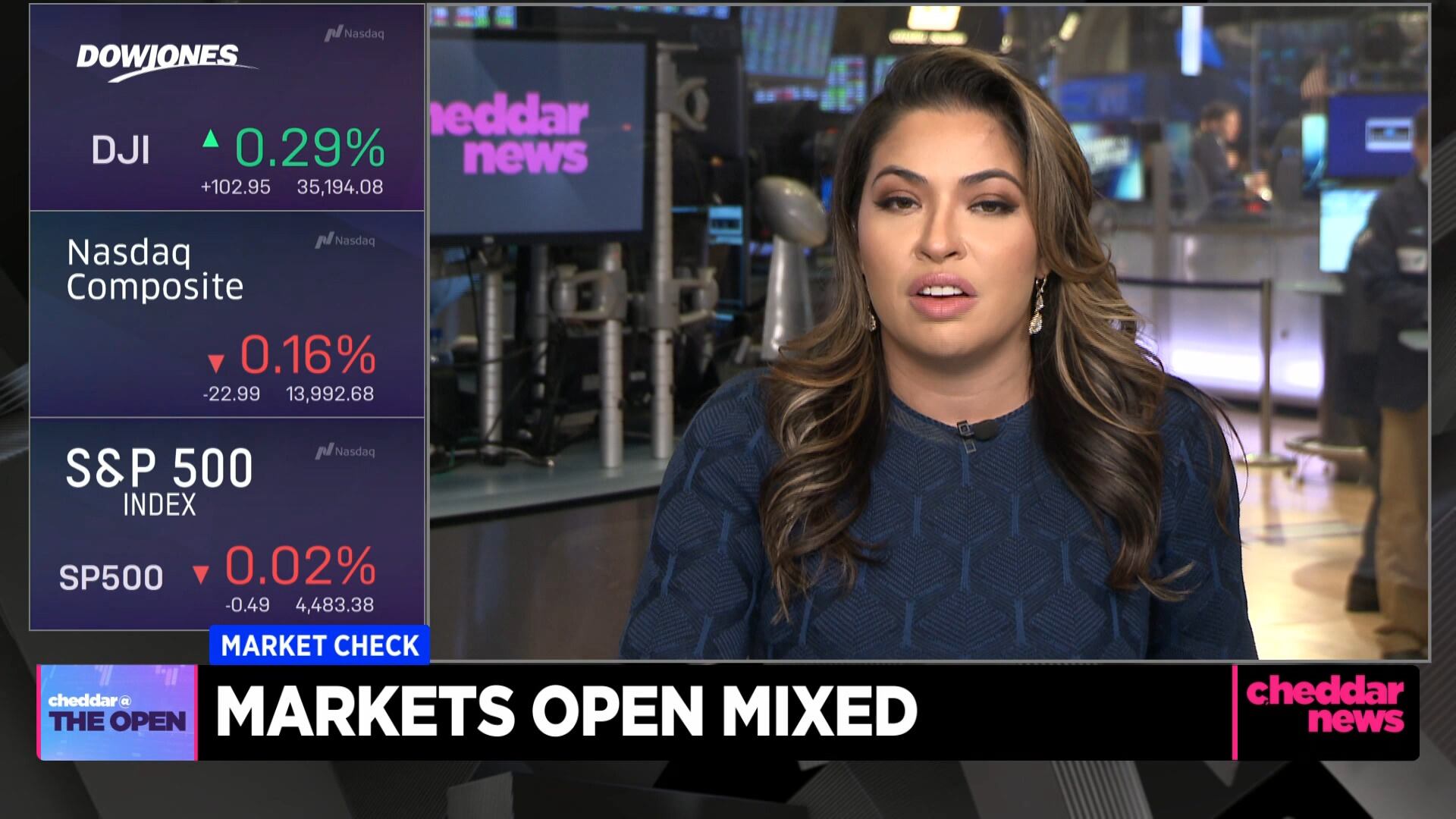
Matthew Tuttle, CEO and Chief Investment Officer at Tuttle Capital Management, talks about the geopolitical and economic uncertainty impacting market performance.
Chad Oviatt, Director of Investment Management at Huntington National Bank, breaks down the impact of the inflationary pressure on consumer sentiment and highlights areas of growth going forward.
Wholesale prices rose 9.7% year-over-year in January, yet another sign of rising inflation. This comes as inflation continues to push higher, the Fed considers hiking interest rates, and the conflict in Ukraine threatens to raise the costs of living in the U.S. even higher. John Leer, chief economist at Morning Consult joined Cheddar for more insight.