A woman uses her phone as she passes by the ByteDance headquarters in Beijing, China, on Friday, Aug. 7, 2020. The Chinese government is complicating the U.S.-government-ordered sale of U.S. TikTok assets. China on Friday, Aug. 28, 2020 introduced export restrictions on artificial intelligence technology, seemingly including the type that TikTok uses to choose which videos to spool up to its users. That means TikTok's Chinese owner, ByteDance, would have to obtain a license to export any restricted technologies to a foreign company. (AP Photo/Ng Han Guan)
By Tali Arbel and Zen Soo
The Chinese government is complicating the U.S.-government-ordered sale of U.S. TikTok assets.
China on Friday introduced export restrictions on artificial intelligence technology, seemingly including the type that TikTok uses to choose which videos to spool up to its users. That means TikTok's Chinese owner, ByteDance, would have to obtain a license to export any restricted technologies to a foreign company.
The Trump administration has threatened to ban TikTok by mid-September and ordered ByteDance to sell its U.S. business, claiming national-security risks due to that Chinese ownership. The government worries about user data being funneled to Chinese authorities. TikTok denies it is a national-security risk and is suing to stop the administration from the threatened ban.
Prospective buyers for U.S. TikTok assets include Microsoft and Walmart and, reportedly, Oracle. Oracle has declined to comment.
On Saturday, Chinese state-owned media outlet Xinhua News Agency quoted government trade adviser and professor Cui Fan, who said that Bytedance should consider whether it should halt negotiations to sell TikTok in the U.S.
"As with any cross-border transaction, we will follow the applicable laws, which in this case include those of the U.S. and China," said ByteDance General Counsel Erich Andersen.
The Chinese government's new restrictions may be a "tactic to drive up valuation" of TikTok, said RBC Capital Markets analyst Alex Zukin, who still expects a deal announcement "relatively soon." The Wall Street Journal reported last week that ByteDance is asking for $30 billion for the U.S. operations, but has faced resistance from bidders. The Journal said in a Sunday story that deal talks had "slowed."
Microsoft and Walmart declined to comment on Monday.
White House press secretary Kayleigh McEnany, during a White House briefing, did not directly answer whether the administration would accept a sale of U.S. assets of TikTok if the deal were subject to Chinese government approval. "Negotiations are ongoing on a sale of TikTok so we are not going to get in the way of those negotiations," she said.
—
Associated Press writer Kevin Freking contributed to this report from Washington.
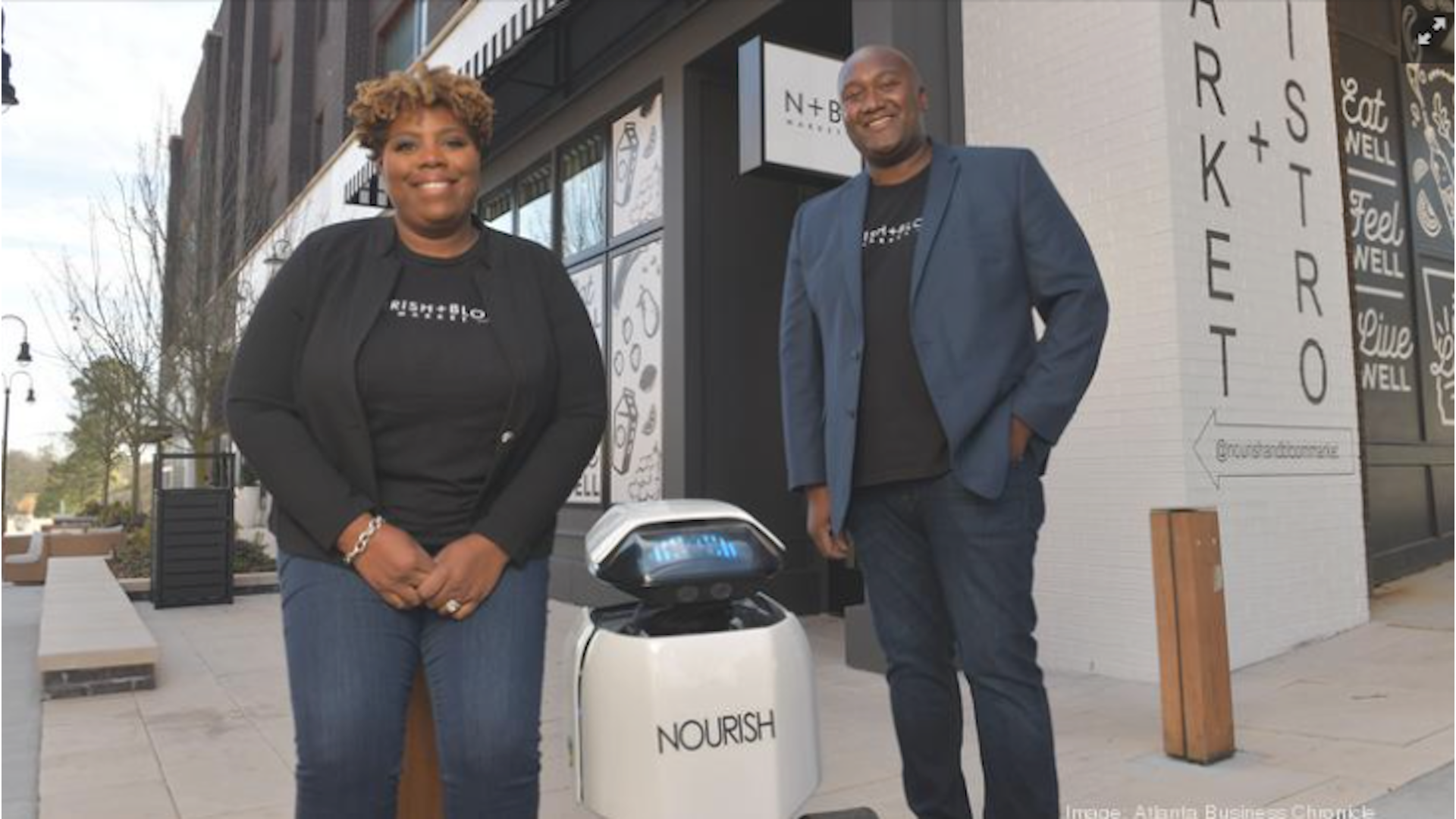
Jamie Hemmings and Jilea Hemmings, owners and founders of Nourish + Bloom Market, join Cheddar News to talk about the inspiration behind creating their cashierless grocery store.
Bartholomew Jones and Renata Henderson, co-owners of Cxffeeblack, join Cheddar News to discuss how they are merging Black culture with coffee in Memphis.
Abigail Pringle serves as president, international and chief development officer at Wendy’s. She joins Cheddar News to discuss the company's Q4 earnings and its diversity initiative for franchise owners.
While crypto exchanges have been used to aid Ukraine amid the Russian invasion, critics point to possible sanction evasion on the Russian side using the same technology. Cheddar's Alex Vuocolo takes a closer look.
Airbnb.org has announced that it will provide up to 100,000 Ukrainian refugees with free housing. Airbnb.org is the philanthropic branch of Airbnb that provides free housing for those affected by disasters. Joe Gebbia, co-founder and chairman of Airbnb.org, joined Cheddar News to talk about how the company has helped thousands find shelter in times of crisis. "A lot of people are saying this conflict is likely to be the largest humanitarian crisis since World War II, and I believe Airbnb believes that companies have a responsibility to step up and to help out in times like these," he said.
The International Energy Agency’s 31 member countries have agreed to release 60 million barrels of oil from their strategic reserves “to send a strong message to oil markets” that supplies won’t fall short after the Russian invasion of Ukraine.
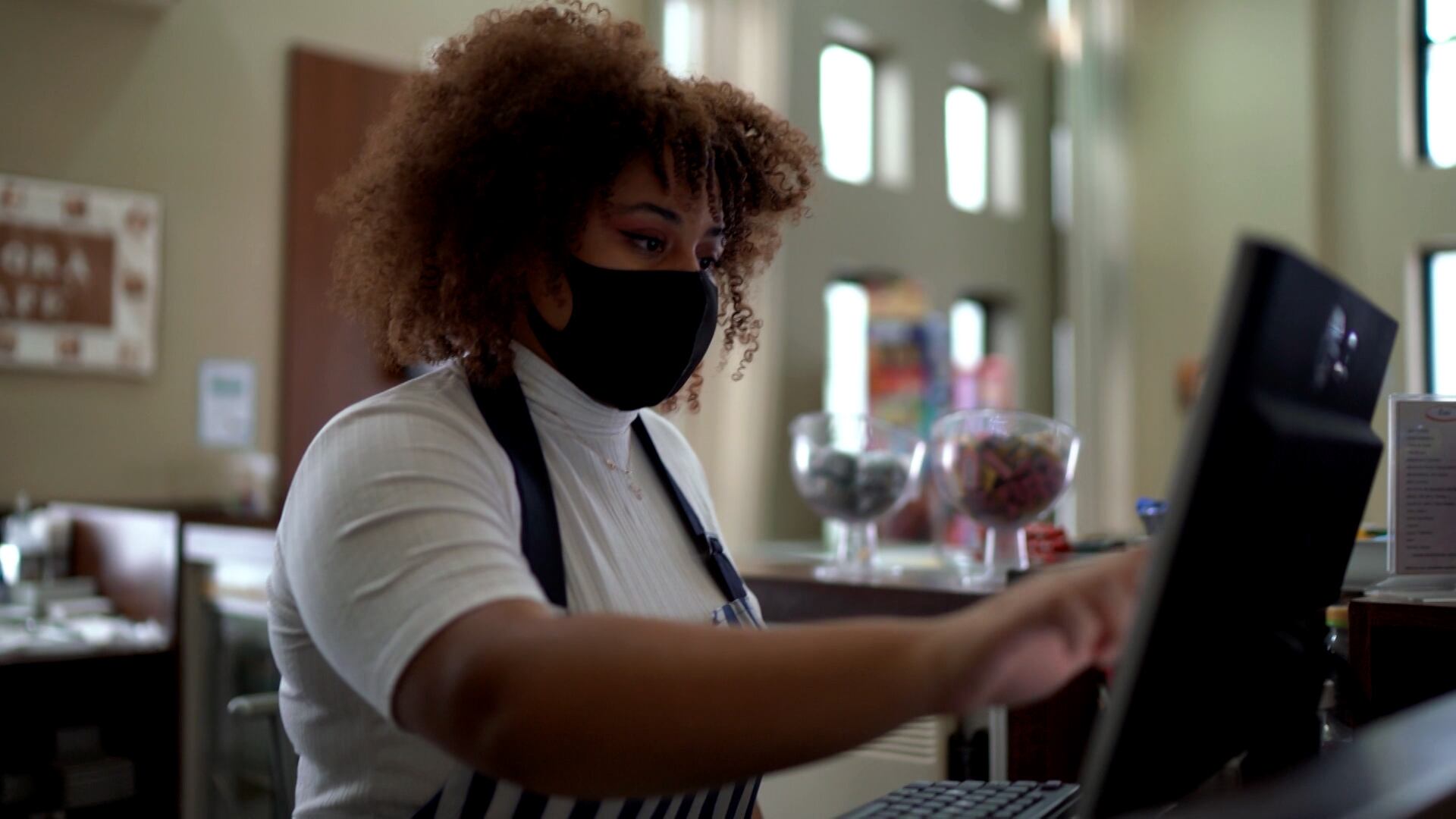
As companies struggle to recruit and retain employees, major retailers are raising wages. According to Atlanta Federal Reserve Bank data, the country's youngest workers are seeing the fastest wage growth of any group, even outpacing inflation. Daniel Altman, chief economist at staffing firm Instawork, breaks down the impact of inflation on the labor market, the power shift from employer to employee, and how the Russia-Ukraine crisis might impact jobs and salaries moving forward. "There's a feeling that the wage increases have been postponed for quite a long time and with prices going up, there's just a little more urgency right now," he said.