A woman uses her phone as she passes by the ByteDance headquarters in Beijing, China, on Friday, Aug. 7, 2020. The Chinese government is complicating the U.S.-government-ordered sale of U.S. TikTok assets. China on Friday, Aug. 28, 2020 introduced export restrictions on artificial intelligence technology, seemingly including the type that TikTok uses to choose which videos to spool up to its users. That means TikTok's Chinese owner, ByteDance, would have to obtain a license to export any restricted technologies to a foreign company. (AP Photo/Ng Han Guan)
By Tali Arbel and Zen Soo
The Chinese government is complicating the U.S.-government-ordered sale of U.S. TikTok assets.
China on Friday introduced export restrictions on artificial intelligence technology, seemingly including the type that TikTok uses to choose which videos to spool up to its users. That means TikTok's Chinese owner, ByteDance, would have to obtain a license to export any restricted technologies to a foreign company.
The Trump administration has threatened to ban TikTok by mid-September and ordered ByteDance to sell its U.S. business, claiming national-security risks due to that Chinese ownership. The government worries about user data being funneled to Chinese authorities. TikTok denies it is a national-security risk and is suing to stop the administration from the threatened ban.
Prospective buyers for U.S. TikTok assets include Microsoft and Walmart and, reportedly, Oracle. Oracle has declined to comment.
On Saturday, Chinese state-owned media outlet Xinhua News Agency quoted government trade adviser and professor Cui Fan, who said that Bytedance should consider whether it should halt negotiations to sell TikTok in the U.S.
"As with any cross-border transaction, we will follow the applicable laws, which in this case include those of the U.S. and China," said ByteDance General Counsel Erich Andersen.
The Chinese government's new restrictions may be a "tactic to drive up valuation" of TikTok, said RBC Capital Markets analyst Alex Zukin, who still expects a deal announcement "relatively soon." The Wall Street Journal reported last week that ByteDance is asking for $30 billion for the U.S. operations, but has faced resistance from bidders. The Journal said in a Sunday story that deal talks had "slowed."
Microsoft and Walmart declined to comment on Monday.
White House press secretary Kayleigh McEnany, during a White House briefing, did not directly answer whether the administration would accept a sale of U.S. assets of TikTok if the deal were subject to Chinese government approval. "Negotiations are ongoing on a sale of TikTok so we are not going to get in the way of those negotiations," she said.
—
Associated Press writer Kevin Freking contributed to this report from Washington.
ZipRecruiter reported revenue growth for the fourth quarter of 2021 and raised its forecast for the coming year, beating Wall Street expectations. The recruitment site has benefited from one of the tightest labor markets in history as companies desperately try to fill empty positions. Ian Siegel, CEO of ZipRecruiter, joined Cheddar to discuss how the company has adapted to The Great Resignation, a tight labor market, and record inflation.
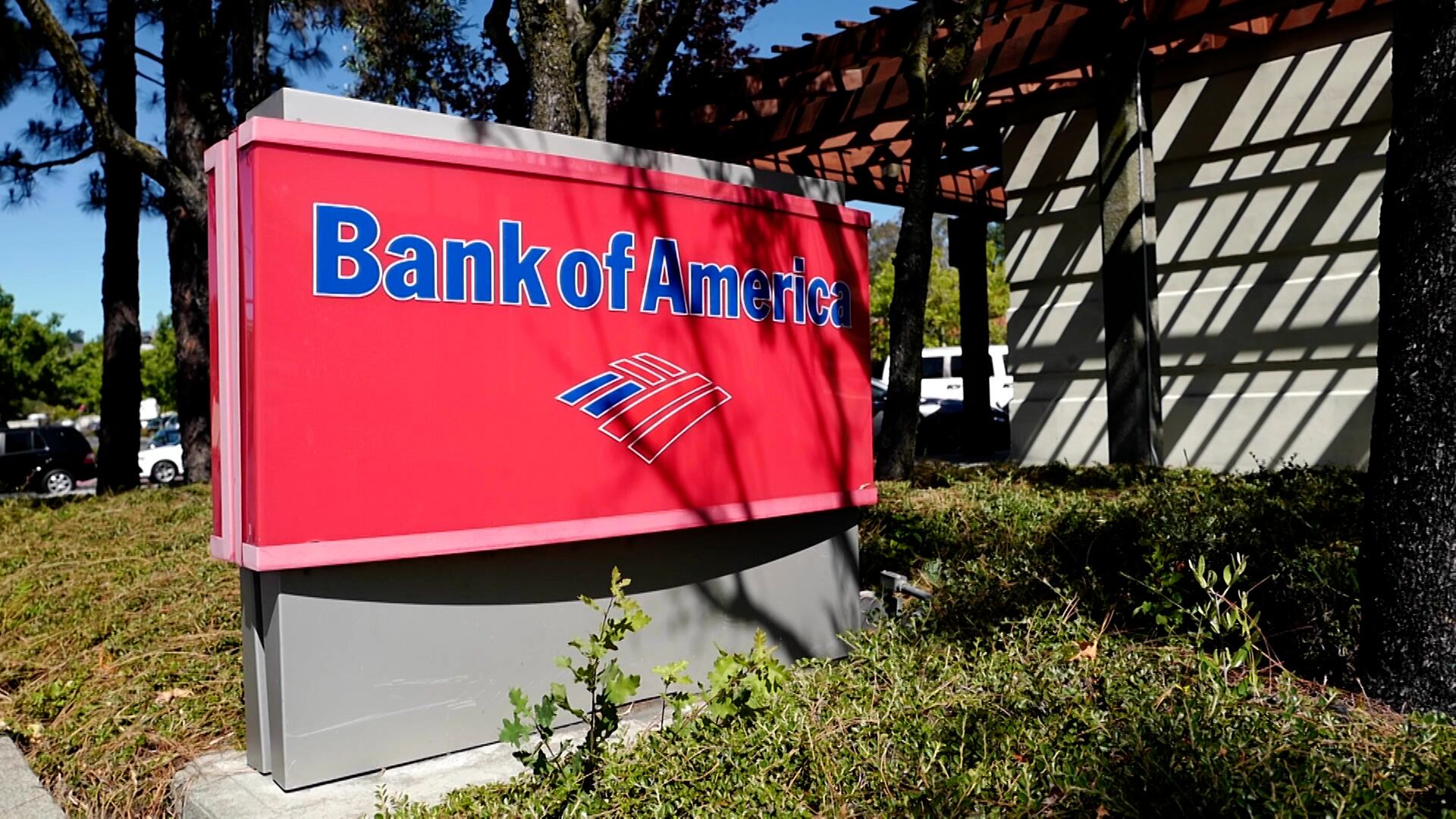
Bank of America is officially the first financial institution to be certified by J.D. Power for financial health support. The data analytics and consumer intelligence company evaluated Bank of America and other financial institutions through a rigorous process that involved reviewing nearly 100 best practices, and Bank of America is the first in the industry to receive it. Holly O'Neill, President of Retail Banking at Bank of America, joined Cheddar to talk more about this certification, what it means, and how to get started on the path to financial health.
Ford is looking to charge its electric business forward -- splitting its EVs and legacy internal combustion engine models into separate units. Ford says the split will streamline its EV business and boost profits, while giving it a better competitive edge. Ford's new EV focused business will be called Ford Model e. Greg Martin, Co-Founder, Rainmaker Securities joined Cheddar's Opening Bell to discuss.
Markets opened higher on Thursday despite ongoing uncertainty amid the Russia-Ukraine conflict. John Petrides, Portfolio Manager, Tocqueville Asset Management joined Cheddar's Opening Bell to discuss early market activity.
Thomas Hayes, Chairman & Managing Member of
Great Hill Capital, talks about the impact rising oil prices are having on airlines and outlines how investors can navigate geopolitical uncertainty.
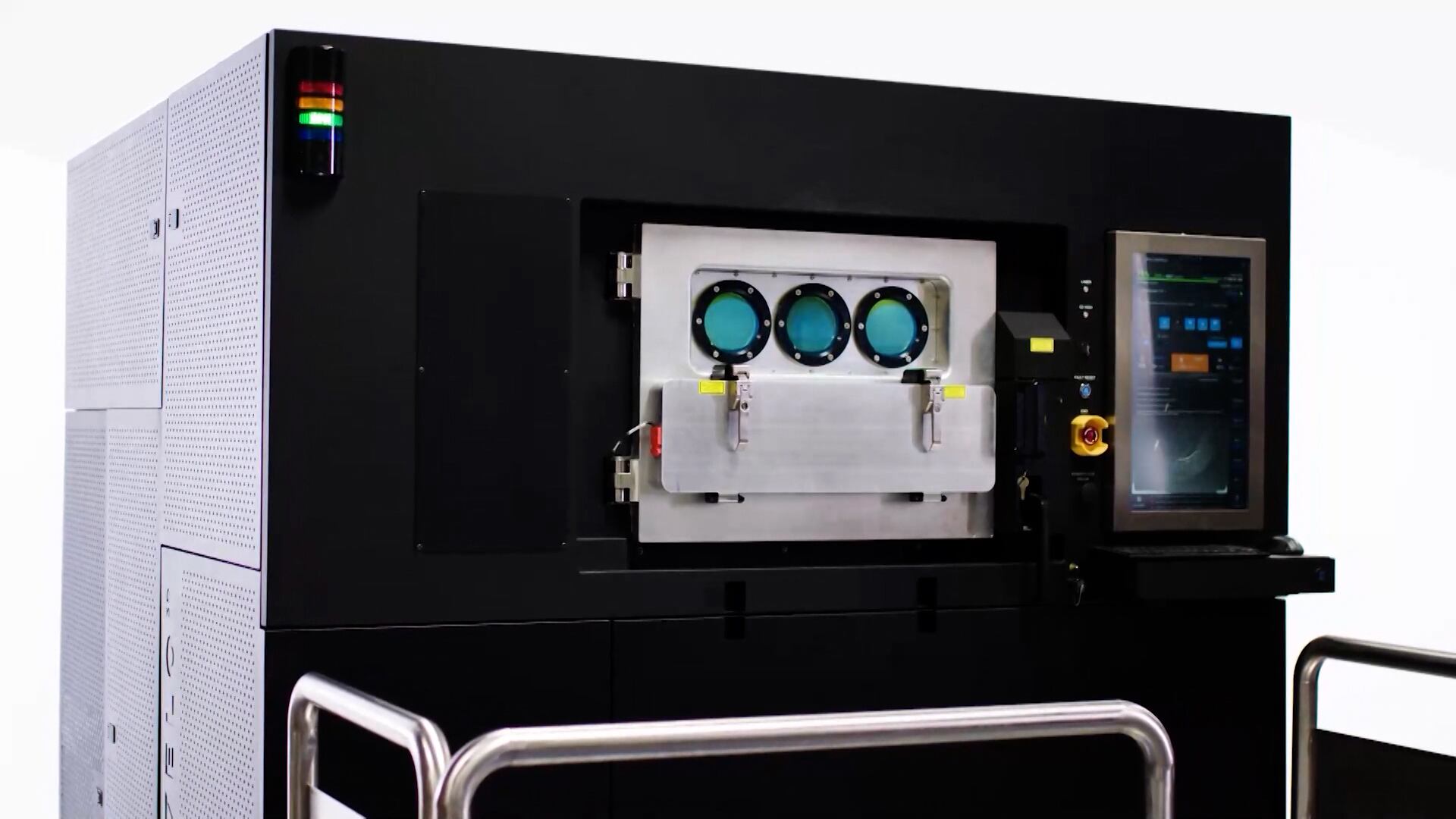
Velo3d, a company that provides metal 3D printed parts for companies such as SpaceX, reported a boost in Q4 revenue quarter over quarter. Founder and CEO Benny Buller, joined Cheddar News to discuss the earnings and the foundation of the company's current success. "The whole space sector is about 25 percent of our business. We have a lot of business in aviation, in power generation, in energy, and in semiconductors. I would say that the big jump in our revenue is related to the release of our Sapphire XC, which is a scale-up product reducing costs by about three times compared to the first Sapphire machines," he said. "This allows customers to dramatically reduce costs as well as make much bigger parts."