A woman uses her phone as she passes by the ByteDance headquarters in Beijing, China, on Friday, Aug. 7, 2020. The Chinese government is complicating the U.S.-government-ordered sale of U.S. TikTok assets. China on Friday, Aug. 28, 2020 introduced export restrictions on artificial intelligence technology, seemingly including the type that TikTok uses to choose which videos to spool up to its users. That means TikTok's Chinese owner, ByteDance, would have to obtain a license to export any restricted technologies to a foreign company. (AP Photo/Ng Han Guan)
By Tali Arbel and Zen Soo
The Chinese government is complicating the U.S.-government-ordered sale of U.S. TikTok assets.
China on Friday introduced export restrictions on artificial intelligence technology, seemingly including the type that TikTok uses to choose which videos to spool up to its users. That means TikTok's Chinese owner, ByteDance, would have to obtain a license to export any restricted technologies to a foreign company.
The Trump administration has threatened to ban TikTok by mid-September and ordered ByteDance to sell its U.S. business, claiming national-security risks due to that Chinese ownership. The government worries about user data being funneled to Chinese authorities. TikTok denies it is a national-security risk and is suing to stop the administration from the threatened ban.
Prospective buyers for U.S. TikTok assets include Microsoft and Walmart and, reportedly, Oracle. Oracle has declined to comment.
On Saturday, Chinese state-owned media outlet Xinhua News Agency quoted government trade adviser and professor Cui Fan, who said that Bytedance should consider whether it should halt negotiations to sell TikTok in the U.S.
"As with any cross-border transaction, we will follow the applicable laws, which in this case include those of the U.S. and China," said ByteDance General Counsel Erich Andersen.
The Chinese government's new restrictions may be a "tactic to drive up valuation" of TikTok, said RBC Capital Markets analyst Alex Zukin, who still expects a deal announcement "relatively soon." The Wall Street Journal reported last week that ByteDance is asking for $30 billion for the U.S. operations, but has faced resistance from bidders. The Journal said in a Sunday story that deal talks had "slowed."
Microsoft and Walmart declined to comment on Monday.
White House press secretary Kayleigh McEnany, during a White House briefing, did not directly answer whether the administration would accept a sale of U.S. assets of TikTok if the deal were subject to Chinese government approval. "Negotiations are ongoing on a sale of TikTok so we are not going to get in the way of those negotiations," she said.
—
Associated Press writer Kevin Freking contributed to this report from Washington.
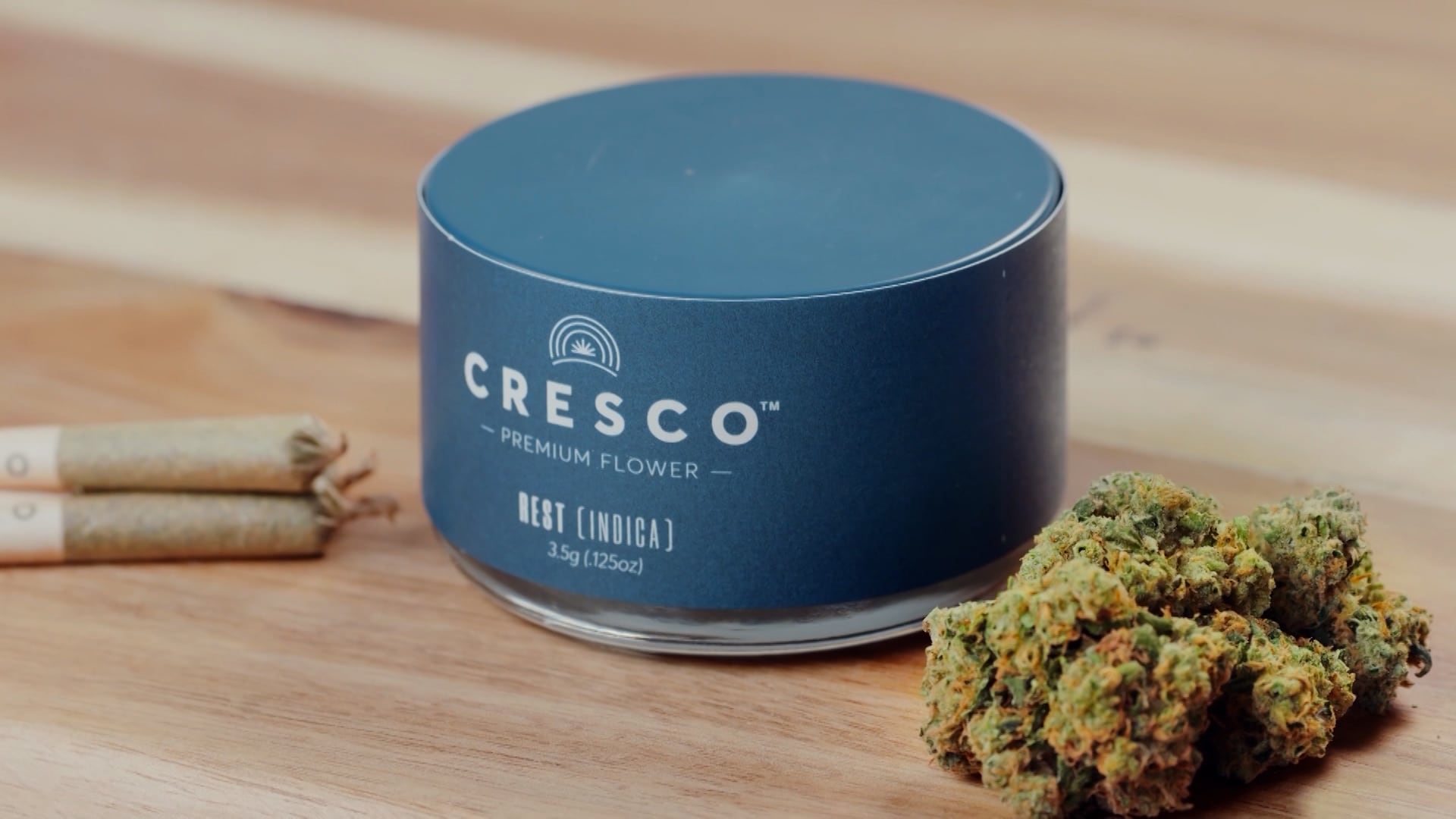
Cannabis producer Cresco Labs is acquiring rival Columbia Care in a $2 billion all-stock deal, creating the largest U.S. cannabis company by sales. The deal, which is expected to close in the fourth quarter of 2022, is one of the biggest in the industry's history and would make Cresco the dominant player in a market projected to reach $46 billion in revenue by 2026. Charlie Bachtell, CEO of Cresco Labs, joins Cheddar News' Closing Bell to discuss.
Sean O'Hara, President of Pacer ETF's, explains why investors who were down after Jerome Powell's remarks on inflation Monday were more optimistic on Tuesday as the major indexes ended the day near session highs.
Sports betting has boomed over the past year; but at the same time, sports betting stocks have not been so hot. Now, some sports betting brands are starting to rethink how to spend their money, especially when it comes to ads. It will come after online sports betting brands spent more than $320 million on advertising in 2021, up 38% from 2020, per MediaRadar. Brendan Coffey, sports finance reporter for Sportico, joins Cheddar News' Closing Bell to discuss.
Kelly Rodriques, CEO of Forge Global, joined Cheddar News to discuss the company's public debut on the NYSE, and the company's mission of providing users access to private market trading.
Rowing-machine maker, Hydrow, raised $55 million in Series D funding round, led by Constitution Capital. Hyrdow offers a connected rowing machine that costs $2,495. The company's funding round comes as the at-home fitness industry is facing some challenges, due to many consumers returning to gyms after working out at home during the pandemic. Bruce Smith, founder & CEO of Hydrow, joined Cheddar News' Closing Bell to discuss.
Sam Thapaliya, Founder of Zebec, explains the two major problems associated with paying public figures in crypto, and how his firm is best-suited to help facilitate payments within the growing industry.
Wes Fulford, CEO of Viridi Funds, breaks down how several key headlines, include President Biden's executive order on crypto and rising inflation, are impacting the price of major cryptocurrencies during a volatile period.
Aviation expert Sally Gethin joined Cheddar News' Closing Bell to discuss the latest on the crash of a Boeing 737-800 NG in China, as investigators look for a reason for the sudden nosedive, and search for any sign of the 132 passengers onboard.