A woman uses her phone as she passes by the ByteDance headquarters in Beijing, China, on Friday, Aug. 7, 2020. The Chinese government is complicating the U.S.-government-ordered sale of U.S. TikTok assets. China on Friday, Aug. 28, 2020 introduced export restrictions on artificial intelligence technology, seemingly including the type that TikTok uses to choose which videos to spool up to its users. That means TikTok's Chinese owner, ByteDance, would have to obtain a license to export any restricted technologies to a foreign company. (AP Photo/Ng Han Guan)
By Tali Arbel and Zen Soo
The Chinese government is complicating the U.S.-government-ordered sale of U.S. TikTok assets.
China on Friday introduced export restrictions on artificial intelligence technology, seemingly including the type that TikTok uses to choose which videos to spool up to its users. That means TikTok's Chinese owner, ByteDance, would have to obtain a license to export any restricted technologies to a foreign company.
The Trump administration has threatened to ban TikTok by mid-September and ordered ByteDance to sell its U.S. business, claiming national-security risks due to that Chinese ownership. The government worries about user data being funneled to Chinese authorities. TikTok denies it is a national-security risk and is suing to stop the administration from the threatened ban.
Prospective buyers for U.S. TikTok assets include Microsoft and Walmart and, reportedly, Oracle. Oracle has declined to comment.
On Saturday, Chinese state-owned media outlet Xinhua News Agency quoted government trade adviser and professor Cui Fan, who said that Bytedance should consider whether it should halt negotiations to sell TikTok in the U.S.
"As with any cross-border transaction, we will follow the applicable laws, which in this case include those of the U.S. and China," said ByteDance General Counsel Erich Andersen.
The Chinese government's new restrictions may be a "tactic to drive up valuation" of TikTok, said RBC Capital Markets analyst Alex Zukin, who still expects a deal announcement "relatively soon." The Wall Street Journal reported last week that ByteDance is asking for $30 billion for the U.S. operations, but has faced resistance from bidders. The Journal said in a Sunday story that deal talks had "slowed."
Microsoft and Walmart declined to comment on Monday.
White House press secretary Kayleigh McEnany, during a White House briefing, did not directly answer whether the administration would accept a sale of U.S. assets of TikTok if the deal were subject to Chinese government approval. "Negotiations are ongoing on a sale of TikTok so we are not going to get in the way of those negotiations," she said.
—
Associated Press writer Kevin Freking contributed to this report from Washington.
Michelle Benvenuto, Executive Director of Winegrowers of Napa County, talks about the challenges winegrowers are having this season and discusses the battle over expanding vineyards in Napa County.
Digitally native stores like Allbirds and Everlane are beginning to target the suburbs as they look to expand their physical retail locations. It comes as reports show that a large portion of shoppers prefer to make their purchases in store. A new Deloitte report shows that 55 percent of shoppers who began their product search online, ended up making their purchase in store. Nikki Baird, VP of Strategy at Aptos, joined Cheddar's Opening Bell to discuss.
Russia has defaulted on some of its foreign debt as a tidal wave of western sanctions threatens its economy. The credit ratings agency S&P has placed Russia under "selective default" after it tried to pay its latest obligations in rubles. Russia now has a 30-day grace period to resolve the issue, but Moscow is threatening to take legal action. George Seay, Annandale Capital's CEO, joined Cheddar to break down what this means, and how Russia defaulting on its debt might impact the global economy.
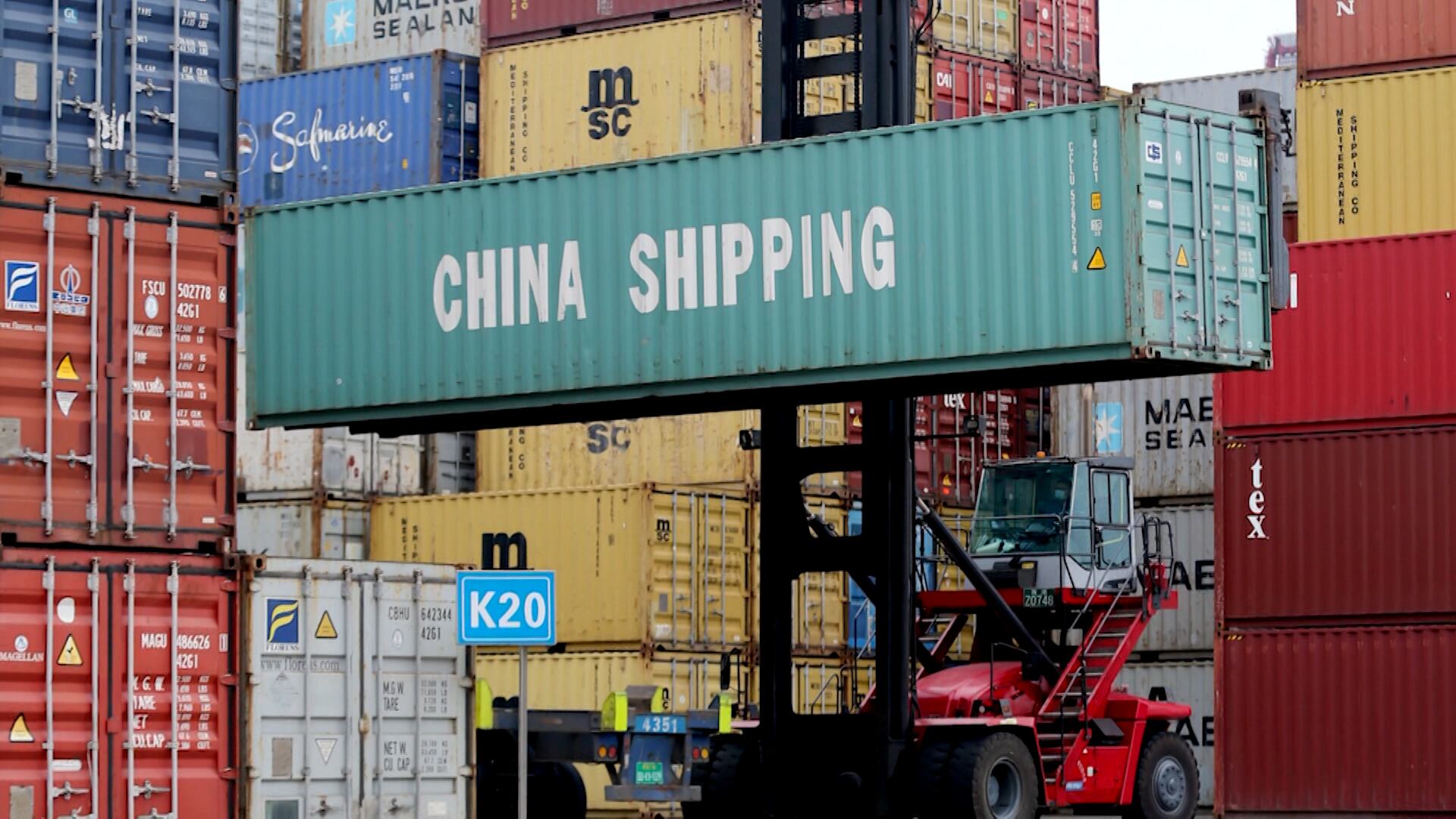
China's zero-covid policy may pose a wide-ranging threat to the local, and overseas economy. Analysts voicing concern on the strict lockdown in Shanghai as businesses and ports remain shuttered, potentially threatening the global supply chain. Shehzad H. Qazi, Managing Director, China Beige Book International joined Cheddar's Opening Bell to discuss.
The consumer price index in March rose by 8.5% from a year ago, the fastest annual gain since December 1981 and one-tenth of a percentage point above the estimate. The rise in prices is driven by strong consumer demand, supply-chain disruptions and skyrocketing energy costs related to Russia's invasion of Ukraine. Heather Boushey, Council of Economic Advisers Member for President Biden, joined Cheddar's Opening Bell to give her reaction to the latest inflation numbers.
As China faces backlash from its response to Russia's invasion of Ukraine, the U.S. is strengthening its relationship with India. India is expected to become one of the top three economic powers in the world over the next 10 to 15 years, bolstered by technological advances and the manufacturing sector. Samir Kapadia, CEO and Principal of The Vogel Group, joined Cheddar to discuss the state of India's economy, and how it can only grow from here.
Americans racked up the most monthly consumer debt in over a decade in February. According to a report from the Fed, consumer debt rose by nearly $42 billion, an annual increase of roughly 11%, far outpacing expectations. Rebecca Walser, President of Walser Wealth Management. Rebecca, joined Cheddar's Opening Bell to break down this data, and discuss how this could impact the consumer moving forward.
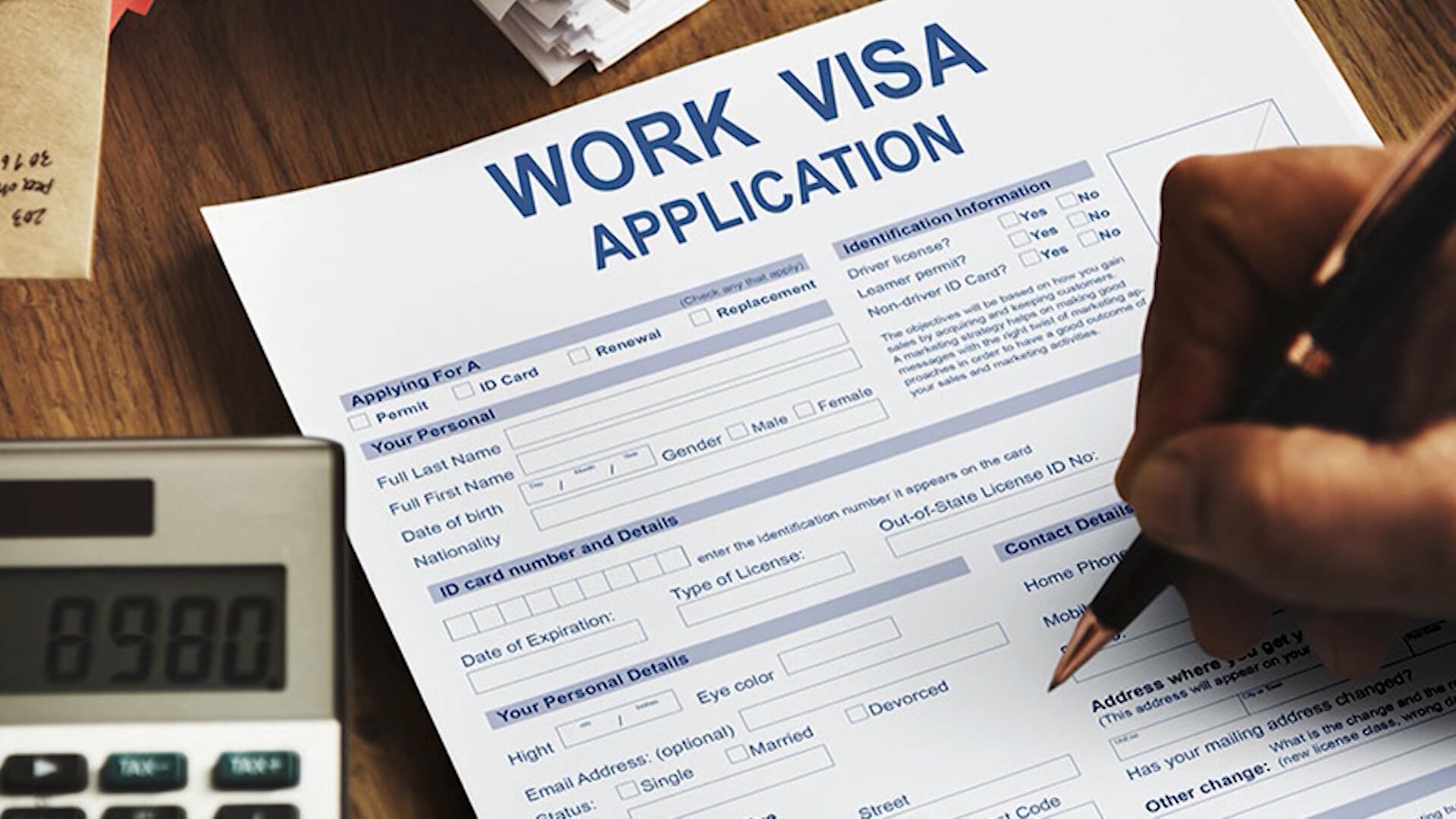
Ali Noorani, President & CEO of National Immigration Forum and Host of 'Only in America' Podcast, discusses the challenges in the labor market and the steps needed to streamline immigration in order to fill open positions.
The Dallas Cowboys have joined forces with cryptocurrency platform Blockchain.com as the NFL loosens restrictions on teams making such deals. The partnership won't open the door for crypto use at AT&T stadium but will provide for some exclusive fan experiences.
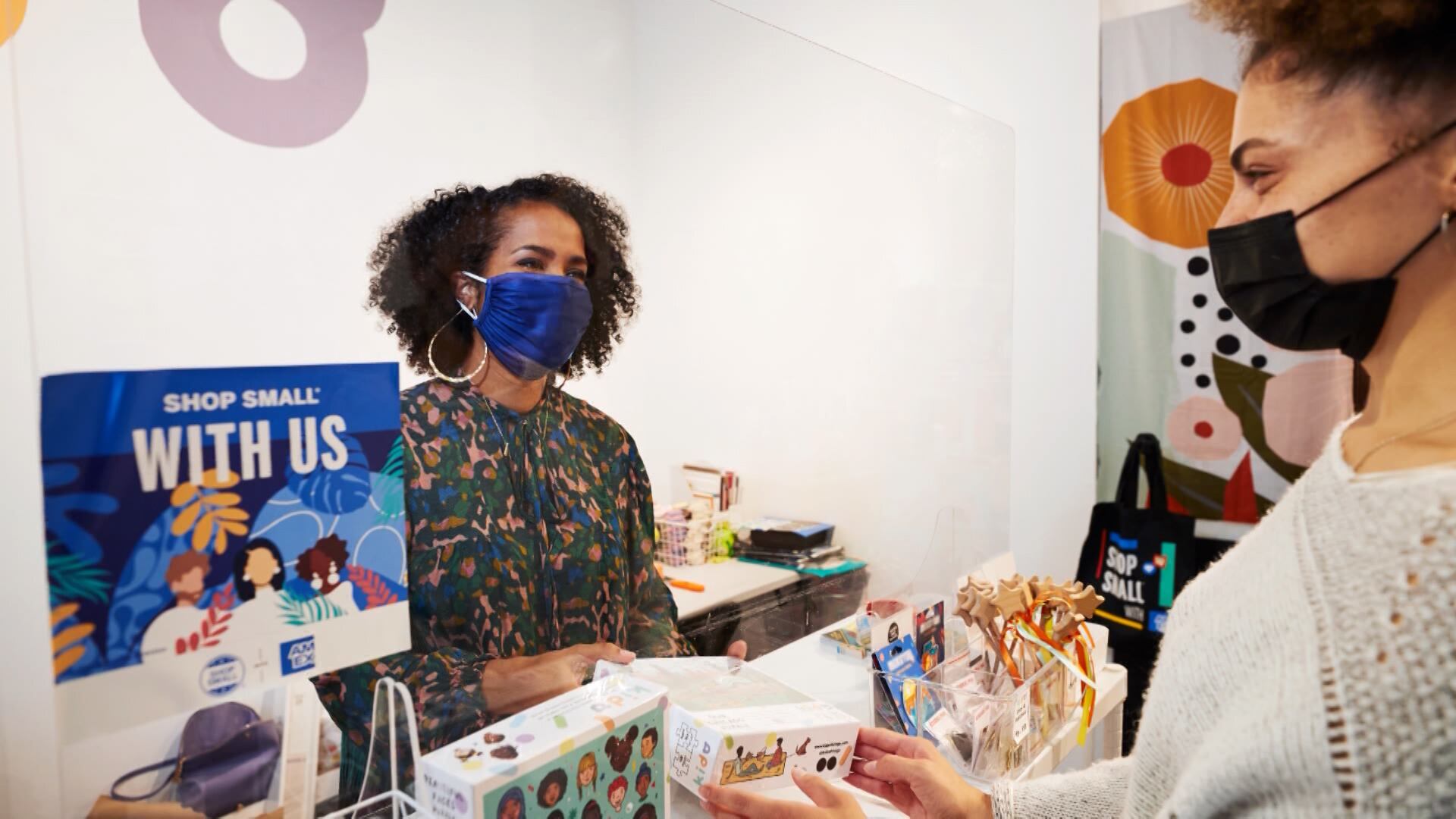
With the Federal Reserve looking to accelerate interest rate increases throughout the year, Andrew Gonzales, president, and co-founder of BusinessLoans.com, joined Cheddar News to talk about ways small businesses, already afflicted by high inflation and recovery from the pandemic, can get ahead of the curve and take action. Gonzalez stated that companies should invest in technology to manage daily tasks, in marketing with an emphasis on customer retention, and goods purchased in bulk. "So you'll know exactly what you'll be paying and you won't be caught off guard when, when rates do continue to rise," he explained.