A woman uses her phone as she passes by the ByteDance headquarters in Beijing, China, on Friday, Aug. 7, 2020. The Chinese government is complicating the U.S.-government-ordered sale of U.S. TikTok assets. China on Friday, Aug. 28, 2020 introduced export restrictions on artificial intelligence technology, seemingly including the type that TikTok uses to choose which videos to spool up to its users. That means TikTok's Chinese owner, ByteDance, would have to obtain a license to export any restricted technologies to a foreign company. (AP Photo/Ng Han Guan)
By Tali Arbel and Zen Soo
The Chinese government is complicating the U.S.-government-ordered sale of U.S. TikTok assets.
China on Friday introduced export restrictions on artificial intelligence technology, seemingly including the type that TikTok uses to choose which videos to spool up to its users. That means TikTok's Chinese owner, ByteDance, would have to obtain a license to export any restricted technologies to a foreign company.
The Trump administration has threatened to ban TikTok by mid-September and ordered ByteDance to sell its U.S. business, claiming national-security risks due to that Chinese ownership. The government worries about user data being funneled to Chinese authorities. TikTok denies it is a national-security risk and is suing to stop the administration from the threatened ban.
Prospective buyers for U.S. TikTok assets include Microsoft and Walmart and, reportedly, Oracle. Oracle has declined to comment.
On Saturday, Chinese state-owned media outlet Xinhua News Agency quoted government trade adviser and professor Cui Fan, who said that Bytedance should consider whether it should halt negotiations to sell TikTok in the U.S.
"As with any cross-border transaction, we will follow the applicable laws, which in this case include those of the U.S. and China," said ByteDance General Counsel Erich Andersen.
The Chinese government's new restrictions may be a "tactic to drive up valuation" of TikTok, said RBC Capital Markets analyst Alex Zukin, who still expects a deal announcement "relatively soon." The Wall Street Journal reported last week that ByteDance is asking for $30 billion for the U.S. operations, but has faced resistance from bidders. The Journal said in a Sunday story that deal talks had "slowed."
Microsoft and Walmart declined to comment on Monday.
White House press secretary Kayleigh McEnany, during a White House briefing, did not directly answer whether the administration would accept a sale of U.S. assets of TikTok if the deal were subject to Chinese government approval. "Negotiations are ongoing on a sale of TikTok so we are not going to get in the way of those negotiations," she said.
—
Associated Press writer Kevin Freking contributed to this report from Washington.
Everyone is searching for that social media moment, whether it’s filming a viral dance for TikTok or snapping a selfie for your Instagram Story. Cheddar News explores the activities made for the online world, including streaming companies creating real-life experiences to entice you to stay subscribed, TikTok taking the stage with its first theatrical production, and how one immersive experience made out of candy encourages you to revisit your childhood.
Join Cheddar News as we break down the top headlines for Thursday, May 26 including updates on the Texas school shooting, President Joe Biden's executive order on police reform, and a recount in the Pennsylvania GOP Senate primary.
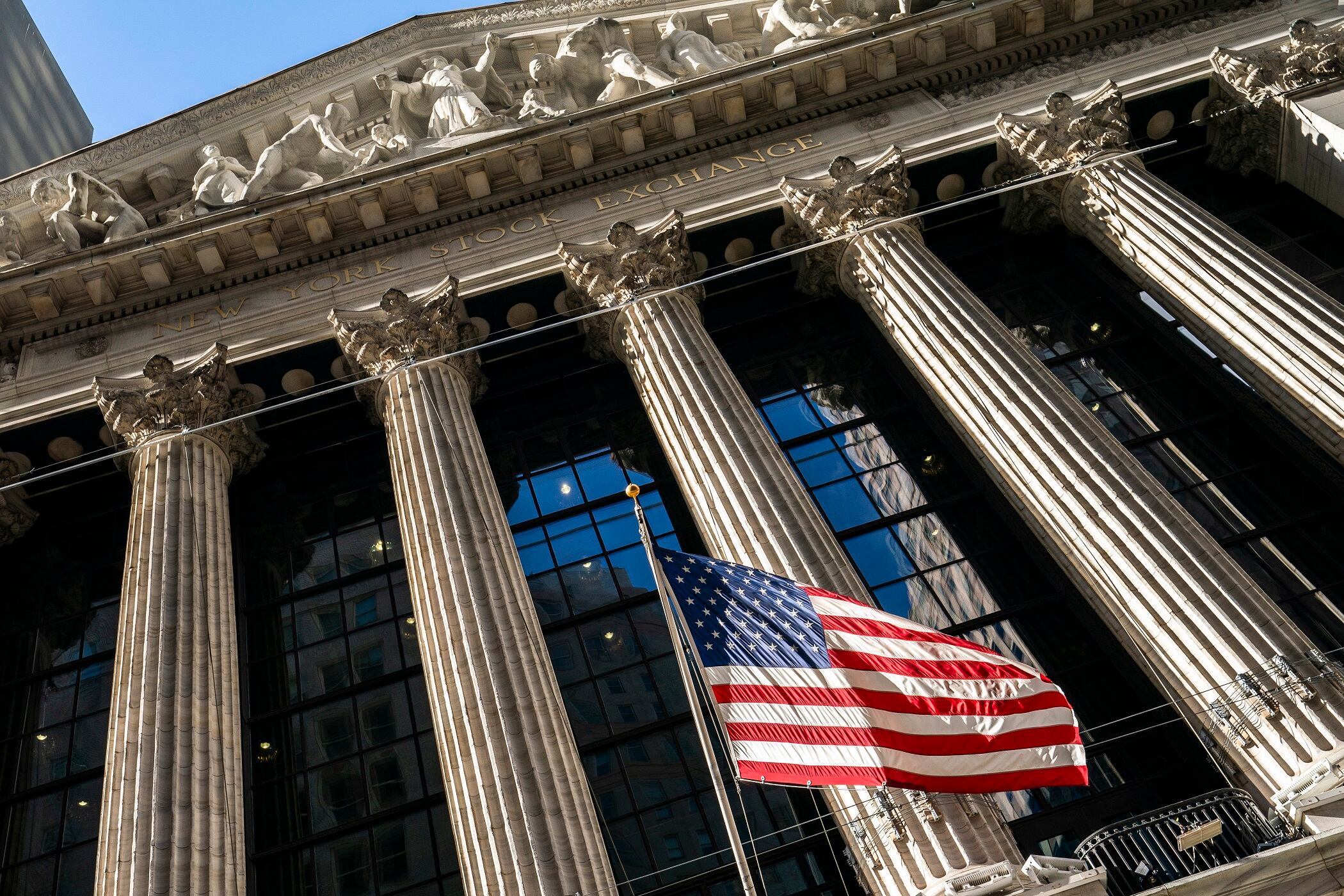
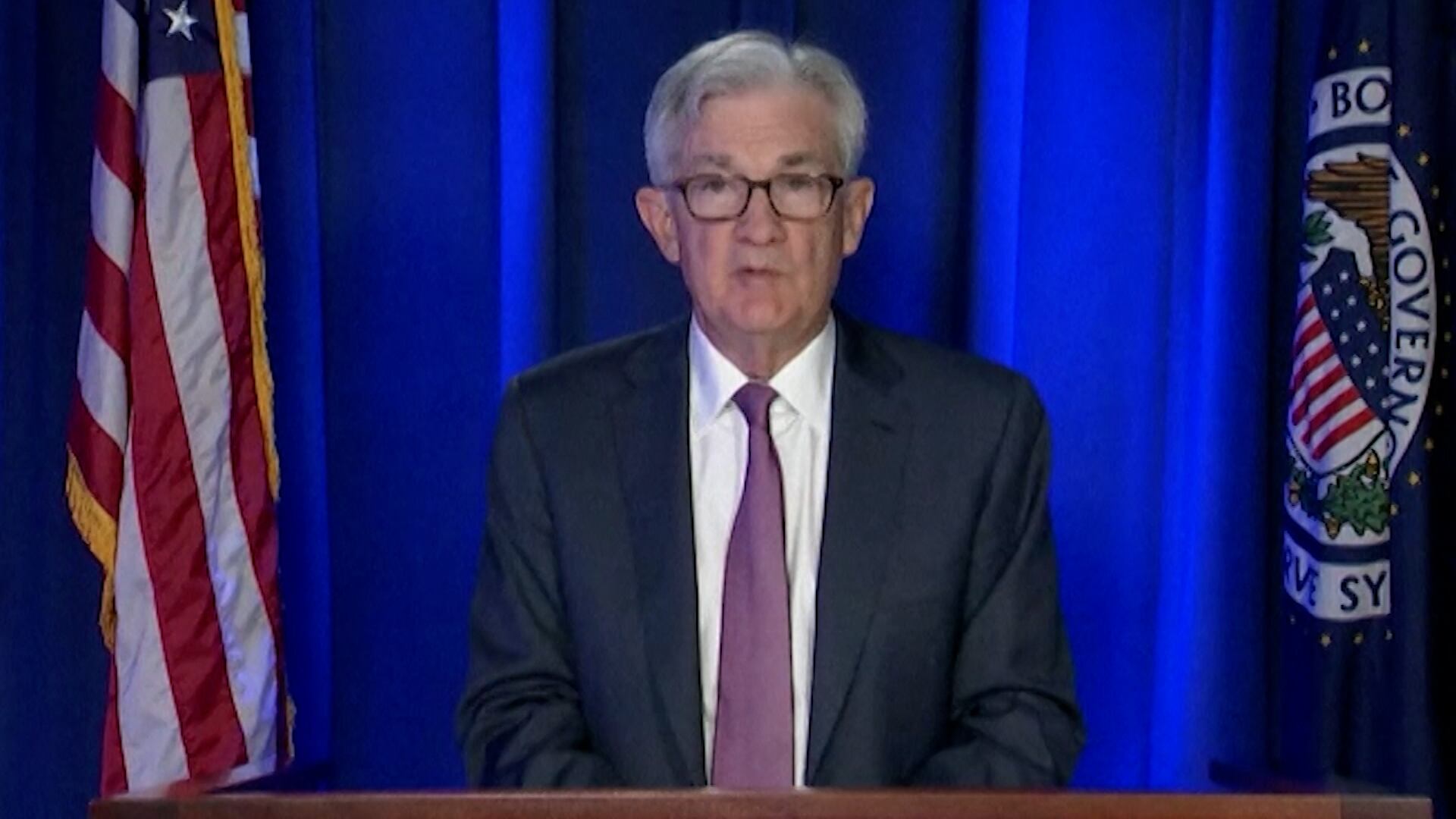
Markets opened lower Wednesday morning as investors await meeting minutes from the Federal Reserve. Bill Stone, Chief Investment Officer at The Glenview Trust Company joined Cheddar's Opening Bell to discuss.
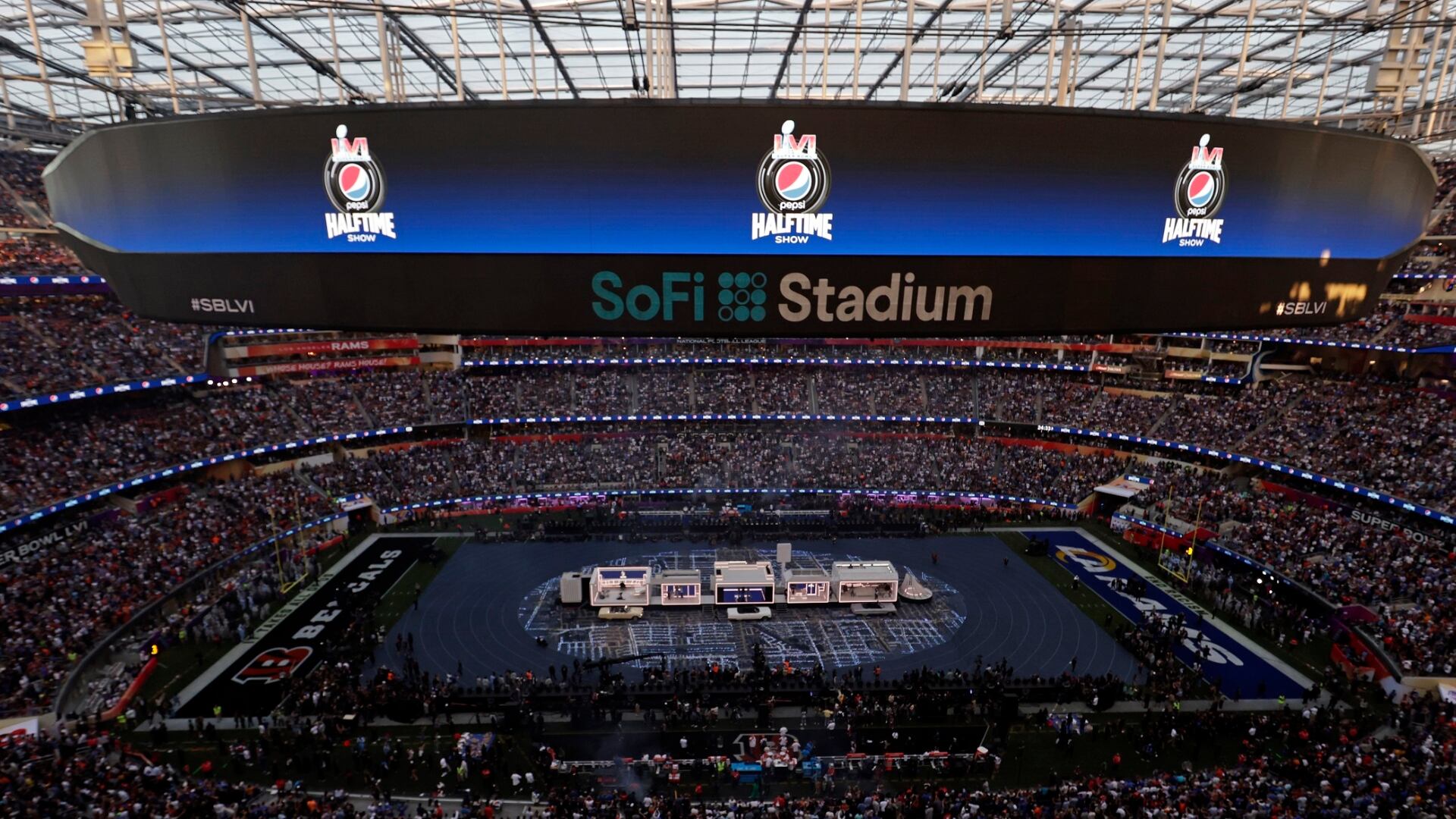
Pepsi’s 10-year contract with the NFL to sponsor the Super Bowl Half Time Show has come to an end and the rights are now up for grabs, leaving football fans to wonder what competitor or a wild card will jump in to take the food and beverage giant's place. However, PepsiCo will still have pour rights at all of the NFL major events.
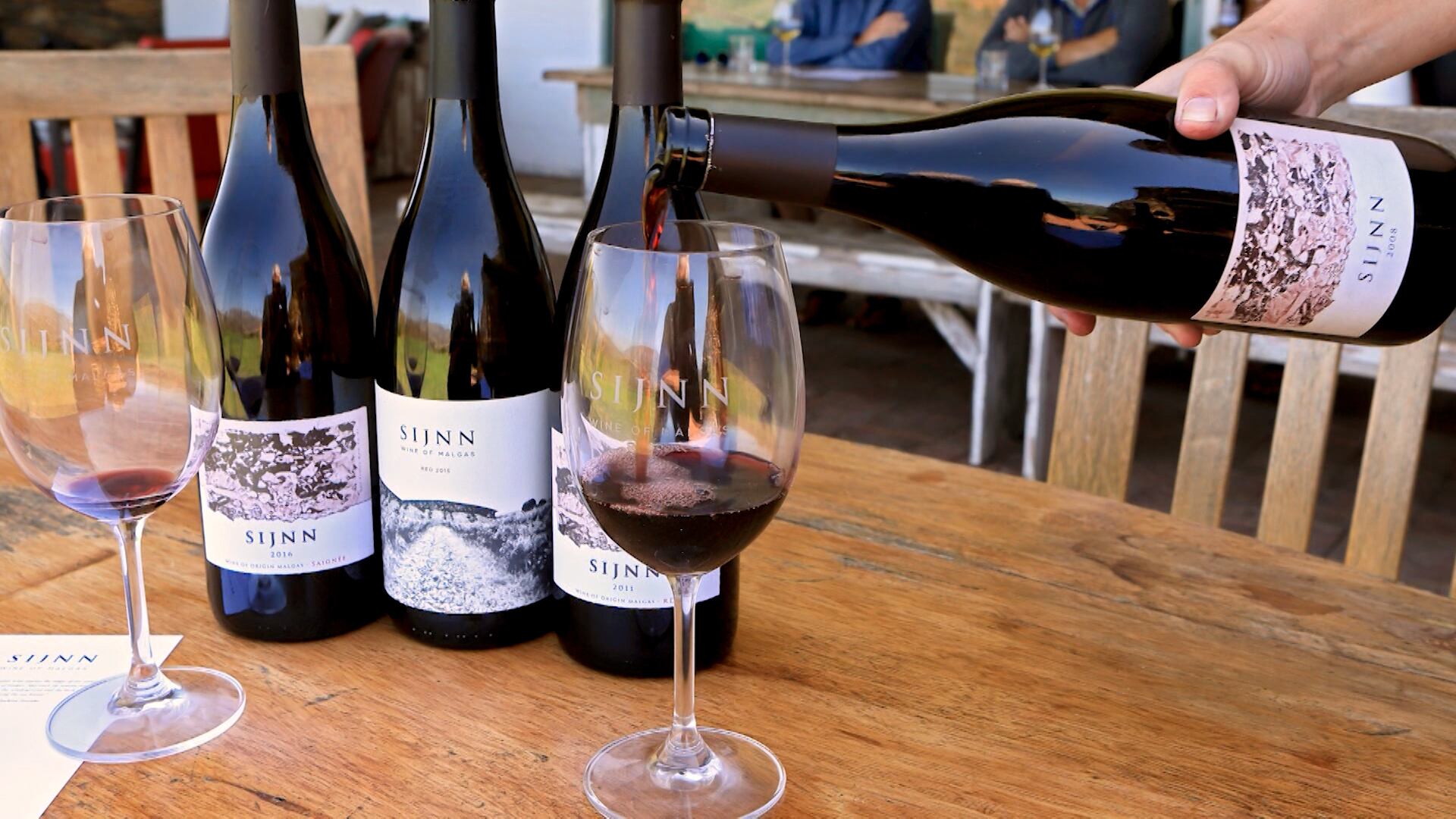
CEO Anthony Zhang of Vinovest, a platform for investing in bottles of fine wine, joined Cheddar News to discuss how his company is bringing this unique opportunity to investors. “Just to be clear, these aren't the typical bottles of wine that you're finding at your local grocery store or Trader Joe's," he said. "These are really considered bottles that are collectible, age-worthy, and have a track regular of appreciating over time on the secondary market.”
Judith Enck, a former regional administrator for the EPA and the president of Beyond Plastics, joined Cheddar News to talk about the role of plastics in the climate crisis and California's investigation of ExxonMobil and other oil companies for misleading the public on the ability to recycle plastics. "The reason why petrochemical companies like Exxon have gotten away with selling more and more plastic is that they've lied to the public and told us don't worry about all those negative upstream impacts and downstream impacts of plastics. Just be sure to recycle it. Well, guess what? Plastics largely are not recycled," Enck said.
Apple warned of a potential $8 billion future sales hit due to supply issues, but Dan Ives, the managing director of equity research at Wedbush Securities, noted that the record quarterly report the tech giant posted shows demand remains high for Apple products and services. Ives joined Cheddar to explain why investors should look past the warning. "In these types of markets where many are yelling fire in a crowded theater, you look at the demand trends because that continues to be the focus for Apple," he said "I think you combine that with the services. I view it as a defensive name. It's a Rock of Gibraltar stock in a Category 5 storm as well as also an offensive play as I believe we start to move out of some of these just brutal headwinds that we've been seeing in the market once the Fed rips the band-aid off."
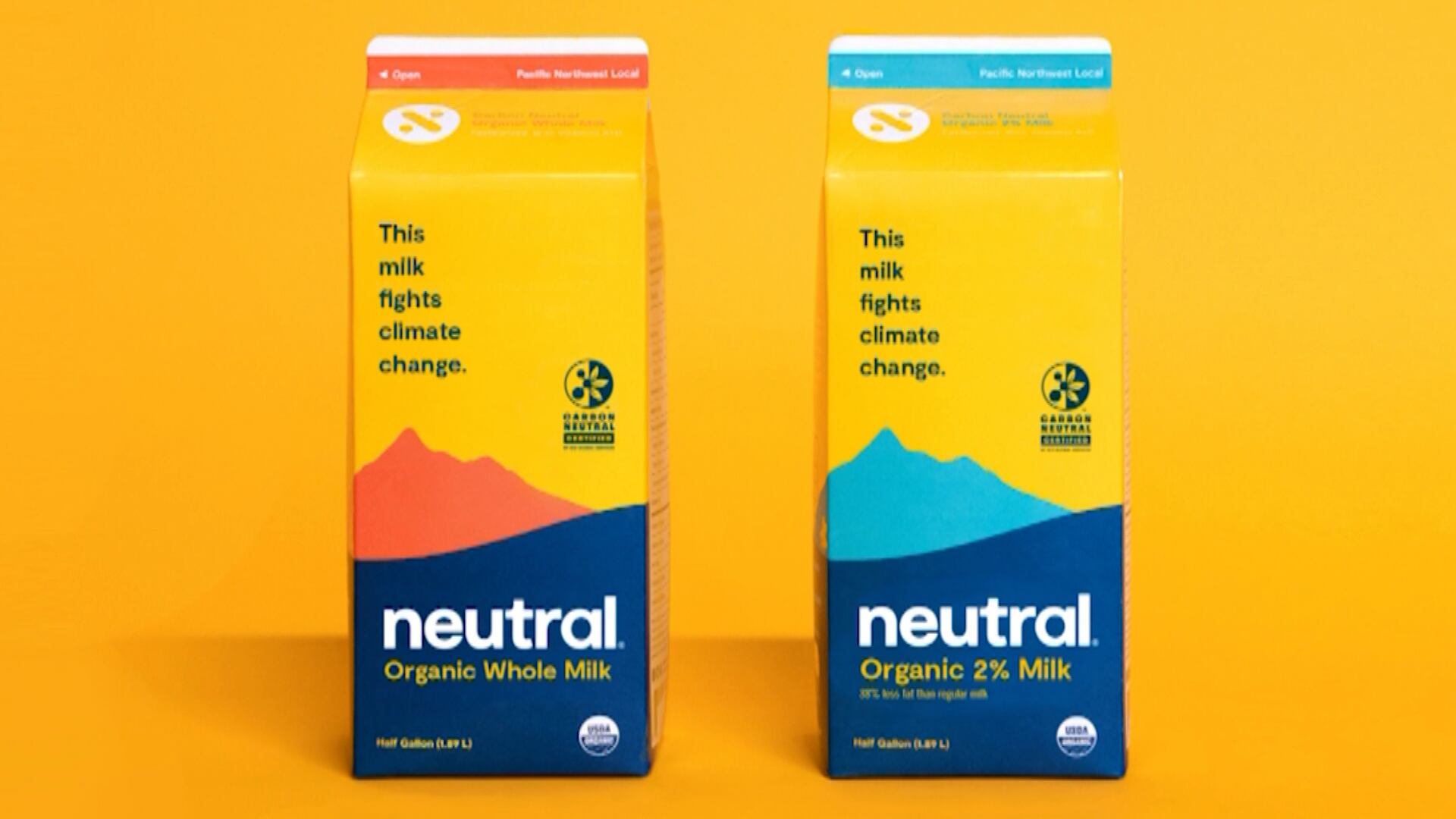
Neutral Foods is touting itself as the first carbon-neutral food producer starting with its cow's milk. Neutral Foods CEO Marcus Lovell Smith and founder of Darco Capital David Adelman joined Cheddar News to talk about their efforts in trying to address the climate anxiety being felt by many American consumers who still buy dairy. "You know, 93 percent of American households still have milk in the refrigerator, normal, ordinary milk. So we're meeting Americans where they are," said Smith.