A woman uses her phone as she passes by the ByteDance headquarters in Beijing, China, on Friday, Aug. 7, 2020. The Chinese government is complicating the U.S.-government-ordered sale of U.S. TikTok assets. China on Friday, Aug. 28, 2020 introduced export restrictions on artificial intelligence technology, seemingly including the type that TikTok uses to choose which videos to spool up to its users. That means TikTok's Chinese owner, ByteDance, would have to obtain a license to export any restricted technologies to a foreign company. (AP Photo/Ng Han Guan)
By Tali Arbel and Zen Soo
The Chinese government is complicating the U.S.-government-ordered sale of U.S. TikTok assets.
China on Friday introduced export restrictions on artificial intelligence technology, seemingly including the type that TikTok uses to choose which videos to spool up to its users. That means TikTok's Chinese owner, ByteDance, would have to obtain a license to export any restricted technologies to a foreign company.
The Trump administration has threatened to ban TikTok by mid-September and ordered ByteDance to sell its U.S. business, claiming national-security risks due to that Chinese ownership. The government worries about user data being funneled to Chinese authorities. TikTok denies it is a national-security risk and is suing to stop the administration from the threatened ban.
Prospective buyers for U.S. TikTok assets include Microsoft and Walmart and, reportedly, Oracle. Oracle has declined to comment.
On Saturday, Chinese state-owned media outlet Xinhua News Agency quoted government trade adviser and professor Cui Fan, who said that Bytedance should consider whether it should halt negotiations to sell TikTok in the U.S.
"As with any cross-border transaction, we will follow the applicable laws, which in this case include those of the U.S. and China," said ByteDance General Counsel Erich Andersen.
The Chinese government's new restrictions may be a "tactic to drive up valuation" of TikTok, said RBC Capital Markets analyst Alex Zukin, who still expects a deal announcement "relatively soon." The Wall Street Journal reported last week that ByteDance is asking for $30 billion for the U.S. operations, but has faced resistance from bidders. The Journal said in a Sunday story that deal talks had "slowed."
Microsoft and Walmart declined to comment on Monday.
White House press secretary Kayleigh McEnany, during a White House briefing, did not directly answer whether the administration would accept a sale of U.S. assets of TikTok if the deal were subject to Chinese government approval. "Negotiations are ongoing on a sale of TikTok so we are not going to get in the way of those negotiations," she said.
—
Associated Press writer Kevin Freking contributed to this report from Washington.
Babylist is an online baby registry for expecting and new parents, who can use the platform to share what they would like to receive as gifts to celebrate their baby's birth. The company also operates as an e-commerce and content platform for baby products, saying it aims to be a one-stop solution for parents, family, and friends to buy best-in-class baby products at what is a critical and deeply personal moment in their lives. Natalie Gordon, founder and CEO of Babylist. joins Cheddar News' Closing Bell to discuss.
One of the hottest stocks in the news, not for its price but mostly due to its maybe pending acquisition by Elon Musk, is Twitter. Cheddar's Ken Buffa goes in-depth into why the trials and tribulations of the social media platform, currently being accused by the Musk of holding back information on spam accounts, make it the stock of the day.
Apple's Worldwide Developers Conference on Monday provided announced updates for iOS 16, edits to iMessages, an “ApplePay Later” plan, which will allow users to stretch out their payments over four weeks, and new Macbooks. However, the anticipated news for realityOS, software for an augmented and virtual reality headset, did not make the cut. Cheddar News anchor Michelle Castillo had all the details about what to expect from tech giant.
Amazon recently put into effect a 20-1 stock split, but what exactly does that mean? Cheddar News anchors Kristen Scholer and Ken Buffa take a deep dive into the reasons why the e-commerce giant might have decided to split its shares, including accessibility, sending a "psychological signal," and improving valuation.
John Coffee, Law Professor at Columbia University, joined Closing Bell to discuss the latest obstacle in Elon Musk's attempted Twitter takeover, as the billionaire claims the company is hiding accurate information about the number of fake accounts on the platform.
Bill Bellissimo, CEO of Crunchtime, joins Cheddar to break down how he's guiding the food, service, and hospitality industries through the labor crisis with software and technological solutions.
On this episode of On the Job, VP, Assistant General Counsel, ADP, joins Cheddar to discuss how to successfully find and cultivate a mentor-mentee relationship.
On this episode of On the Job, Meg Ferrero, VP, Assistant General Counsel, ADP, discusses how to successfully find and cultivate a mentor-mentee relationship; Bill Bellissimo, CEO of Crunchtime, breaks down how he's guiding the food and hospitality industry through the labor crisis with software and technological solutions; Senior Reporter Chloe Aiello gets a first-person look at how Brooklyn Dumpling house is updating an old-school idea to revolutionize how they do business.
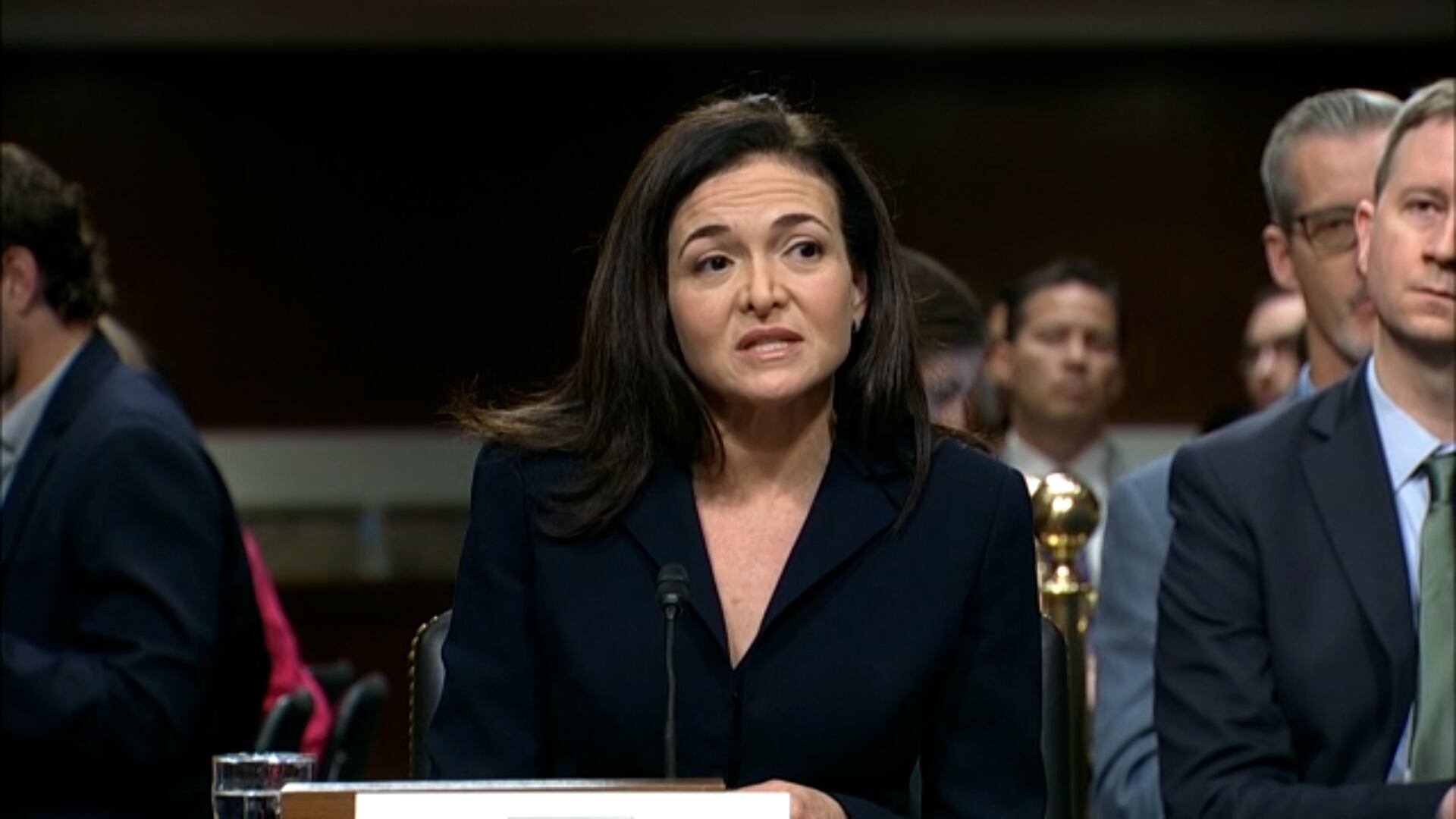
Sheryl Sandberg is stepping down as Chief Operating Officer of Facebook's parent company Meta. After 14 years at a company she helped transform from a little-known social media website into one of the most powerful tech giants in the world, Sandberg announced she's leaving to spend more time with her family and focus on her philanthropic work. Evan Nierman, CEO of Red Banyan Crisis PR and author of Crisis Averted, joined Cheddar to discuss Sandberg's legacy at Facebook, her impact on women in the workplace, and what we can expect to see from her in the future.