A woman uses her phone as she passes by the ByteDance headquarters in Beijing, China, on Friday, Aug. 7, 2020. The Chinese government is complicating the U.S.-government-ordered sale of U.S. TikTok assets. China on Friday, Aug. 28, 2020 introduced export restrictions on artificial intelligence technology, seemingly including the type that TikTok uses to choose which videos to spool up to its users. That means TikTok's Chinese owner, ByteDance, would have to obtain a license to export any restricted technologies to a foreign company. (AP Photo/Ng Han Guan)
By Tali Arbel and Zen Soo
The Chinese government is complicating the U.S.-government-ordered sale of U.S. TikTok assets.
China on Friday introduced export restrictions on artificial intelligence technology, seemingly including the type that TikTok uses to choose which videos to spool up to its users. That means TikTok's Chinese owner, ByteDance, would have to obtain a license to export any restricted technologies to a foreign company.
The Trump administration has threatened to ban TikTok by mid-September and ordered ByteDance to sell its U.S. business, claiming national-security risks due to that Chinese ownership. The government worries about user data being funneled to Chinese authorities. TikTok denies it is a national-security risk and is suing to stop the administration from the threatened ban.
Prospective buyers for U.S. TikTok assets include Microsoft and Walmart and, reportedly, Oracle. Oracle has declined to comment.
On Saturday, Chinese state-owned media outlet Xinhua News Agency quoted government trade adviser and professor Cui Fan, who said that Bytedance should consider whether it should halt negotiations to sell TikTok in the U.S.
"As with any cross-border transaction, we will follow the applicable laws, which in this case include those of the U.S. and China," said ByteDance General Counsel Erich Andersen.
The Chinese government's new restrictions may be a "tactic to drive up valuation" of TikTok, said RBC Capital Markets analyst Alex Zukin, who still expects a deal announcement "relatively soon." The Wall Street Journal reported last week that ByteDance is asking for $30 billion for the U.S. operations, but has faced resistance from bidders. The Journal said in a Sunday story that deal talks had "slowed."
Microsoft and Walmart declined to comment on Monday.
White House press secretary Kayleigh McEnany, during a White House briefing, did not directly answer whether the administration would accept a sale of U.S. assets of TikTok if the deal were subject to Chinese government approval. "Negotiations are ongoing on a sale of TikTok so we are not going to get in the way of those negotiations," she said.
—
Associated Press writer Kevin Freking contributed to this report from Washington.
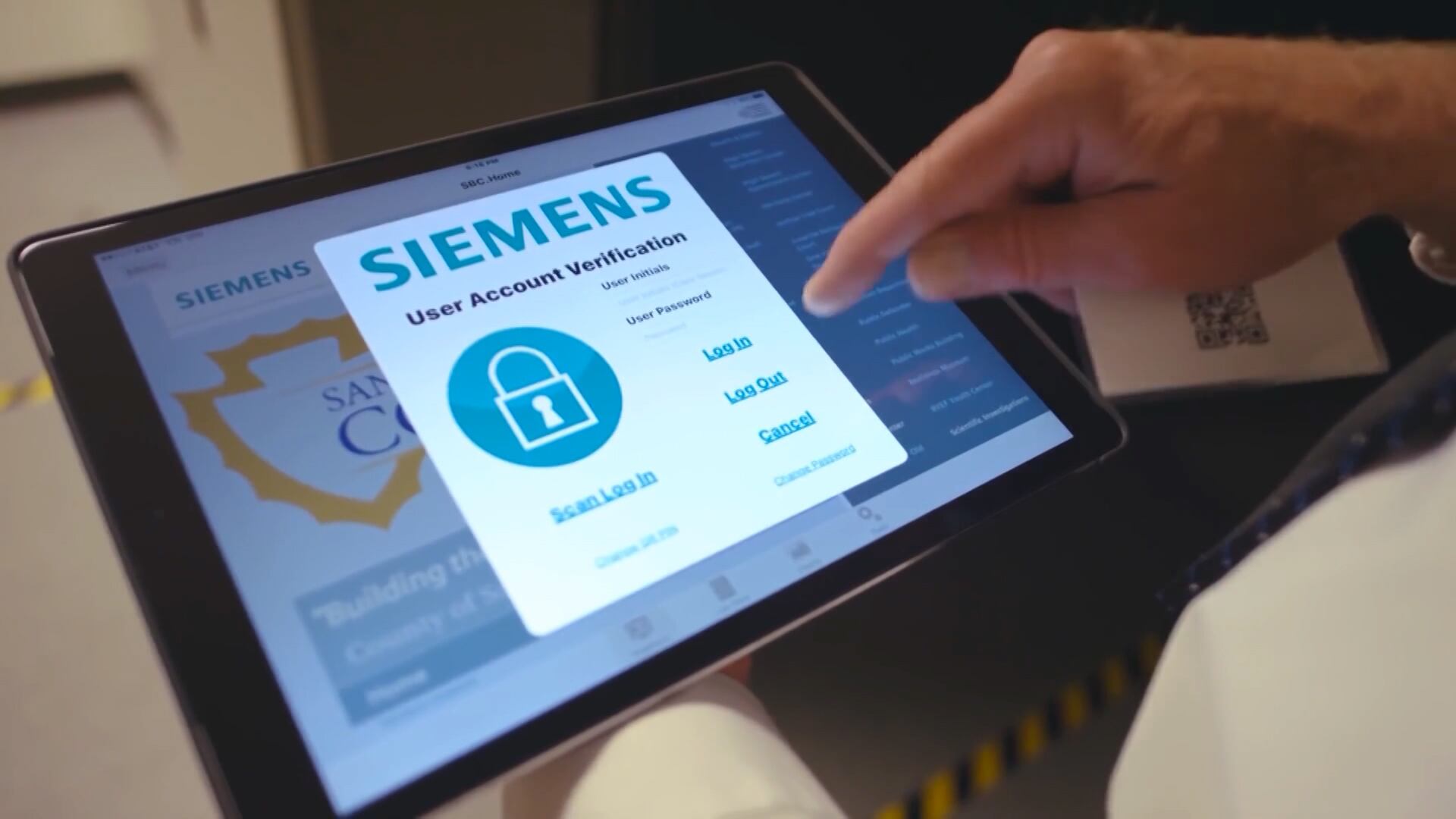
The United Nations COP26 climate talks are scheduled for October 31 to November 12 in Glasgow, Scotland. Heads of state will be joined by private sector leaders to once again discuss the shrinking window of time left to take action against global temperature rise. Barbara Humpton, CEO of focused technology company Siemens U.S., is also attending and spoke to Cheddar about what she hopes to see during the conference for both the public and private spheres. "What we are really urging is that there are large commitments made in Glasgow and that we really commit to this next decade of action," she said.
Hertz, the car rental giant, has placed an order for 100,000 Tesla Model 3s and sent Tesla's value soaring, pushing it into the $1 trillion club during the trading day Monday. Dan Ives, managing director of equity research for Wedbush, told Cheddar's 'Closing Bell', "It shows [electric vehicles] going to the mainstream." The move gives Hertz a leg up by differentiating itself from competitors and shows Tesla's dominance in the marketplace, He noted. And as for that trillion-dollar valuation? Ives said he could see it rising even higher down the road.
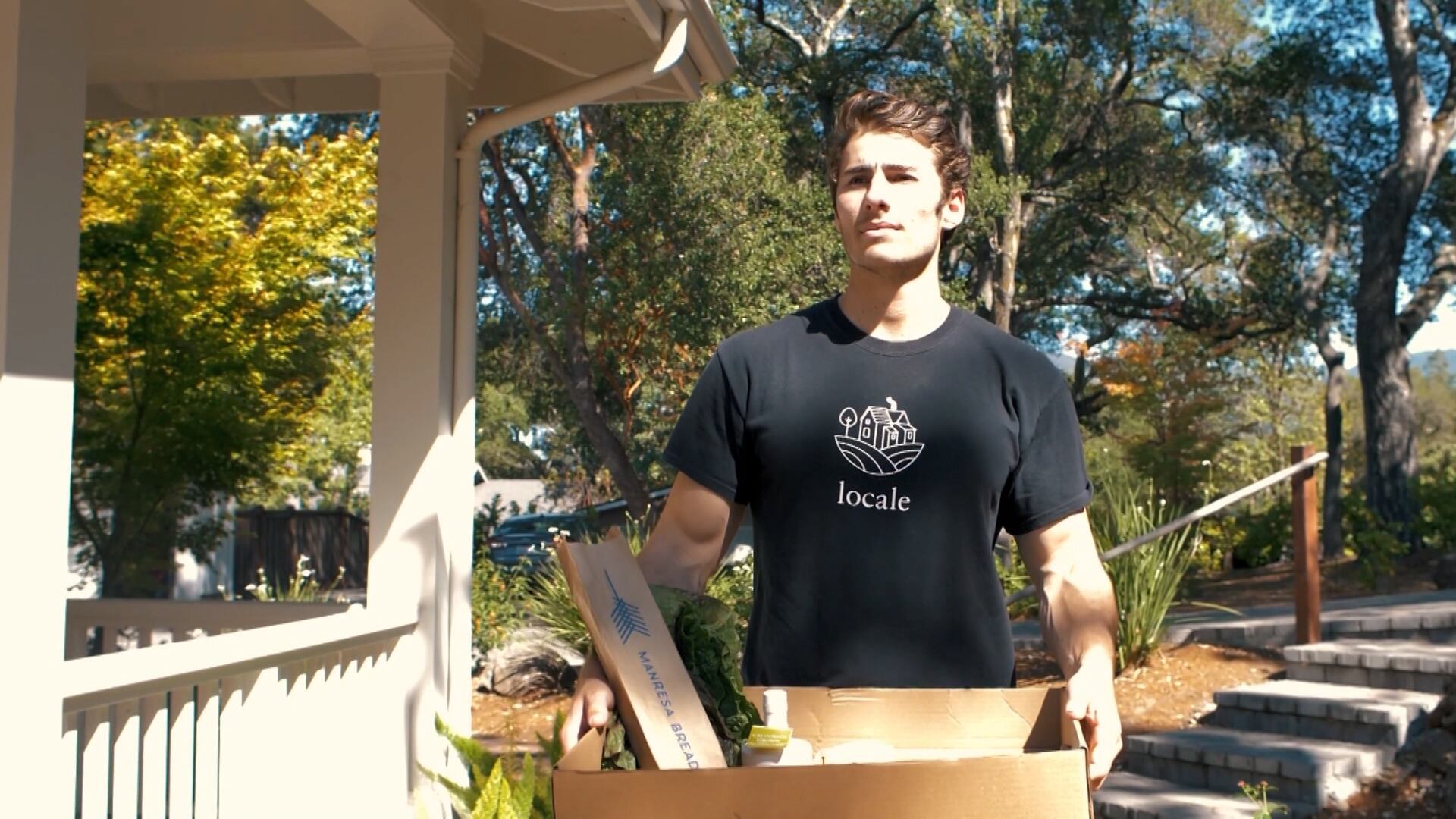
Jonathan Friedland, co-founder of Locale, joins Cheddar News to talk about how the company enables customers to order from dozens of business even if they live hours away.
As we gear into the holiday season, several industries have expressed how the ongoing supply chain shortage continues to impact their business. According to one winery out in California, many wineries are having a difficult time moving their products all because of shipping and labor shortage issues. Senior Retail Reporter at the Insider Aine Cain, joined Cheddar to discuss more and how this issue may not be going away anytime soon.
The gaming industry is about to take center stage as the next dominant technology platform, according to a new report from the consulting firm Activate. The pandemic has accelerated gaming's popularity, with overall time spent gaming increasing by 29 percent. Michael J. Wolf, co-founder and CEO of Activate, joined Cheddar to discuss some of the key findings of the report and why he thinks video game platforms are the only ones that stand a chance of building the so-called metaverse.
Voyager, Nanoracks, and Lockheed Martin are all teaming up to develop the first-ever free-flying commercial space station with room for a crew of four astronauts. The private companies are joining forces as part of NASA’s greater mission to retire the International Space Station by the year 2030. The low-earth orbit space station will be called "Starlab," and is planned to achieve operational capability by 2027. Lisa Callahan, Vice President and General Manager of Commercial Civil Space at Lockheed Martin, and Matthew J. Kuta, President and Chief Operating Officer of Voyager Space, joined Cheddar’s Opening Bell.
Jill and Carlo cover the latest developments in the Alec Baldwin prop gun shooting, when vaccines for kids as young as 5 should be approved, new reporting on Facebook and more.